



Digging Deeper
There is a saying in law enforcement, "We deal with 10 percent of the population 90 percent of the time." And whoever said it first had to be a patrol officer.

There is a saying in law enforcement, "We deal with 10 percent of the population 90 percent of the time." And whoever said it first had to be a patrol officer.
Street cops in every city know who the local bad guys are and what types of crimes they specialize in. For example, some people are known for burglaries, while others are known for auto theft or robbery.
As soon as an incident occurs, many officers already can tell just by the MO who is the most likely perp. Almost any patrol officer can give you a long list of "usual suspects" to whatever crime you come up with. It's common knowledge around every police department.
Although most officers can identify the most likely perp for almost any crime, many fail to put this knowledge to use in their daily work. When a suspect is developed on a case and brought in for interrogation, don't limit your questioning to only the crime they are being charged with.
If she is one of your "repeat" customers, it's likely that she has committed other similar crimes recently. Opening up your line of questioning to include other incidents can clear a bunch of other cases or give you leads that you wouldn't otherwise have.
Let's look at a few simple tactics that will help you get suspects to confess to other crimes while you detain and interview them on another charge.
One good way to elicit a confession to other crimes is to use props. If you have a suspect that is especially phobic about leaving fingerprints at a scene, use that fear to your benefit. Show him other fingerprint cards and explain to him how your department has a new emphasis on fingerprinting all crime scenes. If you know specific places that the suspect frequents, talk about them with the intent of letting him know that fingerprints could have been taken from these places.
Many times a suspect will panic when seeing a fingerprint card and the mere mention of being associated with a crime. This is especially true if the suspect has watched too many "C.S.I." episodes and thinks you really have the technology and resources as the cops on the show. Remember, just because we know that everything isn't fingerprinted that doesn't mean that the suspect knows it too.
Similar tactics can be accomplished with videotapes, photos and other evidence. Get creative but remember to stay broad with your props. If you show a suspect something he knows he didn't do, he will call your bluff and the interrogation is over.
Many officers will also use numbers they know will mean something to the suspects to get them to open up. For example, if you are questioning a suspect about an auto burglary at an apartment complex and you know several similar burglaries have happened recently in the same area, do your homework. Look up those dates and times and what was taken in the other cases. Most auto burglars will remember what they took and what kind of car they took it from. Half the time, they'll know better than the police.
Use the incidents you know about to get your suspect to admit to other crimes. If you lead him to believe he's been caught in others, he may just give up everything he's done in that area. This works best when the suspect is already talking about the case he's been arrested on. But if he doesn't open up, what have you really lost? Giving it a shot costs nothing, but may pay off by clearing several other cases from one interview.
Sometimes downplaying an incident can lead to a big payoff, too. This is especially effective on out-of-town suspects who don't have a lot of history in your city. They probably know the system in their hometown, but they don't know how the police work in your city.
Try downplaying what they've done as "not a big deal here" or comparing it to something much worse. For example, if you've arrested someone for auto theft, try telling them how "joyriding" is not a big deal compared to bringing a vehicle to a "chop shop" or exporting it to another state. Infer how your department is investigating "a much bigger ring" of auto thefts and tell him you don't want him to fall into that investigation for just taking a car out for a ride.
A lot of times, they'll admit to the one "joyride" and tell you about others they've done to avoid the bigger crime, allowing you to clear multiple cases with one interrogation.
Some legal points to remember when interrogating a suspect on multiple cases: Be sure you've covered any Miranda issues that apply and have a tape recorder handy. Some suspects will try to recant some statements later in the investigation. Also, be careful not to promise them anything, which can also get you into some hot water on the stand.
Your intuition and your knowledge of the "usual suspects" that you gain on the streets are some of your best assets. Remember to use these tools the next time you interrogate someone.
More Patrol
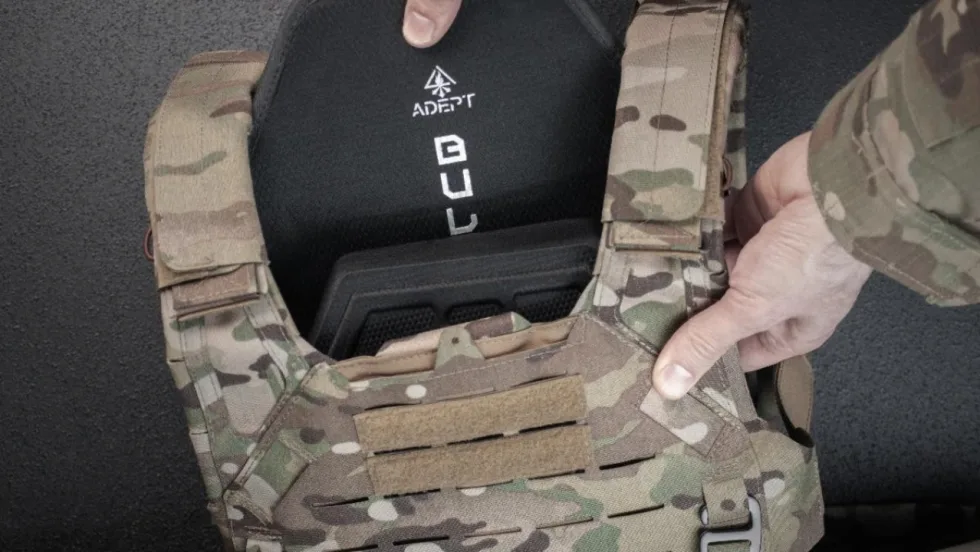
Adept Armor Introduces Two New Rifle Plates
Adept Armor has launched two new Level IV ballistic plates, the Emperor and the Archon Mark 2, which brings Adept Armor’s new Quatroid ceramic to the high-threat, performance-value center of the range at 5.2 pounds.
Read More →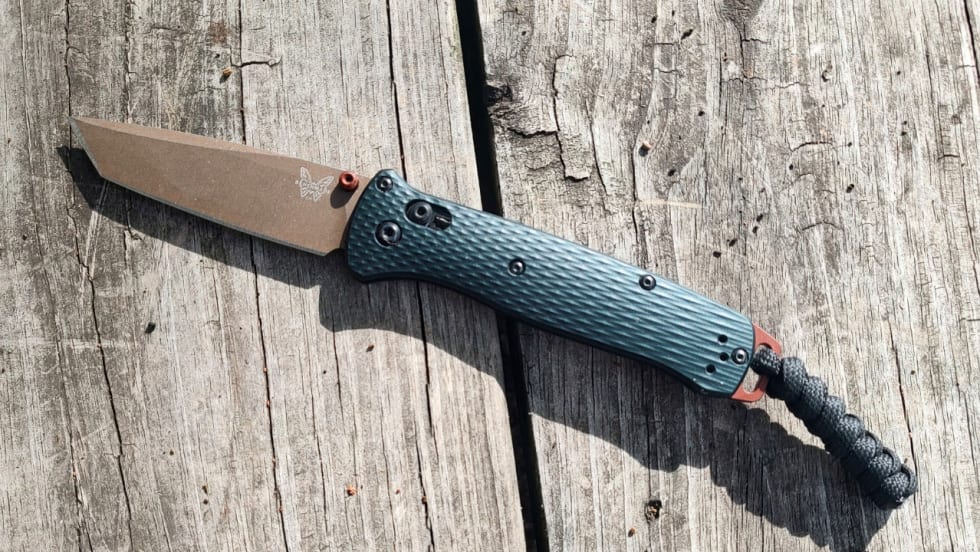
POLICE Product Test: Benchmade Bailout
The Benchmade Bailout is a slim, lightweight carry knife with a deep-ride pocket clip and comes in a variety of blade steels and scales. Here is a detailed review of the Taiga Green Bailout, released earlier this year.
Read More →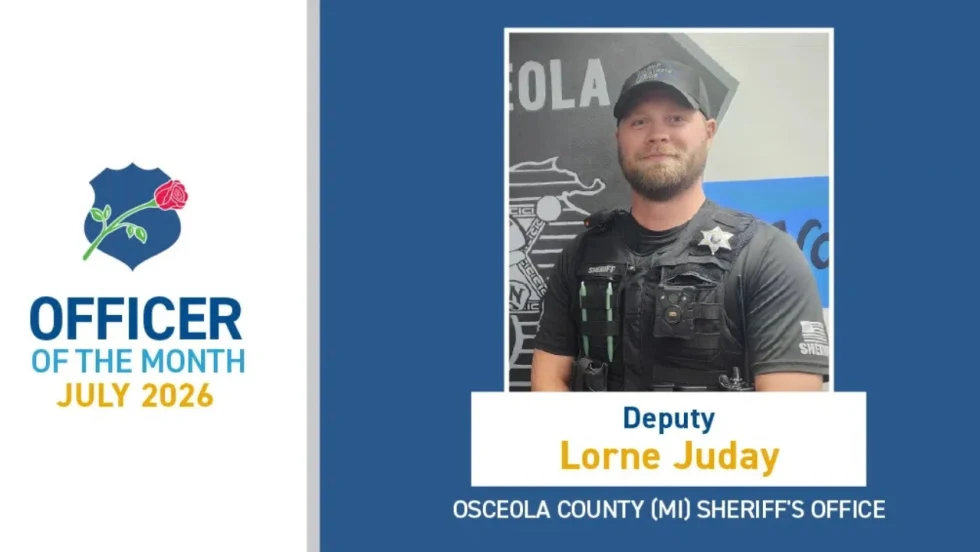
NLEOMF Announces July 2026 Officer of the Month
NLEOMF honored a Michigan deputy sheriff as the July 2026 Officer of the Month for rescuing a trapped driver from a burning vehicle following a Fourth of July crash.
Read More →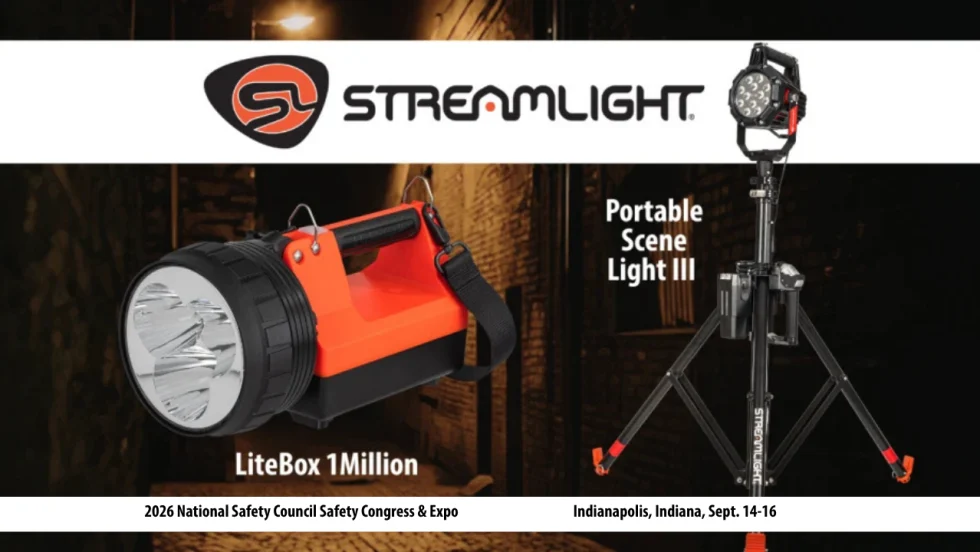
Streamlight to Showcase Newest Lighting Products at National Safety Council’s Safety Congress & Expo 2026
Streamlight will showcase its latest lights, including the Portable Scene Light III and the LiteBox 1Million, at the 2026 National Safety Council (NSC) Safety Congress & Expo.
Read More →
The 2027 World Police & Fire Games Set for Perth, Australia
The 2027 World Police & Fire Games (WPFG) will take place in Perth, Western Australia, from Friday, March 12 through Sunday, March 21, 2027.
Read More →
5.11 Partners with National Fallen Firefighters Foundation to Support #ForThe343
5.11 has joined the nationwide movement honoring the 343 New York City Fire Department firefighters lost on Sept. 11, 2001.
Read More →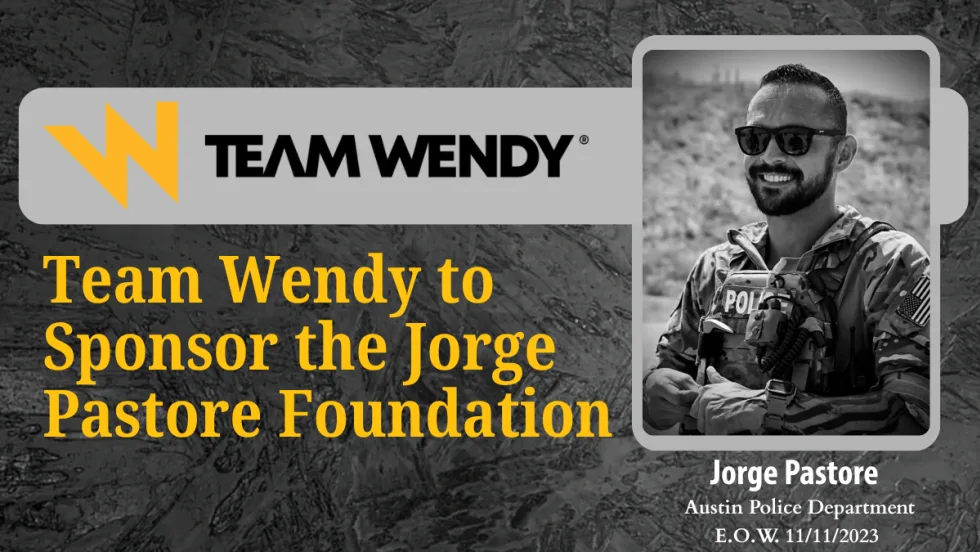
Team Wendy Announces Title Sponsorship of the Jorge Pastore Foundation
Team Wendy’s 3-year partnership with the Jorge Pastore Foundation expands access to programs that strengthen those who serve.
Read More →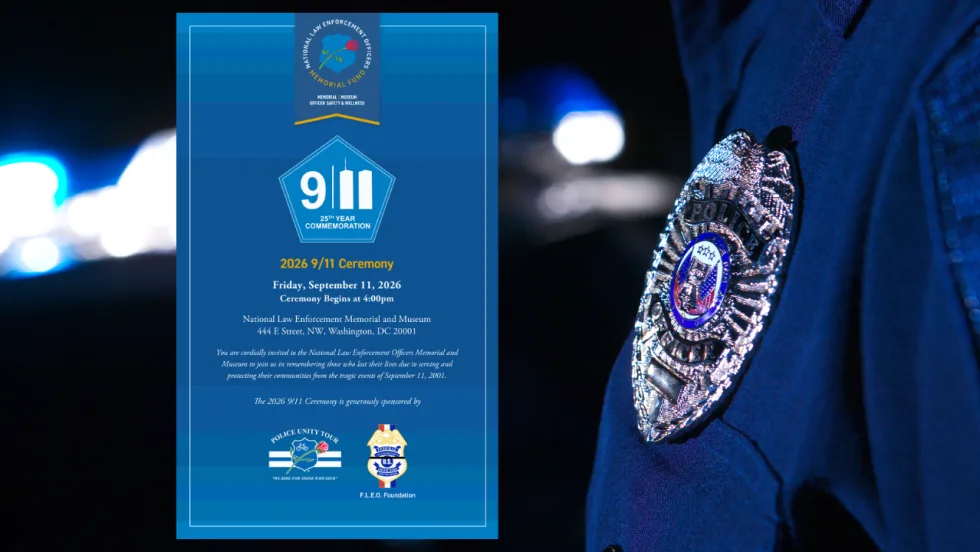
National Law Enforcement Memorial and Museum Hosting 9/11 25th-Year Commemoration Ceremony
The National Law Enforcement Memorial and Museum is hosting a 9/11 25th Year Commemoration Ceremony on Sept. 11 at 4 p.m.
Read More →
National Law Enforcement Officers Memorial Fund Announces June 2026 Officers of the Month
The National Law Enforcement Officers Memorial Fund (NLEOMF) named 15 officers of the Chico Police Department (California) as the Officers of the Month for June 2026 for their roles in responding to an active-shooter incident at a public library.
Read More →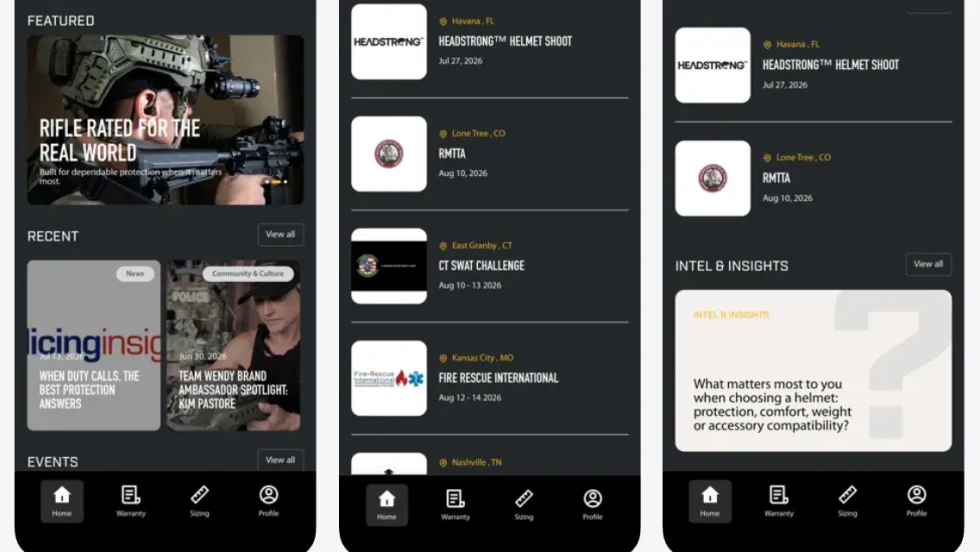
Team Wendy App Creates New Digital Hub for Helmet Owners
The Team Wendy Community App provides one location for warranty registration, size-fit tools, product updates, and community connection. For helmet owners, the new app creates a simpler path to the information and tools that matter most.
Read More →