



Dave Smith: And What Do You Do Next?
If you believe you might be suffering from PTSD, seek out a professional who can help.

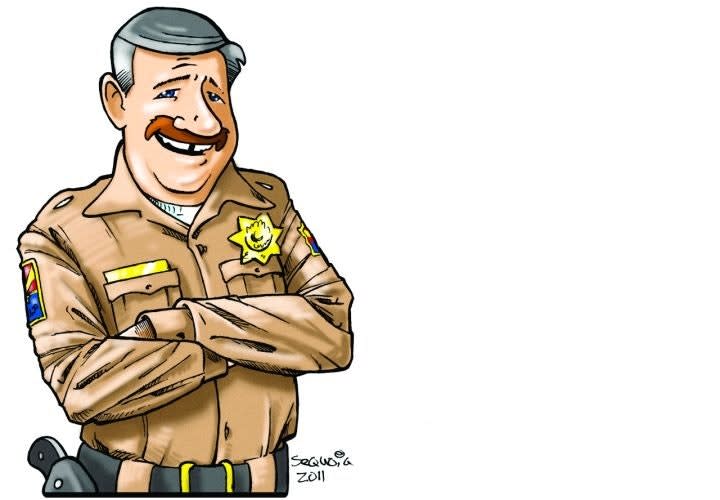
Dave Smith
Illustration: Sequoia Blankenship
The other day my wife, the Sarge, and I were checking into the annual Concerns of Police Survivors (C.O.P.S.) National Conference in Chicago, when we saw one of my old buddies from my Tucson Police days. Jack Harris had been a street cop who then rose to the rank of Commander and retired to become an outstanding counselor specializing in law enforcement issues. It was natural that he would attend this very important meeting of hundreds of folks concerned about the emotional and physical health of those who serve and protect, as well as that of their families.
Over the next couple of days, Jack and I had several chances to catch up and I had an opportunity to tap into his insight over issues that were and are very troubling to me. Suicide, alcohol abuse, drug abuse, divorce, PTSD, and a host of other contemporary challenges were brought up during the conference, and I was impressed with Jack’s approach to dealing with some of these problems. One of the interesting points he made was how often he had to deal with the “self-diagnosed” PTSD victim. These guys (and gals) were often self-medicating (alcohol and/or drugs), and when he pinned them down as to how they made their “diagnosis” he discovered that they often didn’t have a clue as to what PTSD actually was.Jack then did a little mental exercise with these folks where he challenged them to do another diagnosis. Suppose instead of a traumatic emotional event they had been involved in an accident? After the accident they find they can’t stand up, and when they look down their right lower leg is at a 90-degree angle; what is their diagnosis? “A broken leg!” they all exclaimed with certainty, and that’s when he hit them with an important fact check: “And what would you do next?” To which the obvious and consistent answer was, “Go to the doctor…Oh yeah!”
The epiphany is that, regardless of whether your self-diagnosis is for a physical or an emotional injury, the solution is the same: See a dang doctor. Go to the professional to fix what is wrong. Self-medication is an unsatisfactory, and often self-destructive, choice. Pain, mental and physical, is real and Jack’s path of self-illumination helps crime fighters realize there are solutions to their not uncommon problems. The challenge that Jack has discovered, to his dismay, is that many agencies and administrators still stigmatize having mental health issues and/or outright discourage their officers from seeking the help of a professional.
Jack finds this problem sometimes stems from the fact that the medical organizations themselves often do not understand the maladies and stress our profession can create, and they also have a consistent misunderstanding of what constitutes actual PTSD. Check out the latest Diagnostic and Statistical Manual for Mental Disorders to get the latest actual definition of what constitutes PTSD.Too many times, an officer is traumatized by an event and misunderstands the post-event trauma as a long-term, rather than short term, aftereffect. Sleeplessness, nightmares, anxiety, and other problems are NOT unusual after a terrible occurrence, and we should embrace the fact that these are natural side effects of experiencing something far outside of our concept of “normal.” Administrators need to understand that traumatized officers require intervention from professionals to prevent long-term problems.
I have a friend who worked for several years as a detective investigating crimes against children. He was excellent at it; so good, in fact, that they would not let him transfer when he cried, “Enough!” Finally, he sought help for the night sweats, nightmares, and anxiety, and the agency tried to find him unfit for duty. He had to fight to keep his job, even though he had begged to be relieved of the emotional burden he was carrying. This isn’t such an unusual case, and I hope all administrators reading this article ask themselves how open their agency is to caring for the mental health of its folks.
As we become more and more aware of the emotional cost of keeping our communities safe, and dealing with the day-to-day tragedies in those communities, it becomes essential that we develop systems to help our people heal and get the help they need. And if you are one of those self-diagnosed sufferers, ask yourself, what you would do if you self-diagnosed a physical injury instead of an emotional one? That’s right…get to a doctor.
Dave Smith is an internationally recognized law enforcement trainer and is the creator of “JD Buck Savage.” You can follow Buck on Twitter at @thebucksavage.
More Patrol
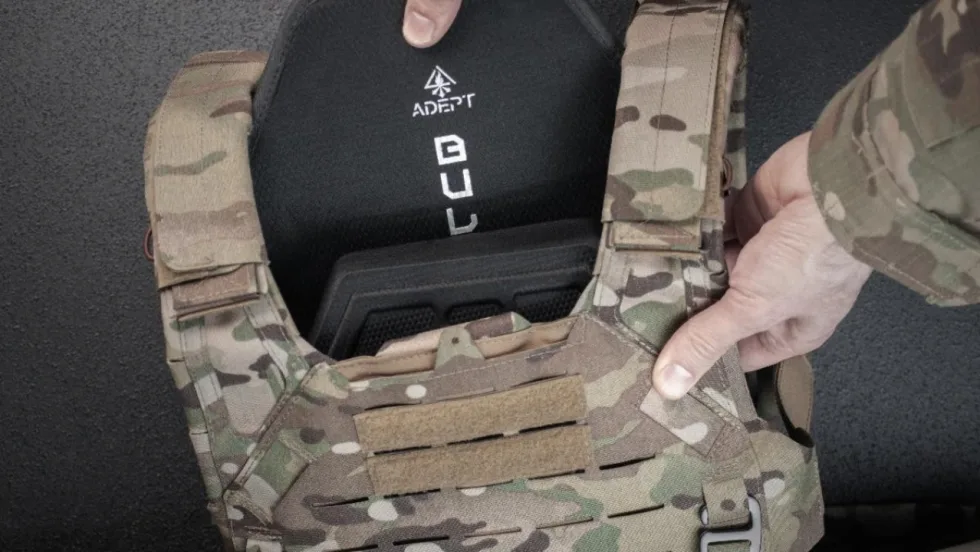
Adept Armor Introduces Two New Rifle Plates
Adept Armor has launched two new Level IV ballistic plates, the Emperor and the Archon Mark 2, which brings Adept Armor’s new Quatroid ceramic to the high-threat, performance-value center of the range at 5.2 pounds.
Read More →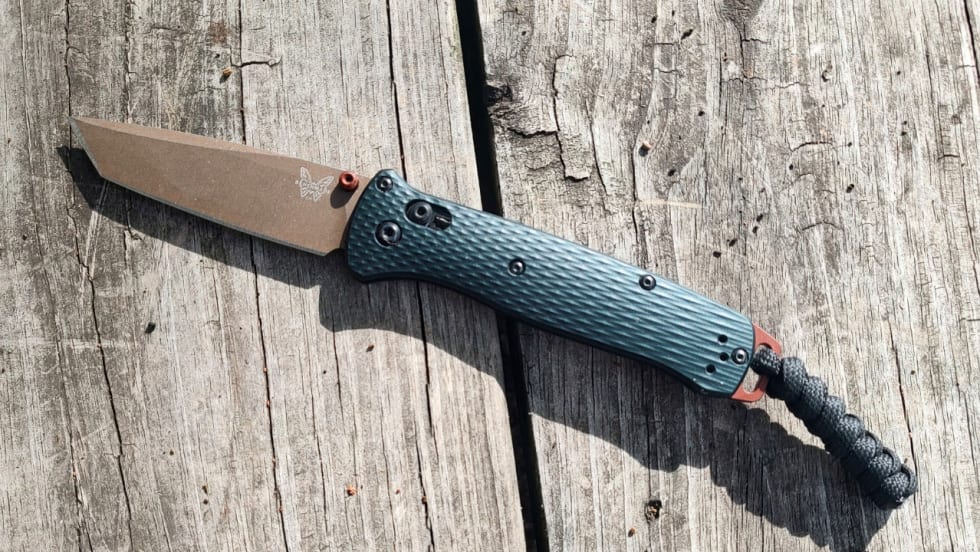
POLICE Product Test: Benchmade Bailout
The Benchmade Bailout is a slim, lightweight carry knife with a deep-ride pocket clip and comes in a variety of blade steels and scales. Here is a detailed review of the Taiga Green Bailout, released earlier this year.
Read More →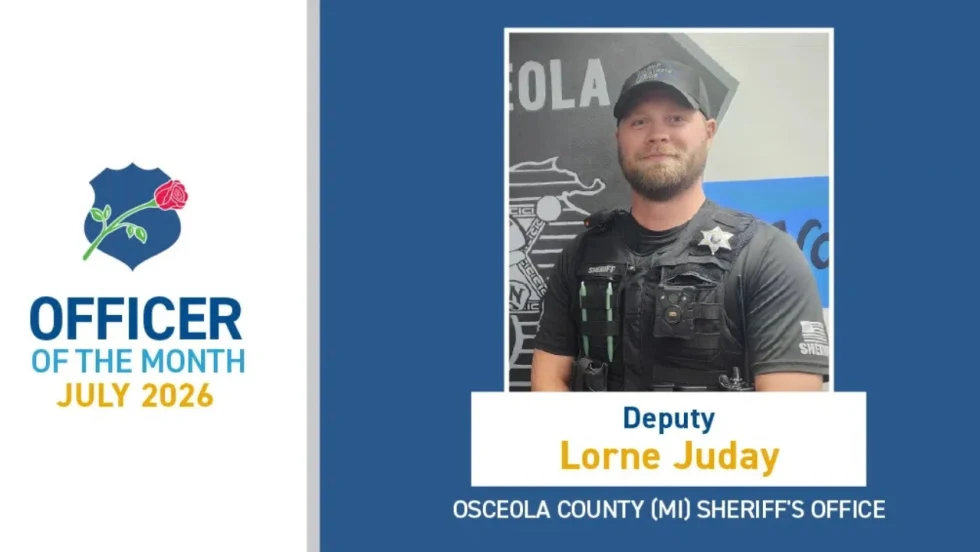
NLEOMF Announces July 2026 Officer of the Month
NLEOMF honored a Michigan deputy sheriff as the July 2026 Officer of the Month for rescuing a trapped driver from a burning vehicle following a Fourth of July crash.
Read More →
Streamlight to Showcase Newest Lighting Products at National Safety Council’s Safety Congress & Expo 2026
Streamlight will showcase its latest lights, including the Portable Scene Light III and the LiteBox 1Million, at the 2026 National Safety Council (NSC) Safety Congress & Expo.
Read More →
The 2027 World Police & Fire Games Set for Perth, Australia
The 2027 World Police & Fire Games (WPFG) will take place in Perth, Western Australia, from Friday, March 12 through Sunday, March 21, 2027.
Read More →
5.11 Partners with National Fallen Firefighters Foundation to Support #ForThe343
5.11 has joined the nationwide movement honoring the 343 New York City Fire Department firefighters lost on Sept. 11, 2001.
Read More →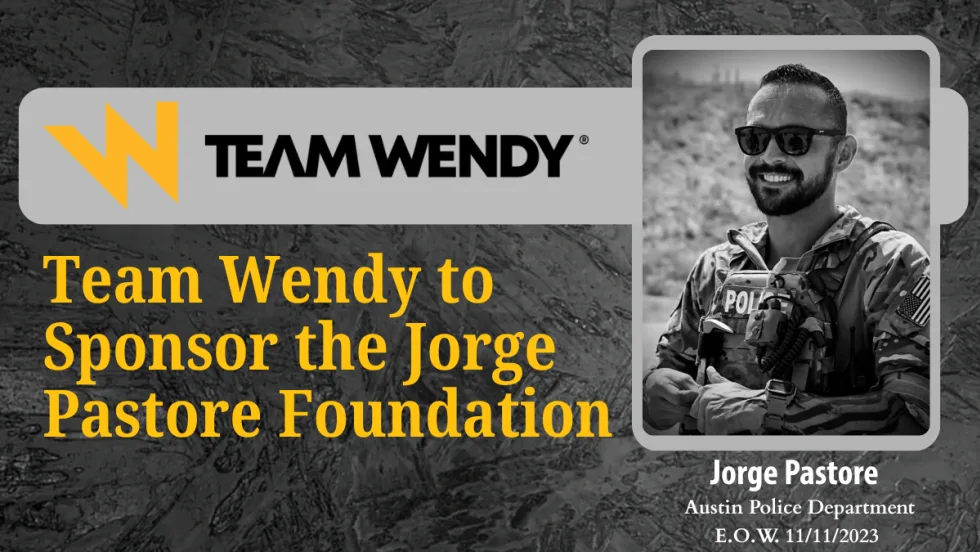
Team Wendy Announces Title Sponsorship of the Jorge Pastore Foundation
Team Wendy’s 3-year partnership with the Jorge Pastore Foundation expands access to programs that strengthen those who serve.
Read More →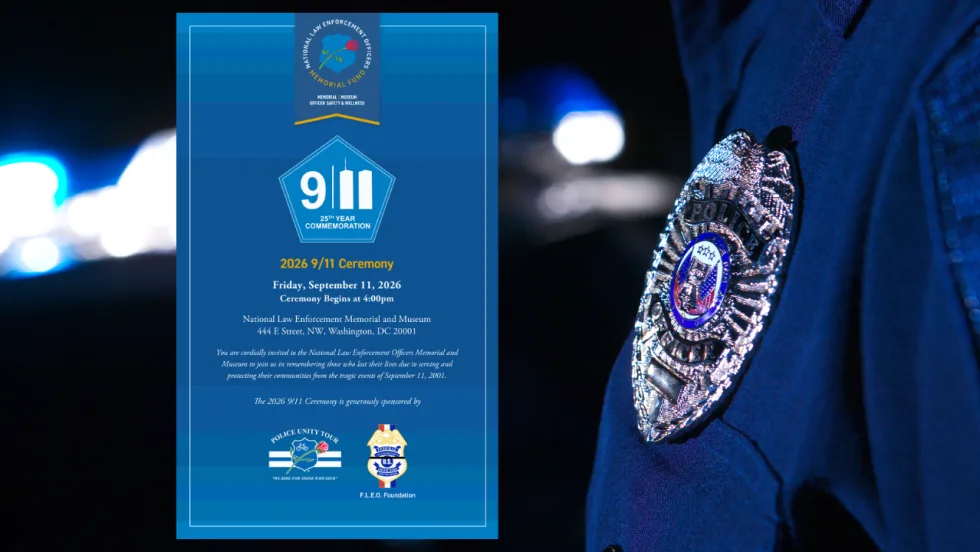
National Law Enforcement Memorial and Museum Hosting 9/11 25th-Year Commemoration Ceremony
The National Law Enforcement Memorial and Museum is hosting a 9/11 25th Year Commemoration Ceremony on Sept. 11 at 4 p.m.
Read More →
National Law Enforcement Officers Memorial Fund Announces June 2026 Officers of the Month
The National Law Enforcement Officers Memorial Fund (NLEOMF) named 15 officers of the Chico Police Department (California) as the Officers of the Month for June 2026 for their roles in responding to an active-shooter incident at a public library.
Read More →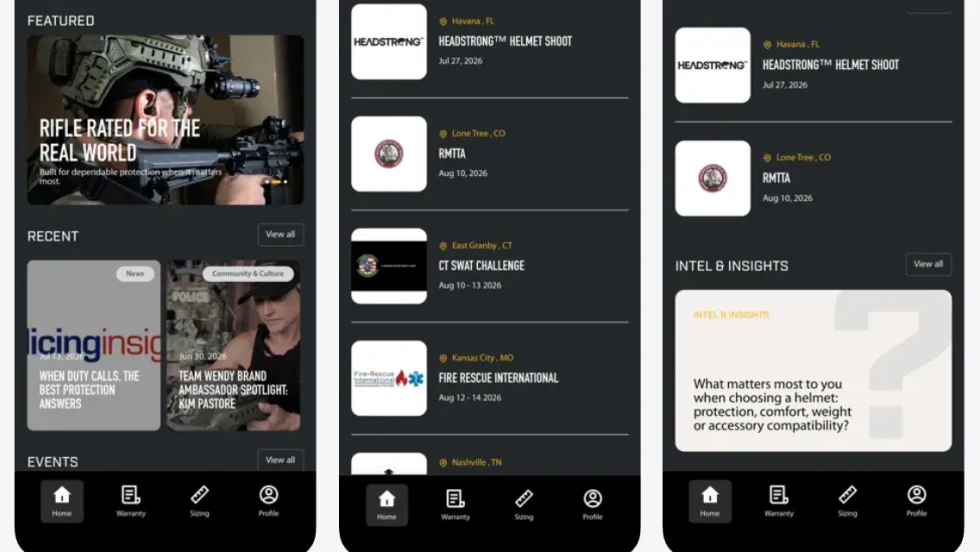
Team Wendy App Creates New Digital Hub for Helmet Owners
The Team Wendy Community App provides one location for warranty registration, size-fit tools, product updates, and community connection. For helmet owners, the new app creates a simpler path to the information and tools that matter most.
Read More →