



Cutting Car Costs
Keeping fleet operating costs under control is a top priority of police fleet managers, given the realities of budget shortfalls; however, with the 24/7 nature of patrol duty and other assignments, cutting operating costs can be a tall order. POLICE magazine spoke with fleet managers from large agencies throughout the country to find out how they do it.

Managers of police fleets deal with problems and challenges that their counterparts in private industry generally don’t have to face: tight budget constraints, vehicles constantly in motion or idling, specialty vehicles and equipment, and the requirement that fleet units be on the road 24/7 with backup vehicles always running and available.
Along with these constant operational demands, a police fleet manager must be able to work within the structure and culture of law enforcement. This can mean managing sworn and civilian staff and integrating the broader organizational management structure of the city (or other jurisdiction) with the specific culture and requirements of police work.
Keeping fleet operating costs under control is a top priority of police fleet managers, given the realities of budget shortfalls; however, with the 24/7 nature of patrol duty and other assignments, cutting operating costs can be a tall order. POLICE magazine spoke with fleet managers from large agencies throughout the country to find out how they do it.
Outsourcing Parts Operation
Michael Picardi, commissioner of the Department of Fleet Management for the City of Chicago, runs the entire city fleet operations: 13,000 pieces of equipment, approximately 4,000 of which are used by the Chicago Police Department. On Jan. 1, 2004, the police fleet became the final city agency to be integrated under the Department of Fleet Management. So far, the integration has been successful, Picardi says.
Picardi immediately included the police fleet under a parts outsourcing contract with the company NAPA Auto Parts. The program involved turning over the current parts inventory to NAPA, ordering and paying only for parts as needed.
This program allows the city to reduce its parts costs by automating the process and eliminating the need to restock the parts inventory, which can be wasteful and inefficient. It also means that police units are provided brand new parts. In the past, police fleet managers tried using salvage parts to save money. This brought with it hidden costs in replacement parts and labor when some of these salvage parts failed. Another problem: police officers didn’t feel as safe driving cars with used parts.
The NAPA system also facilitates warranty recovery. The Chicago PD fleet mainly operates Ford Crown Victoria patrol units. NAPA works closely with Ford to guarantee that the in-house warranty labor and parts are properly reimbursed to the city. During 2004, the city realized about $600,000 in warranty reimbursement related to the police fleet. Overall, the Department of Fleet Management has saved about $1 million for the police fleet as a consequence of its consolidation within the larger fleet operation through warranty recovery, the NAPA parts program, and other efficiencies of scale.
Another achievement coming out of the fleet integration is reducing the stock of out-of-service police units. Previously, the police fleet had 200 to 250 out-of-service units on a daily basis—vehicles that were being serviced and repaired. Picardi and his staff have lowered that number to 150 per day, a big improvement.
They accomplished this goal through enhancing the preventive maintenance (PM) program (a must, with all of the idling and stop-and-go driving), moving cars around the city to where they can be best utilized, and implementing a new policy. If a car comes in for service and it takes more than a half hour, it will be replaced with a spare. The fleet staff works hard to carefully monitor the number of out-of-service units, balancing them against the number of spares. “With a police fleet,” Picardi says, “you’re only as good as the number of spares you have available.”
Carefully Tracking Units
The San Diego Police Department runs about 1,600 pieces of equipment, 550 of which are marked patrol units, mainly Crown Vics. Since taking over the reins of the police fleet, Police Fleet Administrator John Alley has implemented a system of what he calls “micromanaging” each unit to make sure they’re getting the correct maintenance and service work and coming out of service at the right mileage interval.
Alley and his staff of 80 fleet employees utilize eight shops around the city to stay on top of vehicle servicing. Alley has been able to reduce maintenance and repair costs and lower the number of out-of-service units by using a computerized system to track each vehicle.
“We run bi-weekly, monthly, and annual cost reports on each vehicle and each type of vehicle,” Alley says. Alley and his staff carefully analyze and track these reports to look for trends with certain vehicles, and to know when a specific vehicle needs to be pulled for PM or more extensive service work.
Mechanics can authorize up to $200 and supervisors up to $500 without authorization for repairs and service. Beyond these amounts, the expenditure has to be authorized by a manager who takes into account the value of the vehicle and its mission requirements.
The San Diego PD uses a pool operation. Cars are assigned by shift and don’t stay with a specific officer. With overlap in shifts, some patrol units are running 10 to 20 hours a day, making tight PM procedures critical. Most units are serviced at 3,000- and 5,000-mile intervals, with different PM routines performed for each mileage level. Garage personnel use a standard paper checklist to guarantee all PM tasks are accomplished. With this type of pool operation, Alley and his fleet staff must also carefully make sure that no individual patrol unit is racking up high mileage; an overused patrol car might need to be re-deployed to a substation with lower mileage usage.
Another cost-saving strategy that Alley implemented was making sure nearly all of the fleet maintenance and repair work was done in house by city employees. “We do 95 percent of our maintenance in house,” he says. “The only functions outsourced are upholstery, radiators, and glass.” All body work is done by the department’s own body shops, a practice that has brought cost savings and time efficiencies to the fleet operations, given that police fleets are more prone to be involved in collisions than other types of fleets. The San Diego PD fleet also realizes substantial cost savings by having its in-house mechanics perform warranty work that is reimbursed by Ford and other OEMs.[PAGEBREAK]
Managing the Huge NYPD Fleet
The New York Police Department operates possibly the largest police fleet in the country, with about 7,760 units. Nearly 60 percent of these units are marked and unmarked patrol vehicles. The police fleet vehicles are used by more than 39,000 sworn officers.
“The biggest challenge for such a diversified fleet is availability of parts,” says Director Leonard Lesko. “NYPD has several methods of parts procurement in place to minimize downtime. Additionally, a number of procedures are in place to continually monitor vehicles requiring special orders.” The agency utilizes a contract to access parts from various warehouses around New York City. Parts are delivered daily directly to various repair facilities, minimizing the need to stock large quantities at each location. The system also has the added benefit of freeing up stockroom space in their facilities, Lesko says.
In terms of reducing fleet operating costs, the NYPD closely follows a six-point program, Lesko says: outsourcing selective repairs; purchasing extended manufacturer warranty repairs on most vehicles; performing warranty repairs in house for OEM reimbursement; utilizing a “best practice” system for repairs; leasing certain categories of vehicles and purchasing others as it makes the most sense on a financial basis; and operating a thorough and extensive PM program.
Preventive maintenance is performed based on each vehicle’s mission profile. For example, vehicles that idle while performing security functions at a sensitive location require PM intervals scheduled by hours of operation as opposed to the mileage criteria that a Highway Patrol vehicle might fall under.
The NYPD has been able to successfully utilize a salvage parts program, which makes use of parts retrieved from relinquished fleet vehicles. The program provides used parts when new parts aren’t immediately available, and further decreases downtime by providing pre-assembled and painted body parts for collision repairs.
Managing vehicle lifecycles and in-service periods is a critical function for containing operating costs. For the NYPD, vehicle replacement criteria are based on vehicle condition and cost-effectiveness of repairs. The number of vehicles kept beyond their intended lifecycle roughly equals the number that relinquished early due to accident or excessive wear.
Reducing Fuel Expense
Managing a police fleet in a large city has its own set of demands. But what about managing fleet operations throughout an entire state? State police vehicles put on a lot of miles patrolling highways and providing services in widely dispersed areas.
The Pennsylvania State Police operates a fleet of about 3,000 units consisting of patrol cars, vans, support vehicles, and motorcycles. Like most statewide police agencies, the Pennsylvania State Police patrols the state’s highways, provides direct police services to unincorporated areas, and performs a variety of investigative and support services, sometimes in conjunction with other agencies operating in the state.
This widely dispersed fleet is managed through a network of 16 troops and 14 bureaus located throughout the state. Each of the 16 troops is overseen by a commanding officer, which names an automotive officer responsible for fleet maintenance and daily operations. Each of the 16 troops reports to the commanding officer of each troop. Rick Binker, automotive officer for Pennsylvania State Police, assists the Department in setting the policy and assisting the troops in the enforcement of policies and procedures.
With the governor’s mandate that all state agencies review spending practices, Binker had to review all fleet policies and procedures to find savings. “Maintenance is where we found the biggest return,” Binker says. The Department implemented new policies for oil change intervals, checking brakes every 6,000 miles, and servicing transmissions every 30,000 miles. Servicing transmissions is especially important for a state police agency because of patrol mileage and mission requirements.
Controlling fuel costs is very difficult with a police fleet. Patrols have to be carried out, emergencies responded to, and vehicles many times must be kept running to power all the on-board equipment. The Pennsylvania State Police was able to realize fuel savings through a special order that the Department issued in July of last year. This new policy facilitated savings by encouraging car pooling to meetings, adding more stationary patrols if conditions warrant it, using videoconferencing when appropriate, removing unnecessary equipment from the trunks of vehicles to make them lighter, less idling especially in unoccupied vehicles, and strict enforcement of tune-ups and regular tire pressure monitoring.
Commonwealth of Pennsylvania’s fleet operations, including all state agencies, along with municipalities and universities, benefit from purchasing new equipment and parts through contracts negotiated by the Department of General Services, which pools and leverages the state’s volume purchasing power. Binker, along with fleet managers of other state agencies, has participated in a “strategic sourcing” process through the Department of General Services, which requires fleet managers and other department heads to reevaluate their purchasing practices and vendor relationships, looking for ways to save more money. “It’s forced us to do things differently and still meet the needs of individual agencies,” Binker says.
Take-Home Program
The Daytona Beach (Fla.) Police Department operates 340 fleet vehicles: 140 marked Crown Vic patrol units, 16 motorcycles, 10 sport utility vehicles, and mainly unmarked cars for investigative and administrative duties (mainly Crown Vics and Chevy Impalas). While he maintains a smaller fleet than others profiled in this article, Fleet Manager Jon Crull faces the same mandates for cost cutting as his counterparts at major law enforcement agencies.
One of Crull’s biggest successes has been implementing a “Take Home” fleet vehicle program for both marked and unmarked vehicles in which officers take police vehicles home. The program, now in its fifth year, is about 70 percent of the way implemented. The program has given Daytona Beach officers a sense of ownership in their vehicles. “The user will keep the vehicle cleaner, inspect it on a regular basis, answer up to damage, and generally take more pride,” says Crull.
Maintenance and repair costs have gone down on the program vehicles. Officers take better care of the vehicles than pool cars, largely because no one else can be blamed for poor care. They also don’t run the vehicles as hard, which is better for fuel mileage. Another added benefit to the take-home program: it gives the public a perception of having more police presence throughout the city.
Like other police fleet managers, Crull is vigilant about vehicle maintenance. He directs his mechanics to pull wheels apart and check all the vulnerable parts including the steering gear, tie rods, suspension, brakes, mounts, and exhaust system. He uses the Faster system supplied by CCG Systems (of Norfolk, Va.), which allows the fleet to flag cars due for service, warranty issues, and parts replacement.
Crull and his staff have installed hour meters on each fleet vehicle to track usage. Crull has found that the number of hours a car is used is a more important indicator of necessary replacement cycles for fleet vehicles than mileage. Fleet vehicles for the Daytona Beach PD are generally pulled out of service for replacement after 7,000 hours of operation.
For all the differences at law enforcement agencies across the country, every police fleet can benefit from cost-saving measures. No matter how minimal the difference may seem, more efficient practices can only help, especially in these budget-tight times.
Jon LeSage is a freelancer based in Southern California. He has 15 years of experience as a journalist.
More Vehicle Ops
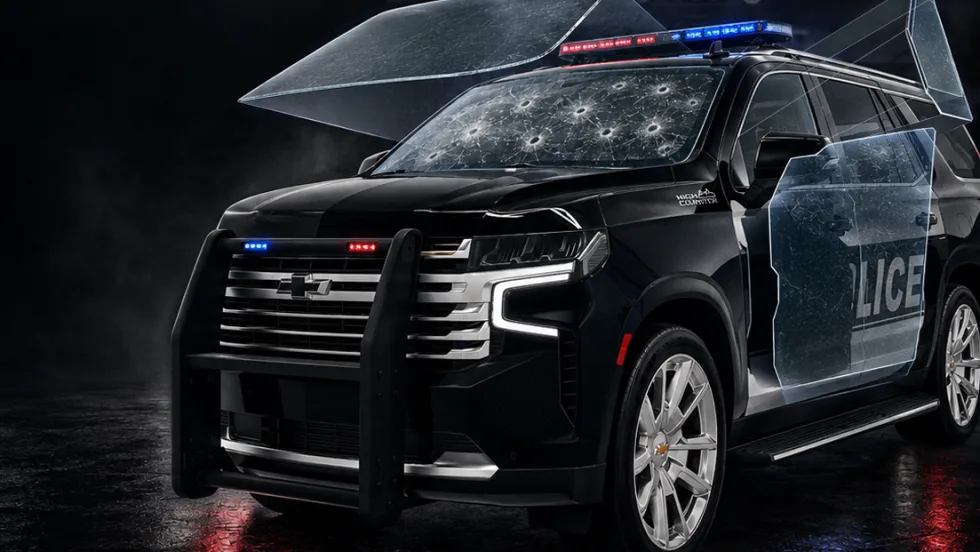
It’s an Ambush: How Ballistic Glass Redefines Patrol Vehicle Safety
Dana Safety Supply is setting a new standard for officer safety with windshields capable of withstanding multiple rounds and saving lives — and one Texas deputy is living proof.
Read More →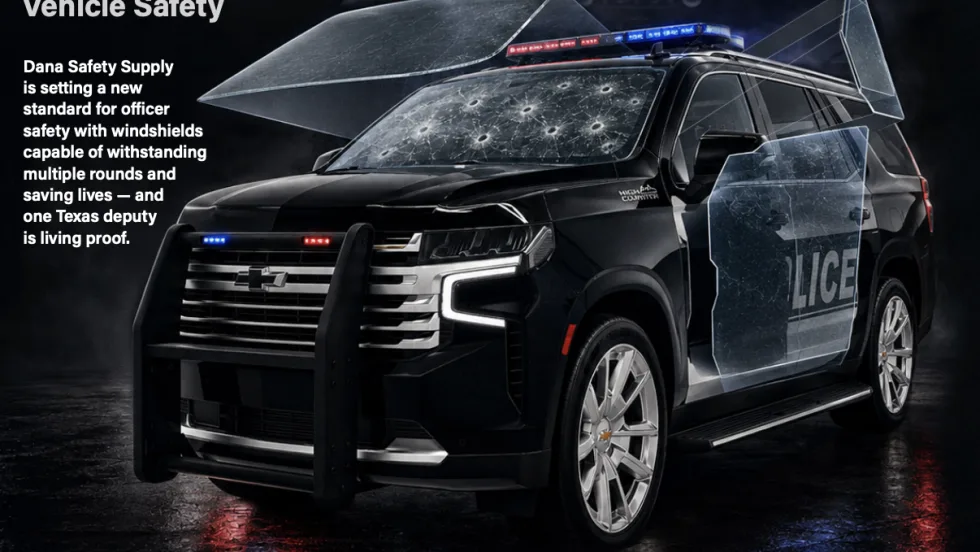
Dana Safety Supply’s BallisTech Vehicle Armoring Solutions
Dana Safety Supply is setting a new standard for officer safety with windshields capable of withstanding multiple rounds and saving lives.
Read More →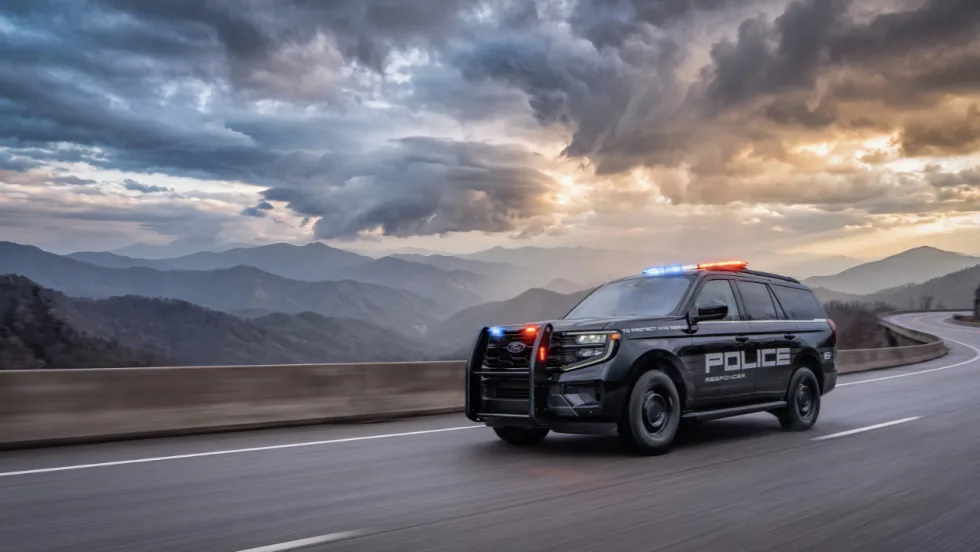
Ford Showcases 2028 Ford Expedition Police Responder
Ford showcased its 2028 Ford Expedition Police Responder, a full-size, pursuit-rated utility vehicle, at Police Fleet Expo this week. It comes standard with 4x4 and a 3.5-liter EcoBoost V6 producing 400 horsepower and 480 lb.-ft. of torque.
Read More →
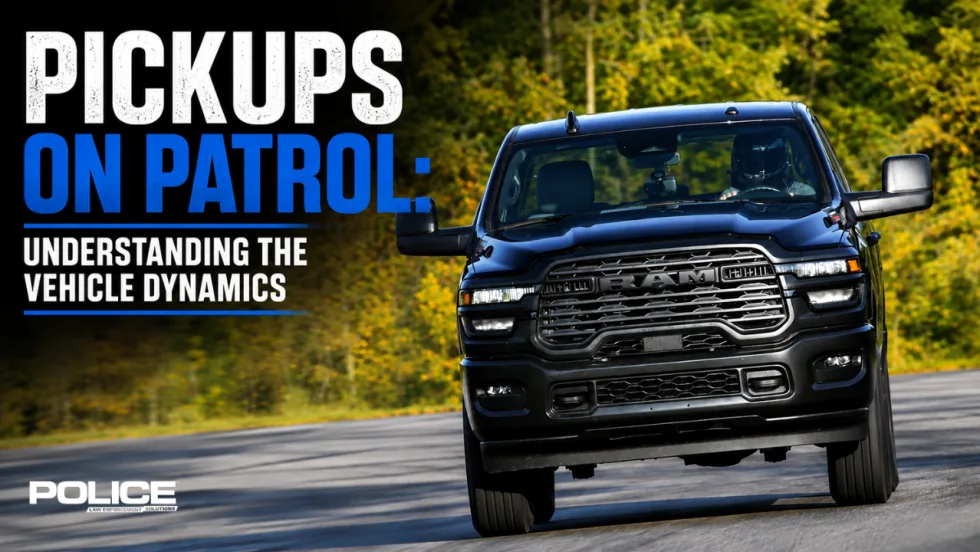
Pickups on Patrol: Understanding the Vehicle Dynamics
Pickup trucks are not new to patrol duties, but with the debut of the 2027 Ram 2500 Emergency Response Vehicle, they are getting larger and heavier. POLICE reached out to the Michigan State Police Precision Driving Unit to learn more about pickup truck handling, vehicle dynamics, and what officers need to know.
Read More →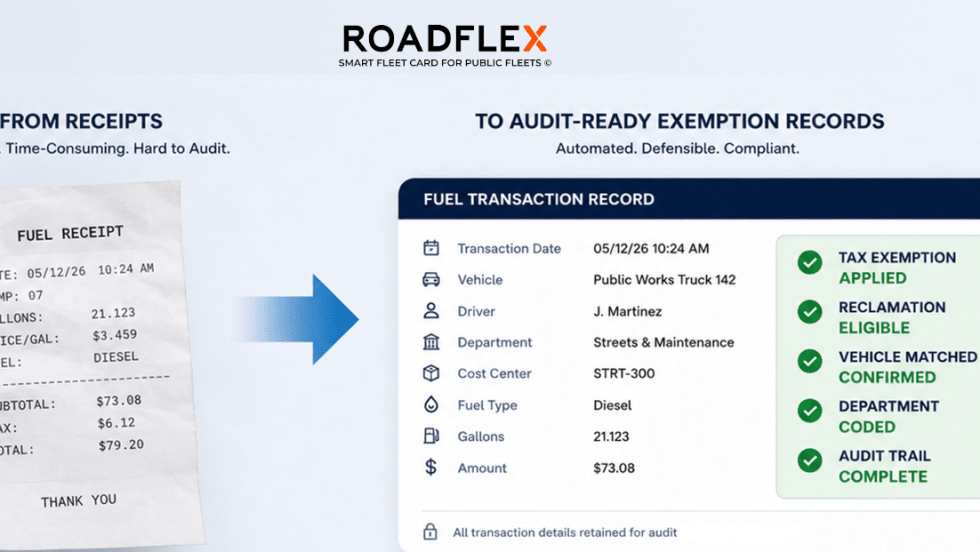
RoadFlex Brings Fuel Tax Compliance & Audit-Ready Reporting to Government Fleets
RoadFlex now offers its capabilities to help public-sector fleets streamline fuel tax exemptions, reclamation, reconciliation, and audit-ready reporting.
Read More →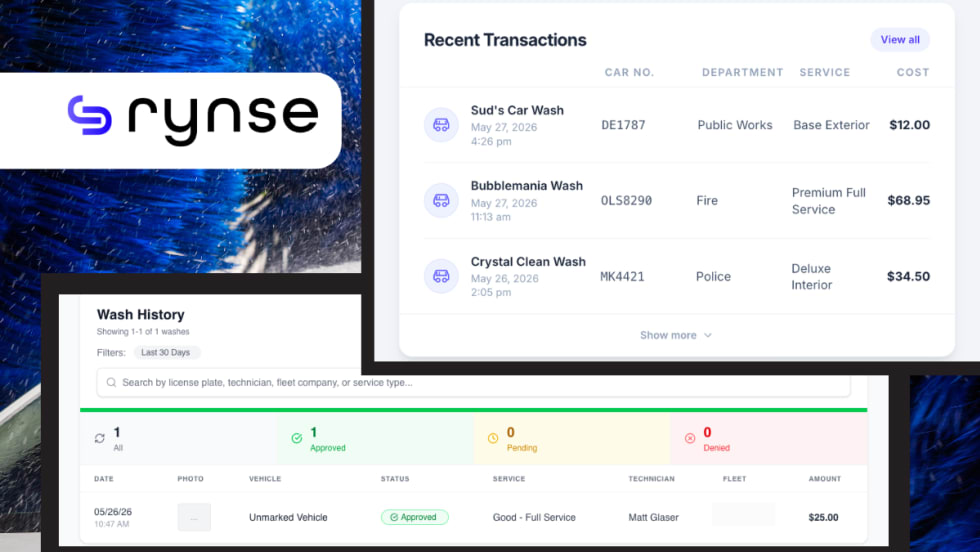
Rynse Awarded Cooperative Purchasing Contract, Expanding Nationwide Fleet Wash Access for Law Enforcement
Rynse has secured a 2026-2027 NCSA contract, giving law enforcement agencies nationwide fast-track access to its fleet wash network and management platform, which streamlines procurement, reduces administrative burdens, and helps fleets stay road-ready with greater oversight.
Read More →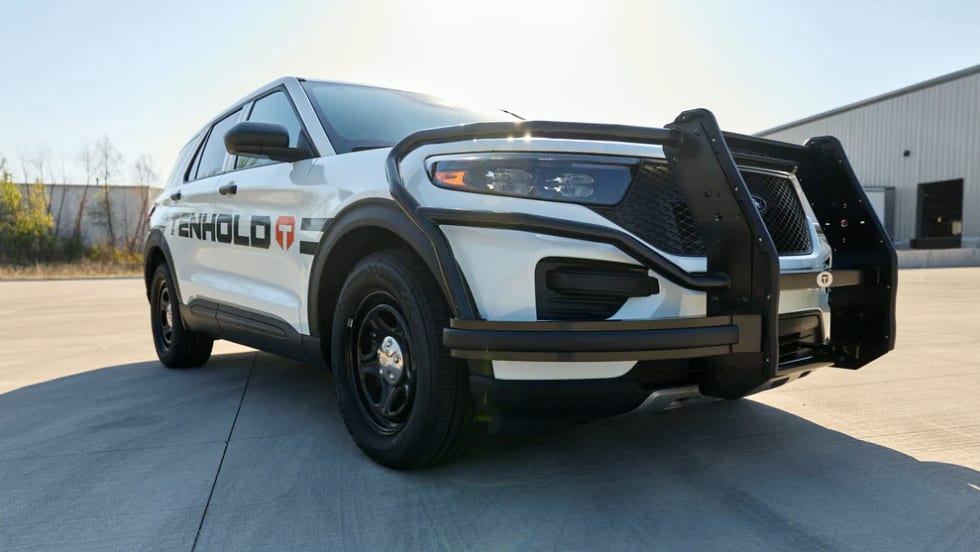
Tenhold Introduces Suppressor Gun Rack System
Tenhold, formerly Jotto Desk, provides next-generation vehicle systems for law enforcement and public safety and recently debuted its Suppressor Lock Head for its Weapon Mounting system.
Read More →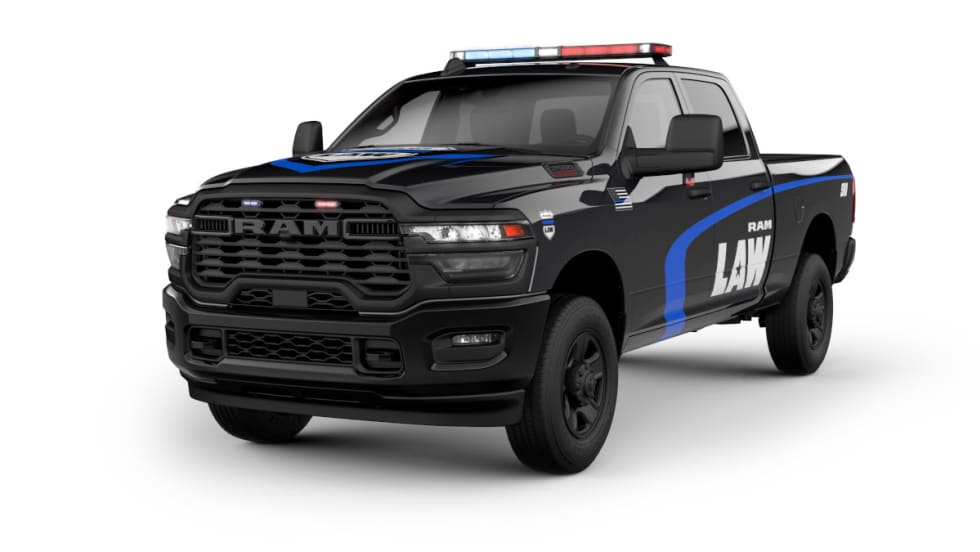
Ram Debuts Pursuit-Capable 2500 Emergency Response Vehicle
The 2027 Ram 2500 Emergency Response Vehicle is the first and only ¾-ton truck to complete the Michigan State Police vehicle trials, and Ram said it delivered outstanding performance in testing scenarios designed to replicate extreme real-world duty.
Read More →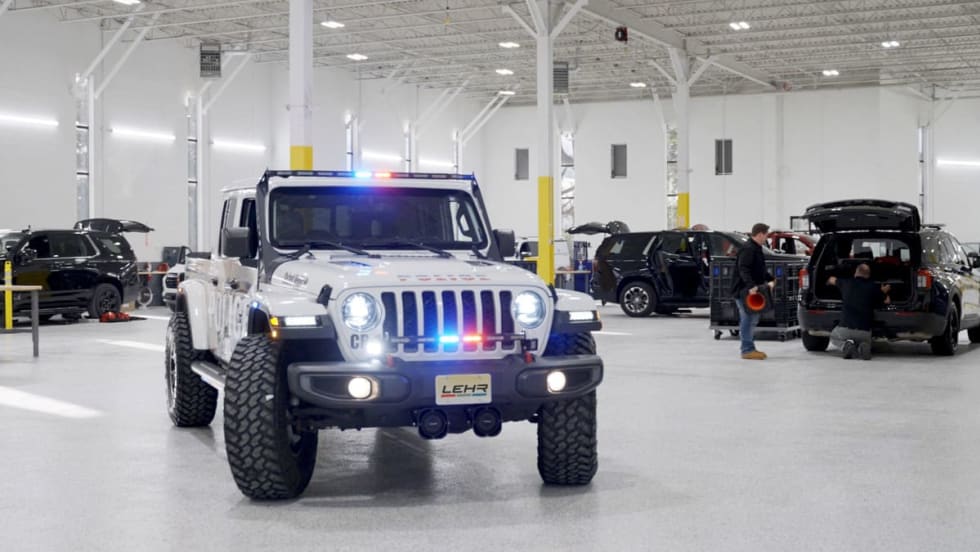
Emergency Vehicle Upfitter LEHR Opens New Facility in New Jersey
LEHR’s new centralized upfitting facility in New Jersey consolidates operations to deliver faster turnaround times and enhanced fleet capacity for law enforcement agencies across the Northeast.
Read More →
North Carolina Sheriff’s Office Improves Fueling Reliability & Operational Control
The Madison County Sheriff’s Office overcame fuel management and accounting challenges by turning to RoadFlex to improve fueling reliability, visibility, and administrative control.
Read More →