



Illegal Immigrants Setting Wildfires to Deter Law Enforcement
Foreign immigrants seeking to sneak across the U.S. border illegally are setting wildfires as a means to "smoke-out" observation posts and patrol routes, therefore hindering border agents attempting to do their jobs.

Foreign immigrants seeking to sneak across the U.S. border illegally are setting wildfires as a means to "smoke-out" observation posts and patrol routes, therefore hindering border agents attempting to do their jobs.
The wildfires have resulted in the destruction of some of the nation's most pristine national forests and pose an ongoing threat to visitors, residents, and responding firefighters. According to law enforcement agencies, attending to and extinguishing intentionally set fires often requires the assistance of law enforcement agents, which enables armed smugglers of aliens and drugs to enter the country illegally.
For instance, in the Coronado National Forest in Arizona, with 60 miles of land along the U.S.-Mexico border, U.S. Forest Service firefighters sent in to battle fires or clear wild land fire areas are required to be escorted by armed law enforcement officers.
"Criminal activity by both illegal immigrants and citizens in forests near the border is a threat to members of the public trying to use their public lands and to our employees trying to manage these lands," says Tina J. Terrell, a Forest Service supervisor. "Our officers risk their lives every day to enforce the law in these remote federally managed lands."
Terrell told a House subcommittee last month that law enforcement personnel have been assaulted, threatened with weapons, and shot at, and their vehicles have been rammed by cross-border violators, but that due to the remoteness of the area and radio frequency jamming, timely assistance from other law enforcement agencies is not always possible, which in turn creates additional safety risks.
More Training
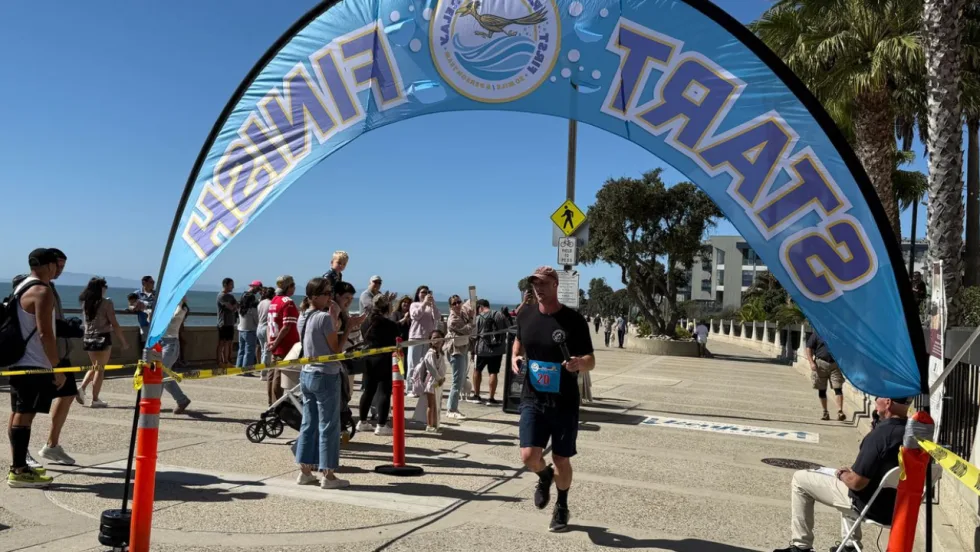
Registration Underway for Sixth Annual First Responders Relay
The California Police Athletic Federation’s annual First Responder Relay will welcome first responder teams from across the globe to compete along Ventura's scenic coastline on Oct. 11. Registration is underway.
Read More →
Vector Solutions Launches Comprehensive Online Dispatch Training Catalog for Emergency Communications Professionals
Vector Solutions’ new catalog of 35 expert-developed online courses can help emergency communication centers strengthen training, meet certification requirements, and simplify continuing education.
Read More →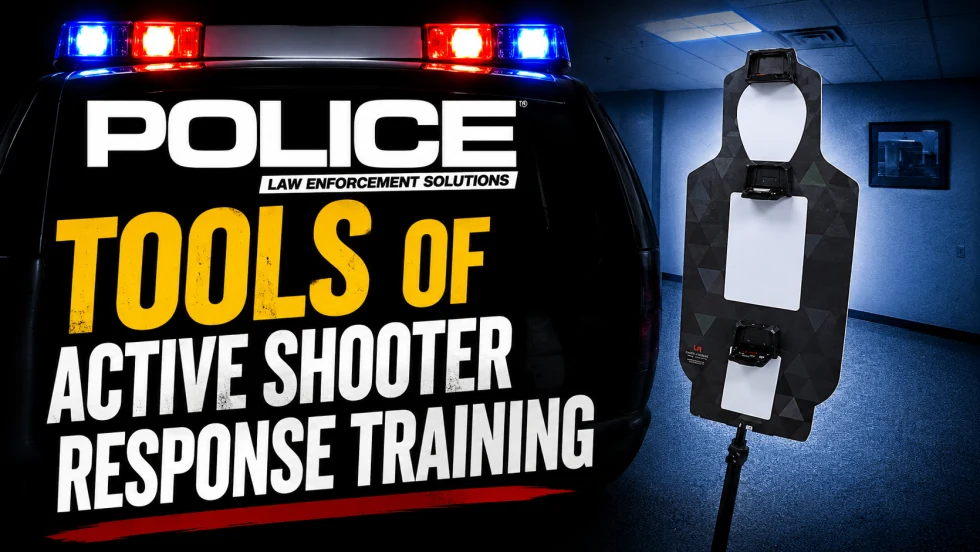
Tools for Active Shooter Response Training
What technologies help prepare officers for active shooter response situations? This behind-the-scenes look at law enforcement training explores shot simulators, smart firearms, laser target systems, and the tools used to build safer, more effective training environments.
Read More →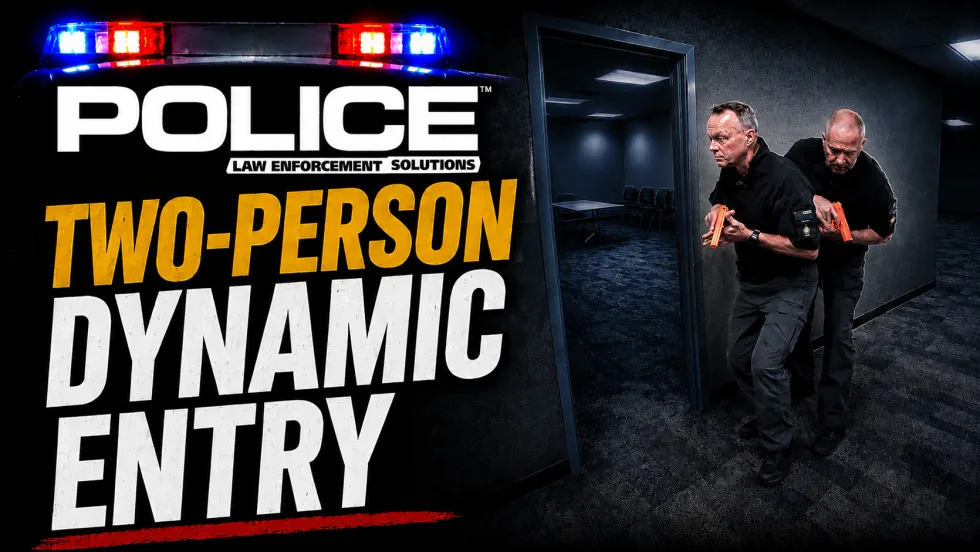
Two-Officer Tactical Doorway Entry Techniques
Entering a room during active-threat situations requires communication, coordination, and disciplined tactical movement. In this video, trainers from the United States Deputy Sheriff’s Association demonstrate critical room entry concepts, including fatal funnel awareness, team coordination, and safe tactical movement.
Read More →
High Compressed Ready Explained | Muzzle Control For Room Entry
In this video, Mike Willis, law enforcement national training and program director for the United States Deputy Sheriffs’ Association, demonstrates the high compressed ready position and discusses muzzle control during room entry.
Read More →
Why Attend the DroneSense Innovation Summit by Versaterm?
Let’s hear from Ryan Bracken, head of product, about why your agency should send someone to the first annual DroneSense Innovation Summit by Versaterm in April.
Read More →
Caswell Live Fire Spins Off from InVeris
Caswell Live Fire has spun off from parent company InVeris, coinciding with the 100th anniversary of Caswell’s founding. Over the past 100 years, Caswell has developed pioneering solutions that support military, law enforcement, and commercial clients worldwide.
Read More →
When Do You Transport a Wounded Officer Instead of Waiting for EMS?
Thumbnail for video series POLICE Topics, Tactics & Tips with a yellow headline that reads When Do You Transport a Wounded Officer Instead of Waiting for EMS?
Read More →
How to Pick Your High-Risk Stop Location for Tactical Advantage
Hear veteran trainer Mike Willis, of the United States Deputy Sheriff’s Association, explain several considerations that can help you wisely pick your best spot to initiate high-risk or felony traffic stops.
Read More →
Coffee Break with Police Experts: Using Your Patrol Vehicle for Cover
In this video, hear from Dustin Mowery, a product specialist at Team Wendy, as he discusses how to best use a patrol vehicle for cover.
Read More →