



Camden County Officers Begin Patrolling City
The first wave of officers from the newly constituted Camden County Police Department's Metro Division hit the streets Monday to curb violent crime, rampant drug dealing, and prostitution in one of the country's most dangerous jurisdictions.

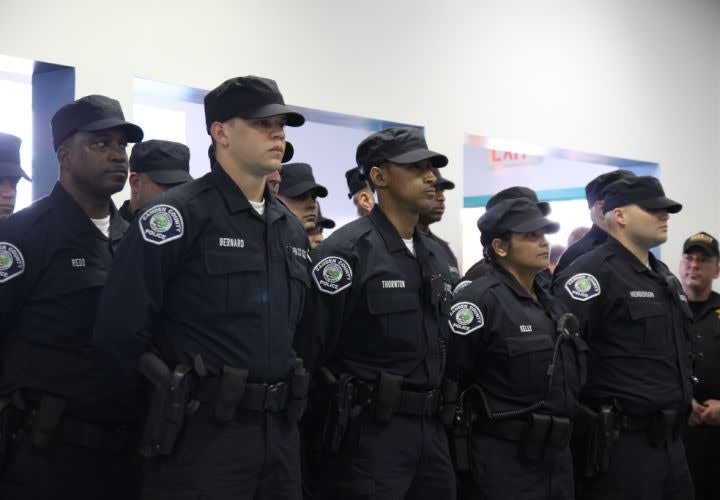
The Camden County PD's Metro Division swore in the first group of officers. Photo courtesy of Camden County.
The first wave of officers from the newly constituted Camden County Police Department's Metro Division hit the streets Monday to curb violent crime, rampant drug dealing, and prostitution in one of the country's most dangerous jurisdictions.
The county policing agency will gradually replace the Camden (N.J.) Police Department, which will be dissolved by April 30, and provide law enforcement services with a blend of former city officers, laterals from smaller agencies, special officers who will receive additional training, and civilian police aides.
The Camden County Board of Freeholders picked Camden Police Chief Scott Thompson to lead the new agency, which will eventually reach 401 sworn officers later this year. On Monday, 61 former Camden PD officers were sworn into the ranks of the county agency.
"These sworn police officers will stabilize Camden city and make Camden County a safer place to live," said Freeholder Director Louis Cappelli, Jr. "The status quo in our county seat is unacceptable and the level of violence cannot continue over the nine square miles of the city."
New officers will be paired with former city officers for an eight-week field training program to help familiarize the new officers with the city. On Monday, 24 new officers joined the former city officers as field trainees, the county announced.
"Basically their mission yesterday was they went out in the streets and made their presence known," Ron Tomasello, a county spokesman, told POLICE Magazine. "The Camden County Police Department will put more officers on the street than the Camden city department was able to with their resources."
The agency will also send 66 Class II Special Officers—seasonal officers often used in beachside communities—to a three-week training course. The New Jersey Police Training Commission has approved the course for these back-up officers who now have full police powers, but may not carry a firearm off duty. Standard police training in New Jersey lasts 26 weeks.
The Metro Division will also hire more than 50 civilian police aides to help at crime scenes, operate video surveillance cameras, and respond to nonviolent crimes. About 1,300 people have applied for these positions.
The new agency will be funded through city property tax revenue and state funds for municipal aid. Earlier this year, the state granted the Freeholder Board $7.5 million in start-up funding for the agency. With that funding, the agency has hired 268 officers and purchased Dodge Charger Pursuit patrol cars, body armor, uniforms, side arms, and badges.
In 2012, Camden recorded 67 homicides, breaking a record set in 1995. So far this year, the city has already doubled its homicide rate. Drug dealing has overrun some 170 city blocks, according to the agency. In January, CQ Press rankings listed Camden as the city with the highest crime rate in the nation.
By Paul Clinton
More Training
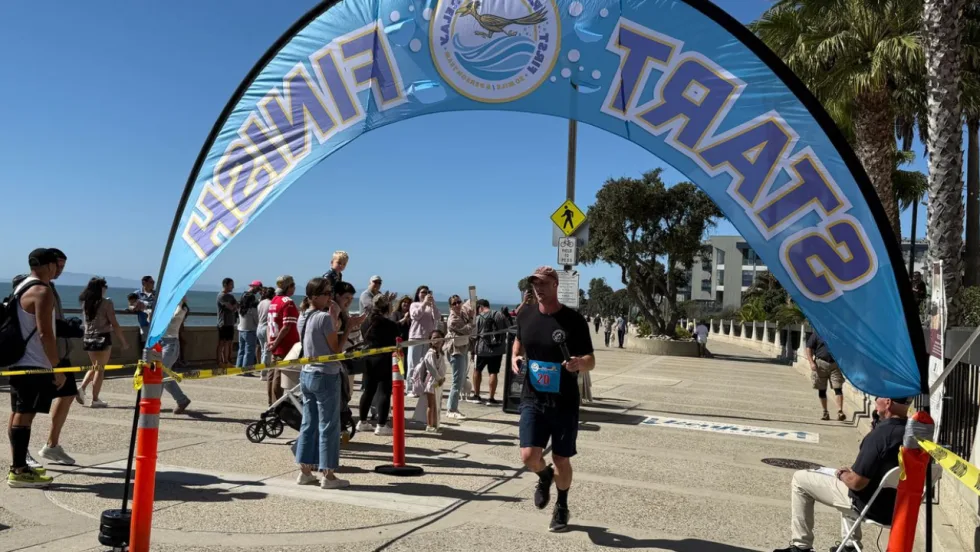
Registration Underway for Sixth Annual First Responders Relay
The California Police Athletic Federation’s annual First Responder Relay will welcome first responder teams from across the globe to compete along Ventura's scenic coastline on Oct. 11. Registration is underway.
Read More →
Vector Solutions Launches Comprehensive Online Dispatch Training Catalog for Emergency Communications Professionals
Vector Solutions’ new catalog of 35 expert-developed online courses can help emergency communication centers strengthen training, meet certification requirements, and simplify continuing education.
Read More →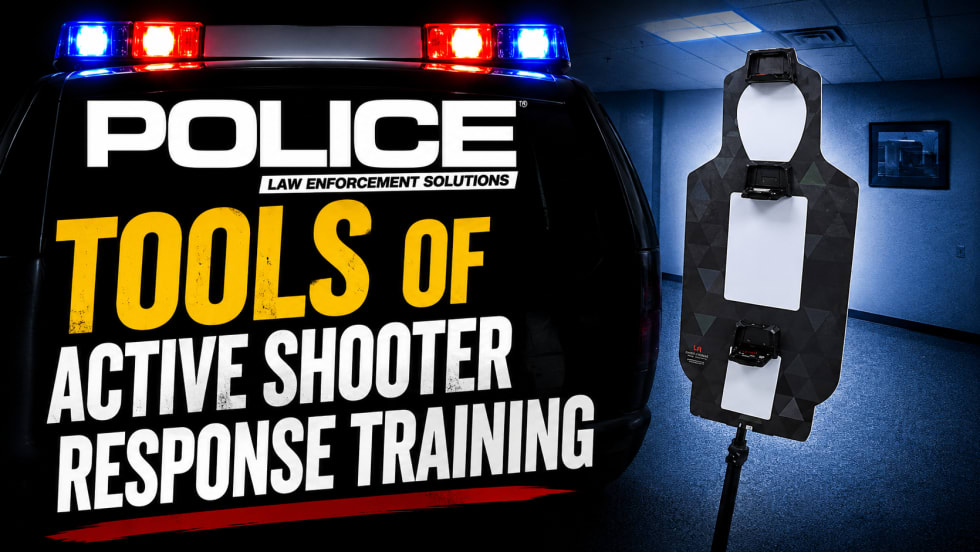
Tools for Active Shooter Response Training
What technologies help prepare officers for active shooter response situations? This behind-the-scenes look at law enforcement training explores shot simulators, smart firearms, laser target systems, and the tools used to build safer, more effective training environments.
Read More →
Two-Officer Tactical Doorway Entry Techniques
Entering a room during active-threat situations requires communication, coordination, and disciplined tactical movement. In this video, trainers from the United States Deputy Sheriff’s Association demonstrate critical room entry concepts, including fatal funnel awareness, team coordination, and safe tactical movement.
Read More →
High Compressed Ready Explained | Muzzle Control For Room Entry
In this video, Mike Willis, law enforcement national training and program director for the United States Deputy Sheriffs’ Association, demonstrates the high compressed ready position and discusses muzzle control during room entry.
Read More →
Why Attend the DroneSense Innovation Summit by Versaterm?
Let’s hear from Ryan Bracken, head of product, about why your agency should send someone to the first annual DroneSense Innovation Summit by Versaterm in April.
Read More →
Caswell Live Fire Spins Off from InVeris
Caswell Live Fire has spun off from parent company InVeris, coinciding with the 100th anniversary of Caswell’s founding. Over the past 100 years, Caswell has developed pioneering solutions that support military, law enforcement, and commercial clients worldwide.
Read More →
When Do You Transport a Wounded Officer Instead of Waiting for EMS?
Thumbnail for video series POLICE Topics, Tactics & Tips with a yellow headline that reads When Do You Transport a Wounded Officer Instead of Waiting for EMS?
Read More →
How to Pick Your High-Risk Stop Location for Tactical Advantage
Hear veteran trainer Mike Willis, of the United States Deputy Sheriff’s Association, explain several considerations that can help you wisely pick your best spot to initiate high-risk or felony traffic stops.
Read More →
Coffee Break with Police Experts: Using Your Patrol Vehicle for Cover
In this video, hear from Dustin Mowery, a product specialist at Team Wendy, as he discusses how to best use a patrol vehicle for cover.
Read More →