



Disability Pay: Adding Insult to Injury
Our injured federal officers are humble, honorable Americans who sacrificed to serve our great nation. Yet certain members of the Senate opt to ignore the sacrifice of these men and women, and now attack their means to survive.

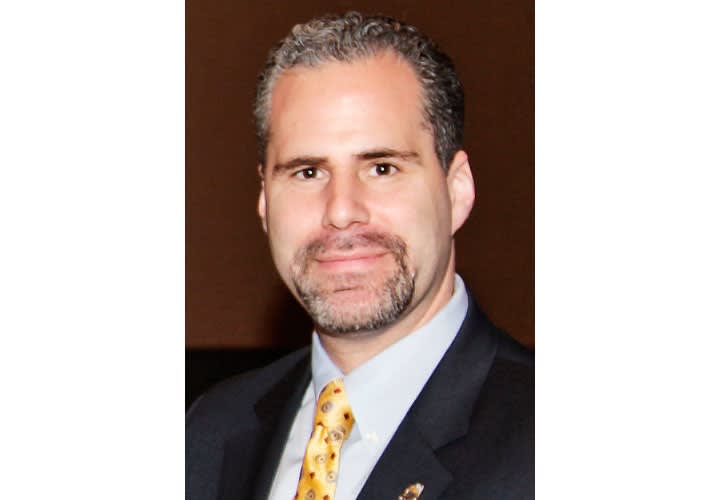
Photo courtesy of Jon Adler.
Before retreating to summer recess, the Senate introduced the Postal Reform Act of 2013 (S. 1486), which would impact injured federal law enforcement officers currently on disability if it became law.
Introduced by Sen. Tom Carper (D-Del.) and Sen. Tom Coburn (R-Okla.), this bill includes the Worker's Compensation Act of 2013, which would remove retired Navy SEAL and Air Marshal Don Tyson from disability, and force him into a retirement pay level that's about 17% less than his current pay.
The Senate's rationale for booting heroically injured federal officers onto a lower disability pay system is that, according to Sen. Susan Collins (R-Maine), there are an untold number of government employees who are milking disability and collecting more money than they deserve. So rather than direct the Inspector General's Office to aggressively pursue cases of fraud, the Senate instead elects to treat all injured government employees as if they're scamming Uncle Sam.
Each year, approximately 300 federal law enforcement officers sustain severe line-of-duty injuries from violent physical encounters, vehicular accidents, exposure to toxins and hazardous materials, and training incidents.
Our injured federal officers are humble, honorable Americans who sacrificed to serve our great nation. Yet certain members of the Senate opt to ignore the sacrifice of these men and women, and now attack their means to survive.
Fortunately, the House has been more supportive on this issue. On July 21, 2010, I testified before the House Oversight and Government Reform Committee about who would be impacted by the Senate's legislative attack. During that testimony I cited five examples of officers who would be negatively impacted by Senate bill 1486:
Secret Service Special Agent Mike Vaiani helped evacuate injured civilians from 7 World Trade Center on 9/11. In the process, Vaiani sustained devastating injuries to his neck, shoulders, and back. Today, he continues to endure severe upper body pain while the Office of Workers Compensation Program (OWCP) bills him for alleged overpayments.
Postal Inspector Bill Paliscak responded to the crime scene and was exposed to a contaminated sorting machine filter when anthrax-contaminated mail was sent through the Brentwood postal facility in 2001. Days later, he became deathly ill. After eight months of denying his claim, OWCP finally recognized Paliscak was exposed to Anthrax spores. As a result of OWCP's delay, Paliscak's credit was ruined and his health declined rapidly.
Secret Service Special Agent Paul Buta was with his family at a mall in 2006 when he was shot while effectively stopping a brutal assault. Buta saved a man from a severe gang-related beating, he also successfully returned fire and disabled a homicidal gunman. As a result of the gunshot wound and bullet fragments lodged in his leg, Buta continues to suffer from severe atrophy to his leg muscle. Once again, OWCP failed to process a claim and pay medical bills timely, which limited Buta's treatment and caused a financial hardship.
Special Agent Tim Chard was assigned to a narcotics task force that executed more than 100 warrants on meth labs. At the end of 2008, Chard began to suffer from severe medical symptoms that have been connected to excessive exposure to meth lab toxins. While his health declined at an alarming rate, OWCP continued to deny Chard's claims. Fortunately, Chard is a veteran and had access to the VA hospital. His attending physician informed Tim that all his organs seemed to be shutting down. Chard prevailed on an appeal, and OWCP is now covering his claims.
Dep. U.S. Marshal Jason Matthew was stabbed by an inmate who used an HIV-contaminated edged weapon. While at the hospital, Matthew learned that the inmate tested positive for HIV. The hospital immediately gave him medication to combat the HIV exposure. OWCP initially denied Matthew's claim since he hadn't actually been diagnosed with HIV. The Marshals Service stepped up and ensured he would have the means to pay for his medication.
None of these heroes complains about their sacrifices.
While there is an absolute need to address fraud and those who exploit the Federal Employee Compensation Act (FECA), this should not include lowering the disability pay of injured law enforcement heroes. When the Senate reconvenes in September, Sens. Carper and Coburn should rename The Worker's Compensation Act to reflect its true intent: The Balance the Budget on the Backs of Disabled Law Enforcement Veterans Act of 2013. They should also issue an apology to these injured heroes.
More Training
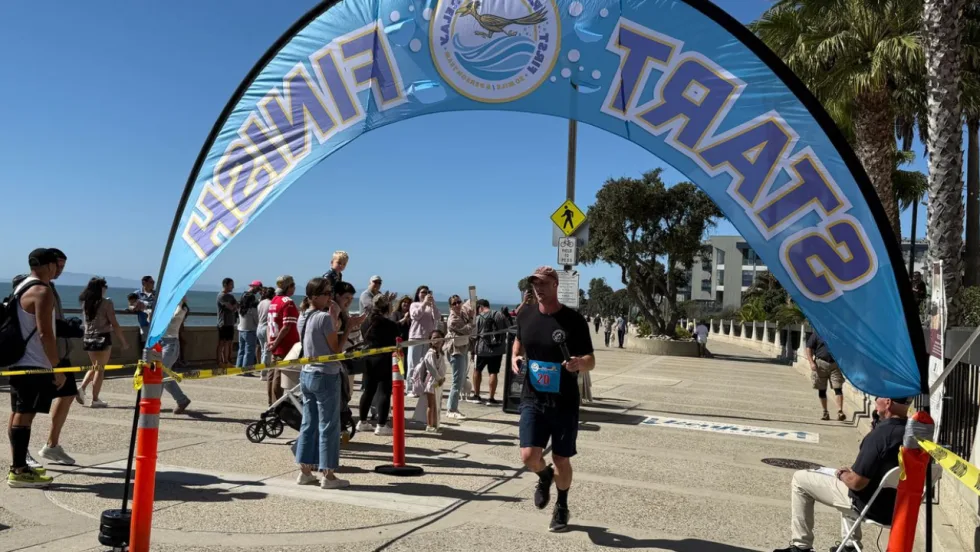
Registration Underway for Sixth Annual First Responders Relay
The California Police Athletic Federation’s annual First Responder Relay will welcome first responder teams from across the globe to compete along Ventura's scenic coastline on Oct. 11. Registration is underway.
Read More →
Vector Solutions Launches Comprehensive Online Dispatch Training Catalog for Emergency Communications Professionals
Vector Solutions’ new catalog of 35 expert-developed online courses can help emergency communication centers strengthen training, meet certification requirements, and simplify continuing education.
Read More →
Tools for Active Shooter Response Training
What technologies help prepare officers for active shooter response situations? This behind-the-scenes look at law enforcement training explores shot simulators, smart firearms, laser target systems, and the tools used to build safer, more effective training environments.
Read More →
Two-Officer Tactical Doorway Entry Techniques
Entering a room during active-threat situations requires communication, coordination, and disciplined tactical movement. In this video, trainers from the United States Deputy Sheriff’s Association demonstrate critical room entry concepts, including fatal funnel awareness, team coordination, and safe tactical movement.
Read More →
High Compressed Ready Explained | Muzzle Control For Room Entry
In this video, Mike Willis, law enforcement national training and program director for the United States Deputy Sheriffs’ Association, demonstrates the high compressed ready position and discusses muzzle control during room entry.
Read More →
Why Attend the DroneSense Innovation Summit by Versaterm?
Let’s hear from Ryan Bracken, head of product, about why your agency should send someone to the first annual DroneSense Innovation Summit by Versaterm in April.
Read More →
Caswell Live Fire Spins Off from InVeris
Caswell Live Fire has spun off from parent company InVeris, coinciding with the 100th anniversary of Caswell’s founding. Over the past 100 years, Caswell has developed pioneering solutions that support military, law enforcement, and commercial clients worldwide.
Read More →
When Do You Transport a Wounded Officer Instead of Waiting for EMS?
Thumbnail for video series POLICE Topics, Tactics & Tips with a yellow headline that reads When Do You Transport a Wounded Officer Instead of Waiting for EMS?
Read More →
How to Pick Your High-Risk Stop Location for Tactical Advantage
Hear veteran trainer Mike Willis, of the United States Deputy Sheriff’s Association, explain several considerations that can help you wisely pick your best spot to initiate high-risk or felony traffic stops.
Read More →
Coffee Break with Police Experts: Using Your Patrol Vehicle for Cover
In this video, hear from Dustin Mowery, a product specialist at Team Wendy, as he discusses how to best use a patrol vehicle for cover.
Read More →