



Reviewing Reports
The success or failure of any law enforcement agency revolves around the quality of its paperwork. As a supervisor you must set high standards early on to ensure success. Everything you approve will have your name on it, and thus your subordinates' reports become yours.

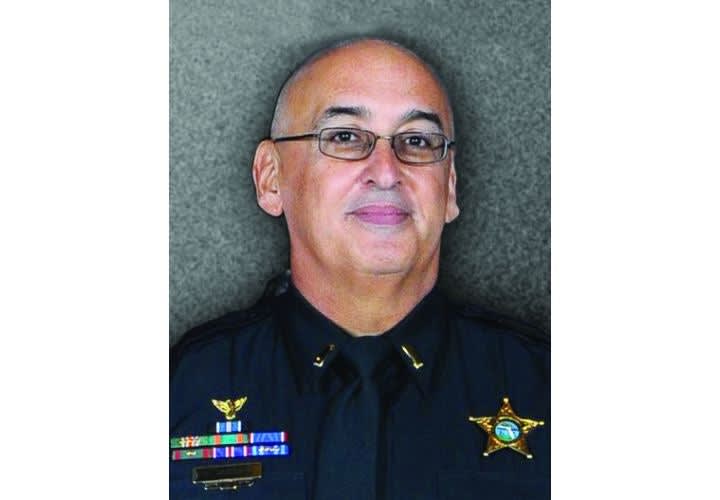
Photo: Amaury Murgado
The success or failure of any law enforcement agency revolves around the quality of its paperwork. As a supervisor you must set high standards early on to ensure success. Everything you approve will have your name on it, and thus your subordinates' reports become yours. You must check their work for content, your agency's format, and Standard English (grammar, vocabulary, and spelling). There are four areas to check before you sign any report.
The first area is the easiest, as it involves the agency forms themselves. You need to confirm that the incident/case numbers, date, and page numbers are listed on every page. Also check for statute numbers, signatures, and that any necessary attachments are included. If there are any witness statements, you must take the time to read them and verify their completeness. You'd be surprised how many officers forget how important they are. Witness statements are considered evidence and they must receive the attention they deserve.
The second area revolves around the elements of the crime. Your narrative must support your heading and statute number. Make sure that each element is listed as a bullet point or included in a sentence. For example, in Florida the offense of battery (F.S.S 784.03(1) (a)1) states "The offense of battery occurs when a person actually and intentionally touches or strikes another person against the will of the other." If you were writing a battery report, you could outline the elements of battery by writing the facts this way: "Upon arrival I met with the victim, who advised that someone without consent hit him twice in the face with a closed fist."
The third area you need to check for is the journalistic approach to writing. This is nothing more than the writer trying to answer who, what, when, where, why, and how. Your job as supervisor is to make sure your subordinate has answered as many of these questions as possible. If the officer doesn't have an answer, have him or her state why. For example, if you have no witness information, stating "The victim could not provide any witness information," answers the question nicely. If the officer did a neighborhood canvass, writing "After checking with the surrounding neighbors at 214, 216, and 218 Broadmoor Street, I could not locate any witness information," works equally as well.
The fourth and final area to check for is how the crime scene was treated. This is where you check to see if your agency's policy was followed and that your officers actually did what they wrote. Lazy officers tend to write, "The scene was processed with negative results." Left alone, that statement creates more questions than it answers. What was processed and where was it processed? Much better is having the officer write something like this: "I processed the kitchen cabinet, refrigerator, and countertops for latent prints and was not able to lift any." This is a much stronger sentence and leaves no new questions in its wake.
Another issue is that officers think processing a scene just means checking for latent prints. You know as a supervisor it means looking for any kind of physical evidence: blood, broken glass, boot marks, and the like. It also means that when you do find and submit evidence, documenting the chain of custody properly is very important.
The last bit of advice I have for checking information in reports I call the phone number analogy. I use this as my guide for answering all types of questions, not merely the ones on preprinted forms. Using this model, there are only three possible answers when asked, "Do you have a phone number?" The person either has one, doesn't have one, or doesn't have the number now but can get it to you later. It works the same way for any question. The person has the answer, the answer is no or none, or the person doesn't know the answer when asked but can get you the information later. Following this format will help mitigate the number of N/A answers or blank spaces on your forms.
My final recommendation is that you read all your reports. Failure to do so will probably result in some form of rejection or tasking that will bring negative attention to you and your subordinate. Remember, once you put your name to it, you're saying the paperwork is to standard. If it's not, then you just placed yourself in the "it's your fault" loop. This is one of the few times in your career you might want to be kept out of the loop.
Amaury Murgado is a special operations lieutenant with the Osceola County (Fla.) Sheriff's Office who has over 28 years of law enforcement experience.
More Training
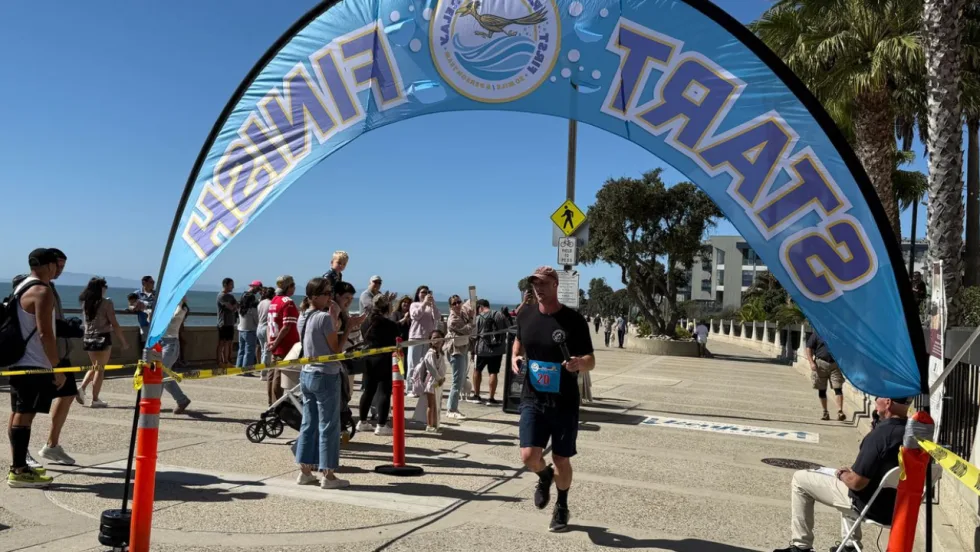
Registration Underway for Sixth Annual First Responders Relay
The California Police Athletic Federation’s annual First Responder Relay will welcome first responder teams from across the globe to compete along Ventura's scenic coastline on Oct. 11. Registration is underway.
Read More →
Vector Solutions Launches Comprehensive Online Dispatch Training Catalog for Emergency Communications Professionals
Vector Solutions’ new catalog of 35 expert-developed online courses can help emergency communication centers strengthen training, meet certification requirements, and simplify continuing education.
Read More →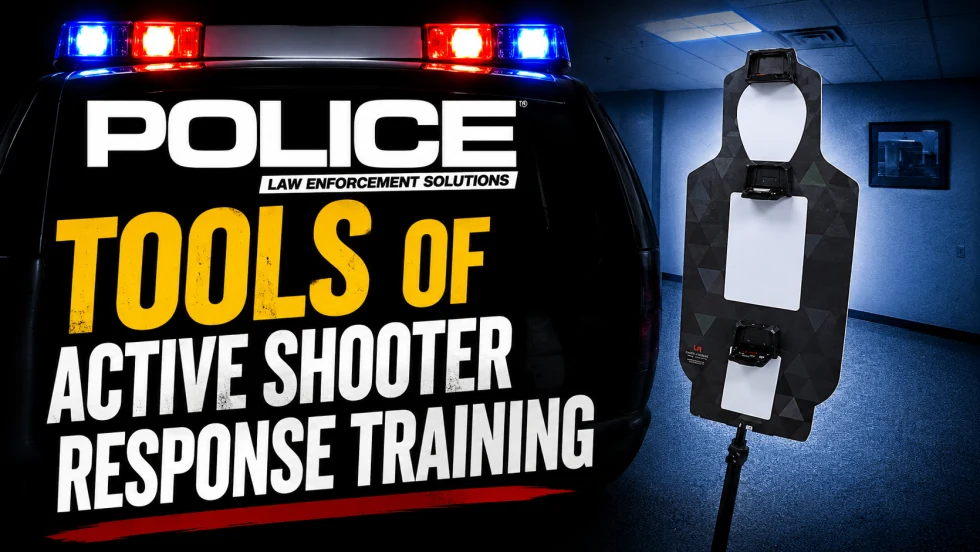
Tools for Active Shooter Response Training
What technologies help prepare officers for active shooter response situations? This behind-the-scenes look at law enforcement training explores shot simulators, smart firearms, laser target systems, and the tools used to build safer, more effective training environments.
Read More →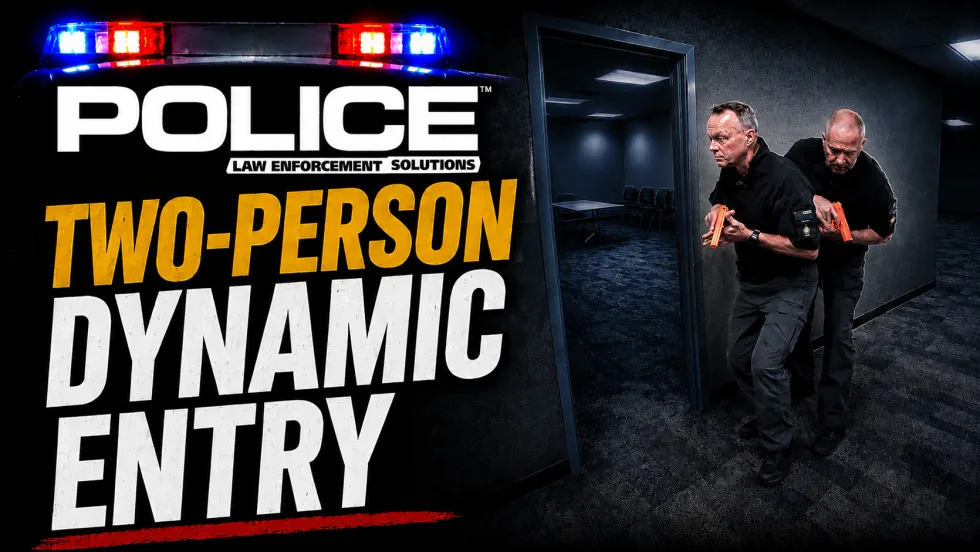
Two-Officer Tactical Doorway Entry Techniques
Entering a room during active-threat situations requires communication, coordination, and disciplined tactical movement. In this video, trainers from the United States Deputy Sheriff’s Association demonstrate critical room entry concepts, including fatal funnel awareness, team coordination, and safe tactical movement.
Read More →
High Compressed Ready Explained | Muzzle Control For Room Entry
In this video, Mike Willis, law enforcement national training and program director for the United States Deputy Sheriffs’ Association, demonstrates the high compressed ready position and discusses muzzle control during room entry.
Read More →
Why Attend the DroneSense Innovation Summit by Versaterm?
Let’s hear from Ryan Bracken, head of product, about why your agency should send someone to the first annual DroneSense Innovation Summit by Versaterm in April.
Read More →
Caswell Live Fire Spins Off from InVeris
Caswell Live Fire has spun off from parent company InVeris, coinciding with the 100th anniversary of Caswell’s founding. Over the past 100 years, Caswell has developed pioneering solutions that support military, law enforcement, and commercial clients worldwide.
Read More →
When Do You Transport a Wounded Officer Instead of Waiting for EMS?
Thumbnail for video series POLICE Topics, Tactics & Tips with a yellow headline that reads When Do You Transport a Wounded Officer Instead of Waiting for EMS?
Read More →
How to Pick Your High-Risk Stop Location for Tactical Advantage
Hear veteran trainer Mike Willis, of the United States Deputy Sheriff’s Association, explain several considerations that can help you wisely pick your best spot to initiate high-risk or felony traffic stops.
Read More →
Coffee Break with Police Experts: Using Your Patrol Vehicle for Cover
In this video, hear from Dustin Mowery, a product specialist at Team Wendy, as he discusses how to best use a patrol vehicle for cover.
Read More →