
Police Magazine

 MENU
MENU SEARCHMENUSEARCH
Loading data...

Redding Police Chief Brian Barner has long thought it was odd that community service officers are allowed to interview witnesses to crimes, but state law prohibits them from testifying about what they were told.
Read More →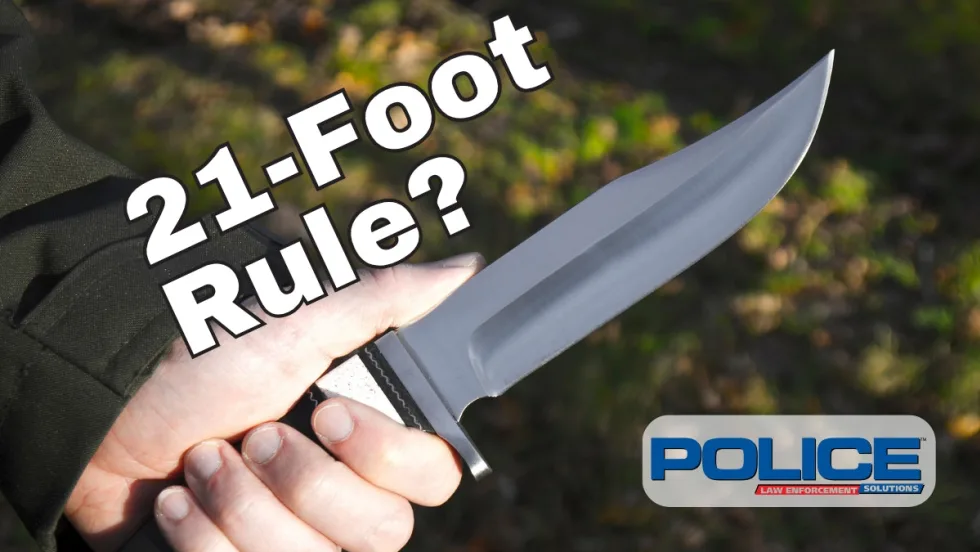

A key element to the entire discussion of the so-called 21-Foot Rule is the perceived intent of the subject and threat that the individual potentially poses.
Read More →POLICE Contributing Editor Doug Wyllie discusses with Colin Gallagher why police should train to testify.
Read More →Agencies should provide officers with every opportunity to become better prepared for their "role in the criminal justice system" when they're tasked with taking the stand in testimony against an accused suspect at trial.
Read More →Terms such as auditory exclusion, inattentional blindness, tunnel vision, tachypsychia are often used during testimony in police use-of-force cases, but can potentially be misused, misconstrued, misunderstood, or all of the above.
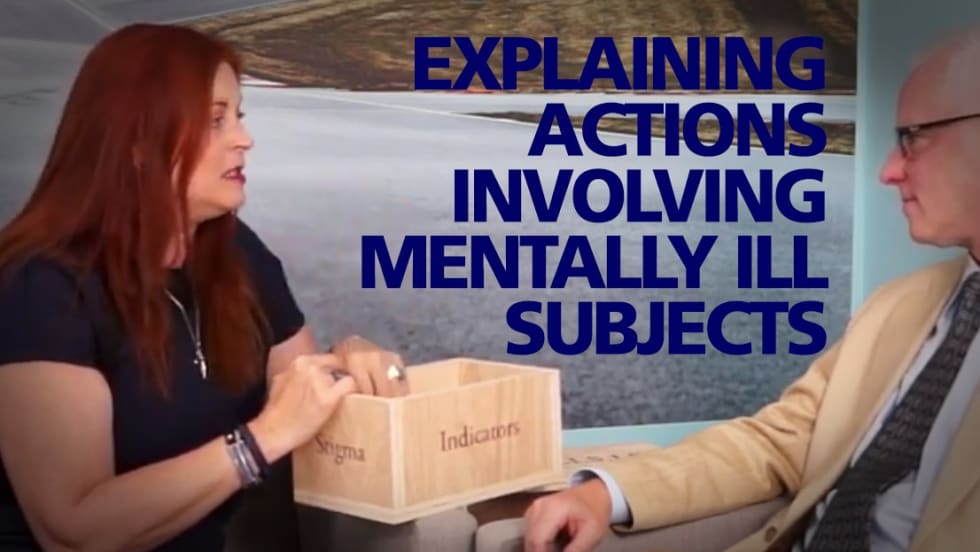
Read More →Attorney Missy O'Linn discusses the mnemonics that can help officers explain their actions after an incident involving a mentally ill or unstable subject.
Read More →Attorney Missy O'Linn explains how she creates mnemonics to help officers remember the eight officer/subject factors when testifying in court.
Read More →Attorney Missy O'Linn explains her "Constitutional Law Crate," which she created as 11 flash cards assembled into a cube, or crate, to give officers a way to remember the most imperative information when testifying in court, such as the three levels of force and Graham v. Connor.
Read More →No amount of initial classroom instruction can adequately prepare an officer for court. But I want to share some tips and debunk some myths about this important, though painstaking, facet of a law enforcement career.
Read More →In grand jury testimony released Monday, Ferguson, Mo., Police Officer Darren Wilson said that he felt he was authorized to use force against Michael Brown Jr. after Brown punched him twice in the face.
Read More →