
Police Magazine

 MENU
MENU SEARCHMENUSEARCH
Loading data...
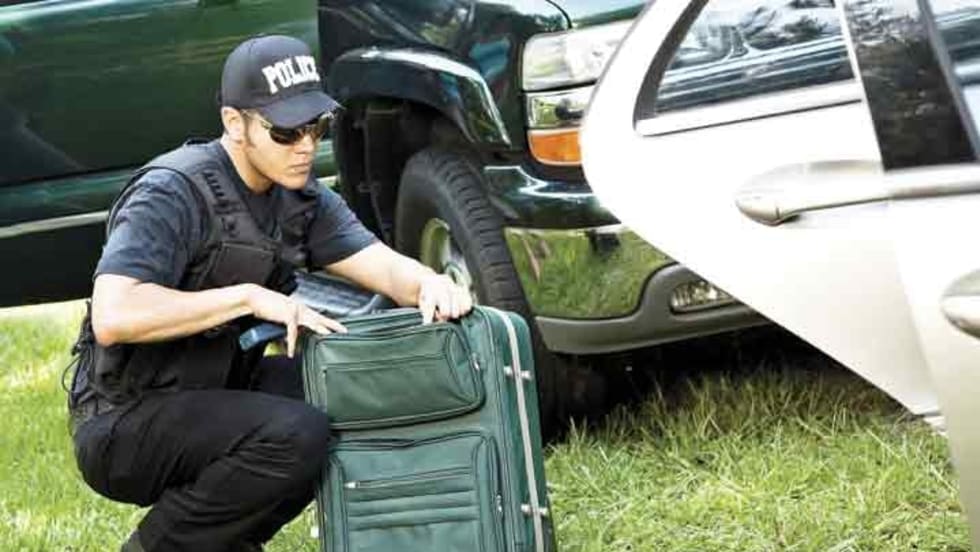
Warrantless searches are presumed to be unreasonable, but the U.S. Supreme Court has acknowledged that a warrantless search may still be reasonable under the Fourth Amendment if it falls within the guidelines of one or more of a limited number of exceptions.
Read More →


Supreme Court justices showed unease Wednesday about letting police without a search warrant draw a blood sample from an unwilling drunken-driving suspect, but they also expressed sympathy for the urgency faced by officers in such traffic stops.
Read More →Once a custodial suspect has been given Miranda warnings and has acknowledged his understanding, he might waive his rights and submit to questioning, or he might invoke—either by indicating that he doesn't want to talk, or by requesting counsel.
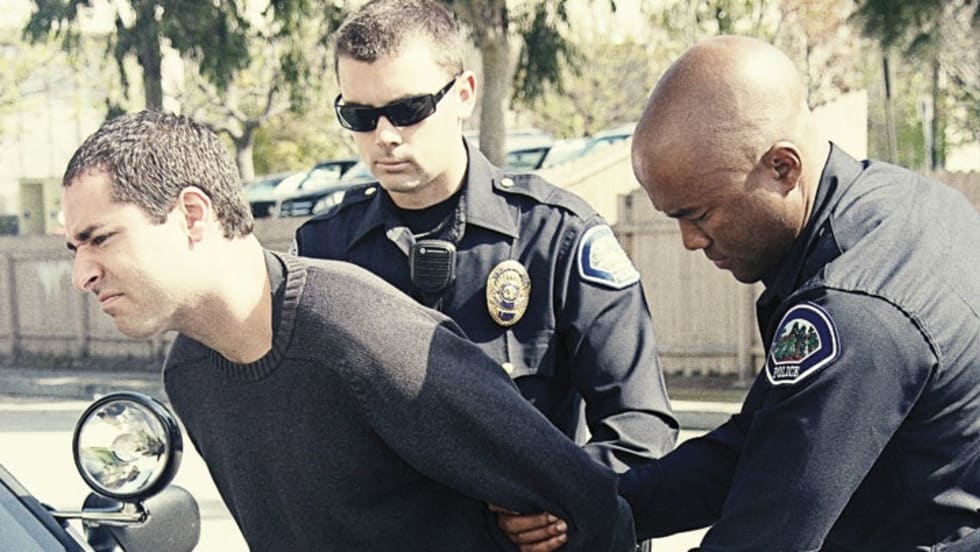
Read More →A civilian flipping off a police officer can't be cause for a vehicle stop or arrest, a federal appellate court has ruled. The U.S. Court of Appeals for the 2nd Circuit ruled that the "ancient gesture of insult is not the basis for a reasonable suspicion of a traffic violation or impending criminal activity."
Read More →What is the likely consequence of the re-election of Barack Obama with respect to judicial appointments, as they bear on law enforcement and public safety issues? In our business, we're trained to look for the clues. There are plenty of those to examine.
Read More →As previous "Point of Law" articles have discussed, there are four—and only four—legal justifications for entering private premises. For several reasons, the preferred authority for entry is a judicial warrant.
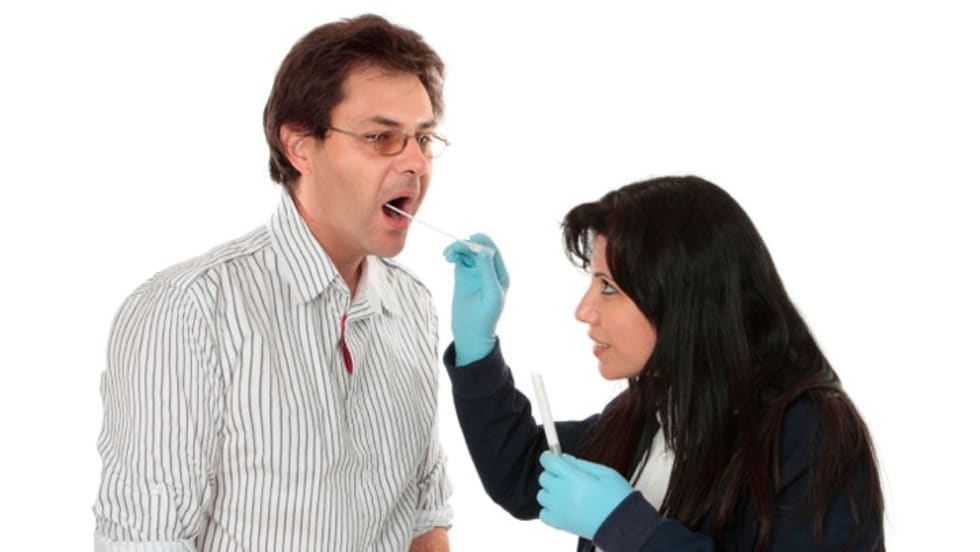
Read More →A convicted rapist is challenging a Maryland law that allows police to take a DNA sample from violent suspects, arguing his Fourth Amendment privacy rights have been violated.
Read More →When the government, in an attempt to get information, "trespasses" on any of the items specifically listed in the Fourth Amendment ("persons, houses, papers and effects"), this constitutes a "search," whether or not there is any infringement of a suspect's legitimate expectation of privacy.
Read More →A suspect's Fourth Amendment right to grow marijuana in the privacy of a home will be tested in a Florida case the U.S. Supreme Court began hearing Wednesday.
Read More →As private citizens, reporters are not bound by the Fourth Amendment. You are. Private citizens generally can't be sued for violating someone's Fourth Amendment rights. You can. Read on.
Read More →