
Police Magazine

 MENU
MENU SEARCHMENUSEARCH
Loading data...
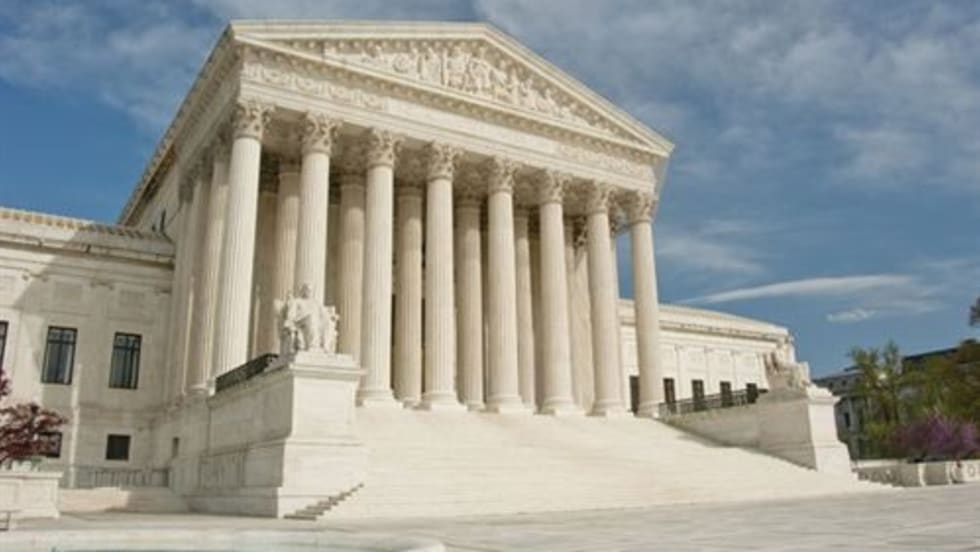
Federal agents violated a suspect's privacy rights, when they used a Global Positioning System device to track his movements for 28 days without a warrant, the U.S. Supreme Court has ruled.
Read More →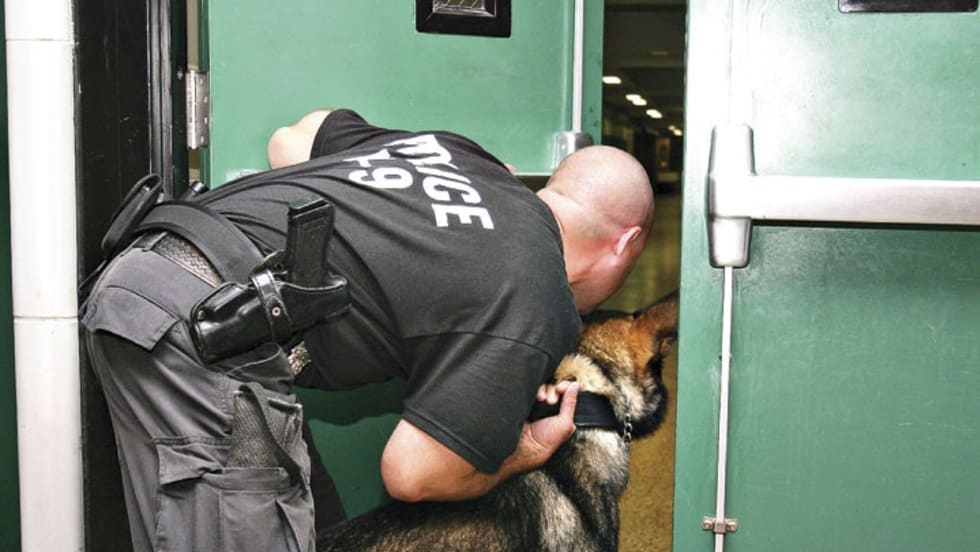

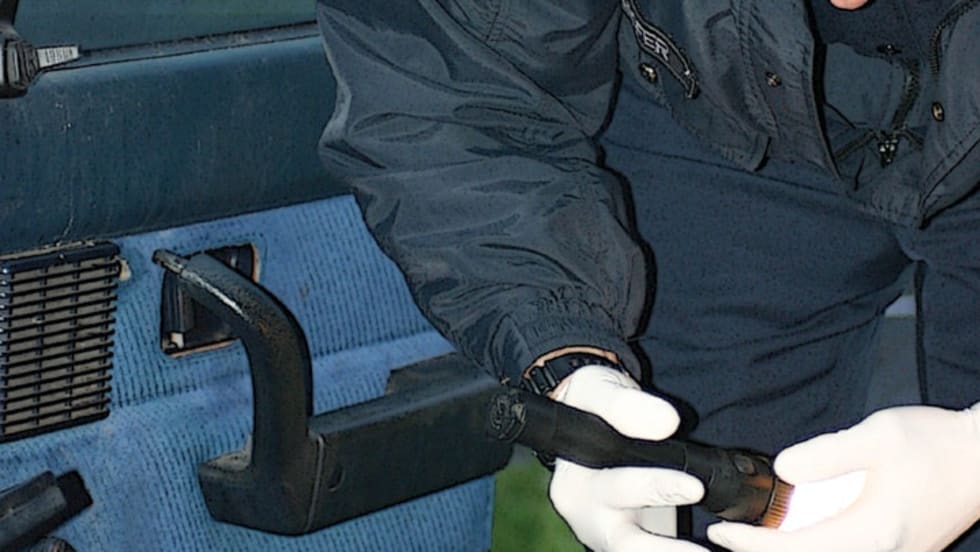
Although some searches and seizures may only be justifiable under a single approach, many can be justified several different ways. The U.S. Supreme Court has long held that when this is the case, any independent source of contested evidence will suffice, even when another does not.
Read More →A Miramar (Fla.) Police officer has been convicted of official misconduct for falsifying records relating to the search of an accused drug dealer's apartment.
Read More →The decade of the 1960s gave us four of the most significant cases that apply to our daily work: Mapp, Brady, Miranda, and Terry. These four are among the most prominent criminal law cases you should know more about to understand how we got to where we are.
Read More →This week, the U.S. Supreme Court is considering whether attaching a high-tech tracking device to suspect's vehicle without a warrant is constitutional.
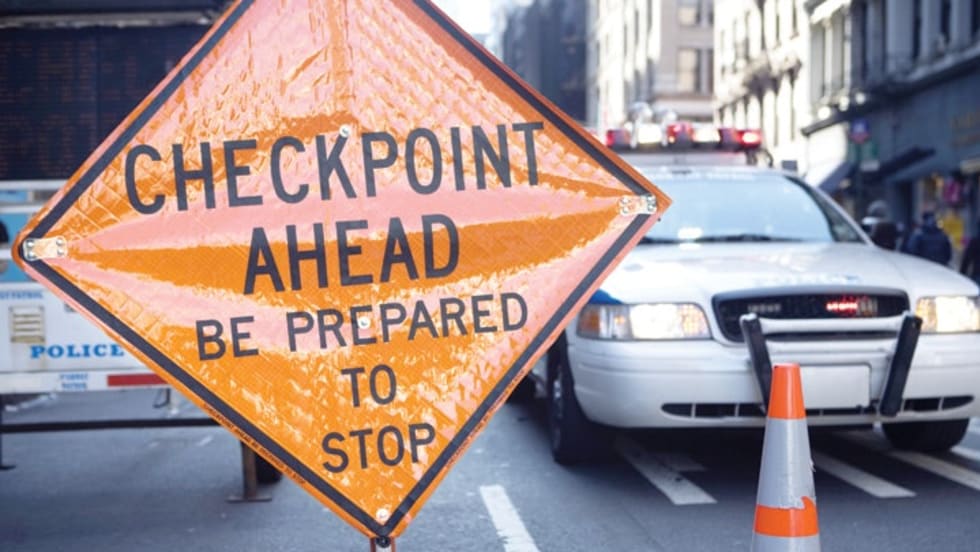
Read More →Checkpoint stops are different-multiple vehicles are stopped one after the other, at the same place, without any suspicion beforehand that anyone in particular may be engaged in unlawful activity.
Read More →The Fourth Amendment exclusionary rule is not absolute. In a number of decisions, the U.S. Supreme Court has recognized that even where a police officer makes an unreasonable search or seizure, there may be compelling reasons not to exclude resulting evidence.
Read More →The U.S. Supreme Court on Wednesday began considering whether a suspect can be strip searched and closely examined before entering jail.
Read More →California lawmakers have approved a bill that would require officers to obtain a warrant before searching the contents of a subject's cell phone or wireless device. The bill would become law if approved by Gov. Brown by Oct. 9.
Read More →Arresting someone for filming a law enforcement officer is a Constitutional violation, a federal judge in Massachusetts has ruled.
Read More →