
Police Magazine

 MENU
 SEARCHMENUSEARCH
Loading data...
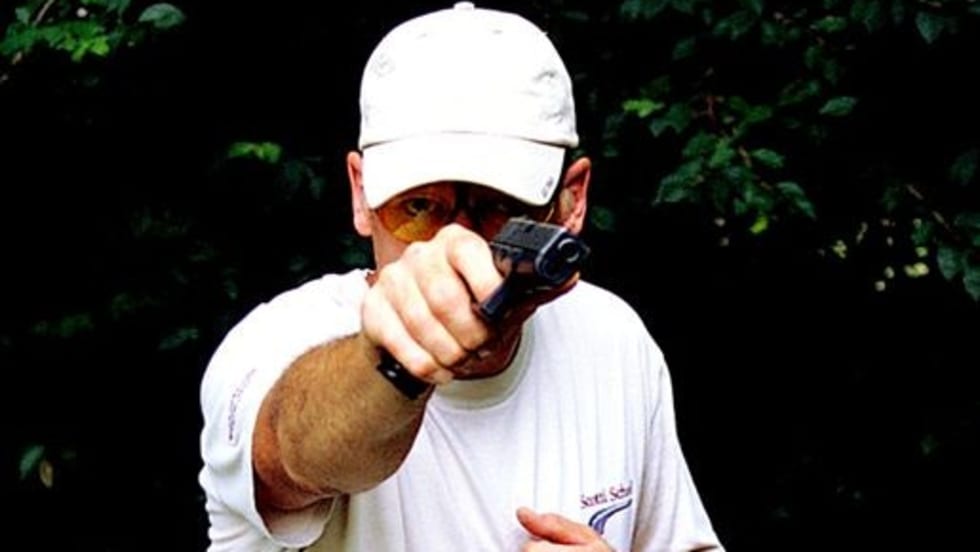
You don't like doing it, I don't like doing it…no one I know likes shooting with one hand. But quite often, how you shoot determines whether or not you go back to the street or end up in an office job riding a desk.
Read More →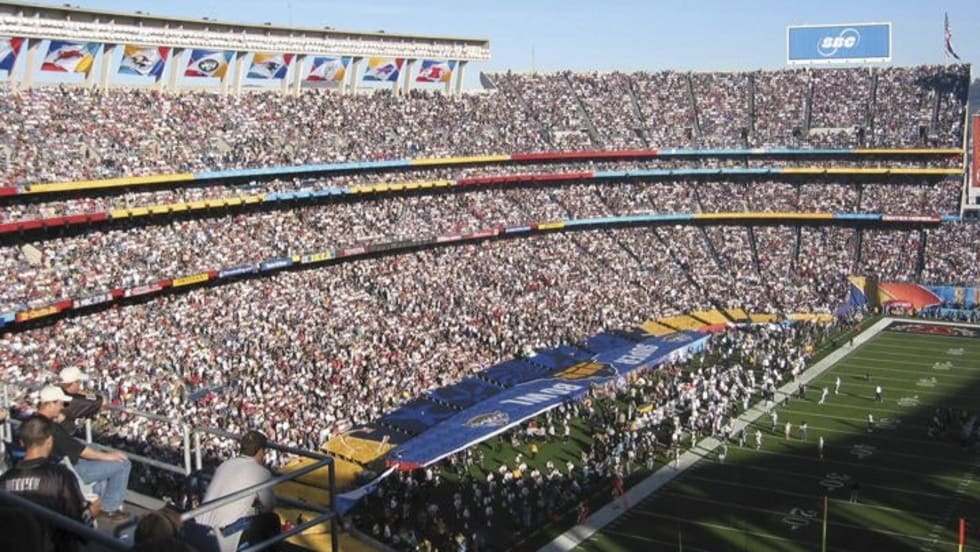


Post-9/11 America is a tense place to plan for huge gatherings of football fans in crowded urban areas
Read More →For generations law enforcement has been seeking the perfect round, the so-called “magic bullet.” The ideal police weapon is a munition that could be fired at a distance to temporarily incapacitate a suspect so that he or she could be taken into custody without injury to either the suspect or the arresting officer. It would work every time, and it would be a substitute for deadly force.
Read More →As a technologist, it’s my opinion that agencies will soon be able to receive much more tactical/situational information from all active incidents, including verbal transmissions, without ever touching a communications device.
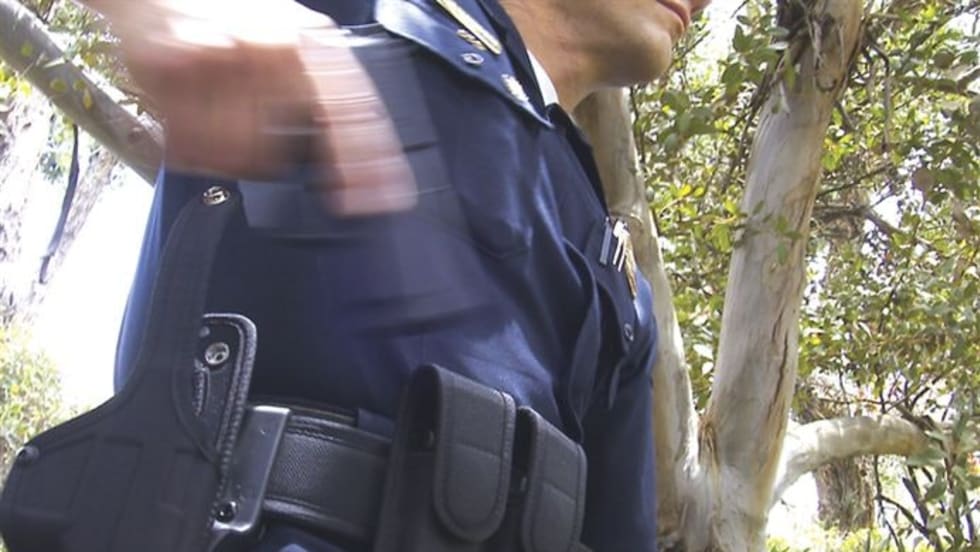
Read More →Who would have thought years ago that the hunk of hardened and shaped leather we wear on our hips would evolve from a simple holster into a high-tech, lightweight firearm retention device?
Read More →One thing I, for one, never gave much thought to is the ammunition we are most likely issued by our respective departments. There are so many different brands, calibers, and performance characteristics to consider that it’s mind boggling.
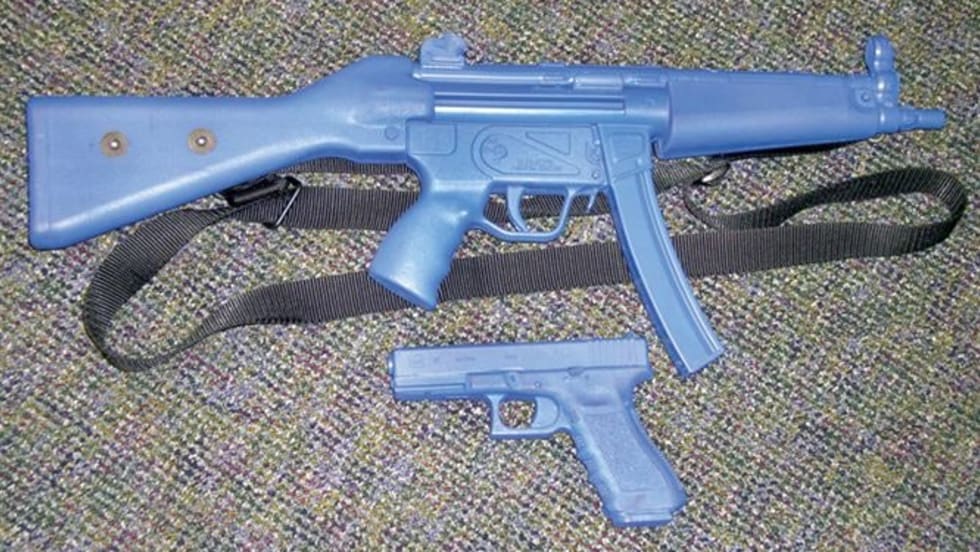
Read More →If you believe the media, it would seem as if negligent shootings of law enforcement officers during training are almost a daily event. In actuality, such incidents are quite rare, but that doesn’t mean we shouldn’t take every necessary step to prevent these tragedies.
Read More →There are more than 100 drills a trainer can use to teach officers how to use striking shields. This article will give you some quick examples. It covers such key topics as developing power, enhancement of movement skills, and target placement for strikes.
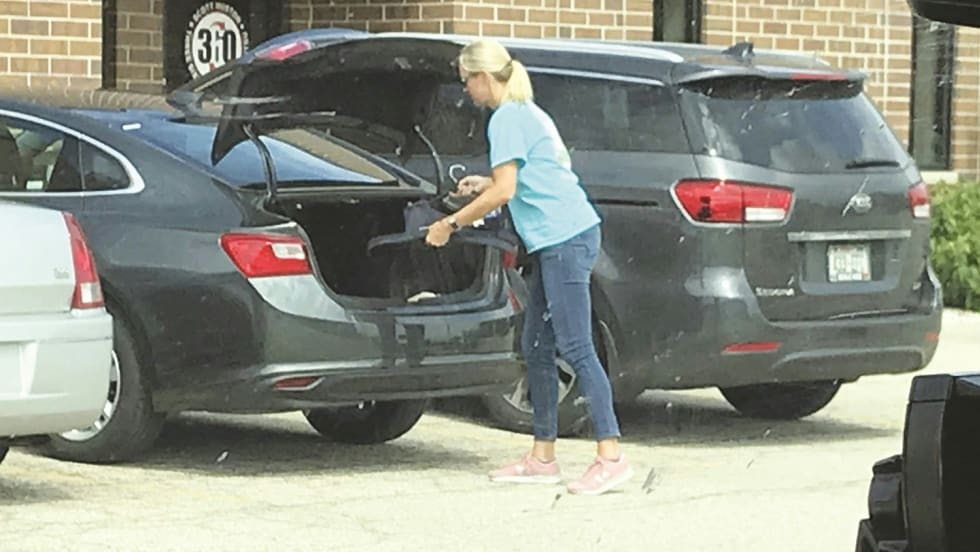
Read More →As police officers (and especially if you work corrections) in the United States or Canada, you have to ask this question: What would you do if you were taken hostage?
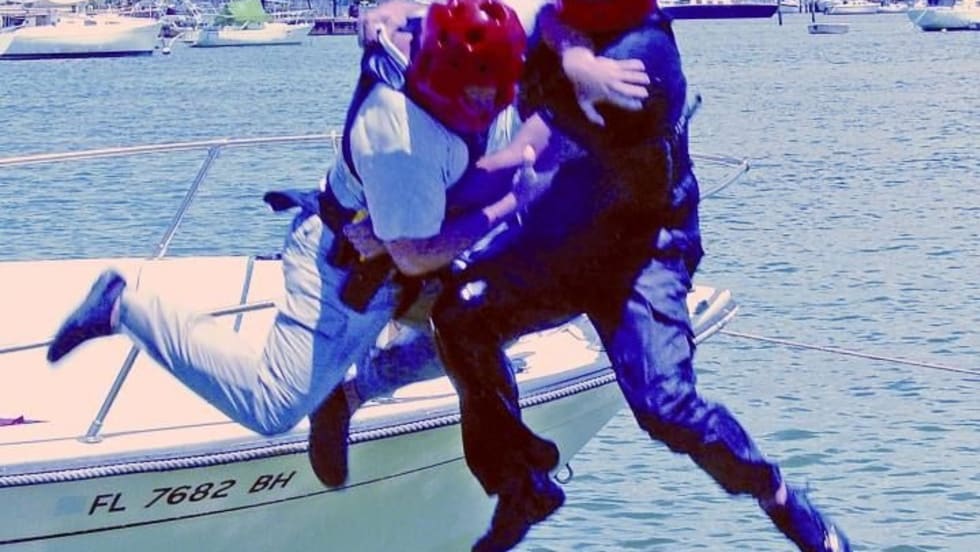
Read More →Chances are that at some point during your law enforcement career you will work around water. Are you prepared to work around water? Are you trained to stay alive in water, and to fight and prevail in water?
Read More →