
Police Magazine

 MENU
 SEARCHMENUSEARCH
Loading data...

The seventh annual Looking Beyond the License Plate award program recognizes law enforcement officers whose observation of a license plate led to the arrest of a suspect or to a crime being solved. The entry deadline is June 1, 2004.
Read More →
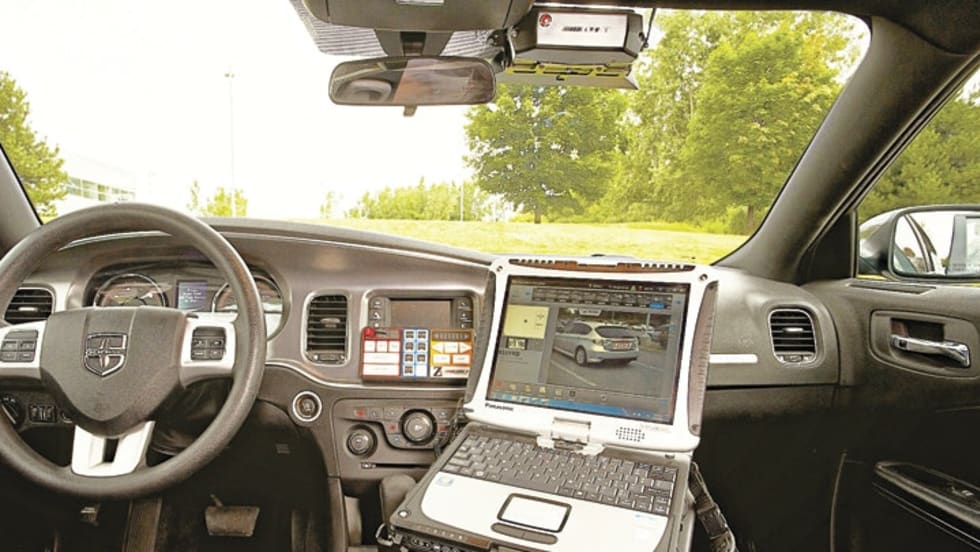
The Dayton (Ohio) Police Department has begun using license-plate readers to help identify stolen cars, respond to missing children alerts and pick up people with outstanding arrest warrants.
Read More →License plate recognition is one of the most effective but most misunderstood crime prevention tools available to law enforcement.
Read More →Genetec Inc. announced Plate Link, a new feature for its AutoVu automatic license plate recognition (ALPR) solution designed to allow vehicles to share license plate data while out on patrol.
Read More →Data that law enforcement collects indiscriminately from license plate readers on millions of motorists are not police "investigative records" that may be kept secret from the public, the California Supreme Court ruled Thursday.
Read More →Many state legislators are listening to the ACLU and others who want to rein in LPR operations. New Hampshire already bans the use of the technology except at toll stations, and other states are considering legislation that to some degree would change the way agencies use LPR.
Read More →The Georgia House of Representatives passed the "Back the Badge" license plate bill on Thursday by a vote of 165-1. Under Senate Bill 169, the proceeds from the plate would go to the Peace Officers' Annuity and Benefit Fund.
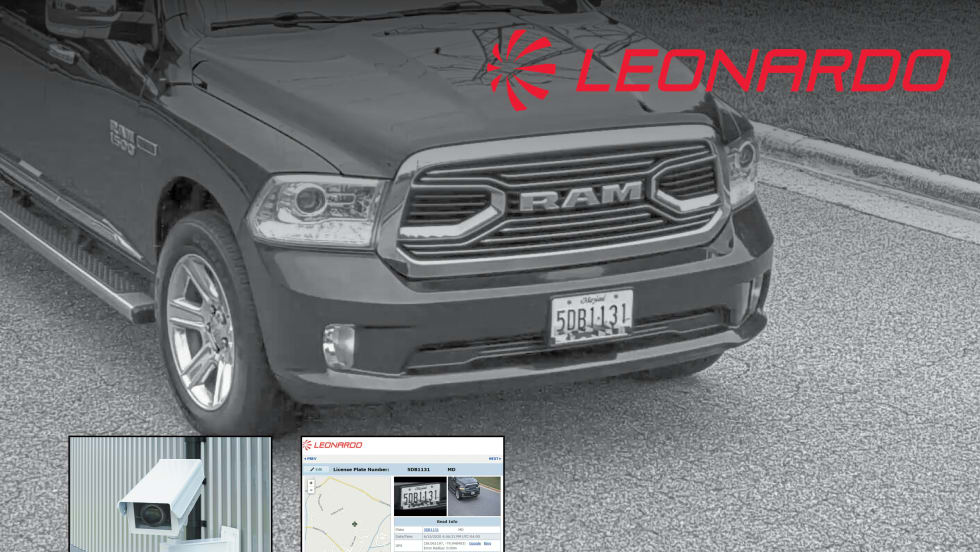
Read More →The ELSAG® Video Plate Hunter 900 is a low-cost automatic license plate reader system for vehicle-related law enforcement missions. It extracts license plate numbers from the video of select IP cameras to assist real-time policing, investigations, and access control.
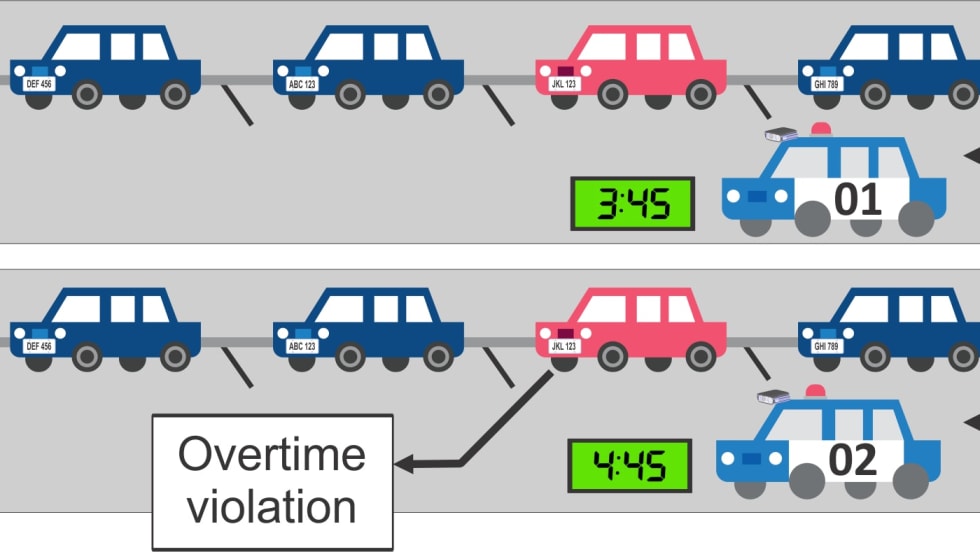
Read More →Encompassing everything from red curbs to alleyways, from metered parking spots to handicapped designated violators, parking enforcement is often seen as a nuisance. But it can also be a means of identifying red flags.
Read More →States increasingly are foiling crooks and scam artists by employing facial recognition software. The software uses algorithms of facial characteristics to compare driver's license or ID photos with other DMV images on file.
Read More →