
Police Magazine

 MENU
MENU SEARCHMENUSEARCH
Loading data...
You're kidding yourself if you think that you will ever have a fully trained and motivated command. You are a trainer, a coach, and if you care about the future, a mentor. In reality, each has its own role, specific purpose, and desired outcome.
Read More →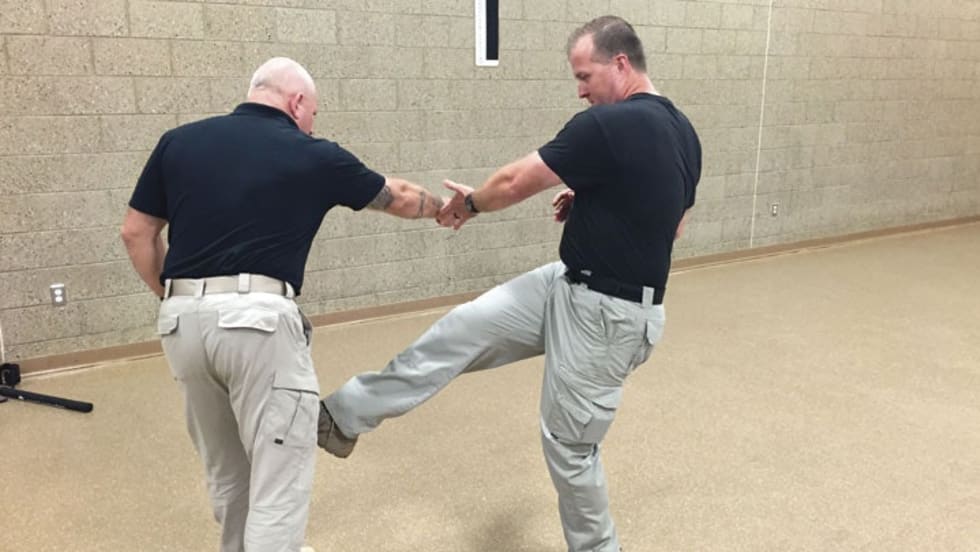
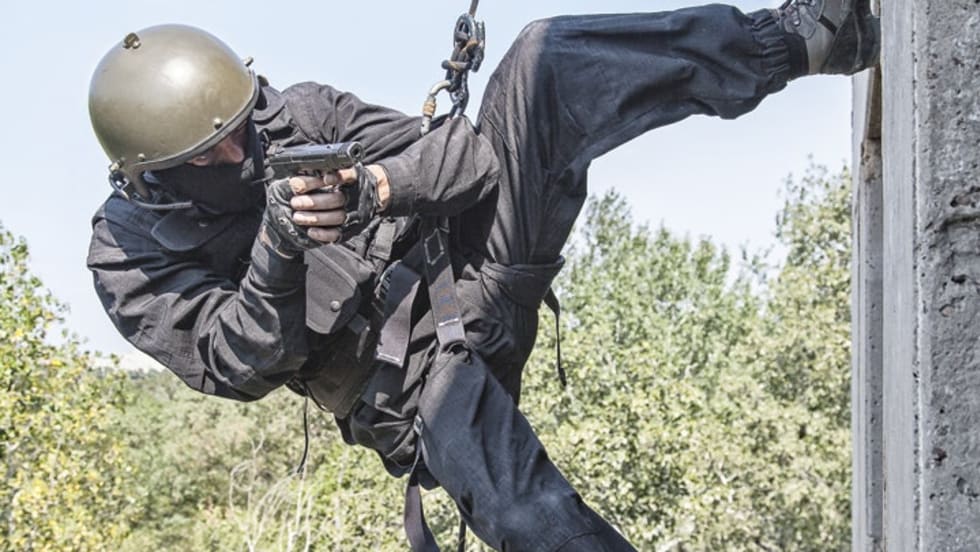
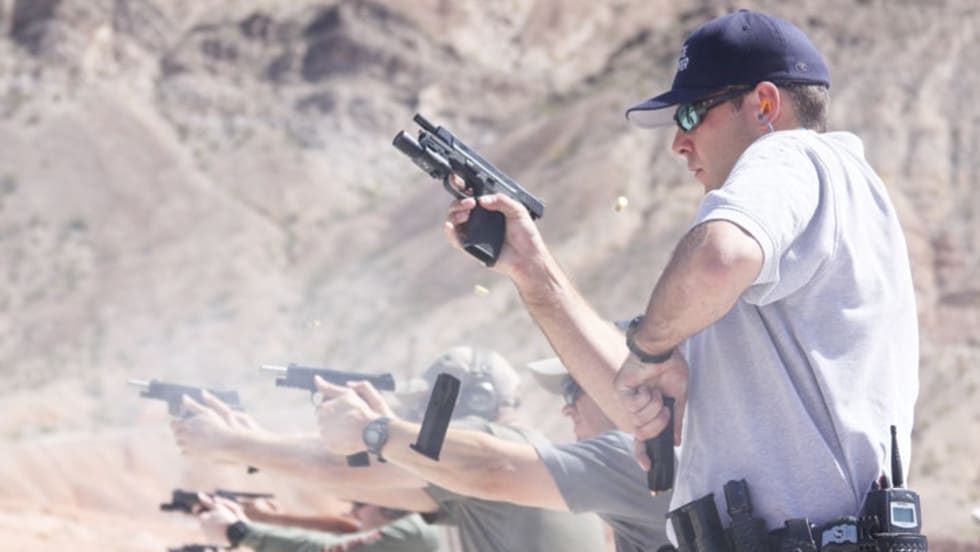
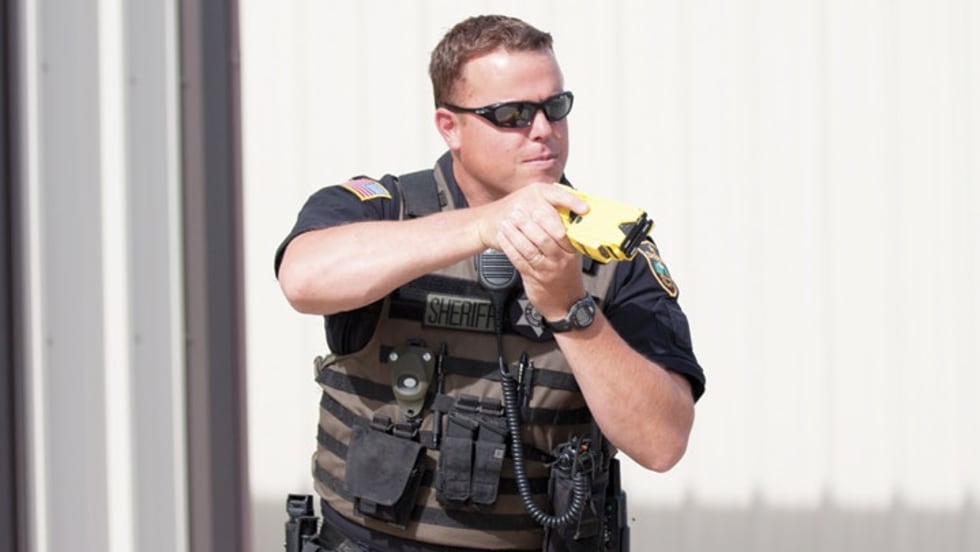

The reality of close-quarter engagements is that they are some of the most dangerous situations faced by law enforcement officers. Statistics show that a majority of attacks against officers occur in close quarters during initial or first-contact situations.
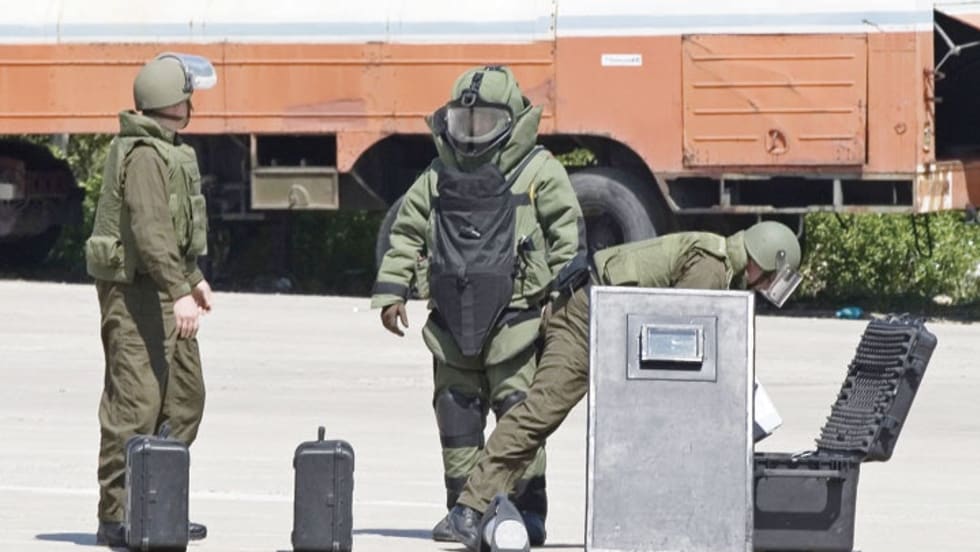
Read More →There are many more officers who want to wear the fabled bomb tech symbol of laurel leaves, electric bolts, and an aerial known as the "crab" than there are positions available.
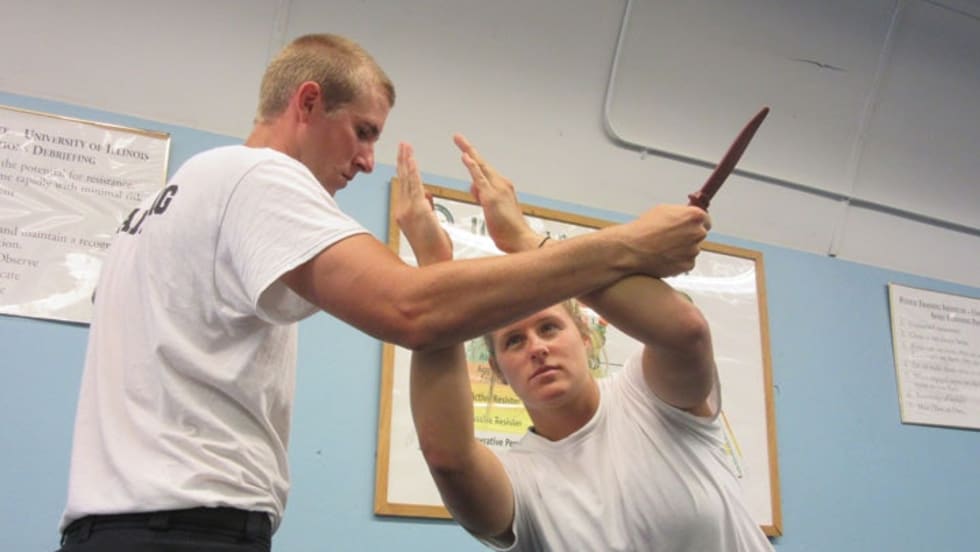
Read More →It is ridiculous to think that an officer could take a single defensive tactics course that teaches specific techniques for knife defense and then be prepared for a knife attack.
Read More →Rappelling is an important skill for law enforcement tactical teams, but improper training can lead to fatalities.
Read More →The "Lights, Sights, and Lasers" training course is completely free to law enforcement officers and it provides always evolving training that is otherwise often hard to come by.
Read More →A TASER is an effective tool when the situation calls for a non-lethal approach, but to properly use it, you need to do more than just pull the trigger.
Read More →It's 13:30 on a Tuesday and dispatch advises you that someone called the local middle school saying he planted a bomb and it is set to go off at 14:30, just as school lets out. The school is waiting for law enforcement's response.
Read More →Officers from LAPD's Topanga Division were among the first of the city's estimated 10,000 officers who will be required to participate in the 5-hour course for what the department calls "Preservation of Life Training" within the next 30 days.
Read More →Seattle Police Chief Kathleen O’Toole has asked the department’s internal-investigations unit to conduct a preliminary review of comments made by two officers in a New York Times video and story on de-escalation training.
Read More →