
Police Magazine

 MENU
MENU SEARCHMENUSEARCH
Loading data...

The anti-fascist movement sounds like it only targets white supremacy hate groups like the Klan and neo-Nazis, but this anarchist group has and will attack law enforcement officers and people with opposing political ideologies.
Read More →


The Virginia State Police shut down its email system on Wednesday night to strengthen its defense against a sophisticated new form of malware that infected the law enforcement agency’s network at the end of last week.
Read More →This must change. All policing — even a fair amount of cyberpolicing — is local. Many of the cybercrimes that hit people in the wallet aren’t complex, cross-jurisdictional hacks by Ukrainian ninjas. Instead, Internet-enabled cons like card-skimming, business email compromise, tax-return refund fraud and electronic fund transfer fraud often begin and end locally. The perpetrators are frequently small-time crooks known to the cops for other types of crime.
Read More →A former journalist fired for making up details in his stories is behind at least eight of the scores of threats made against Jewish institutions nationwide, federal officials said Friday.
Read More →Klatt stressed that no data was stolen and it all remained on the system. But the encryption meant no one could use it unless the ransom was paid. The hackers demanded three "bitcoin," the value of which that day was about $2,440.
Read More →In just the first quarter of this year ransomware attacks extorted more than $200 million from victims, including individuals, businesses, hospitals, government offices, and law enforcement.
Read More →But if this happens to your agency, don't expect the ransom to be $350. So-called ransomware attacks have surged so sharply that the FBI says hacking victims in the United States have paid more than $209 million in ransom payments in the first three months of this year, compared with $25 million in all of 2015. The FBI has not reported any arrests.
Read More →Now you can ask an expert your questions about security policy and the cloud and read responses to others' questions on PoliceMag.com.
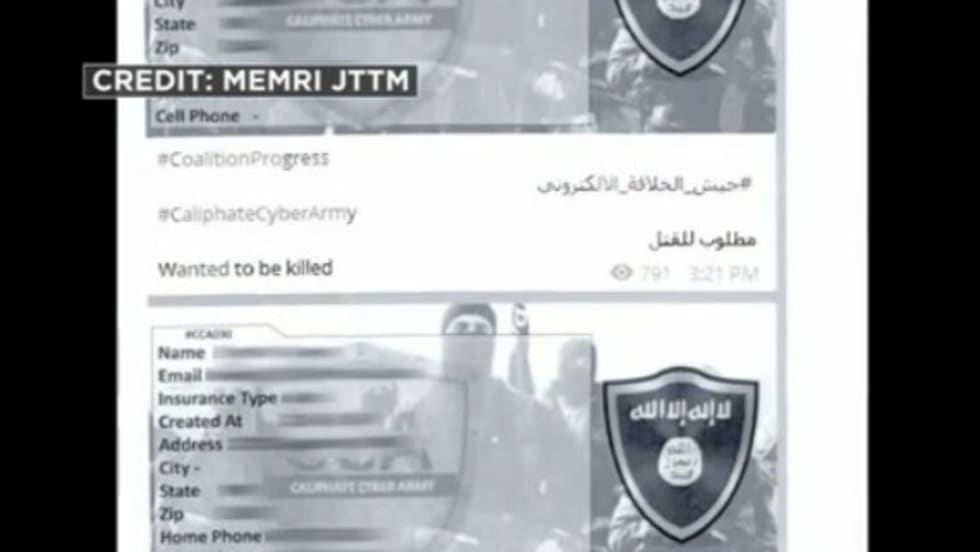
Read More →The FBI and multiple police departments in Minnesota are investigating the release of a so-called "kill list" containing the names and personal information of at least 32 police officers from departments throughout the state.
Read More →Police in California and other states have complained for many months that data encryption creates a major investigative hurdle in the hunt for killers, human traffickers, child pornographers and other offenders. Some fear criminals are intentionally using devices that run on newer operating systems because they know police can’t access them, despite having search warrants signed by judges
Read More →