
Police Magazine

 MENU
MENU SEARCHMENUSEARCH
Loading data...
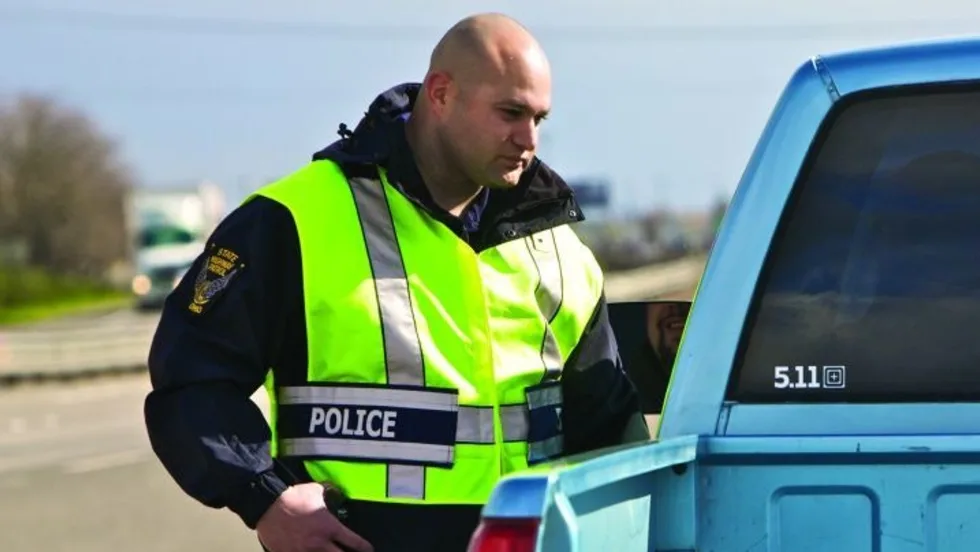
I know what it's like to have to get out and work a traffic accident; it only takes a few seconds to don this vest. There are still some officers who resist wearing the vest and try to trump up the circumstances to exempt themselves. You're only endangering yourself by doing this.
Read More →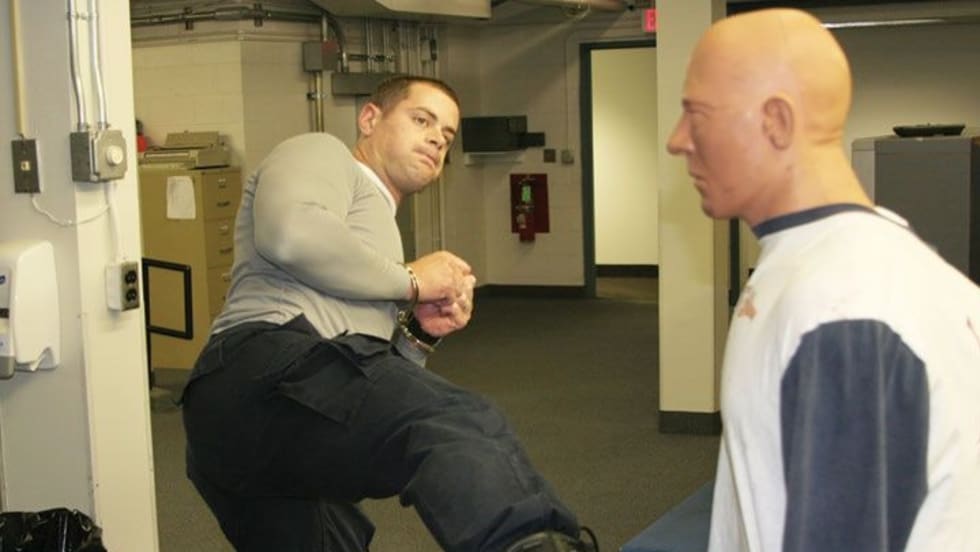



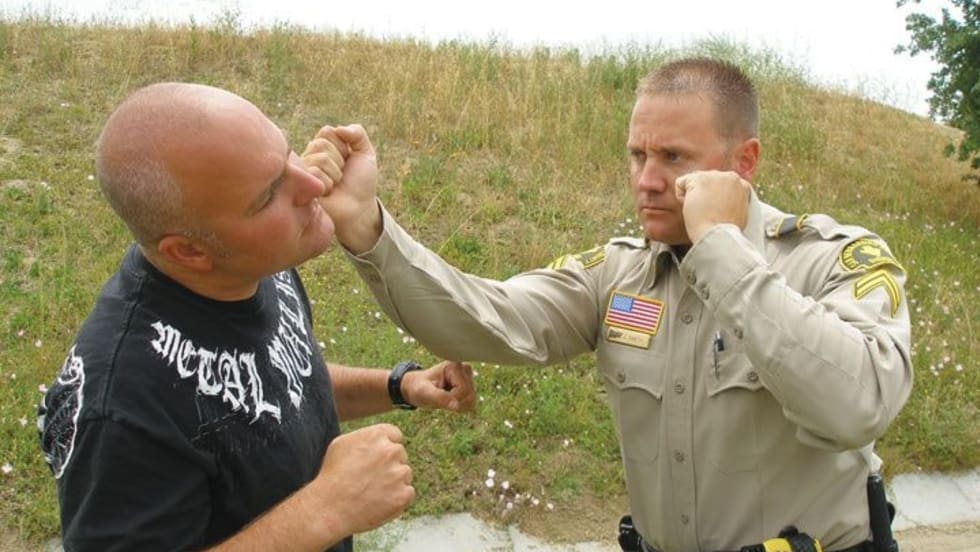
Over the years, I've heard multiple accounts of handcuffed subjects who later escaped or attempted to escape. One particular incident involved a young kid who fled on foot. His ability to outrun two officers with his hands behind his back demonstrated just how focused a person can be if he wants to escape.
Read More →The first step to positively communicate is to delete the word "don't" from your vocabulary. The rationale behind this is simple. When you use the word "don't" as part of your feedback or direction, your mind must first figure out what it is not supposed to do.
Read More →It's crucial for law enforcement officers to understand the power of words. It is not just semantics. It is often the difference between programming your subconscious for success or for failure. In some cases, it can be the difference between life and death.
Read More →Telling a story about your most recent call, as others listen within ear shot, gives two ideas. Either you are a young cop or a 'mall ninja' who has overdosed on police shows.
Read More →While vehicle crashes attributed to just 26 percent of all law enforcement deaths between the years 1980 and 1982, they comprised 54 percent of officer deaths between 2005 and 2007. Fatalities incident to foot or motorcycle patrol remained largely unchanged, yet deaths in patrol cars spiked.
Read More →One of my former defensive tactics instructors taught me a valuable lesson about sizing up an opponent. He asked me if I had ever seen a Japanese tea cup and what is different about it?
Read More →The one thing you have undeniable control over is yourself and your response to the situation. Your goal is to resolve the situation using the lowest degree of force possible.
Read More →How many calls do you respond to that could become an armed confrontation? I think of alarms-in-progress, domestic disputes, bar calls and gang contacts. These need to receive the once over or brief intros during the first week.
Read More →Trading blood with suspects is not a good idea - even if you do knock them out with your punch. Instead, learn four strikes that can lessen the likelihood of injury and transfer of blood.
Read More →