
Police Magazine

 MENU
MENU SEARCHMENUSEARCH
Loading data...
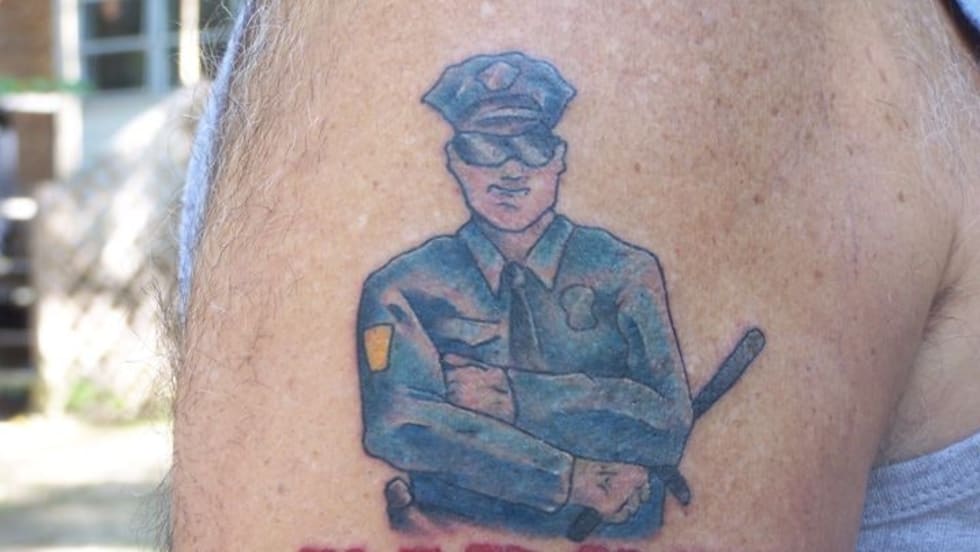
We asked you to show us your "blue ink," and many of you responded with images of your law enforcement tattoos that carry a personal significance regarding a fallen partner, inspirational Biblical reference, or special accomplishment. Photos courtesy of PoliceMag.com readers.
Read More →
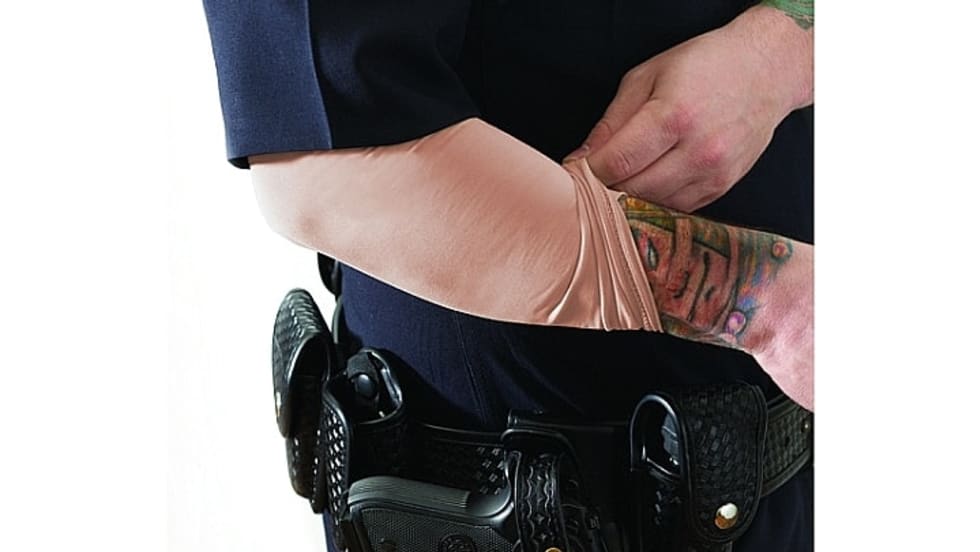



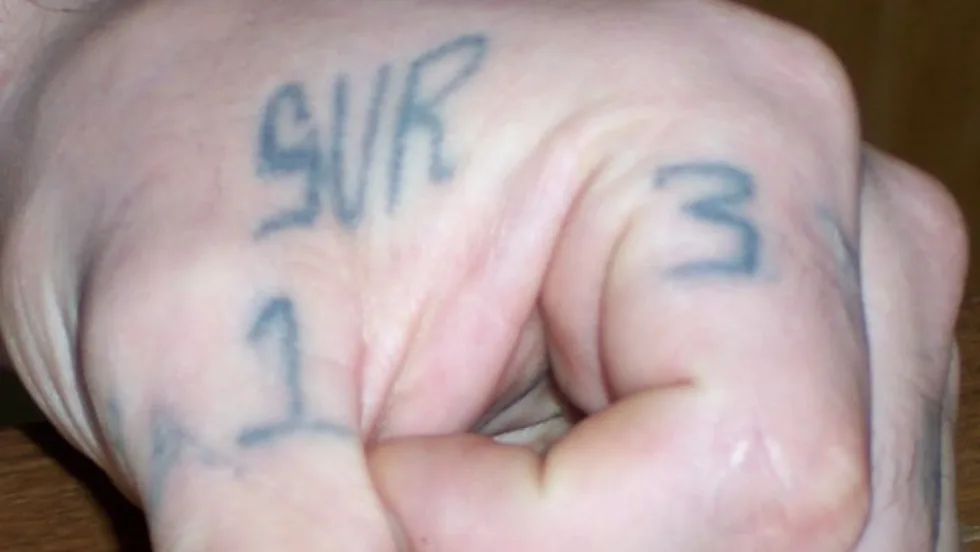
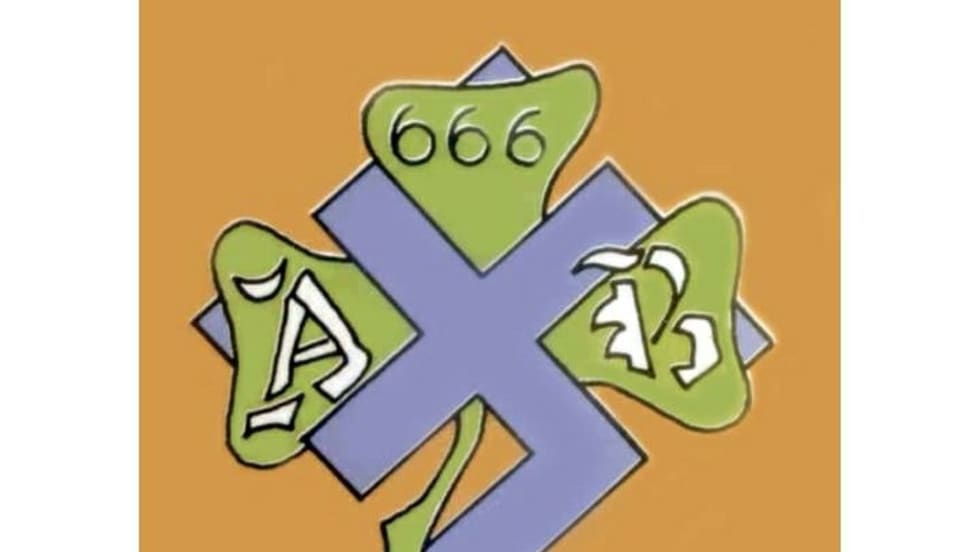
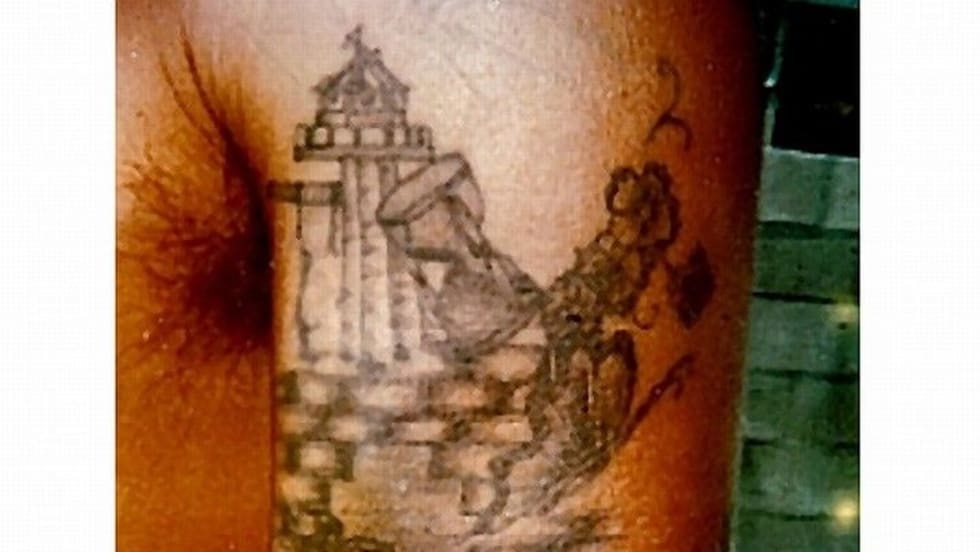
Tattoos have become very popular in the law enforcement and military communities. Officers who get inked often choose a tattoo of something that has great meaning to them, such as family, their faith, or a close friend. View a few examples of tattoos. Photos courtesy of Steve Winterstein of Five-O Tattoo in Elburn, Ill.
Read More →Much cooler and more comfortable than wearing a long sleeve shirt, the TatJacket provides easy, temporary concealment of visible tattoos.
Read More →A known heroin user who opened fire on Anchorage (Alaska) Police officers from a hotel bathroom showed up Friday for his arraignment with distinctive tattoos on his face and right eyeball.
Read More →The Los Angeles County Sheriff's Department suspended seven of its deputies believed to be involved with a jail clique called the "Jump Out Boys" that celebrate aggressive policing.
Read More →Tatjacket has introduced a full line of premium tattoo cover-up makeup with minerals and chamomile extract. It is available in a clean airless pump bottle as well as in "blender" jars so you can customize the tone and appearance to perfectly match your skin.
Read More →Anthony Garcia, 22, had tattooed the crime scene of a 2004 liquor store shooting on his chest, helping deputies solve the open case.
Read More →Sureños can be found in every major city in the U.S. They can be found in Canada, Mexico, Europe, and South America. The big transnational super gangs such as Florence, 18th Street, and Mara Salvatrucha threaten the stability of some Central American nations.
Read More →The Aryan Brotherhood, which is also known as "AB" or "The Brand," is a primarily white prison gang with about 15,000 members in and out of prison. According to the FBI, the gang makes up only one percent of the prison population, but is responsible for 18 percent of all murders in the federal corrections system. Members use symbols in their tattoos such as swastikas, SS lightning bolts, the number 666, and Celtic imagery.
Read More →In addition to advertising gang membership, tattoos provide other details about the bearer. For the incarcerated, images of chains and locks represent the loss of freedom; an hourglass or clock face without hands indicate doing time; a string of numbers may be an inmate's prison ID; one laughing face, one crying face means play now, pay later or my happy life, my sad life; a tombstone with numbers may indicate years of incarceration; the face of a female crying usually means someone on the outside is waiting for them. Caption information provided by POLICE gang expert Richard Valdemar.
Read More →