
Police Magazine

 MENU
MENU SEARCHMENUSEARCH
Loading data...

Qualification Targets is proud to introduce the STP-2R Poly-Foam Backer Stand. Contact the company for a free catalog.
Read More →


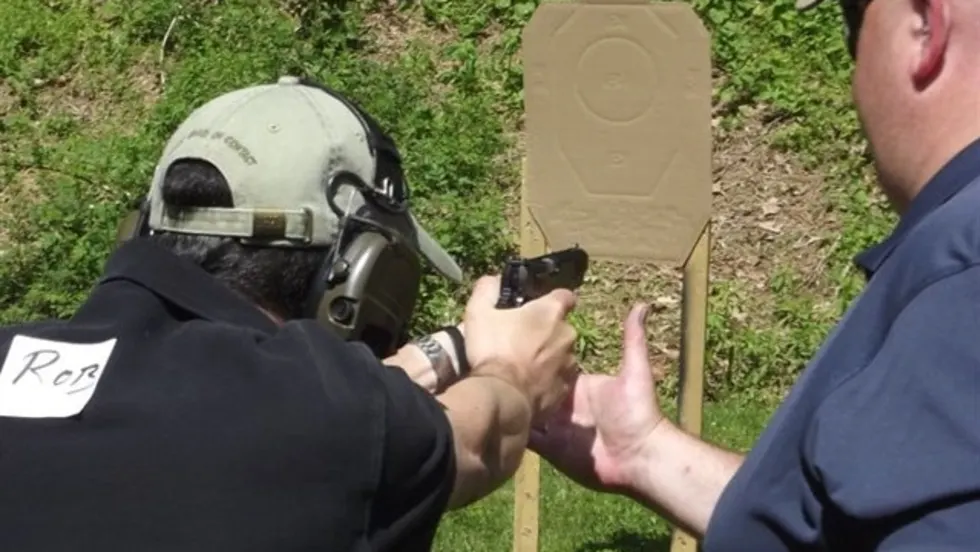

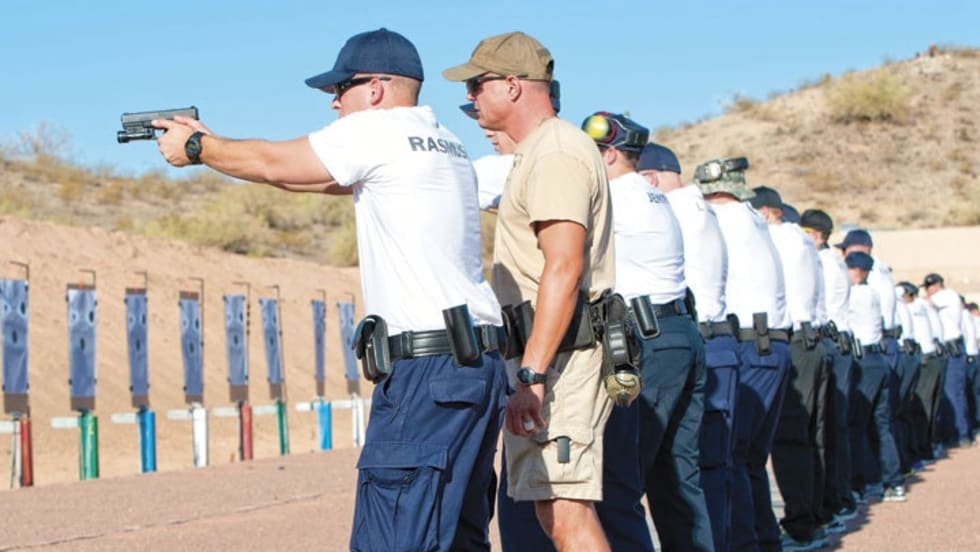
Some trainers say it takes 5,000 reps or five years to master a weapon or a skill, but that doesn't match the research. The research says we don't know how many reps or how long it will take YOU to master a skill.
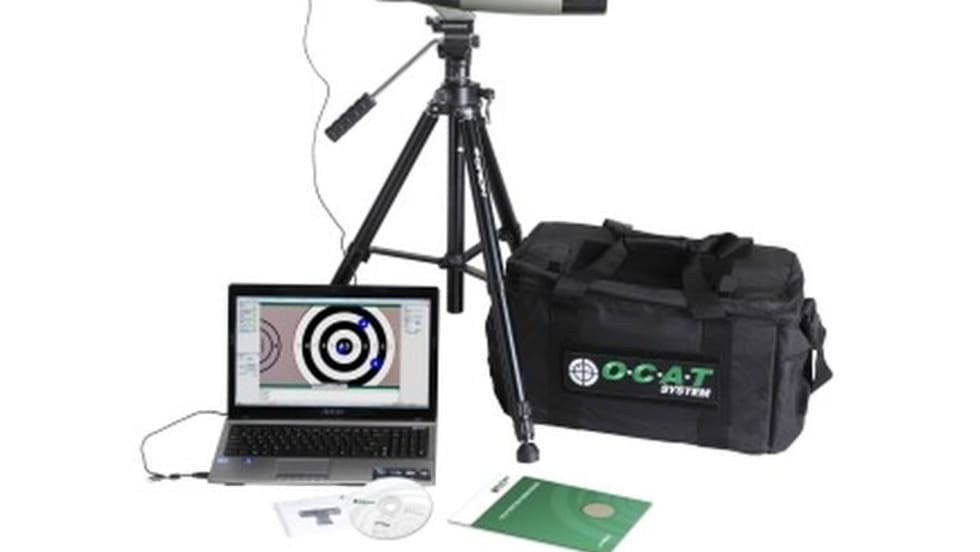
Read More →OutWest Systems has introduced a high-tech laser-based firearm training aid for shooters called the OCAT (Optical Computer-Aided Training) system that works inside a residence in laser mode or at the rifle/pistol range with live ammunition.
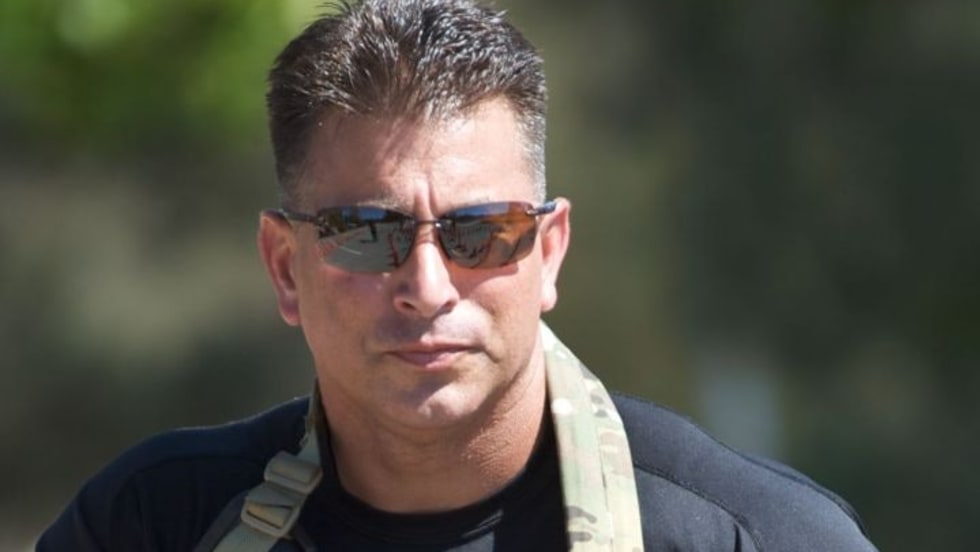
Read More →Almost two years to the day after he was critically wounded in a gunfight with a Norteño gang member, Fremont (Calif.) Police Detective Todd Young returned to the job he knows best—pursuing high-risk gang suspects.
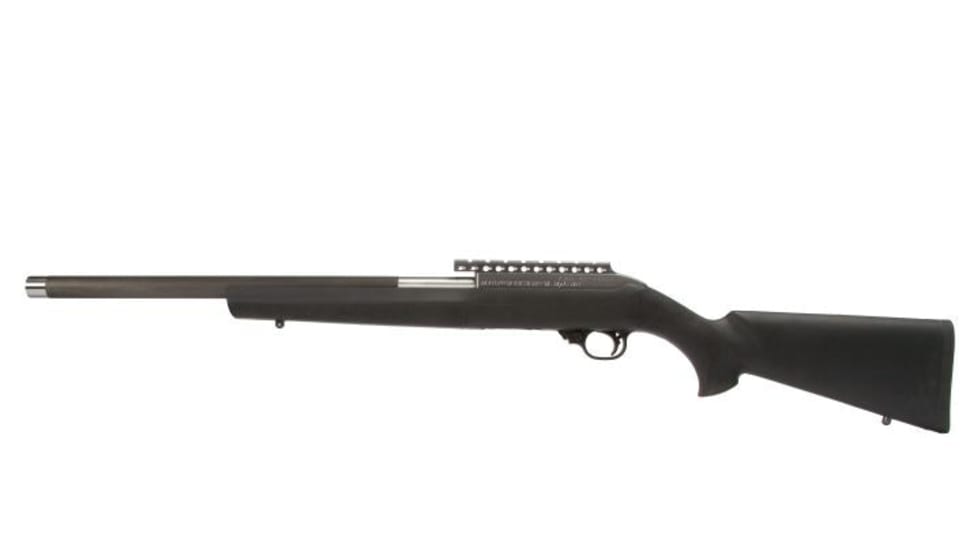
Read More →Magnum Research, Inc. (MRI) has introduced the re-engineered Magnum Lite MLR22 Win Mag rifle series in a semi-automatic version. The Magnum Lite series includes six models, including two with an 18-inch stainless steel barrel, and four with a 19-inch graphite barrel.
Read More →In-Range Supplies has introduced the Portable Tactical Bullet Trap for firearms training, according to the company.
Read More →Elzetta Design will offer the Low Light Tactical Training and Zombie Shoot—an affordable and fun opportunity to gain valuable tactical firearms training for low light conditions.
Read More →To help 1911 users diagnose, correct, and maintain their fussy firearm, the training arm of 10-8 Performance offers a 1911 diagnostics and operation course. The staff of 10-8 Consulting is made up of fulltime or retired officers who carry or carried 1911s as their duty weapon, including founder Hilton Yam.
Read More →Salute Products' new steel target is just over 20 inches tall and 11 inches wide. It's made of AR500 steel armor plate, which makes it rifle rated.
Read More →The high cost of ammo has police agencies scrambling for ways to cut their firearms training budgets while still maintaining standards. Some are walking a very dangerous line where their solution to the problem has been to cut back on firearms training opportunities both for in-service personnel and for recruits. Others are looking for ways to achieve the same training goals without sending ammo down range.
Read More →