
Police Magazine

 MENU
MENU SEARCHMENUSEARCH
Loading data...
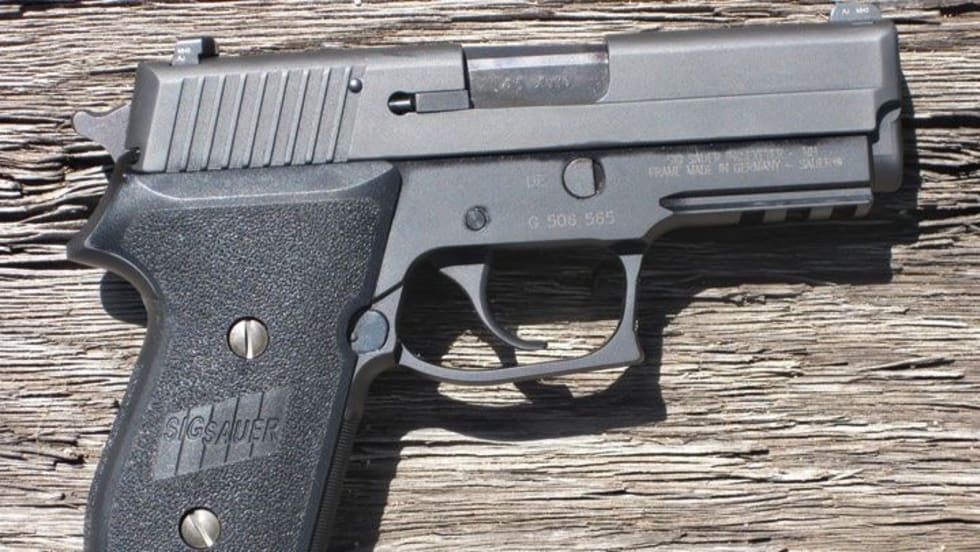
SIG Sauer has developed a new line of SIG 220 .45 ACP pistols: one model with a full-size SIG 220 grip and one with a shorter grip that is considerably more concealable.
Read More →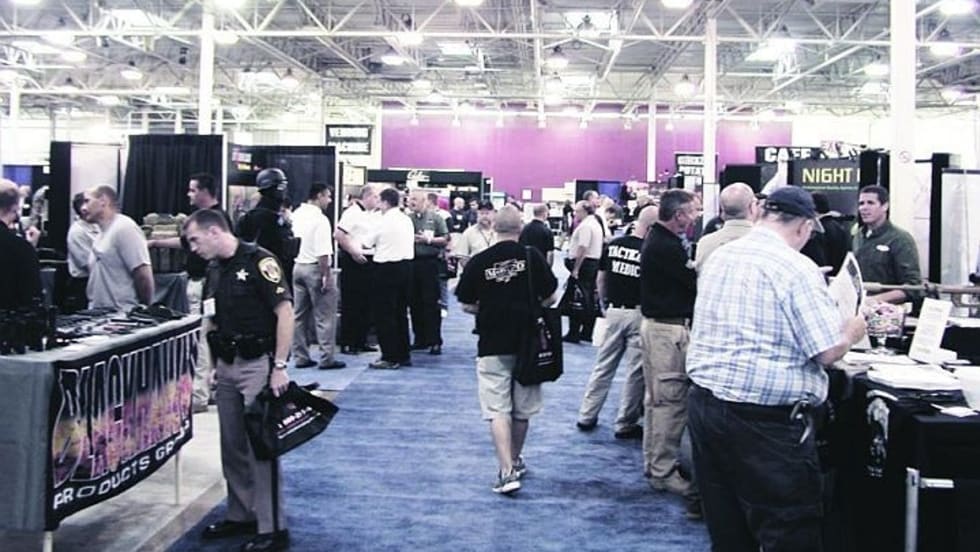


Each year at POLICE-TREXPO, the trade show and exposition attracts some of the leading manufacturers of tactical products and vehicles. This year's show was no exception. The aisles were packed with innovative and intriguing new tools and machines. Here's a look at some of the highlights.
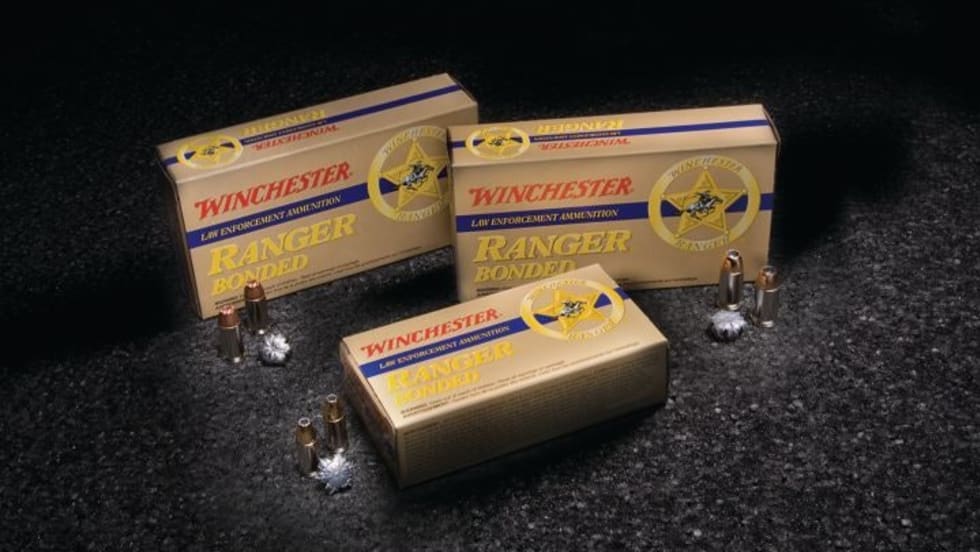
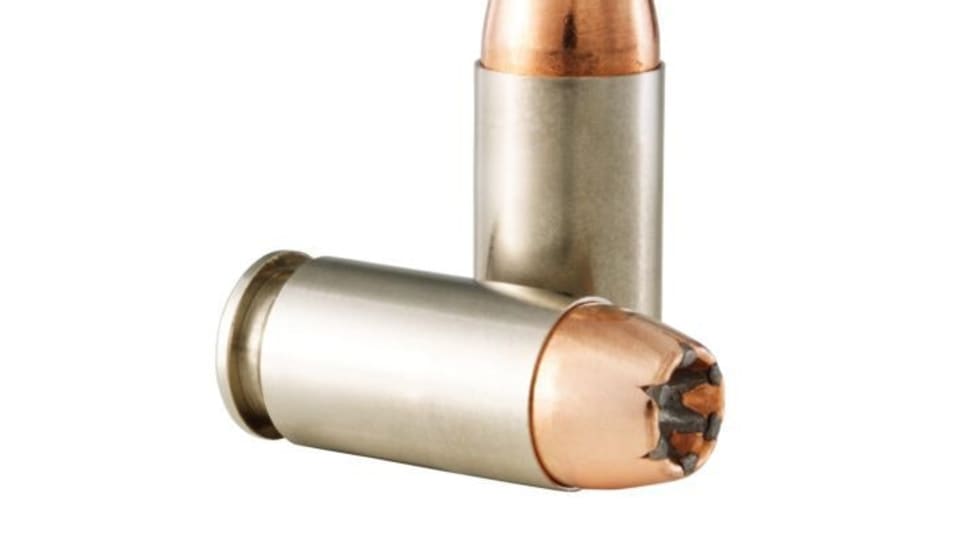
Read More →The bonding process welds the lead and jacket together as one, which controls expansion and provides superior retained weight upon impact. This ensures "maximum stopping power," according to the company.
Read More →As its name indicates, the Smith & Wesson Bodyguard 380 was designed from the ground up for use by police officers and licensed civilians who needed a small, lightweight, concealable, and easy to use pistol. I believe it would be safe to say that S&W's engineers have delivered just that.
Read More →The .223 is a respectable cartridge for many applications, but can fall short at a longer-distance range for penetrating heavy media such as concrete, armor plating, and dense steel.
Read More →All officers were carrying one of the NYPD's approved on-duty 9mm handguns and fired Speer Gold Dot, 124-grain hollow-point bullets, Sgt. Kevin Hayes told POLICE Magazine. Officers carry magazines with a 15+1 capacity.
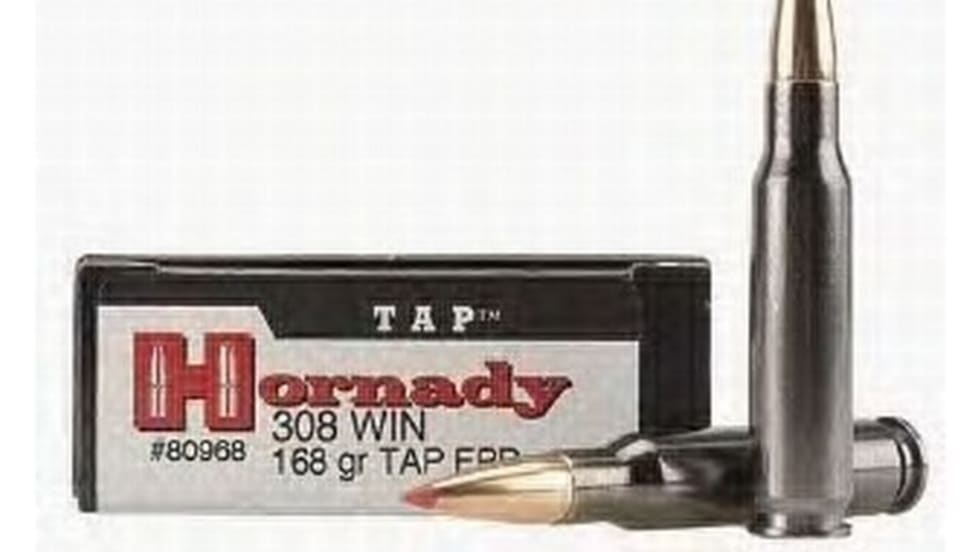
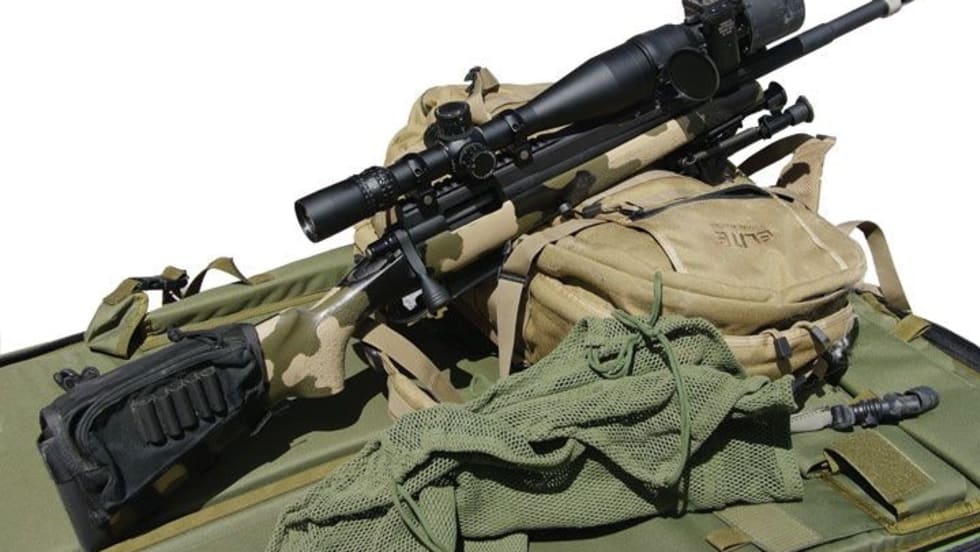
Read More →This is about an alternative to a .308 for those snipers who will likely never even see a 100-yard deployment and do not need the overpenetration or down range effect. I believe the 6.8 SPC is that alternative.
Read More →From experience I can say that the Colt LE6920 is an outstanding semi-automatic M4-style carbine. It's chambered in 5.56mm and incorporates Mil-Spec features in its design.
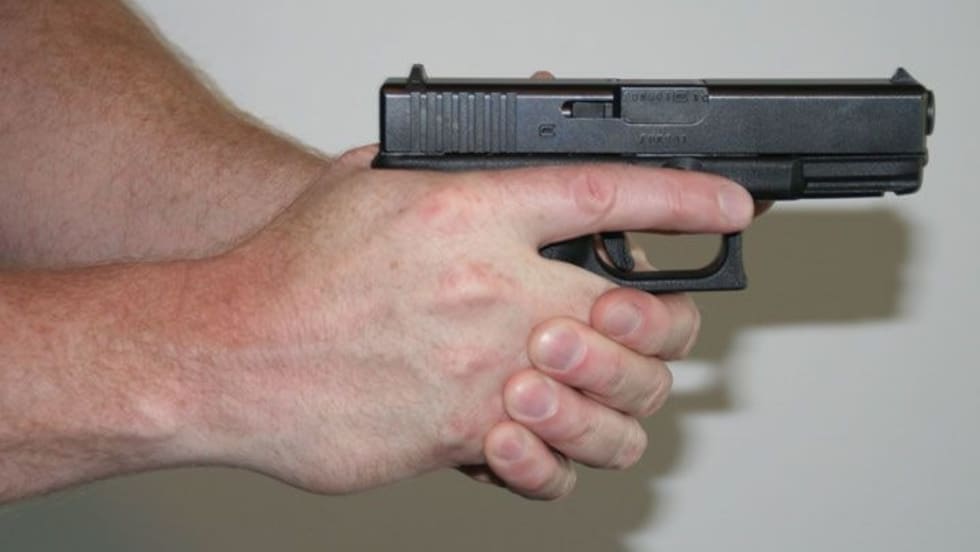
Read More →Most of us will agree that properly gripping a firearm is an important element of fundamental shooting skills, but what is the "proper" way to grip a handgun?
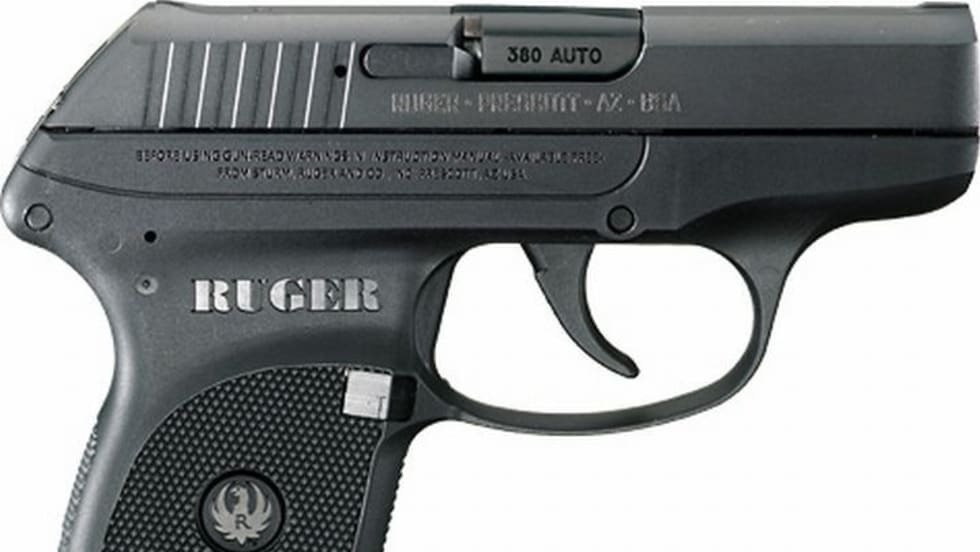
Read More →The .380 ACP round is much shorter than either the 9mm Luger or the .38 Special, creating the ultimate deep concealment package with six to eight rounds of ammunition. This exceeds the average five-shot, deep-concealment revolver by a few potentially life-saving rounds.
Read More →