
Police Magazine

 MENU
MENU SEARCHMENUSEARCH
Loading data...
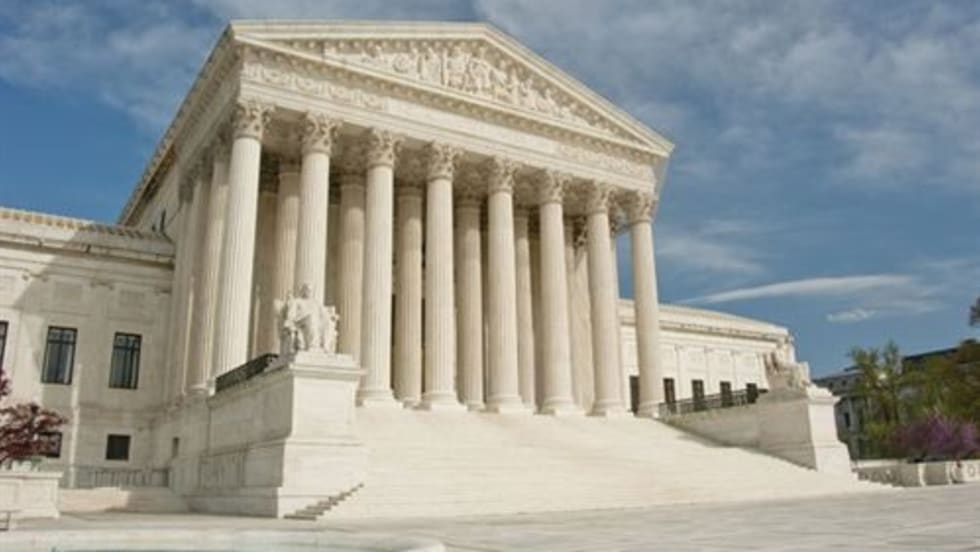
Federal agents violated a suspect's privacy rights, when they used a Global Positioning System device to track his movements for 28 days without a warrant, the U.S. Supreme Court has ruled.
Read More →

Although some searches and seizures may only be justifiable under a single approach, many can be justified several different ways. The U.S. Supreme Court has long held that when this is the case, any independent source of contested evidence will suffice, even when another does not.
Read More →The U.S. Supreme Court will hear arguments in the lawsuit challenging the constitutionality of Arizona's immigration law, Senate Bill 1070. Its ruling could impact immigration laws nationwide and push the immigration debate into the spotlight during the final months of the 2012 presidential race.
Read More →The decade of the 1960s gave us four of the most significant cases that apply to our daily work: Mapp, Brady, Miranda, and Terry. These four are among the most prominent criminal law cases you should know more about to understand how we got to where we are.
Read More →This week, the U.S. Supreme Court is considering whether attaching a high-tech tracking device to suspect's vehicle without a warrant is constitutional.
Read More →Our legal system is terribly stacked against law enforcement officers and for plaintiff's attorneys. The U.S. code itself specifies how attorney fees will be set in civil rights cases against cops. That's why so many cases are filed against you and the agencies and government entities that employ you. Lawmakers—mostly lawyers themselves—set up paydays for their colleagues.
Read More →The U.S. Supreme Court has expanded Miranda rights for juveniles, issuing a 5-4 decision stemming from a case involving North Carolina officers who had questioned a 13-year-old.
Read More →The U.S. Supreme Court has ruled in favor of law enforcement officers who perform an illegal search in good faith, which wouldn't trigger the exclusionary rule for evidence that incriminated the subject.
Read More →Some actions you take have been classified by Supreme Court decisions as requiring that you articulate a "reasonable suspicion" in order to make them constitutionally reasonable, while others can be undertaken only if there is "probable cause" ("PC"). But what do these terms mean? And how do you match the right level of justification with the kind of conduct you're seeking to justify?
Read More →Because smartphone technology is relatively new, the Supreme Court has not decided a case that specifically addresses the question of what types of law enforcement smartphone records are discovery material.
Read More →