
Police Magazine

 MENU
MENU SEARCHMENUSEARCH
Loading data...
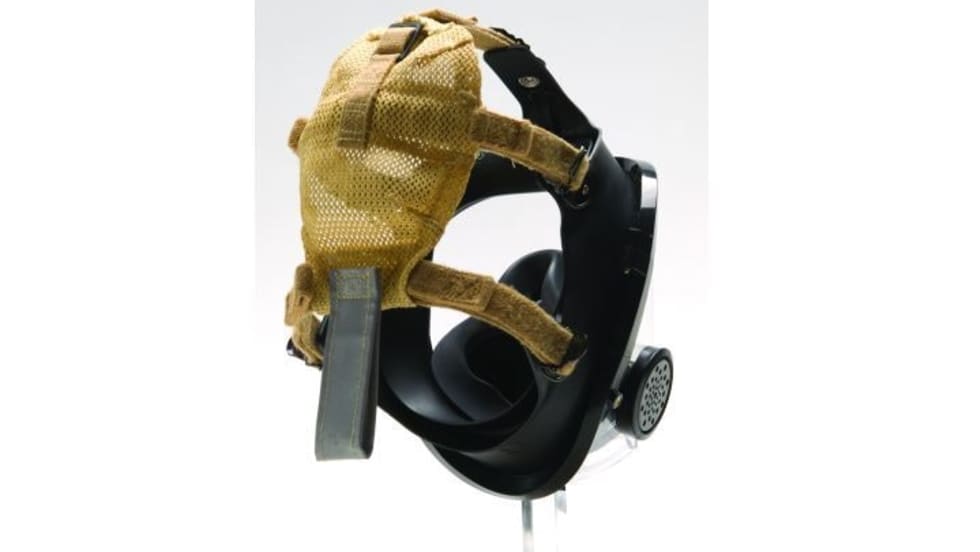
The Scott SureSeal system includes features such as an enhanced sealing surface and practical personal protective equipment (PPE) interfaces. It's integrated with the Scott AV-3000 facepiece, so users experience an expansive field of vision and exceptional voice intelligibility, according to Scott.
Read More →
Avon Protection Systems Inc. and Avon-International Safety Instruments, Inc. have announced today that the Avon ST53 SCBA system is now certified by NIOSH for industrial protection under 42 CFR 84 as SCBA.
Read More →The crash of a small plane into a Northwest Austin building that housed federal offices was likely an intentional act of a person targeting the Internal Revenue Service, Austin's police chief has said.
Read More →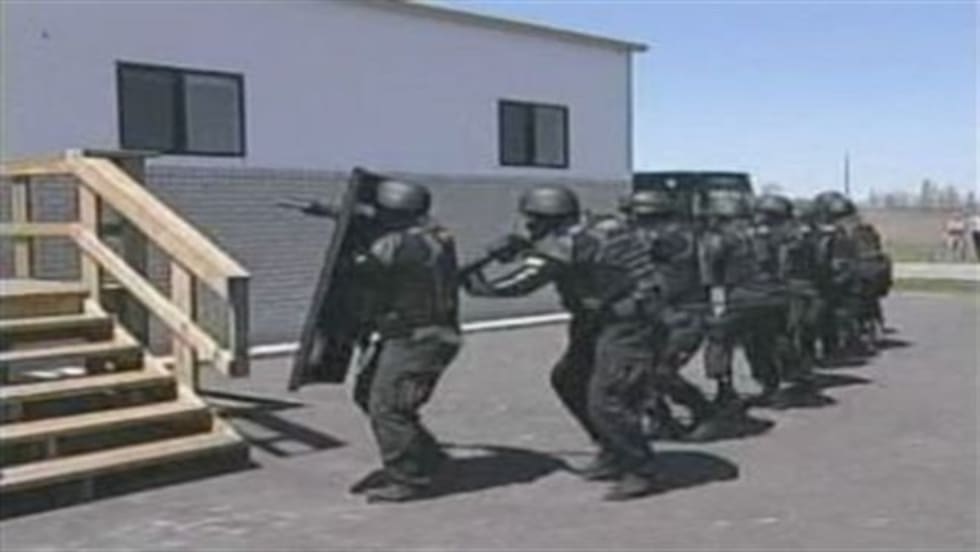
Owens Community College offers scenario-based training to first responders via its Center for Emergency Preparedness in Toledo, Ohio. The facility features a Firearms Training System (FATS), an interactive simulated system designed to provide training in the handling and use of small and supporting firearms, as well as confronting hostile assailants.
Read More →New York Task Force One is managed by the Office of Emergency Management (OEM) and is equipped with the latest technology and equipment, trained to respond to catastrophic events involving the collapse of heavy steel and concrete.
Read More →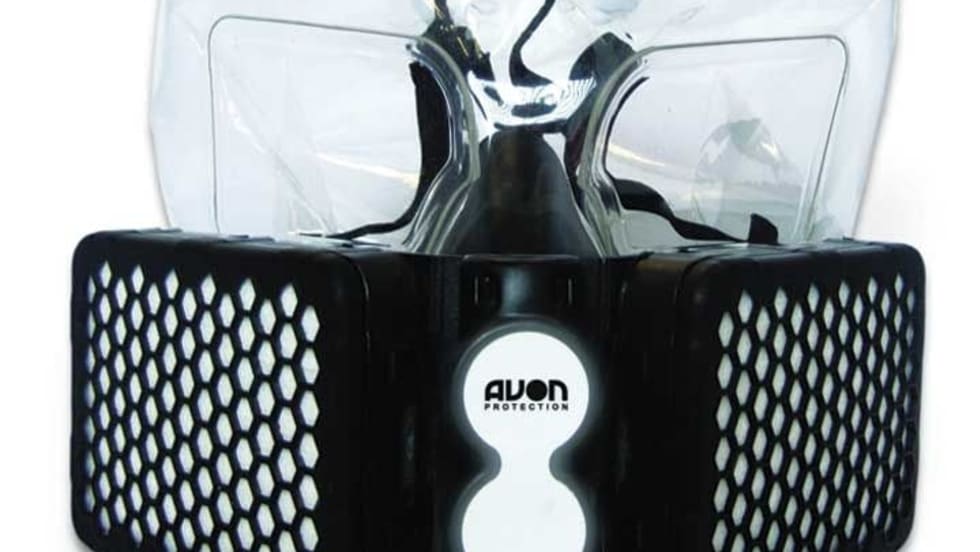
he Avon NH15 Escape Hood is the most compact NIOSH-approved CBRN escape hood available. Designed for use by first responders, the hood provides multiple carry options, including a thigh-mount-capable carrying case, and a streamlined design reduces snagging and delay in donning.
Read More →
Columbine is a vivid example of what happens during a tactical operation when communications break down. It and 9/11 are also strong examples of why first responders need radios that can talk to personnel from other agencies.
Read More →BAE Systems, Inc., has donated, installed, and provided training for 10 First InterComm interoperable communication units worth a total value of $65,000 to emergency responders in Grady County, Okla.
Read More →
Although digital cameras are certainly high-tech and have a lot more power and control than their film predecessors, they are still only as good as the officer holding them.
Read More →
The actions you take as a first responder can determine the value of crime scene evidence for investigators and prosecutors.
Read More →