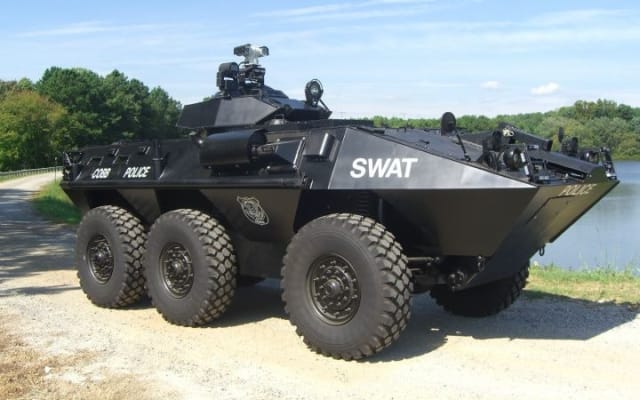
The federal government's 1033 program allows law enforcement agencies to acquire special vehicles such as an amphibious LAV, Humvee, MRAP, patrol boat, helicopter or even a landing craft for specialized missions. The agencies acquire the vehicles via the federal Law Enforcement Support Office (LESO). Photos are courtesy of LESO.

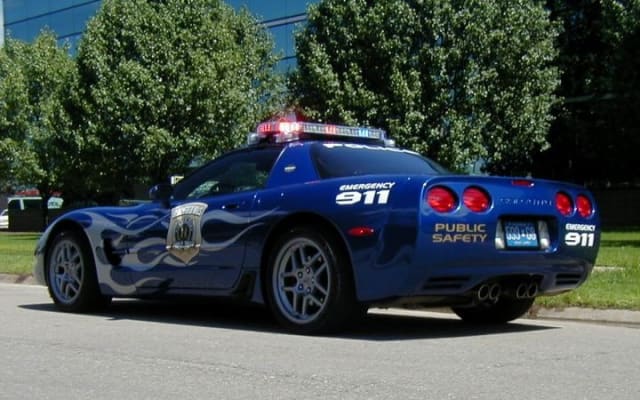
Law enforcement officers usually get to drive "sportier" cars for community relations activities, parades or other warm-weather events. The Bloomfield (Mich.) Police Department, because of a special relationship with General Motors, can call to duty a Chevrolet Corvette, Cadillac CTS Sport, HRR, or Cadillac XLR-V. For more on the vehicles, read the article, "Sporty Police Cars."
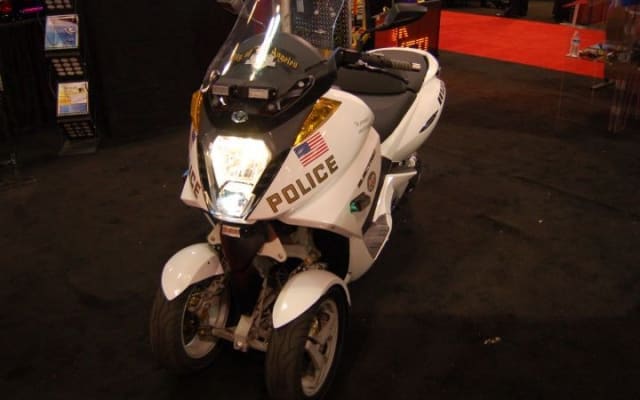
The Los Angeles Police Department is now field-testing the Vectrix VX-3, a unique three-wheeled electric patrol vehicle that will be available in the spring. The LAPD is testing the scooter-type vehicle at the city's LA Live entertainment complex that includes Staples Center. The vehicle was debuted at the 2010 COPSWEST trade show. Photos by Paul Clinton.
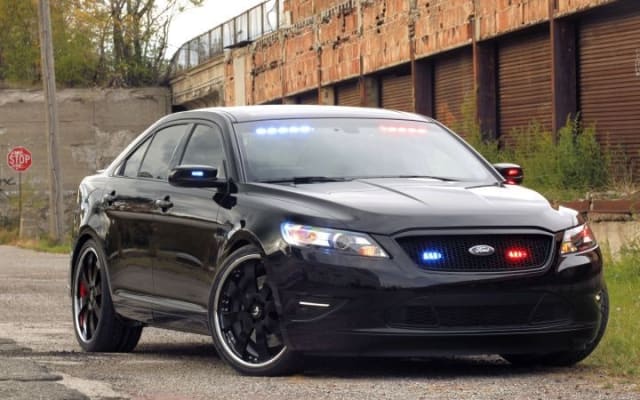
The Ford Motor Co. produced a "stealth" version of its 2012 Police Interceptor for an automotive trade show. Ford has no current plants to produce the stealth concept vehicle, yet it released additional photos showing its spy-car features that include lighting that isn't noticible until its activated, a secret weapons compartment in the glove box and more sinister body styling lines. The vehicle appeared at the SEMA (Specialty Equipment Market Association) Show in early November. Photos are courtesy of Ford.
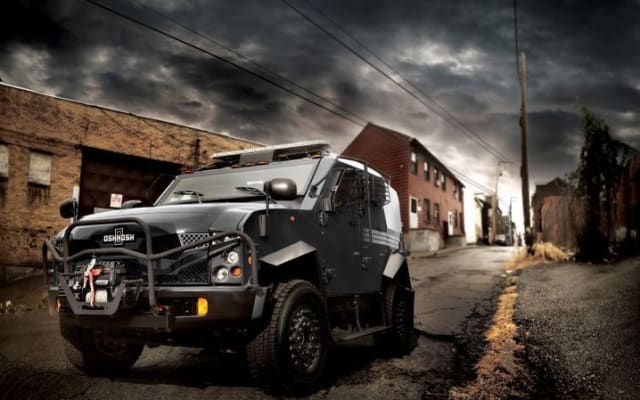
Oshkosh Defense's Tactical Protector Vehicle (TPV) looks ready for serious business. It's a large vehicle compared to a passenger SUV, but it's actually smaller than some other tactical rescue vehicles designed for the police market. Wisconsin-based Oshkosh Defense has been making armored rolling stock for the U.S. military since 1918. The Oshkosh Defense TPV—the company's first tactical response vehicle for law enforcement—benefits from its manufacturer's long history of making military vehicles. Read POLICE Magazine's "First Look" article on the TPV.
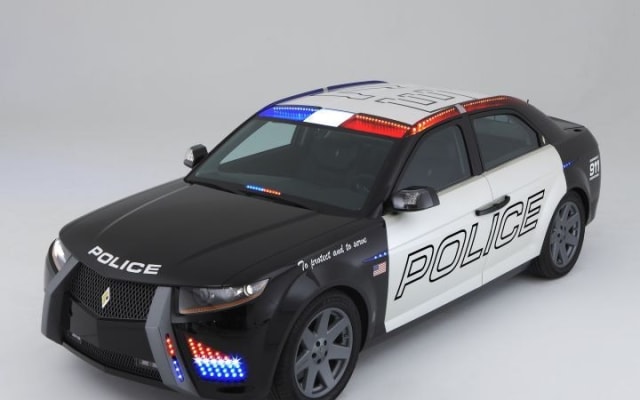
Firefighters, the military, paramedics, even postal carriers, drive vehicles built for their jobs. The Carbon Motors' E7 would give law enforcement officers such a vehicle. Time will tell whether it becomes the "patrol car of the future." But here's a closer look at its purpose-built (mostly interior) features that have made an impression with officers.
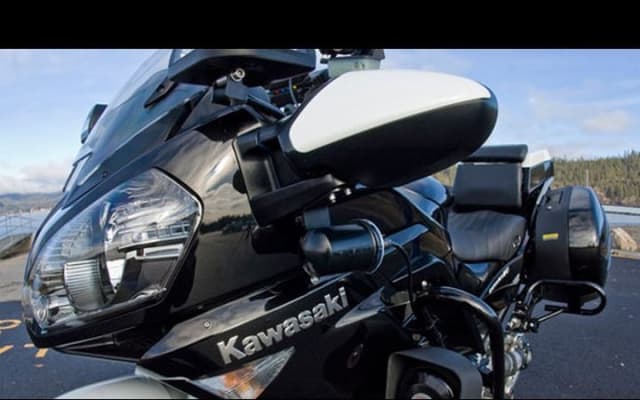
Kawasaki reentered the law enforcement market with the 2009 Concours 14P police motorcycle that arrived in June. The Idaho State Police bought seven bikes to become the first agency to begin using them for motor patrol. For 2010, the company added a few upgrades such as heated hand grips, traction control and a tire pressure moniting system as standard features. Photos are of the 2009 Concours 14P and courtesy of Beaudry Motors Inc.
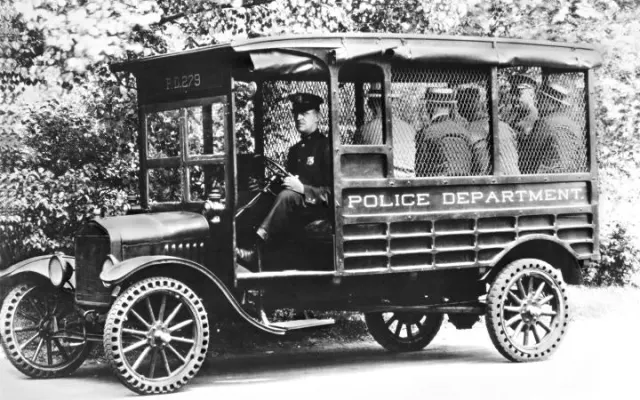
The Ford Motor Co.'s March announcement that it will introduce a new patrol car has been met with a high level of interest from officers who have been driving the Ford Crown Vic Police Interceptor since the 1990s. Ford has been producing vehicles for law enforcement for almost 100 years. Here's a look at photos and ads through the years that feature the company's vehicles, beginning with a Model T police truck produced in 1919.
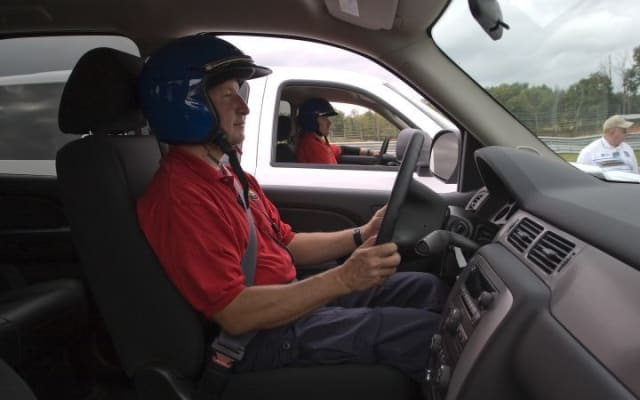
Each year, the Michigan State Police driving unit evaluates law enforcement vehicles from the new model year. The unit evaluates patrol cars, SUVs and motorcycles using a series of tests that test each vehicle's performance, ergonomics and mechanic-friendly qualities. The results are tallied and included in a report that's used by police fleet managers to aid in the decision to purchase patrol vehicles.
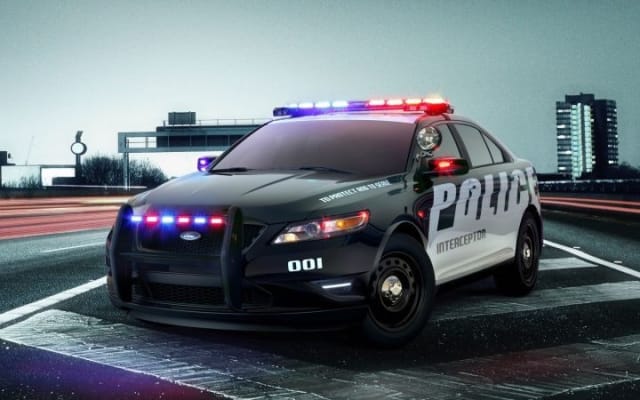
Ford's new Taurus-based police interceptor will replace the aging "Crown Vic" in late 2011. Like the civilian version of the 2010 Taurus, the new full-sized patrol car will arrive in all-wheel and front-wheel drive versions and a pair of powertrain configurations. The V-6 engines will deliver better performance than many current V-8s, according to Ford.
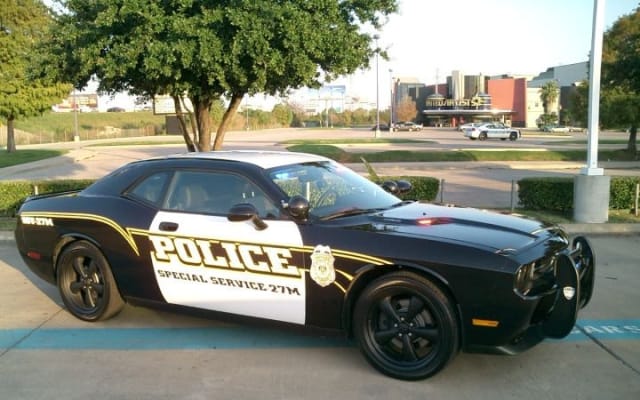
A Texas Chrysler dealer is offering a powerhouse law enforcement version of the re-introduced Dodge Challenger muscle car that can reach 165 mph. The vehicle is available with a variety of custom options and is currently being used by several Texas agencies as a highway car for drug interdiction duty in solid black. We've blogged about the Challenger. Now, take a more in-depth tour with this gallery. Photos courtesy of Group 1 Automotive.