



Train for Survival
Just as every police officer knows that it might be necessary to take a human life in the performance of his duties, every officer also is aware that saving lives is an important part of police work. The trauma in either situation, however, is only an abstraction until he comes face-to-face with the real possibility of death.

After 24 years in law enforcement, I wanted to share my feelings about life and death on the job and the reality of being a street cop.
Just as every police officer knows that it might be necessary to take a human life in the performance of his duties, every officer also is aware that saving lives is an important part of police work. The trauma in either situation, however, is only an abstraction until he comes face-to-face with the real possibility of death.
In my own case, after less than two years on the Burbank Police Department, I confronted both situations within a span of 96 days.
Late one night, while working the Burglary Suppression Detail, a plainclothes assignment, my partner and I came upon a vehicle engulfed in flames in an alley behind a business. There was a horrible crackling noise as the paint peeled and blistered. Someone screamed. "I think there's a man inside!"
I ran to a patrol car that had just arrived and grabbed a fire extinguisher. After an initial attempt to open the car door was rebuffed by the intense heat, I wondered: Was I risking my life for an empty car?
I knew I had to try once more. Spraying the car door to reduce the intense heat, I shielded my face with my jacket and then wrenched frantically at the door handle. As the door opened, a blast of heat singed all of the hair on my head and arms as a man's head fell into the door opening from the rear floorboard.
As the gas tank exploded I gained the strength to heave the 300-pound man to a safe area. After I cleared the black plastic soot from his mouth and nostrils, and performed a head tilt, chin lift, he started, to breathe. I tried to reassure him - and myself - that we were still alive. Fortunately the man survived, although his lungs were badly seared and scarred.
Ninety-six days later I came to grips with life and death once more, but this time in more tragic circumstances.
I had returned to the station from my plain-clothes detail at around 5 a.m., when a "burglary in progress" alert was signaled. I jumped up and ran to my car, when another officer yelled for me to join him in his patrol cat'.
We arrived almost immediately, and learned of a broken window on the building's north side. While my partner covered the south side, I went to find the window. Looking down the north wall of the building, I saw no windows only an alcove, about two-thirds of the way toward the far end, which appeared to open into the alley.
With my .38-caliber revolver in hand, I cautiously moved to within 20 feet of the alcove when I heard a strange metallic sound coming from it.
Hugging the wall and praying that noise meant nothing, my heart sank as a man stepped out from the alcove into the middle of the well-lit alley. I could see almost every detail of his face and clothing, But riveting my attention was the handgun in his hand - a gun that was pointing at me!
As I yelled, "Freeze! Police officer!" I saw the flash of his gun and heard the ricochet of the bullet on the wall next to me. Almost unable to believe that someone was shooting at me, I went into a combat crouch and returned fire. As I emptied my revolver, he fired twice more, one shot catching my right biceps, which felt like being struck with a baseball bat.
I dove for the ground and rolled to the opposite side of the alley, praying I could reload before he shot again. The man then turned and ran down the alley in the opposite direction.
Shocked, I rose to my feet and ran back to the patrol car to report the gun-man's flight and my injury.
As the emergency room doctor informed me that I only had a flesh-wound, I wondered how I had missed the man from such close range.
A few moments later a police sergeant came in and told me that the man had been struck in the chest by one of my bullets and had died.
I was confused and ambivalent; I was alive, but another man was dead by my hand. Did the life I had saved three months earlier balance the one I had just taken? Shaken, I thanked God for my own survival.
Later, I thanked our range master, Ted Elsenbaumer, for the training which saved my life. Repetitious "reactive" combat training had given me the edge to survive an officer's worst nightmare. Now each day I report to work, I'm reminded how fragile life is and how valuable are the training tools we tuck away in our memory banks.
Editor's note: Detective Amspiger was awarded a Medal of Valor for his actions.
More Patrol

Team Wendy Introduces the EXFIL Endurance Ballistic Helmet, Engineered to Reduce the Burden of Extended Wear
Team Wendy has launched its EXFIL Endurance, a new lightweight ballistic helmet engineered to deliver protection, comfort, and fit during demanding, extended operations.
Read More →
The First Responders Children’s Foundation National First Responders Day Roll Call of Heroes Ceremony Returns to Times Square, NYC
First Responders Children’s Foundation (FRCF), in collaboration with T-Mobile, will host the Roll Call of Heroes ceremony in Times Square to commemorate National First Responders Day on Wednesday, Oct. 28. During the event, FRCF will present 18 Hero Awards.
Read More →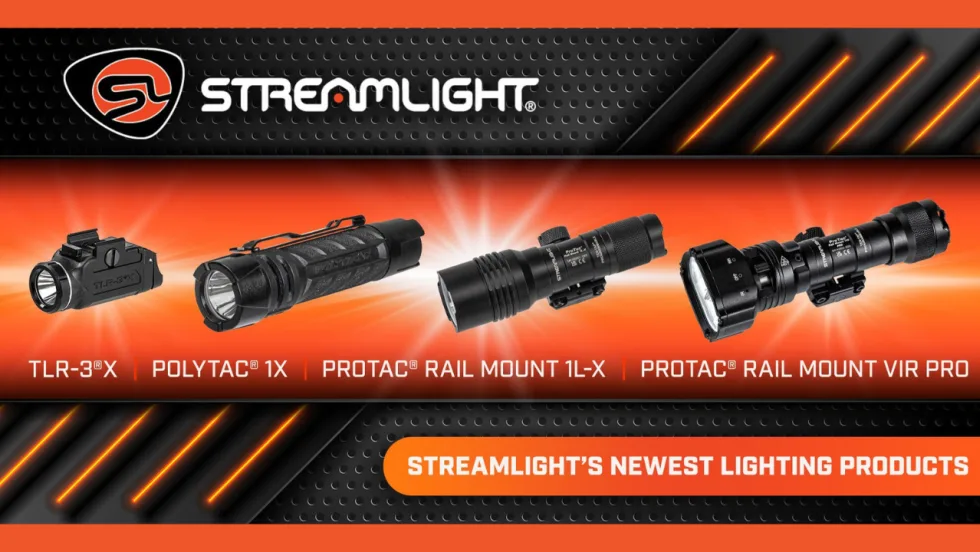
Streamlight to Showcase Newest Lighting Products for Law Enforcement Professionals at IACP 2026
Streamlight will showcase its newest lights for law enforcement at the International Association of Chiefs of Police Annual Conference & Expo. Featured lights will include the TLR-3 X, the PolyTac 1X, and more.
Read More →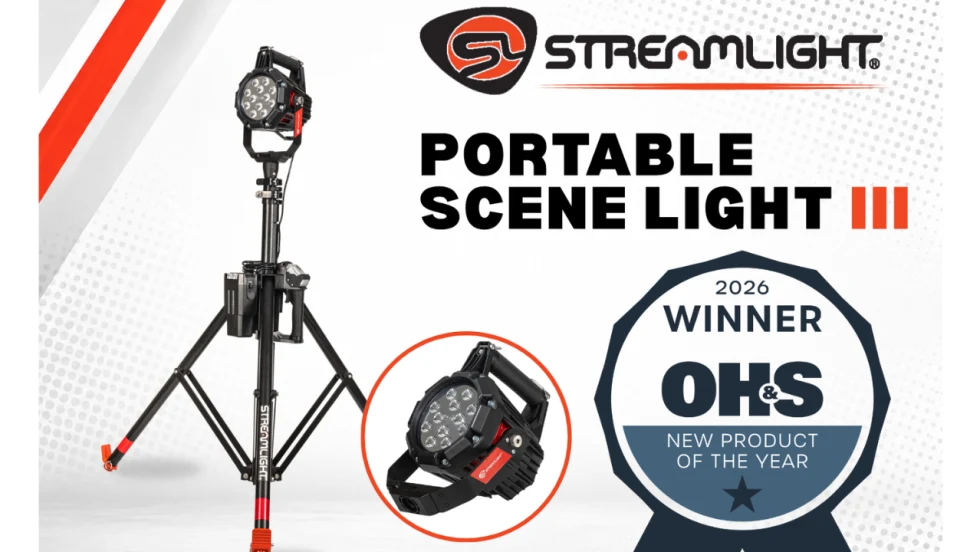
Streamlight Portable Scene Light III Wins 2026 OH&S New Product of the Year Award
Streamlight’s Portable Scene Light III has won the 2026 Occupational Health & Safety (OH&S) New Product of the Year Award in the Lighting category.
Read More →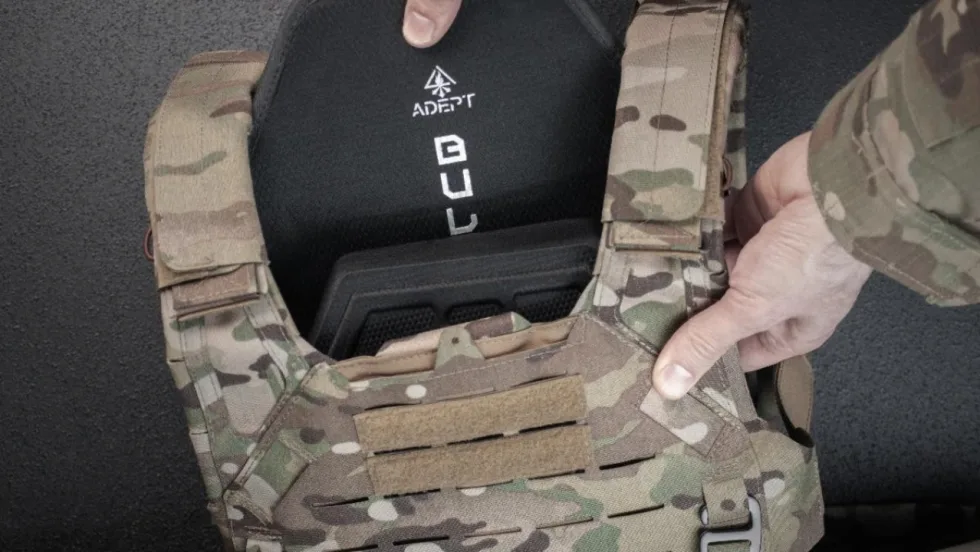
Adept Armor Introduces Two New Rifle Plates
Adept Armor has launched two new Level IV ballistic plates, the Emperor and the Archon Mark 2, which brings Adept Armor’s new Quatroid ceramic to the high-threat, performance-value center of the range at 5.2 pounds.
Read More →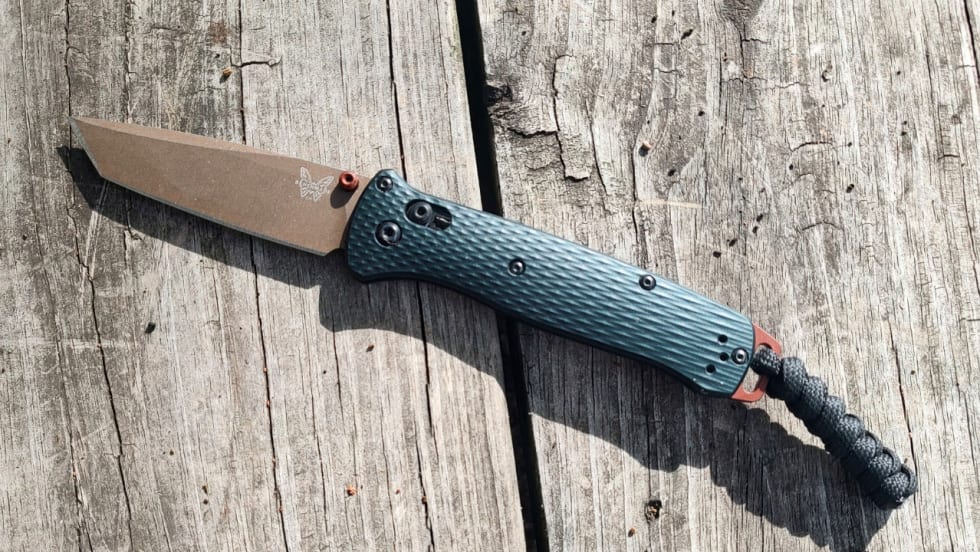
POLICE Product Test: Benchmade Bailout
The Benchmade Bailout is a slim, lightweight carry knife with a deep-ride pocket clip and comes in a variety of blade steels and scales. Here is a detailed review of the Taiga Green Bailout, released earlier this year.
Read More →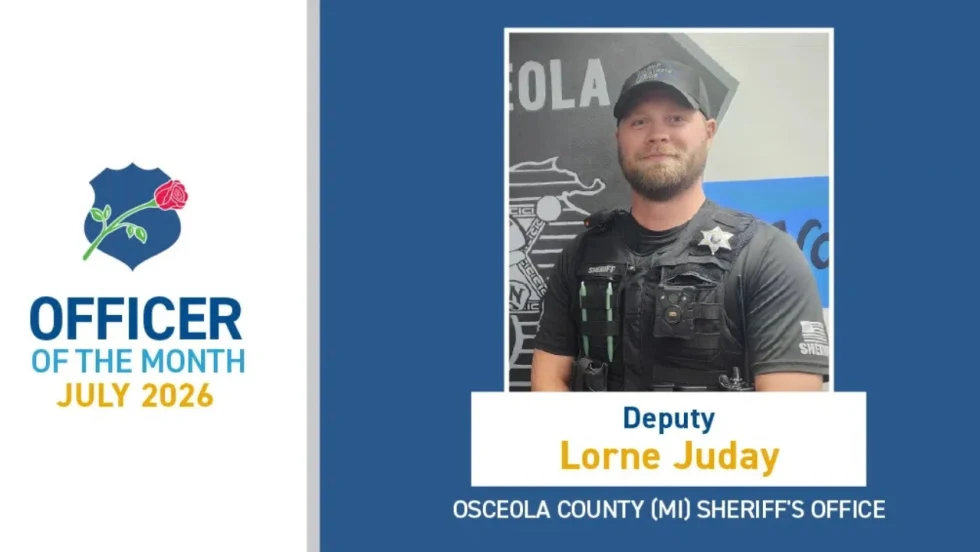
NLEOMF Announces July 2026 Officer of the Month
NLEOMF honored a Michigan deputy sheriff as the July 2026 Officer of the Month for rescuing a trapped driver from a burning vehicle following a Fourth of July crash.
Read More →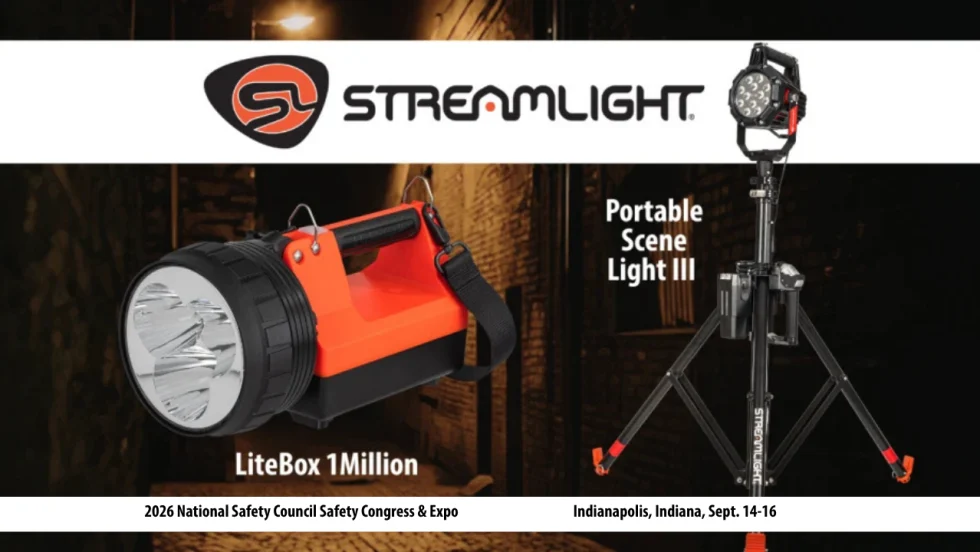
Streamlight to Showcase Newest Lighting Products at National Safety Council’s Safety Congress & Expo 2026
Streamlight will showcase its latest lights, including the Portable Scene Light III and the LiteBox 1Million, at the 2026 National Safety Council (NSC) Safety Congress & Expo.
Read More →
The 2027 World Police & Fire Games Set for Perth, Australia
The 2027 World Police & Fire Games (WPFG) will take place in Perth, Western Australia, from Friday, March 12 through Sunday, March 21, 2027.
Read More →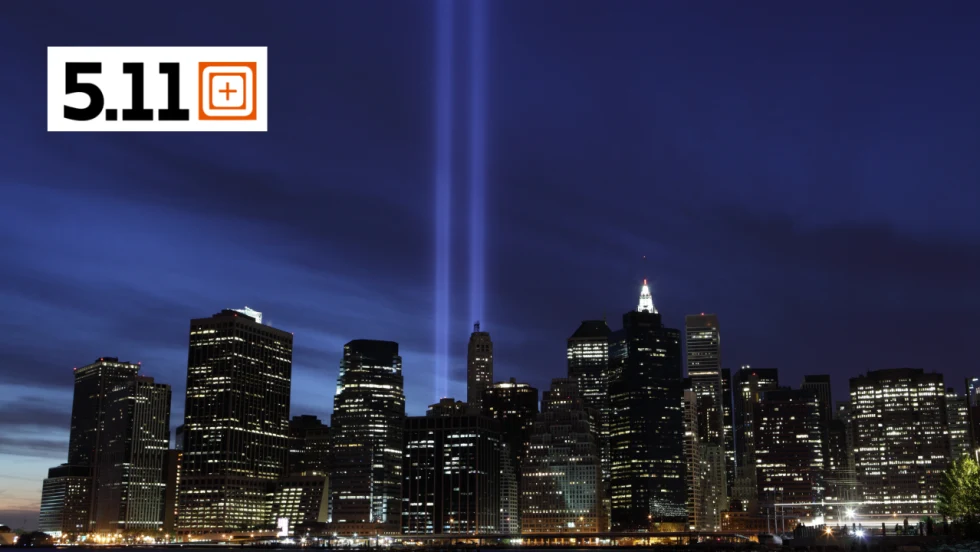
5.11 Partners with National Fallen Firefighters Foundation to Support #ForThe343
5.11 has joined the nationwide movement honoring the 343 New York City Fire Department firefighters lost on Sept. 11, 2001.
Read More →