



Real Players Resist Urge to Armchair QB
Police officers, like athletes, must perform in the "public eye" under tremendous stress and pressure. The self-proclaimed experts then scrutinize the decisions made, or not made. They sit back in their armchairs, not having to make split-second decisions. Many have never played the game, yet they are quick to criticize.

Having trained thousands of law enforcement officers in the proper response to and resolution of critical incidents, we watched the Columbine tragedy as courageous tactical officers executed a hurried but effective plan to safely "clear the school."
Because police work has many similarities to an athletic contest, we use sports analogies in our critical incident training program. Police officers, like athletes, must perform in the "public eye" under tremendous stress and pressure. The self-proclaimed experts then scrutinize the decisions made, or not made. They sit back in their armchairs, not having to make split-second decisions. Many have never played the game, yet they are quick to criticize. This same type of second guessing holds true in police work-we're seeing it now with the Columbine incident-except the stakes in our arena are much higher!
No one except the officers who developed and executed the plan to enter the school had the initial information that was available-sketchy as it was-during the first few minutes of the siege. Litigation is forthcoming which places a "shroud of silence" on those directly.
We do know that within 30 minutes of arriving at the scene tactical teams began to deploy. Yet many continue to question the failure of the officers to "get in quicker." These comments are irresponsible and broach a challenge to these officers' oaths of office. Do we think they were afraid? This is what we are inferring by questioning the actions of the officers, without the benefit of the crucial information available at the moment decisions were being made. One tactical commander had a son inside that school. Would anyone truly believe that he didn't want to get in quicker?!
There is no doubt that we must examine this incident carefully because there are lessons to be learned. We have trained police supervisors for more than 10 years, using simulation exercises on a 'model city' to enhance critical incident management skills. The training provides supervisors with the experience and skills to stabilize and resolve a critical event. It also stresses the importance of conducting an after-action review in which three questions are asked: What happened? What was our response? What would we do differently the next time?
Recently, a police supervisor in our program said, "I would hope that one of our officers wouldn't stand outside of that school while children were being killed." This is an understandable, yet disturbing comment. The decision by some law enforcement officers and supervisors to "just get in there," is why we have been tagged in "weapons of mass destruction" incidents, as the "second wave of victims." Law enforcement's traditional response to critical incidents is very often to rush in without considering the consequences or the dangers involved. The lack of a proper risk assessment by the initial responding supervisor may place subordinates and those responding in greater danger.
A response plan that standardizes tasks to be accomplished is needed. It was quite clear that the police, fire and emergency medical services (EMS) agencies involved coordinated their efforts.
If the first responding officer's decision at the onset of the Columbine incident had been to immediately "get in the school," imagine the chaos that would have resulted had no perimeters been established. Parents, the media and others would have rushed into that school. Maybe this is what the "thugs" wanted.
The chaos and confusion of the Columbine incident was handled in a controlled, professional and coordinated manner. The officers involved were heroes that day and don't deserve the criticism that they have received.
Let's leave the armchair quarterbacking to those who have never played the game, because those of us who have "played the game" know the skill and courage it takes!
Patrol Commander Vincent Faggiano recently retired from the Rochester (N.Y.) Police Dept. where he'd worked since 1966.
Thomas T. Gillespie began a career in law enforcement in 1970. In 1987 he founded Criminal justice Training & Consulting Services and is a scheduled panel member this month in Richmond, Va., at ASLET's forum on mass violence.
This is their first contribution to POLICE.
More Patrol
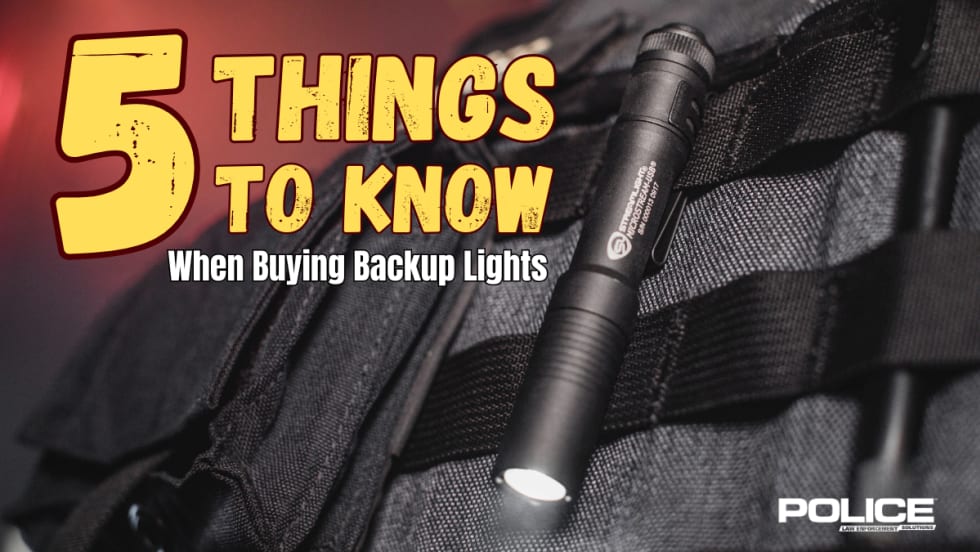
5 Things to Know When Buying Backup Lights for Patrol Use
What is the value of a backup light, and what do you need to consider when selecting one? These smaller lights are invaluable as a secondary or special-purpose light and can be easily carried in a pocket or clipped to MOLLE gear, a key chain, shirt, or a vest.
Read More →
363 Fallen Officers Honored During National Police Week
In case you missed NELOMF’s annual Candlelight Vigil, here are all 363 names of the fallen officers whose names were added to the National Law Enforcement Officers Memorial this year.
Read More →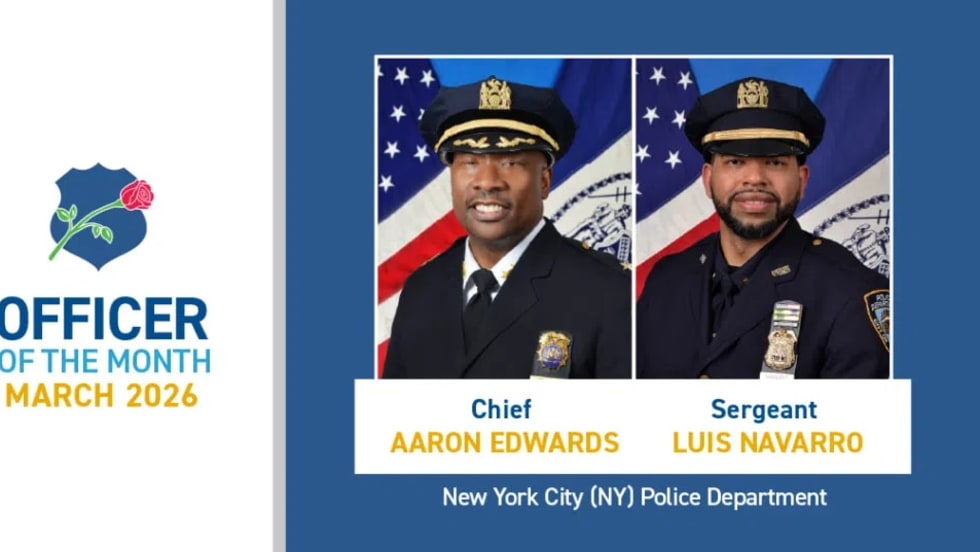
NYPD Officers Who Responded Quickly During IED Incident Recognized as NLEOMF Officers of the Month
Chief Aaron Edwards and Sgt. Luis Navarro were recognized by NLEOMF as Officers of the Month for their response during an IED incident and their actions that helped prevent harm to the public.
Read More →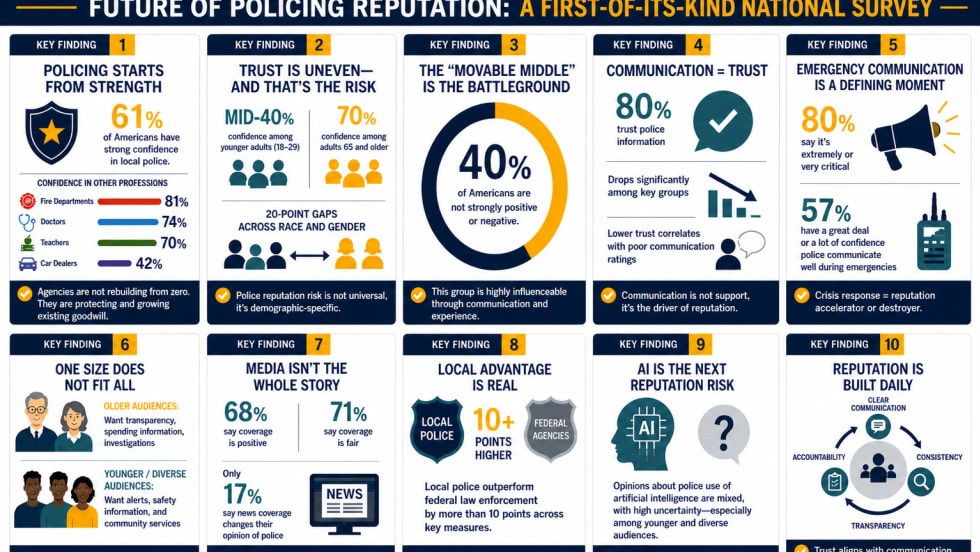
National Police Survey Reveals How Americans View Policing Today
A new national survey offers a comprehensive look at how Americans view policing. The study uncovers public sentiment toward local vs. federal police, communications, crisis response, the use of AI in policing, and more.
Read More →
Streamlight TLR-7 X Selected as Standard Issue Pistol Light by Canadian Federal Police
The Canadian Federal Police will be adding a new duty pistol system, which will include Streamlight’s TLR-7 X and a Glock 45 MOS 7 pistol with a red dot sight.
Read More →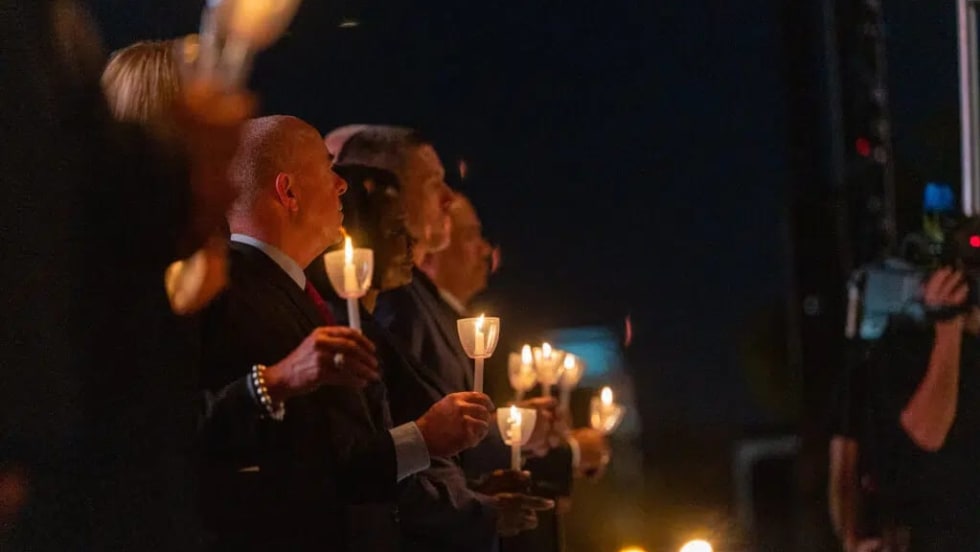
Fallen Law Enforcement Officers from Across the Country to be Honored During 38th Annual Candlelight Vigil on May 13th in Washington, D.C.
The National Law Enforcement Officers Memorial Fund (NLEOMF) will honor 363 fallen officers who have died in the line of duty as their names are added to the National Law Enforcement Officers Memorial during the annual Candlelight Vigil on May 13.
Read More →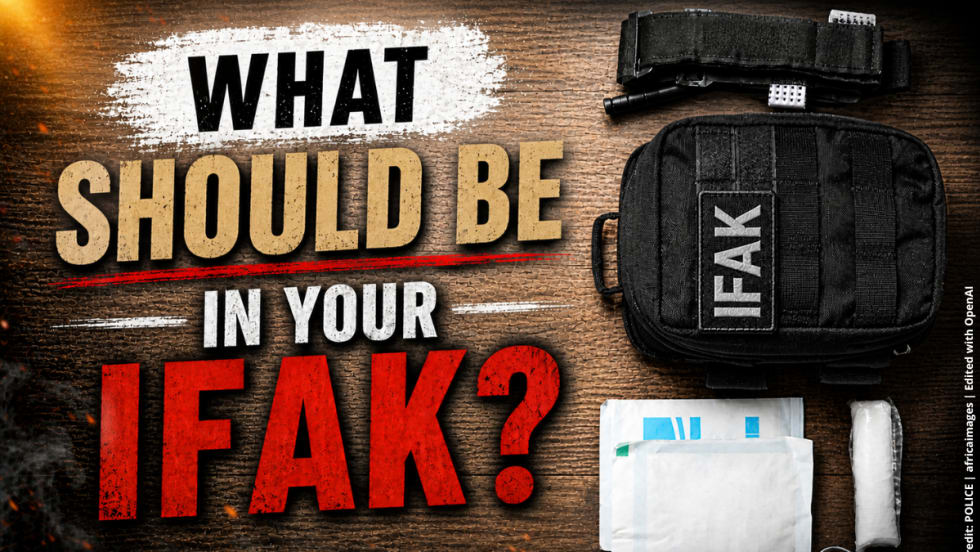
What Should Be in Your IFAK?
What should every officer include in an IFAK? Sydney Vail, M.D., a veteran trauma surgeon and former SWAT surgeon, explains which components are needed and which are not, and stresses training.
Read More →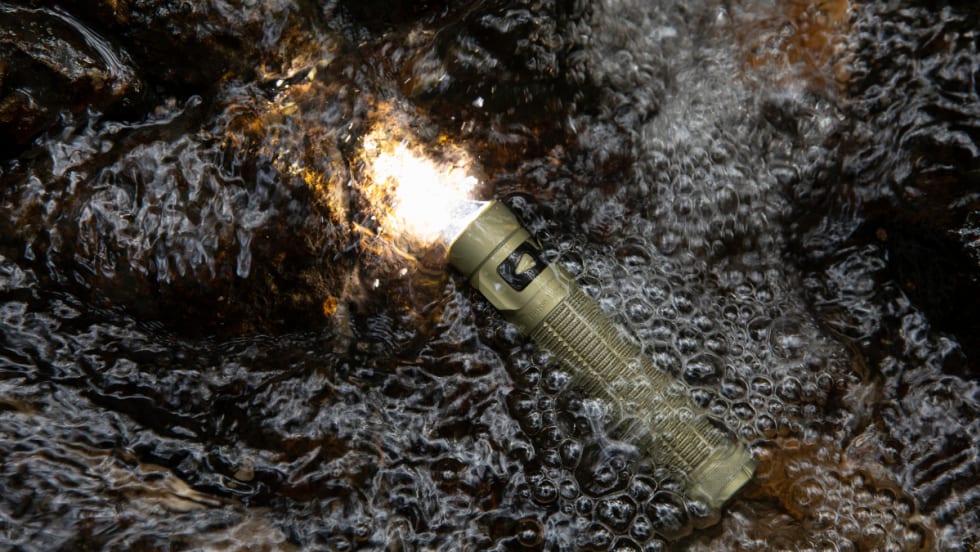
Olight Releases 2 New Baton Variants & the ArkPro Ultra Onyx Black
Olight has added two new lights to the Baton Series, the Baton 4 and the Baton Ultra. One new Baton features up to 1,600 lumens on turbo, and the other 1,800.
Read More →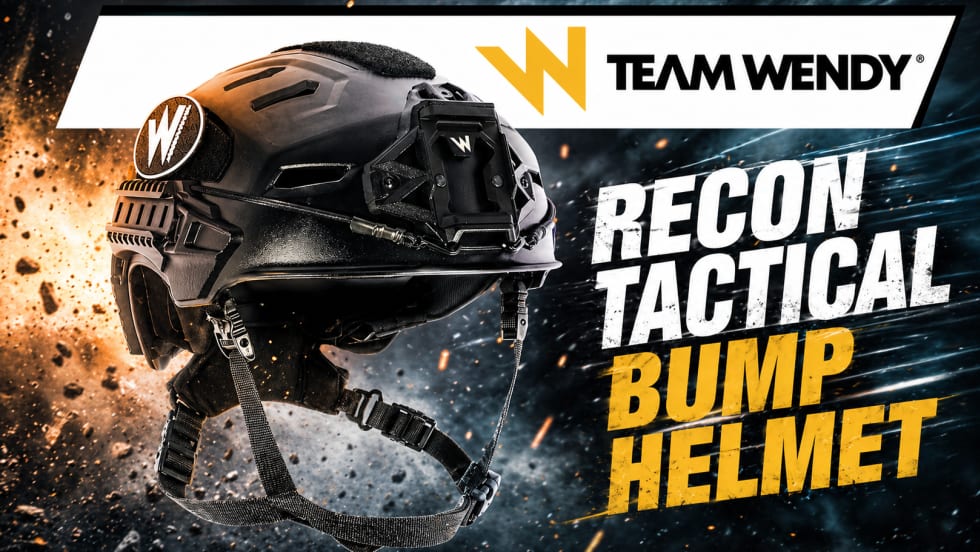
Team Wendy Reveals New RECON Tactical Bump Helmet
Team Wendy’s new RECON Tactical bump helmet is configurable by color, retention, and accessories for rescue, tactical, and military mission needs. It features Zorbium foam pads, shell vents, and lattice cooling pads that balance impact absorption, airflow, and long-wear support.
Read More →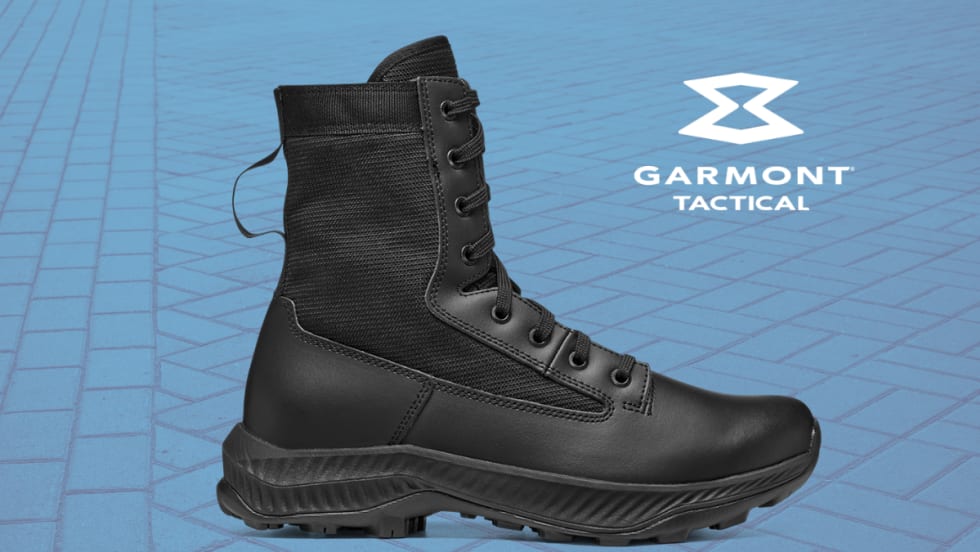
Garmont Tactical Introduces the T8 Specter LE Zip for LE Professionals
Garmont Tactical has a new 8-inch duty boot with a side zipper, the T8 Specter LE Zip. The boot is available now and features ankle support in a standard duty profile with polishable leather.
Read More →