



Saying Goodbye
"Police workers are a family--we deal with some of the most bizarre, some of the most obnoxious, some of the stupidest, and some of the most dangerous problems that people can conjure up. Funeral attendance shows respect for the family, love for the officer, admiration for the profession and shares the grief."

Few citizens are unaware of what it means to see police cars with their emergency lights and headlights on, slowly following one another for blocks and sometimes miles. For the more than 700,000 sworn law officers in America today, for whom the possibility of being killed in the line of duty has always been a known hazard, it is a somber and moving experience. But what is it that makes the public pay so much attention to the death of a policeman or -woman.
At a September 1997 memorial service, the Rev. Paul Keeter, pastor at the Hope Mills Church of God, commented on the death of North Carolina Trooper Ed Lowry and Cumberland County Deputy Sheriff David Hatchcock. Both officers had been gunned down on Interstate 95 a few days earlier. Said Keeter, "The bullet that killed Officer Lowry (a member of his congregation) was in fact meant for society as a whole. He stood between us and the crime that goes on in this society. To me, he was a guardian angel in a uniform."
The Rev. Mark Pruden, a police chaplain in Cincinnati, echoed this sentiment during the 1997 funeral mass for Officer Daniel Pope, one of two officers shot to death while trying to make a felony domestic violence arrest. "Killing a cop fractures the very foundation upon which our society is built and rips apart the very basic fabric from which our society is made. Killing a cop doesn't just break the law. Killing a cop demonstrates the epitome of contempt for the God who created the world and the laws provided. That's why an entire city grieves when a cop is killed."
Comrades in Arms
In olden times, Viking warriors were sometimes given a funeral on a ship set ablaze and then cast off to sea. It is not difficult to see the similarities from this past ritual and the human need to honor a fallen comrade in arms in modern-day society.
Officers realize the need in this business to depend on each other for backup in dangerous situations or for moral support in dealing with stressful circumstances. They soon learn that they have become part of a family that spans jurisdictional boundaries. No matter what agency you work for, the unity of purpose and the shared hazards of the job are a binding tie. For Debbie Havran, a 911 dispatcher in Cortez, Colo., "Police workers are a family-we deal with some of the most bizarre, some of the most obnoxious, some of the stupidest, and some of the most dangerous problems that people can conjure up. Funeral attendance shows respect for the family, love for the officer, admiration for the profession and shares the grief."
Processions of Friends and Families
Unfortunately, the headlines informing us of officers' deaths seem to persist. In the fall of 1996, Marilyn Narvaez attended the funeral for slain NYPD Officer Anthony Mosomillo. Narvaez, an officer's widow herself, commented, "You hope it's the last funeral you go to where a cop is killed by some bad guy, but somehow you know it is going to happen again."
The response to officer deaths in the line of duty has grown in the past few decades. In 1995, more than 2,000 officers attended a funeral for Pierce County (Wash.) Deputy John Bananola. Some traveled thousands of miles to be there.
At one NYPD funeral in 1997, more than 10,000 officers were in attendance.
That same year, Officer Joseph Villafane, of the Atlanta police bomb squad, drove 15 hours to attend the funeral of Long Branch, N.J., Sgt. Patrick King. Villafane said, "Whenever we hear of any death of a brother officer, it strikes the community-and we are all members of the law enforcement community."
The Grieving Process
Often the playing of taps, bagpipes or the 21-gun salute, trigger emotions by the finality that they represent. Hardened veterans of the street break down and shed tears. The closeness is one not only of heart but also of spirit.
Over the years some officers avoid funeral services saying they "don't do them anymore" due to the emotional toll of burying too many of their friends in uniform. Said Sgt. Dave Hall, of the Pierce County Sheriff's Department Honor Guard, while on "Wreath Vigil" one year at the National Law Enforcement Memorial in Washington, D.C., "I was proud to be honoring the heroes of my family, yet grieved that is was necessary to be there." An officer asked Sgt. Hall how he could take part in all the funerals he went to. His answer was simply, "There is no greater honor."
Paul Thrash, a former Pierce Co. (Wash.) deputy, is a 20-year law enforcement veteran. A recognized expert in police officer liability training, he is an instructor for the Smith & Wesson Online Police Academy as well as an adjunct criminal justice instructor in Pensacola, Fla.
More Patrol
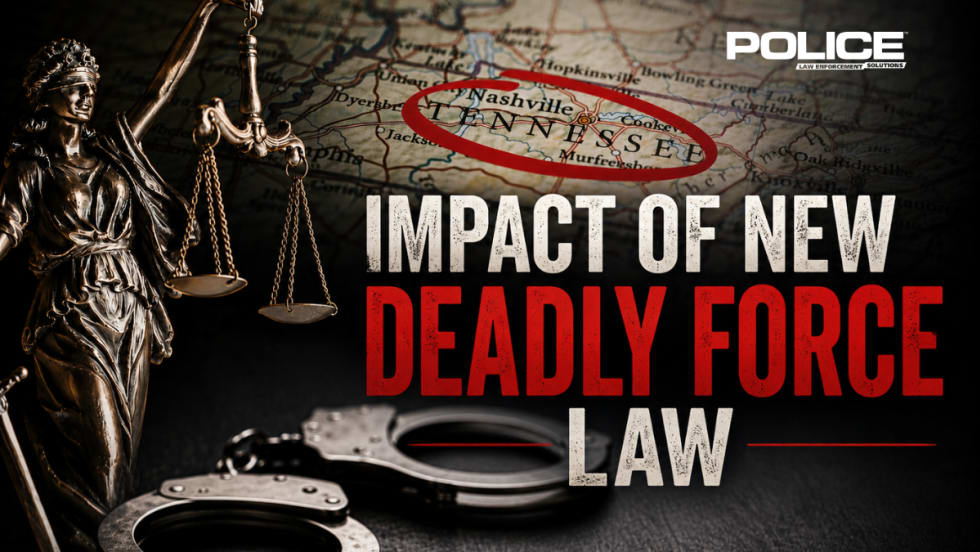
Why Tennessee’s New Deadly Force Law Matters Beyond Tennessee
Tennessee’s new deadly force law is more limited than many may realize. Effective July 1, 2026, the law applies to a person who is not engaged in conduct that would constitute a felony or a Class A misdemeanor and who is in a place where the person lawfully resides. But it could have far-reaching influence.
Read More →
When Do You Transport a Wounded Officer by Police Vehicle?
Time-sensitive injuries like penetrating trauma mean a wounded officer needs to reach a trauma center as soon as possible, and in some cases, that means transporting by police vehicle rather than waiting for EMS. What are the factors to consider in making that transport decision?
Read More →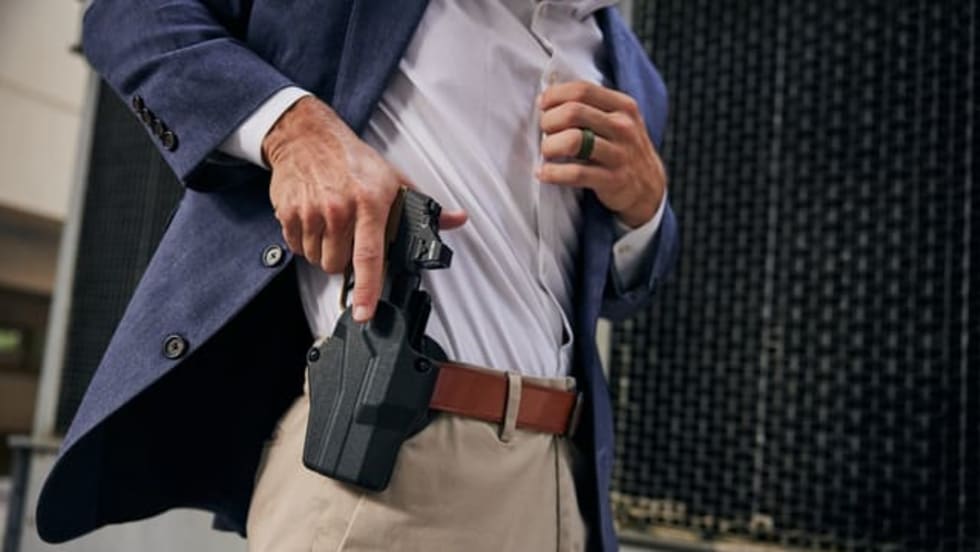
Safariland Solis Rethinks Concealable Duty
What if Level I retention didn’t require a full duty rig? Safariland’s Solis delivers trusted ALS security in a streamlined OWB platform built for administrative and plainclothes professionals who need protection without the bulk.
Read More →
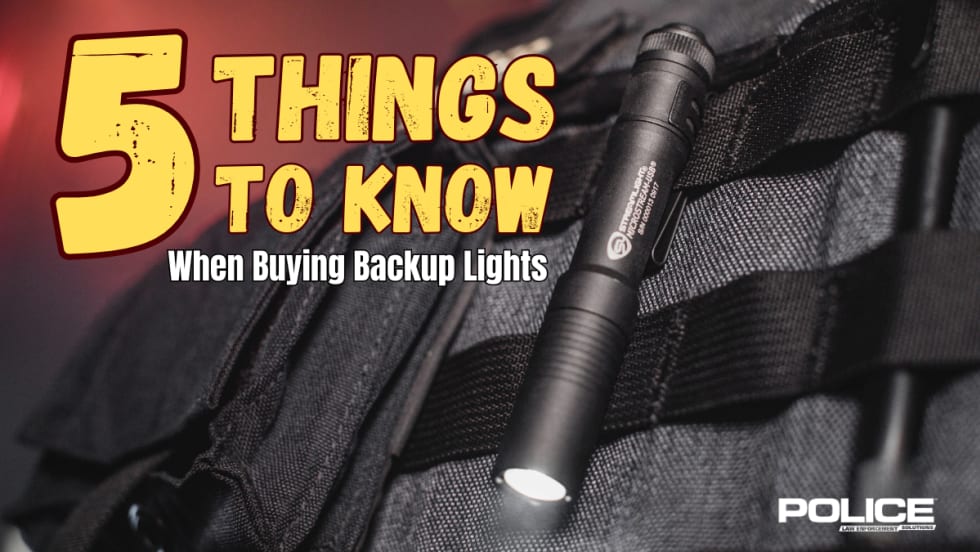
5 Things to Know When Buying Backup Lights for Patrol Use
What is the value of a backup light, and what do you need to consider when selecting one? These smaller lights are invaluable as a secondary or special-purpose light and can be easily carried in a pocket or clipped to MOLLE gear, a key chain, shirt, or a vest.
Read More →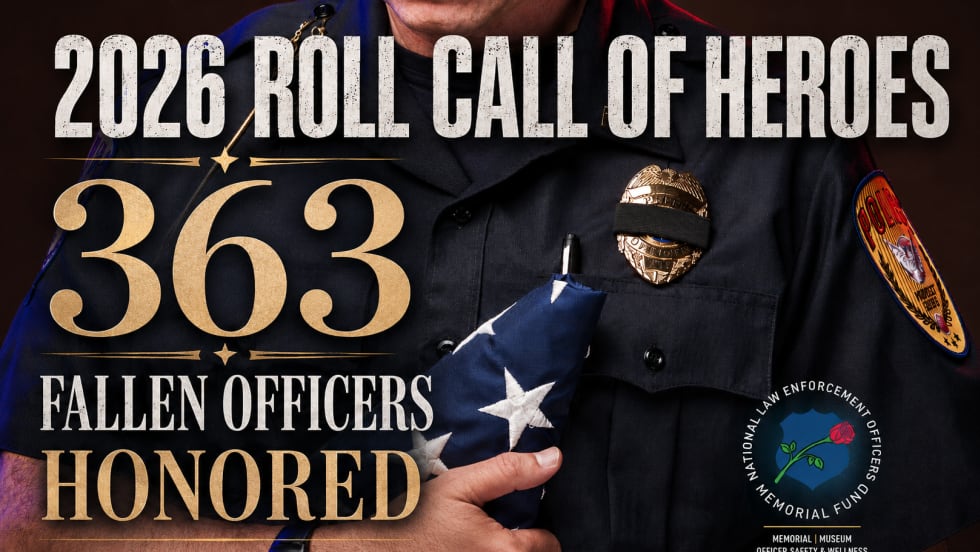
363 Fallen Officers Honored During National Police Week
In case you missed NELOMF’s annual Candlelight Vigil, here are all 363 names of the fallen officers whose names were added to the National Law Enforcement Officers Memorial this year.
Read More →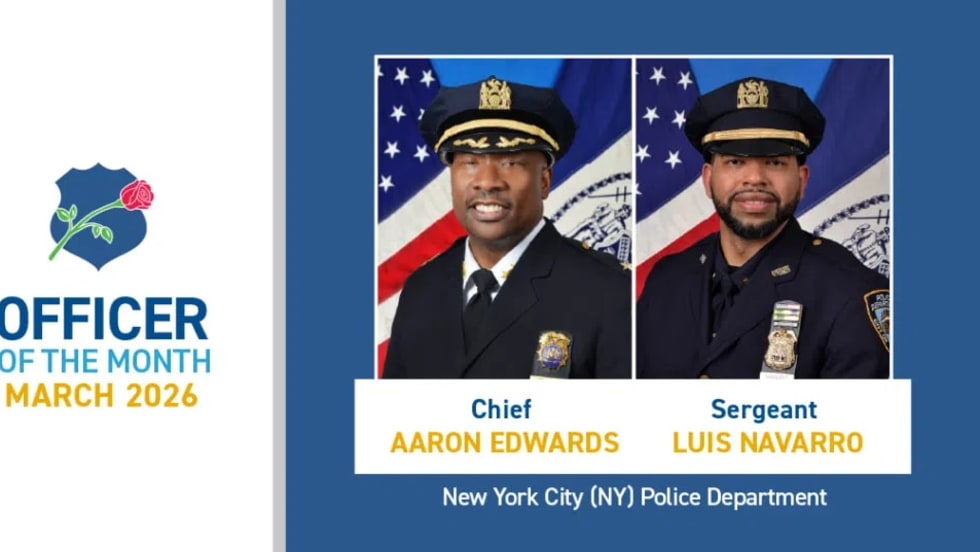
NYPD Officers Who Responded Quickly During IED Incident Recognized as NLEOMF Officers of the Month
Chief Aaron Edwards and Sgt. Luis Navarro were recognized by NLEOMF as Officers of the Month for their response during an IED incident and their actions that helped prevent harm to the public.
Read More →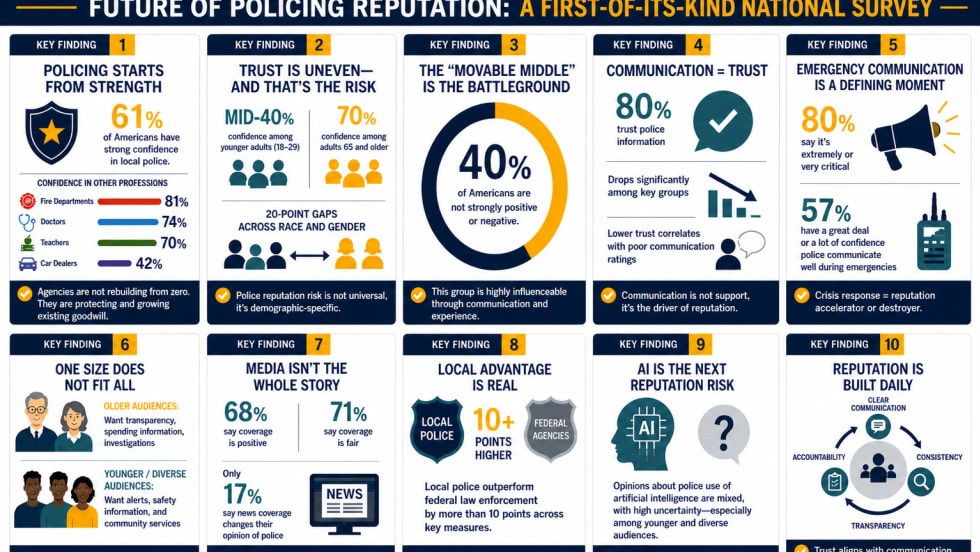
National Police Survey Reveals How Americans View Policing Today
A new national survey offers a comprehensive look at how Americans view policing. The study uncovers public sentiment toward local vs. federal police, communications, crisis response, the use of AI in policing, and more.
Read More →
Streamlight TLR-7 X Selected as Standard Issue Pistol Light by Canadian Federal Police
The Canadian Federal Police will be adding a new duty pistol system, which will include Streamlight’s TLR-7 X and a Glock 45 MOS 7 pistol with a red dot sight.
Read More →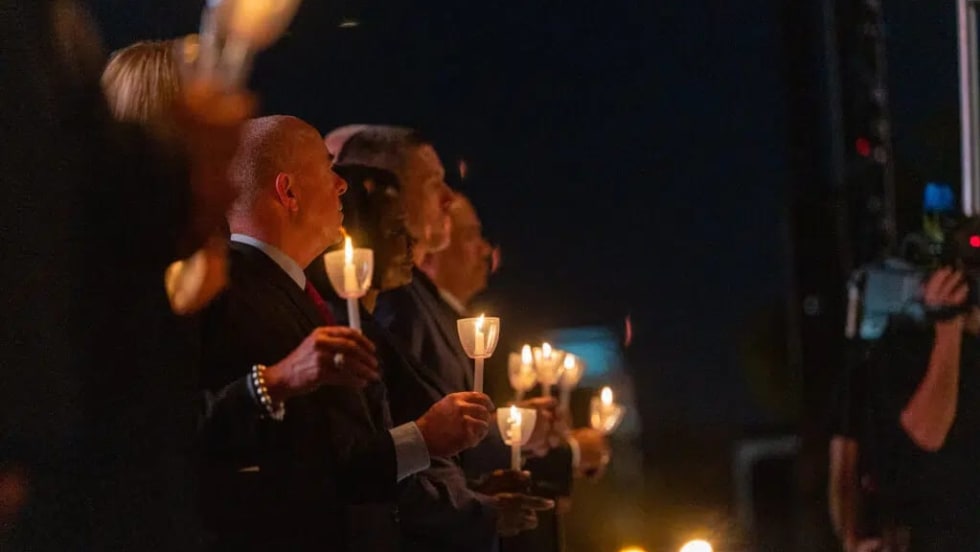
Fallen Law Enforcement Officers from Across the Country to be Honored During 38th Annual Candlelight Vigil on May 13th in Washington, D.C.
The National Law Enforcement Officers Memorial Fund (NLEOMF) will honor 363 fallen officers who have died in the line of duty as their names are added to the National Law Enforcement Officers Memorial during the annual Candlelight Vigil on May 13.
Read More →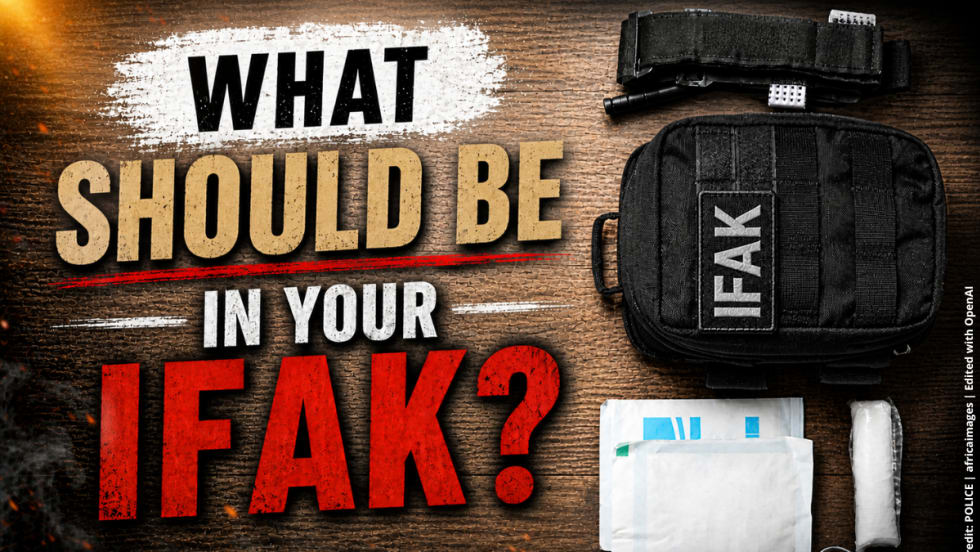
What Should Be in Your IFAK?
What should every officer include in an IFAK? Sydney Vail, M.D., a veteran trauma surgeon and former SWAT surgeon, explains which components are needed and which are not, and stresses training.
Read More →