



Cholesterol: Sorting Good From Bad
For those individuals who are genetically predisposed to having cholesterol problems, a diet high in saturated fats is the main cause of high cholesterol levels in the blood.

Breakfast of champions or meal of the damned? Know how to tell the difference.
Everybody needs it! But for some people, not only can it be harmful but it can be a potential killer. Cholesterol is a naturally occurring fat that basically functions as a building block for producing hormones and new cells for the body and insulating nerves. The liver can make all the cholesterol the body needs, but because cholesterol is found in all animal products, we ingest it when we consume meat and dairy products.
For those individuals who are genetically predisposed to having cholesterol problems, a diet high in saturated fats is the main cause of high cholesterol levels in the blood.
What Happens To Cholesterol In the Blood?
While in the blood, cholesterol binds with protein molecules to form various types of lipoproteins. High-density lipoproteins (HDL) transport excess cholesterol to the liver where it is then expelled in the form of bile. Low-density lipoproteins (LDL) are larger and, have a tendency to stay in the body. The very-low-density lipoproteins transport triglycerides. Triglycerides store fatty acids, an essential source of energy for the body.
The inherent risk of developing cardiovascular disease depends not only on how much cholesterol is in the blood but what type of cholesterol is present. For example, HDL (the good guys) has been associated with a decreased risk of cardiac disease. LDL (the bad guys) has been associated with an increased risk of dying from coronary heart disease. This type of cholesterol infiltrates the walls of the arteries and starts the inflammatory disease process known as atherosclerosis, which can eventually result in stroke, heart disease, hypertension, as well as other cardiovascular disorders.
What Causes High Cholesterol?
High cholesterol is largely determined by genetics. Some individuals are genetically blessed with low cholesterol, despite their dietary habits or lifestyle. Other individuals, however, are not so fortunate and suffer from various hereditary disorders that significantly increase the risk for high cholesterol. The most common disorders are diabetes and obesity. Those individuals with the genetic predisposition, who eat foods high in saturated fats, are very likely to have high blood cholesterol levels.
How Do I Know If I Have High Cholesterol?
During your routine yearly checkup, your doctor can perform simple laboratory blood tests to determine if you have high cholesterol.
A serum cholesterol reading below 200 is considered normal. Levels between 200 and 240 are considered borderline. Levels above 240 are considered high. The triglyceride level should be below 200.
What Is the Treatment for High Cholesterol?
The conventional approach for those individuals with serum cholesterol in the borderline to high-normal range consists of lifestyle, exercise and dietary changes. Additional measures may include a natural cholesterol reduction plan based on a high-fiber dietary supplement, such as bran or psyllium.
Medical management, in which drugs are used to lower cholesterol, may be indicated if the cholesterol is above 240, despite an effort to make lifestyle and diet changes.
Prevention Is the Best Medicine
Consume foods that contain water soluble fiber. Foods that contain high fiber include apples, beans, carrots, cabbage and oatmeal. Limit yourself to three eggs per week. and while cooking, replace butter and shortening - saturated fats - with canola or olive oil-liquid monounsaturated fats. Vitamins and minerals that have reputed cholesterol-lowering properties include Vitamins A, C and E., zinc, copper and calcium.
Above all try to watch your weight and if you smoke, quit! Be sure not to consume more than 30 percent of your calories from fat and limit your cholesterol intake to no more than 300 milligrams per day. Begin and maintain a regular exercise program. Have regular checkups and have your cholesterol checked periodically, especially if you have a family history of high cholesterol, diabetes or obesity. Finally, avoid fast foods and try to eat more vegetables, fruits and grains.
Dr. Heiskell, a member of the POLICE Advisory Board, is a reserve police officer with the Palm Springs (Calif.) Police Department and the SWAT Team physician for that agency.
More Patrol

Team Wendy Introduces the EXFIL Endurance Ballistic Helmet, Engineered to Reduce the Burden of Extended Wear
Team Wendy has launched its EXFIL Endurance, a new lightweight ballistic helmet engineered to deliver protection, comfort, and fit during demanding, extended operations.
Read More →
The First Responders Children’s Foundation National First Responders Day Roll Call of Heroes Ceremony Returns to Times Square, NYC
First Responders Children’s Foundation (FRCF), in collaboration with T-Mobile, will host the Roll Call of Heroes ceremony in Times Square to commemorate National First Responders Day on Wednesday, Oct. 28. During the event, FRCF will present 18 Hero Awards.
Read More →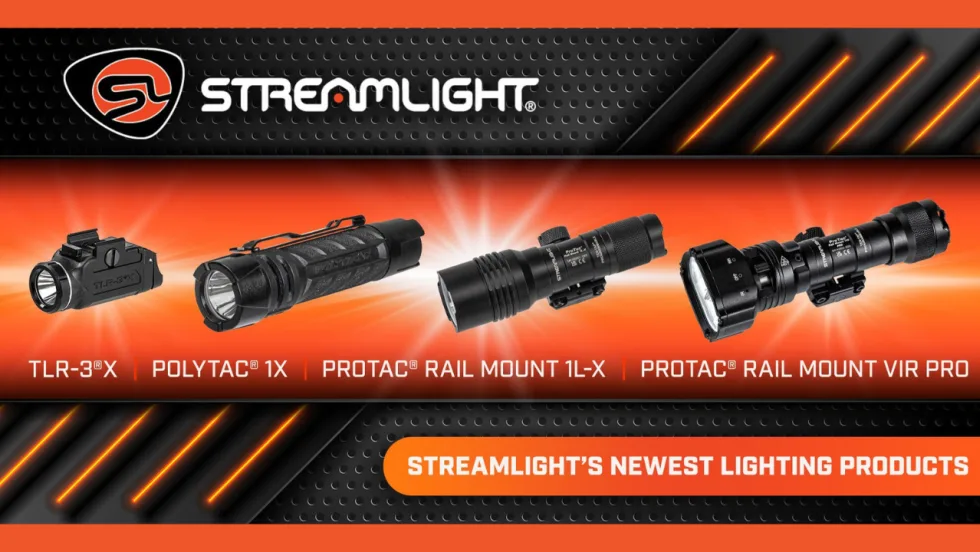
Streamlight to Showcase Newest Lighting Products for Law Enforcement Professionals at IACP 2026
Streamlight will showcase its newest lights for law enforcement at the International Association of Chiefs of Police Annual Conference & Expo. Featured lights will include the TLR-3 X, the PolyTac 1X, and more.
Read More →
Streamlight Portable Scene Light III Wins 2026 OH&S New Product of the Year Award
Streamlight’s Portable Scene Light III has won the 2026 Occupational Health & Safety (OH&S) New Product of the Year Award in the Lighting category.
Read More →
Adept Armor Introduces Two New Rifle Plates
Adept Armor has launched two new Level IV ballistic plates, the Emperor and the Archon Mark 2, which brings Adept Armor’s new Quatroid ceramic to the high-threat, performance-value center of the range at 5.2 pounds.
Read More →
POLICE Product Test: Benchmade Bailout
The Benchmade Bailout is a slim, lightweight carry knife with a deep-ride pocket clip and comes in a variety of blade steels and scales. Here is a detailed review of the Taiga Green Bailout, released earlier this year.
Read More →
NLEOMF Announces July 2026 Officer of the Month
NLEOMF honored a Michigan deputy sheriff as the July 2026 Officer of the Month for rescuing a trapped driver from a burning vehicle following a Fourth of July crash.
Read More →
Streamlight to Showcase Newest Lighting Products at National Safety Council’s Safety Congress & Expo 2026
Streamlight will showcase its latest lights, including the Portable Scene Light III and the LiteBox 1Million, at the 2026 National Safety Council (NSC) Safety Congress & Expo.
Read More →
The 2027 World Police & Fire Games Set for Perth, Australia
The 2027 World Police & Fire Games (WPFG) will take place in Perth, Western Australia, from Friday, March 12 through Sunday, March 21, 2027.
Read More →
5.11 Partners with National Fallen Firefighters Foundation to Support #ForThe343
5.11 has joined the nationwide movement honoring the 343 New York City Fire Department firefighters lost on Sept. 11, 2001.
Read More →