



Police and Politics
Politics, politically correct ideology, and the police. The "three Ps." How well do they work together?

Politics, politically correct ideology, and the police. The "three Ps." How well do they work together? As most of the line folk know, not very well. From the very beginnings of our noble profession, politics has been a part of policing. But today, politics plays a bigger role in law enforcement than ever before, and today, you also have to add into the mix the need to be politically correct.
Politics and political correctness now rule most police agencies. Decisions as to who gets policed, who gets hired, retained, promoted, and how policing is done are driven more by what makes people happy than by a need to protect the public from crimes and criminals. Most police executives will vehemently deny that this is the case, but the reality unfortunately is that politics and political correctness rule.
Today politics and political correctness have demanded that we hire less-qualified people. When applicants could not pass simple written and physical tests, the tests were eliminated or simplified. Nevermind that close inspection revealed the tests to be valid. Someone who should have been flipping burgers had their feelings hurt, so the standards were lowered to accommodate them. The result, police reports that read like third-grade essays and officers who cannot climb a simple fence to assist a fellow officer or citizen. The saying is true; when you expect less, you get less.
Promotions have occurred in a similar manner. Vocal special interest groups have demanded that promotions be based on sex, race, ethnicity, and other factors rather than qualifications so that a certain percentage of those promoted match certain demographics. As a result, some supervisors are incapable of handling critical incidents when the feces hit the air conditioning.
Training has also taken a hit from political correctness. Academies are being forced to cram more training into already overloaded schedules. Courses in sensitivity training, diversity training, and handling special people leave little time for training in the basics like firearms, defensive tactics, criminal law, etc. In-service training now revolves around sexual harassment training, dealing with special interest groups, and being courteous to terrorists and other deviants, instead of search and seizure updates, firearms, or preventing and defending against terrorist attacks.
The ACLU and similar liberal groups demand that police stop gathering intelligence on radical organizations. Chiefs, fearful of offending these groups, acquiesce. Police agencies have been forced to disband intelligence divisions. The result is vulnerability to attacks from those who would do more harm to our civil liberties than any intelligence-gathering cops.
Force incidents have been politicized to such a degree that officers are fearful of defending themselves. Police executives who are fearful of protests severely restrict officers in the use of force and even in the most justifiable incidents often bow to the media and radical demands that the officers be fired. If only the executives would show one-tenth of the courage that their officers displayed in facing the criminals, the results would be phenomenal.
But political survival is the number one concern for police executives. It reminds me of the old saying, "If you stand for nothing, you will fall for anything." Some police executives need a backboard to hold their spines upright.
Police executives, in the hopes of creating job security and currying favor with liberal groups, are adding social service programs to their agencies and relying on those programs to reduce crime. These "innovative ideas" often take away from manpower needed to respond to 911 calls. One program even had sworn officers collecting shopping carts from alleys. While admittedly some of these programs have potential, having a highly trained, sworn cadre to run them is a waste of valuable resources. Social service agencies are great at running these programs, but how many social agencies are capable of handling a robbery in progress, a murder, or terrorist attack?
Politics and political correctness do have a place I guess in law enforcement. They create job security. Because once they are removed and we get down to real police work, crime drops dramatically, resulting in the need for fewer police. That forces you and me to go out and find a real job and work for a living. My motto is, "I may not be politically correct, but I will always be morally right."
Brian Stover is a 30-year law enforcement veteran who is currently a sergeant with a major agency. He also serves on the POLICE Advisory Board.
More Patrol

Team Wendy Introduces the EXFIL Endurance Ballistic Helmet, Engineered to Reduce the Burden of Extended Wear
Team Wendy has launched its EXFIL Endurance, a new lightweight ballistic helmet engineered to deliver protection, comfort, and fit during demanding, extended operations.
Read More →
The First Responders Children’s Foundation National First Responders Day Roll Call of Heroes Ceremony Returns to Times Square, NYC
First Responders Children’s Foundation (FRCF), in collaboration with T-Mobile, will host the Roll Call of Heroes ceremony in Times Square to commemorate National First Responders Day on Wednesday, Oct. 28. During the event, FRCF will present 18 Hero Awards.
Read More →
Streamlight to Showcase Newest Lighting Products for Law Enforcement Professionals at IACP 2026
Streamlight will showcase its newest lights for law enforcement at the International Association of Chiefs of Police Annual Conference & Expo. Featured lights will include the TLR-3 X, the PolyTac 1X, and more.
Read More →
Streamlight Portable Scene Light III Wins 2026 OH&S New Product of the Year Award
Streamlight’s Portable Scene Light III has won the 2026 Occupational Health & Safety (OH&S) New Product of the Year Award in the Lighting category.
Read More →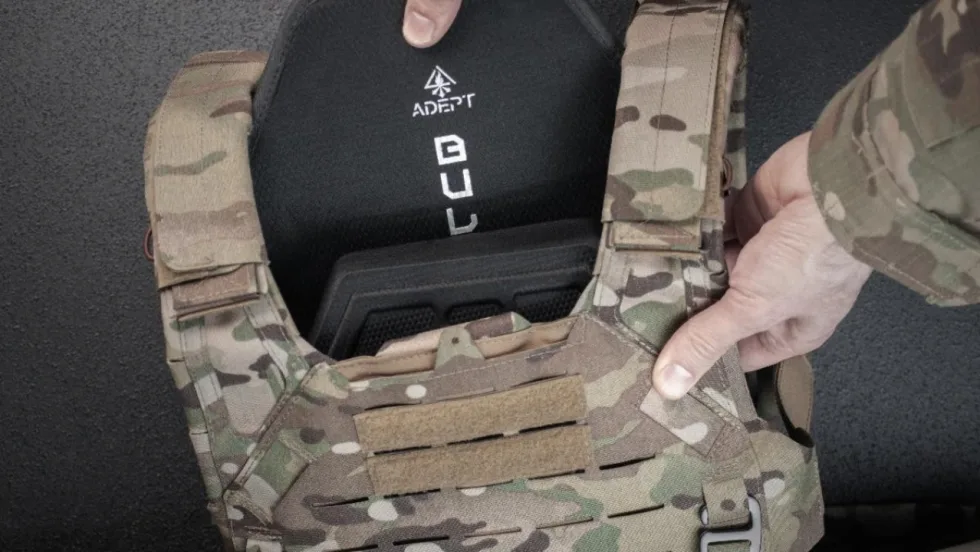
Adept Armor Introduces Two New Rifle Plates
Adept Armor has launched two new Level IV ballistic plates, the Emperor and the Archon Mark 2, which brings Adept Armor’s new Quatroid ceramic to the high-threat, performance-value center of the range at 5.2 pounds.
Read More →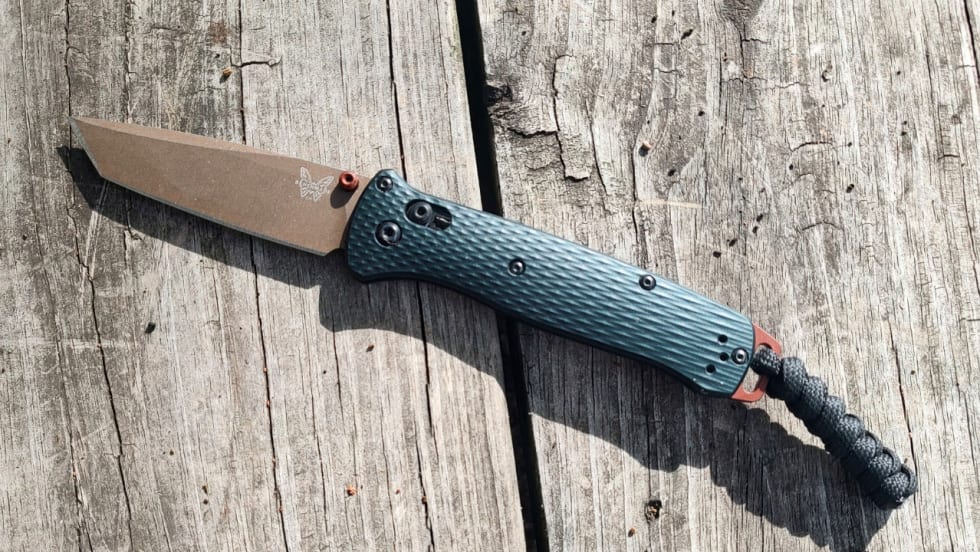
POLICE Product Test: Benchmade Bailout
The Benchmade Bailout is a slim, lightweight carry knife with a deep-ride pocket clip and comes in a variety of blade steels and scales. Here is a detailed review of the Taiga Green Bailout, released earlier this year.
Read More →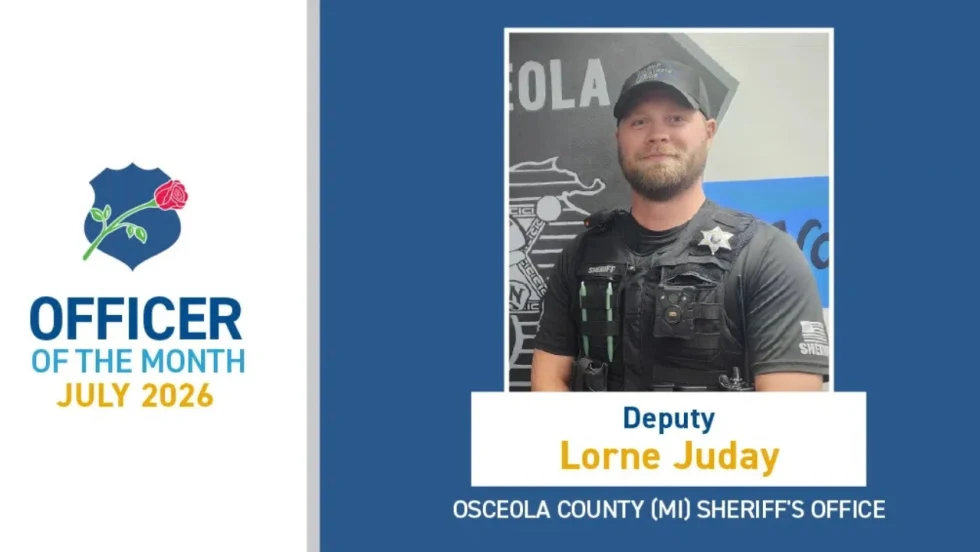
NLEOMF Announces July 2026 Officer of the Month
NLEOMF honored a Michigan deputy sheriff as the July 2026 Officer of the Month for rescuing a trapped driver from a burning vehicle following a Fourth of July crash.
Read More →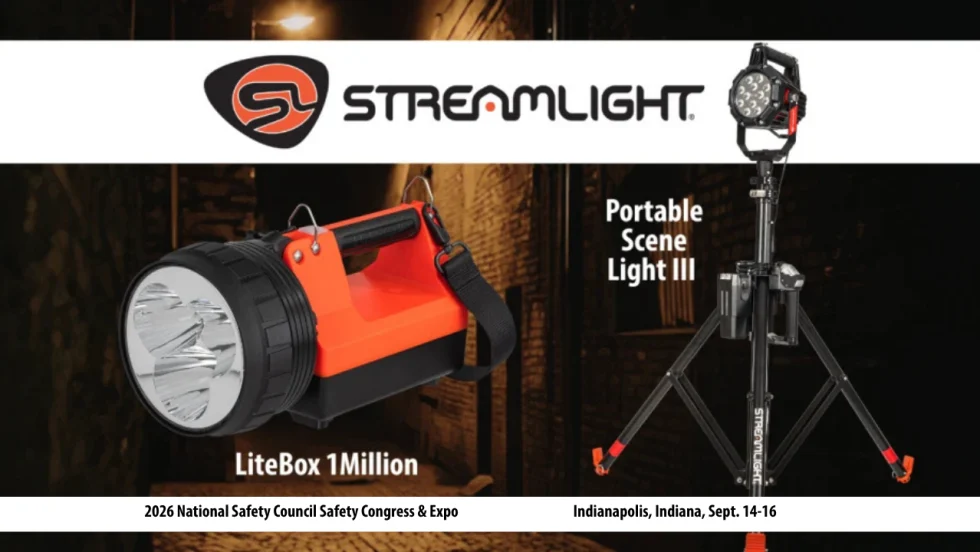
Streamlight to Showcase Newest Lighting Products at National Safety Council’s Safety Congress & Expo 2026
Streamlight will showcase its latest lights, including the Portable Scene Light III and the LiteBox 1Million, at the 2026 National Safety Council (NSC) Safety Congress & Expo.
Read More →
The 2027 World Police & Fire Games Set for Perth, Australia
The 2027 World Police & Fire Games (WPFG) will take place in Perth, Western Australia, from Friday, March 12 through Sunday, March 21, 2027.
Read More →
5.11 Partners with National Fallen Firefighters Foundation to Support #ForThe343
5.11 has joined the nationwide movement honoring the 343 New York City Fire Department firefighters lost on Sept. 11, 2001.
Read More →