



Radio Control
So, the next time that radio buzzes with an officer asking for help, resist the urge to pick it up and answer. Just head that way and get there.

We've all been in this situation. You are driving along on patrol when suddenly the radio comes alive. A fellow officer is asking for immediate help. Maybe it's a foot pursuit, or maybe it's a violent crime in progress. Either way, that officer has made it very clear that he or she needs help, and fast.
What's our first reaction as responding officers? It's to grab that radio and answer up to help the officer in need. We all do it, with the best of intentions. However, that little act multiplied by the number of officers responding can create a huge problem for the very officer you are trying to protect.
Let's face it, whenever a call like that comes over the airwaves, every officer within earshot will be speeding that way, lights and siren blaring. Everybody will be picking up their radios and announcing their intentions and where they're coming from. Although we all want to help, this little subconscious practice can actually hurt the officer calling for help. If there's a foot chase going on, the officer needs the radio clear to continue to update his position and safety information. If he's witnessing a violent crime or emergency, he'll need the radio to keep incoming units informed of the latest information and of the safest way to get there. It's pretty hard to do this when everyone is "stepping on him" on the radio.
Of course, letting dispatch know you are responding is important, but when this kind of call hits the air, dispatchers are even busier than the responding cover units. They're trying to keep tabs on the entire situation, and they aren't going to be giving out other calls anytime soon. Adding a dozen officers to the air announcing their response locations will just make it harder and take the dispatcher's time and attention away from the more important task of keeping track of the details of the priority call.
So, what's the best way to help in this scenario? The solution is simple, stay off the air and just respond. Face it, your entire department knows that every officer within a few miles is heading that way. Make it easy on everyone and just get there. Once you're close enough to make a difference, get on the radio and tell them you're there. That way, dispatch and the original officer can use you as an asset in the situation, instead of fighting for airtime over all the unnecessary radio traffic.
Too much radio traffic is also an officer safety issue in these situations. The officer who's calling for help needs the radio to his or herself. Let them have the chance to update the situation and have free reign of the air. It's their situation, ands they need to have full use of the communication equipment that can save their lives. Give them the courtesy of having that freedom.
So, the next time that radio buzzes with an officer asking for help, resist the urge to pick it up and answer. Just head that way and get there. Then, once you're close enough to help, let them know you're there. That way, you'll be able to help make a difference in the call, instead of being a detriment to it.
More Patrol

Adept Armor Introduces Two New Rifle Plates
Adept Armor has launched two new Level IV ballistic plates, the Emperor and the Archon Mark 2, which brings Adept Armor’s new Quatroid ceramic to the high-threat, performance-value center of the range at 5.2 pounds.
Read More →
POLICE Product Test: Benchmade Bailout
The Benchmade Bailout is a slim, lightweight carry knife with a deep-ride pocket clip and comes in a variety of blade steels and scales. Here is a detailed review of the Taiga Green Bailout, released earlier this year.
Read More →
NLEOMF Announces July 2026 Officer of the Month
NLEOMF honored a Michigan deputy sheriff as the July 2026 Officer of the Month for rescuing a trapped driver from a burning vehicle following a Fourth of July crash.
Read More →
Streamlight to Showcase Newest Lighting Products at National Safety Council’s Safety Congress & Expo 2026
Streamlight will showcase its latest lights, including the Portable Scene Light III and the LiteBox 1Million, at the 2026 National Safety Council (NSC) Safety Congress & Expo.
Read More →
The 2027 World Police & Fire Games Set for Perth, Australia
The 2027 World Police & Fire Games (WPFG) will take place in Perth, Western Australia, from Friday, March 12 through Sunday, March 21, 2027.
Read More →
5.11 Partners with National Fallen Firefighters Foundation to Support #ForThe343
5.11 has joined the nationwide movement honoring the 343 New York City Fire Department firefighters lost on Sept. 11, 2001.
Read More →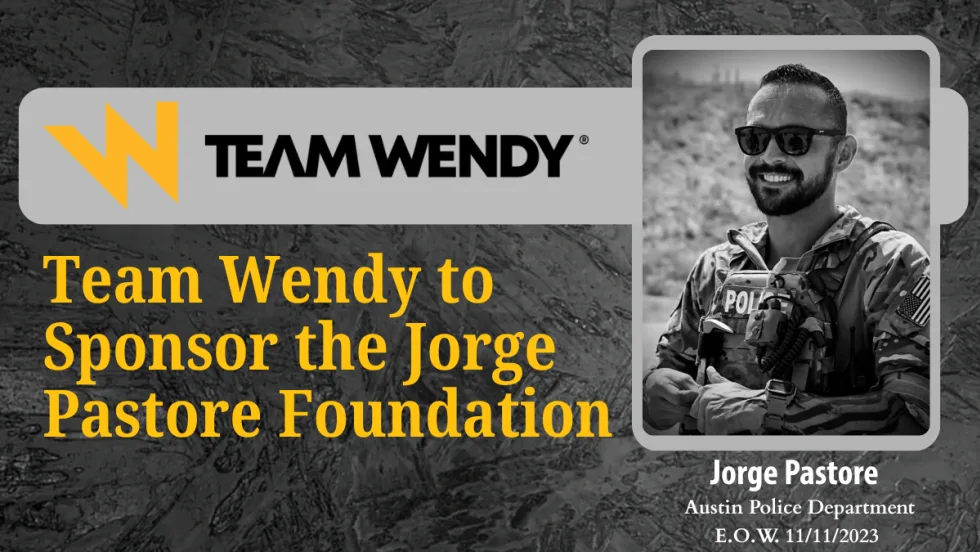
Team Wendy Announces Title Sponsorship of the Jorge Pastore Foundation
Team Wendy’s 3-year partnership with the Jorge Pastore Foundation expands access to programs that strengthen those who serve.
Read More →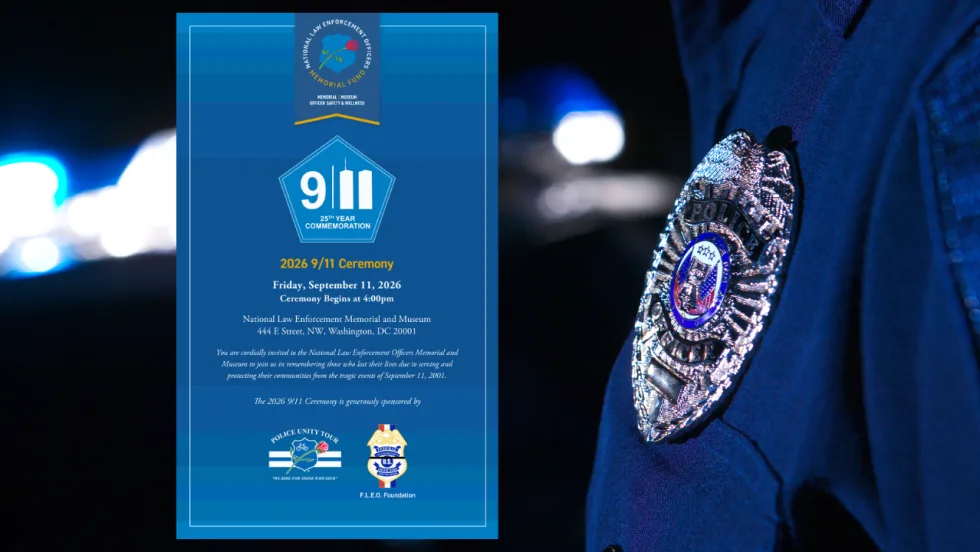
National Law Enforcement Memorial and Museum Hosting 9/11 25th-Year Commemoration Ceremony
The National Law Enforcement Memorial and Museum is hosting a 9/11 25th Year Commemoration Ceremony on Sept. 11 at 4 p.m.
Read More →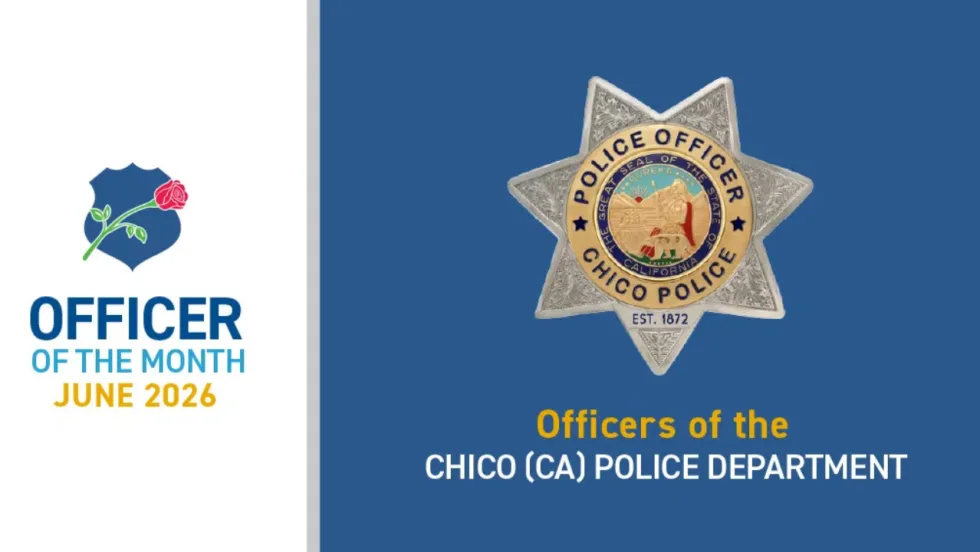
National Law Enforcement Officers Memorial Fund Announces June 2026 Officers of the Month
The National Law Enforcement Officers Memorial Fund (NLEOMF) named 15 officers of the Chico Police Department (California) as the Officers of the Month for June 2026 for their roles in responding to an active-shooter incident at a public library.
Read More →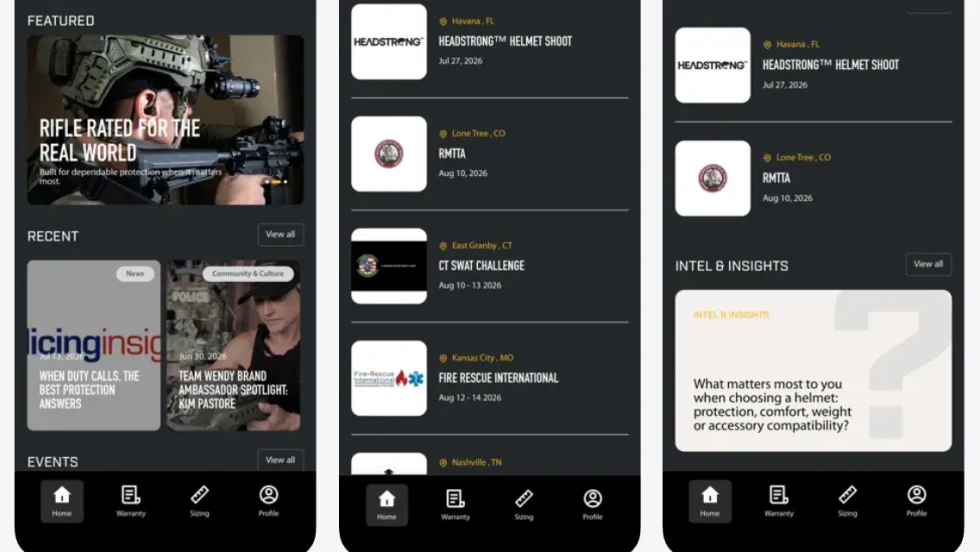
Team Wendy App Creates New Digital Hub for Helmet Owners
The Team Wendy Community App provides one location for warranty registration, size-fit tools, product updates, and community connection. For helmet owners, the new app creates a simpler path to the information and tools that matter most.
Read More →