



Setting Up Talks
One of the most troublesome legal issues in law enforcement is the question of when an officer may resume discussions with a suspect after some kind of Miranda "history" has occurred. The answer is, "It all depends."

One of the most troublesome legal issues in law enforcement is the question of when an officer may resume discussions with a suspect after some kind of Miranda "history" has occurred. The answer is, "It all depends." There are at least nine kinds of situations the U.S. Supreme Court has considered, and whether or not an admissible statement can be obtained depends on what has already happened, and what is intended.
(1) After invocation, the suspect reinitiates discussions
If a suspect responds to Miranda warnings by invoking either his right to silence or his right to counsel, he can always change his mind (without pressure from police) and reopen discussions. (Oregon v. Bradshaw) If he does, the investigating officer should first listen to any volunteered statement the suspect wants to make, then give new warnings and take a waiver of the right previously asserted, and then conduct any follow-up questioning. Whether police may reopen discussions varies with the situation.
(2) After "anticipatory invocation" of rights
The Supreme Court has said that a suspect may not invoke his rights in advance, before he is given warnings or apparent custodial police interrogation is imminent or ongoing. (McNeil v. Wisconsin) For example, if a suspect says before being taken into custody that he wants a lawyer or isn't going to talk, this attempted anticipatory invocation is not effective to invoke Miranda. Officers are free to Mirandize him and seek a waiver before custodial interrogation.
(3) After a Miranda waiver
If the suspect previously waived Miranda, he can be reapproached within a contemporaneous period of time and questioned further without new warnings. (Wyrick v. Fields) Although the Supreme Court's Wyrick decision involved only a two-hour interval between waiver and renewed questioning, lower courts have often ruled that no new warning and waiver are necessary for additional questioning at anytime later that same day. Even if questioning relates to a different crime, no new warning is needed after a contemporaneous waiver. (Colorado v. Spring)
(4) After a waiver and an ambiguous mention of rights
If the suspect has given a valid waiver and has responded to questions but then makes an ambiguous reference to his rights, police need not stop questioning or clarify the suspect's wishes. (Davis v. U.S., holding that "Maybe I should get a lawyer" is too ambiguous to be an invocation after previous waiver.) A good tactic may be to follow an ambiguous statement with a neutral, non-threatening question.
(5) After unMirandized custodial interrogation
If the suspect was subjected to brief unwarned interrogation after being taken into custody, a subsequent warning and waiver can still be effective. If possible, a break, change in locations, and change in interrogators should be arranged. If extensive, detailed custodial interrogation has occurred, a subsequent warning is generally not effective to allow an admissible statement to be taken. (Missouri v. Seibert)
(6) After silence invoked, same case
Police cannot "badger" the suspect into changing his mind after he says he doesn't want to talk about the case. (Michigan v. Harvey) Police must "scrupulously honor" the suspect's right not to answer questions or make a statement about that case. (Miranda v. Arizona)
(7) After silence invoked, different case
As long as officers scrupulously honor the suspect's invocation of silence as to Case A, they may approach the suspect later and seek a waiver as to a different Case B. (Michigan v. Mosley, holding that two hours after the suspect said he would not discuss a robbery, homicide investigators obtained a valid waiver for questioning about a murder.)
(8) After counsel invoked, same or different case
Unlike an invocation of the right to silence, an invocation of the right to counsel cuts off police-initiated questioning on any case as long as the suspect remains in custody. (Edwards v. Arizona-same case; Arizona v. Roberson-different case; Minnick v. Mississippi-different case after counsel provided.)
(9) After release from custody
The Supreme Court has often said that the rules applicable to police reinitiation of questioning continue to apply "assuming there has been no break in custody." (McNeil v. Wisconsin) Lower courts have generally taken this to mean that if a suspect who has invoked Miranda is subsequently released from custody, the invocation ceases to be operative. Police would then be free under Miranda to question the suspect in a non-custodial setting without warnings, or to re-Mirandize him after a re-arrest to seek a waiver. (If the suspect has been indicted or made his first court appearance on a prosecution and asserted his right to counsel, the Sixth Amendment Massiah rule would make statements inadmissible on the charged case. Michigan v. Jackson)
Writing and reading the Miranda "history"
Obviously, a second or follow-up officer must know whether a custodial suspect he or she intends to interrogate has already been Mirandized and if so, whether he waived or invoked, and if he invoked, whether he asserted only his right to silence or his right to counsel. This means that every officer who gives warnings, takes waivers, or faces an invocation must make a clear and accurate record of what happened, and every subsequent interrogator must read the reports that show the suspect's Miranda "history."
When officers in Arizona v. Roberson argued that they should not be held accountable for earlier invocations of which they were unaware, the Supreme Court said that it is incumbent on police departments to create and then read reports of what has previously happened, so that each new investigator will know whether questioning can be resumed, and as to what crimes:
"We attach no significance to the fact that the officer who conducted the second interrogation did not know that defendant had made a request for counsel. Custodial interrogation must be conducted pursuant to established procedures that must enable an officer who proposes to initiate an interrogation to determine whether the suspect has previously requested counsel. In this case, the officer who conducted the interrogation simply failed to examine the first officer's report."
Because it makes a difference whether a suspect invokes only silence or asserts his right to counsel, police reports cannot simply say, "Suspect invoked, per Miranda." They must show which way the suspect invoked: "The suspect said he did not want to talk about the Fifth Street robbery," or "The suspect said he wanted a lawyer." Other officers must then read the report to determine whether the suspect waived, invoked only silence, or asked for counsel.
Miranda Reinitiation Checklist:
After a waiver, OK to question.
After suspect reinitiates and waives, OK to question.
After invocation of silence on Case A, OK to seek later waiver and question on Case B.
After invocation of counsel, no police-initiated questioning on any case during continuous custody.
State Grounds
Although states are free as a matter of independent state constitutions or laws to impose greater restrictions on the admissibility of suspects' statements, they are not at liberty to apply Miranda rules differently than required by the U.S. Supreme Court rulings, since Miranda is federal (supreme) law. (Oregon v. Hass) Always check with prosecutors or legal advisers for variations in your local jurisdiction.
More Patrol
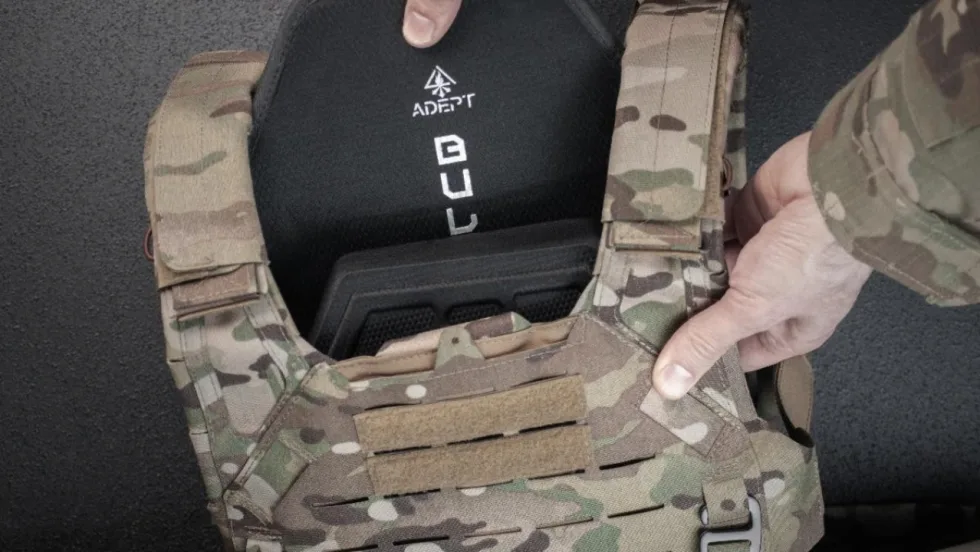
Adept Armor Introduces Two New Rifle Plates
Adept Armor has launched two new Level IV ballistic plates, the Emperor and the Archon Mark 2, which brings Adept Armor’s new Quatroid ceramic to the high-threat, performance-value center of the range at 5.2 pounds.
Read More →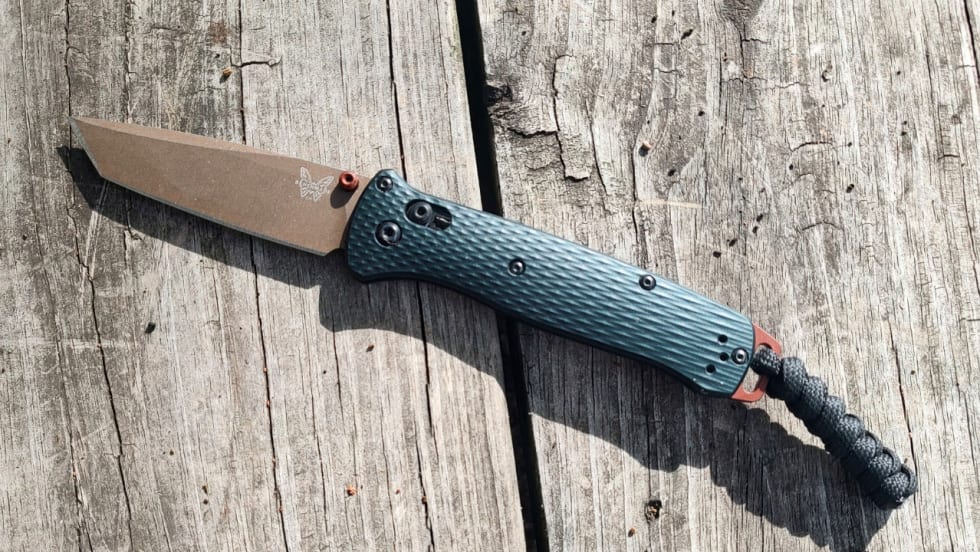
POLICE Product Test: Benchmade Bailout
The Benchmade Bailout is a slim, lightweight carry knife with a deep-ride pocket clip and comes in a variety of blade steels and scales. Here is a detailed review of the Taiga Green Bailout, released earlier this year.
Read More →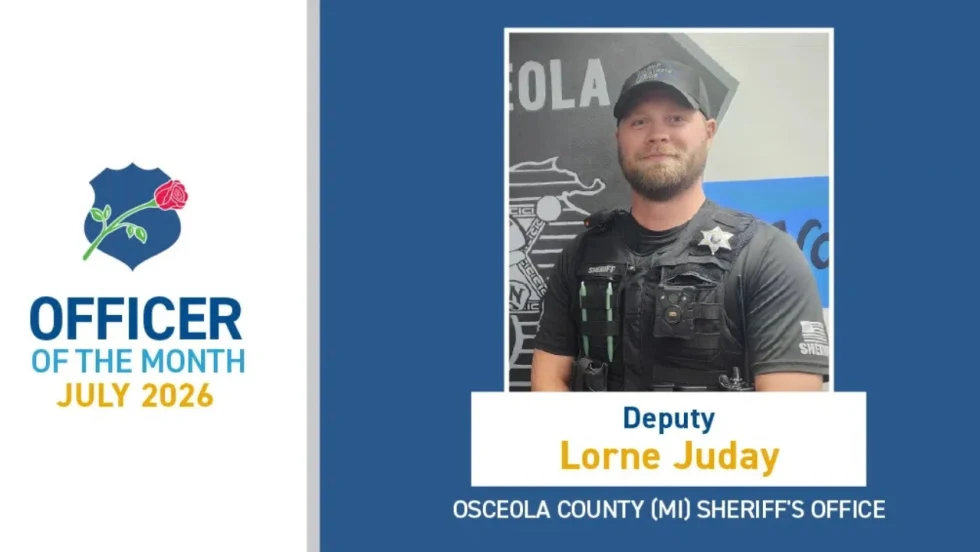
NLEOMF Announces July 2026 Officer of the Month
NLEOMF honored a Michigan deputy sheriff as the July 2026 Officer of the Month for rescuing a trapped driver from a burning vehicle following a Fourth of July crash.
Read More →
Streamlight to Showcase Newest Lighting Products at National Safety Council’s Safety Congress & Expo 2026
Streamlight will showcase its latest lights, including the Portable Scene Light III and the LiteBox 1Million, at the 2026 National Safety Council (NSC) Safety Congress & Expo.
Read More →
The 2027 World Police & Fire Games Set for Perth, Australia
The 2027 World Police & Fire Games (WPFG) will take place in Perth, Western Australia, from Friday, March 12 through Sunday, March 21, 2027.
Read More →
5.11 Partners with National Fallen Firefighters Foundation to Support #ForThe343
5.11 has joined the nationwide movement honoring the 343 New York City Fire Department firefighters lost on Sept. 11, 2001.
Read More →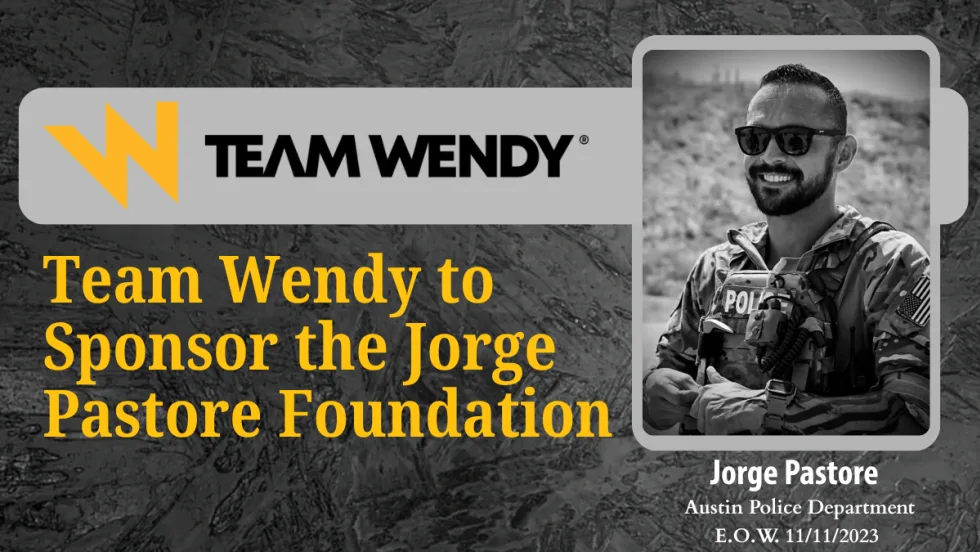
Team Wendy Announces Title Sponsorship of the Jorge Pastore Foundation
Team Wendy’s 3-year partnership with the Jorge Pastore Foundation expands access to programs that strengthen those who serve.
Read More →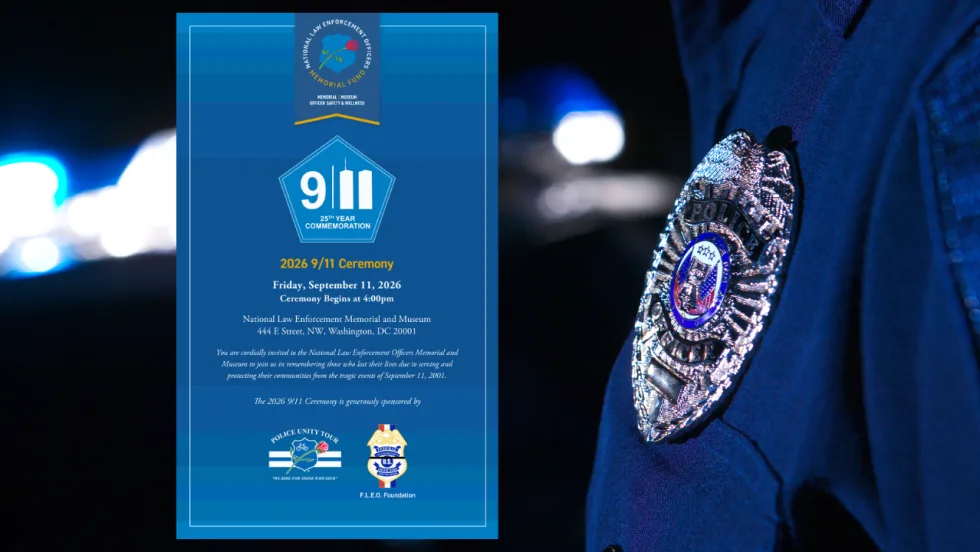
National Law Enforcement Memorial and Museum Hosting 9/11 25th-Year Commemoration Ceremony
The National Law Enforcement Memorial and Museum is hosting a 9/11 25th Year Commemoration Ceremony on Sept. 11 at 4 p.m.
Read More →
National Law Enforcement Officers Memorial Fund Announces June 2026 Officers of the Month
The National Law Enforcement Officers Memorial Fund (NLEOMF) named 15 officers of the Chico Police Department (California) as the Officers of the Month for June 2026 for their roles in responding to an active-shooter incident at a public library.
Read More →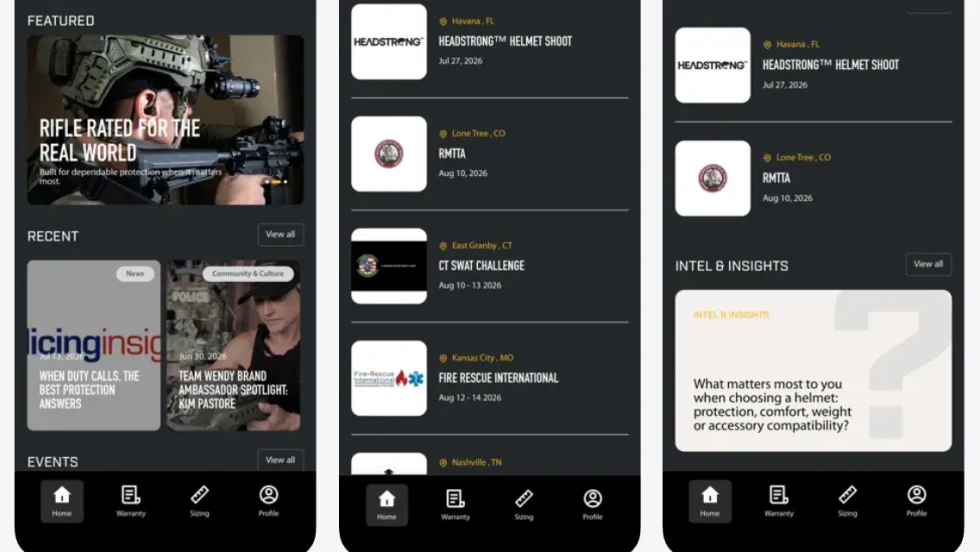
Team Wendy App Creates New Digital Hub for Helmet Owners
The Team Wendy Community App provides one location for warranty registration, size-fit tools, product updates, and community connection. For helmet owners, the new app creates a simpler path to the information and tools that matter most.
Read More →