



Illegal Immigration: America's Broken Window
More serious crime breeds and multiplies something like bacteria in an untreated wound when petty offenses are ignored.

"Consider a building with a few broken windows. If the windows are not repaired, the tendency is for vandals to break a few more windows. Eventually, they may even break into the building, and if it's unoccupied, perhaps become squatters or light fires inside."
That's a key paragraph from a groundbreaking 1996 criminology book titled "Fixing Broken Windows: Restoring Order and Reducing Crime in Our Communities." Essentially what it says is that more serious crime breeds and multiplies something like bacteria in an untreated wound when petty offenses are ignored.
Broken Windows strategy was used by Mayor Rudy Giuliani and police chief William J. Bratton to quell crime in New York City during the 1990s. That's why they went after the vandals, the squeegee guys, subway jumpers, and other very minor offenders.
Their "zero tolerance" strategy worked, and "Broken Windows" is now one of the gospels of chiefs nationwide. And that's great, but many of them-especially from "sanctuary" cities-disavow the policy when it comes to immigration violations.
Residing in the United States without legal status is a crime. It's not a serious crime, but it's a crime. To be specific, illegal entry into the U.S. is a federal misdemeanor. If you are here and "undocumented" then you entered illegally into the country. You have committed a crime and that minor offense can quickly snowball into more serious offenses. When a struggling, likely uneducated, immigrant lives in an underground culture with a cash economy bad things are going to happen.
The real problem with not enforcing immigration laws is not the additional minor offenses that undocumented people commit once over the border; it's the "scofflaw" culture that lack of enforcement breeds. Once you break the law long enough with impunity, the law quickly becomes culturally irrelevant. Also, people who live in such conditions are ripe targets for predators of all stripes and that makes everyone less secure.
This is what the people of Arizona have come to realize, and it's why their state legislature recently passed S.B. 1070, a law that gives Arizona peace officers the ability to enforce immigration laws. From the furor over this law, you would think Arizona had set up concentration camps for anyone who speaks Spanish. It hasn't. All the law says is that when officers have probable cause to suspect an immigration violation they have the duty to check it out.
It seems like common sense to most Americans that police should be able to make immigration inquiries. Yet police chiefs from Houston, Los Angeles, Philadelphia, Tucson, and dozens of other cities disagree. They argue that checking the papers of a suspected illegal alien would spur racial profiling. The vast majority of POLICE readers disagree.
Chiefs who oppose local immigration enforcement also say such inquiries will prevent "undocumented" victims from reporting crimes, especially domestic violence. And it's time to blow some holes in this argument and ask: Has the undocumented community ever really been that forthcoming with local law enforcement, regardless of policy?
Finally, these chiefs say that immigration is a federal matter and should be handled only by federal officers. In rebuttal, I'm not even going to discuss the politically imposed inadequacies of federal immigration enforcement. I'll just ask this of any chief who mouths this nonsense: What other federal offenses do you tell your officers to ignore?
Truthfully, I think these chiefs oppose the Arizona law for some unspoken reasons. For example, some favor open borders. Clearly others must politically kiss up to their sanctuary-minded mayors and council members. But what bothers me most about this whole debate is that these chiefs don't seem to trust their officers to avoid racial profiling and therefore trigger civil rights suits.
Trusting you to do the right thing is the foundation of contemporary American public safety. This is not 1950; you now need probable cause to stop a motorist on the highway or detain a pedestrian. You know that. You're not stupid. And it's funny, the same chiefs who trust you to use restraint when checking into "Broken Windows" petty crimes fear that you will start hassling American citizens and legal residents if you are allowed to make immigration inquiries. Such "sanctuary city" thinking leaves America's largest broken window shattered and invites illegal activity.
More Patrol

Streamlight Portable Scene Light III Wins 2026 OH&S New Product of the Year Award
Streamlight’s Portable Scene Light III has won the 2026 Occupational Health & Safety (OH&S) New Product of the Year Award in the Lighting category.
Read More →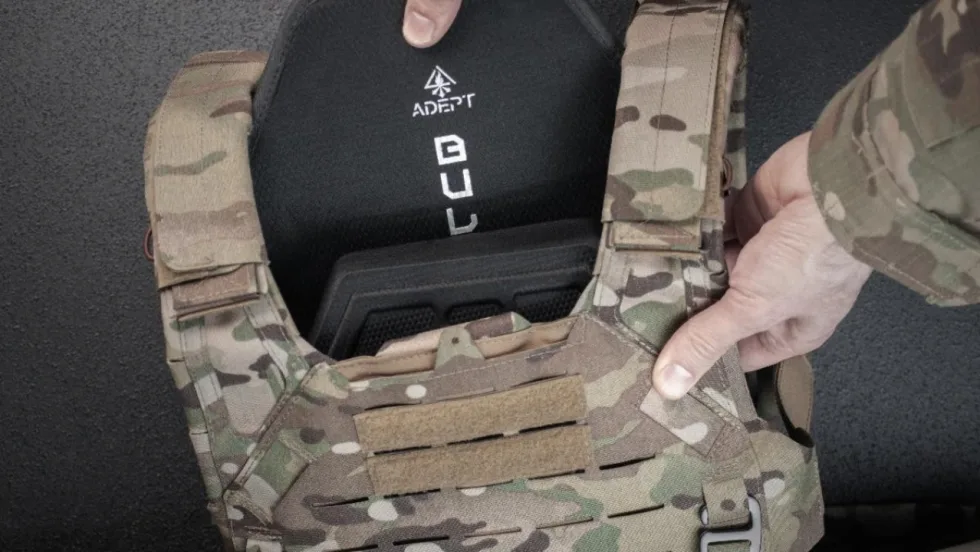
Adept Armor Introduces Two New Rifle Plates
Adept Armor has launched two new Level IV ballistic plates, the Emperor and the Archon Mark 2, which brings Adept Armor’s new Quatroid ceramic to the high-threat, performance-value center of the range at 5.2 pounds.
Read More →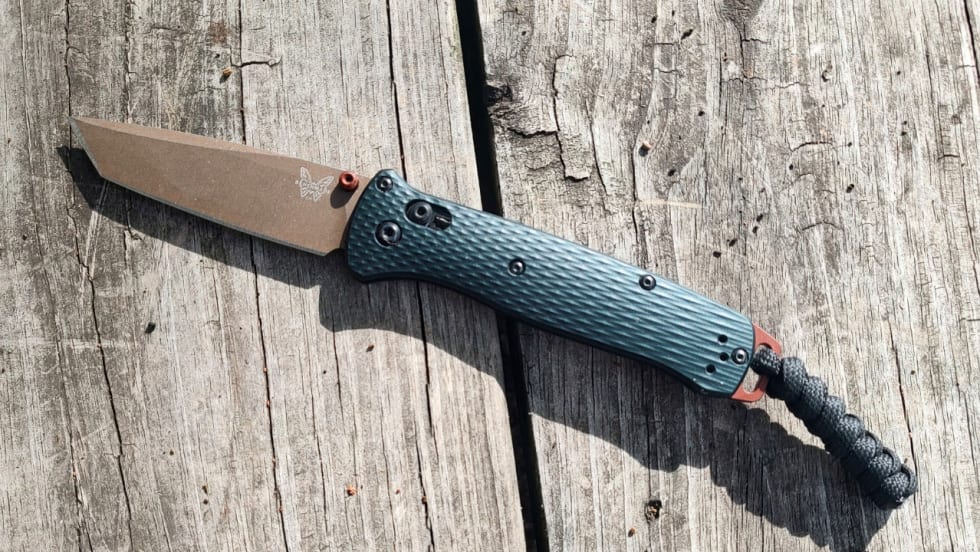
POLICE Product Test: Benchmade Bailout
The Benchmade Bailout is a slim, lightweight carry knife with a deep-ride pocket clip and comes in a variety of blade steels and scales. Here is a detailed review of the Taiga Green Bailout, released earlier this year.
Read More →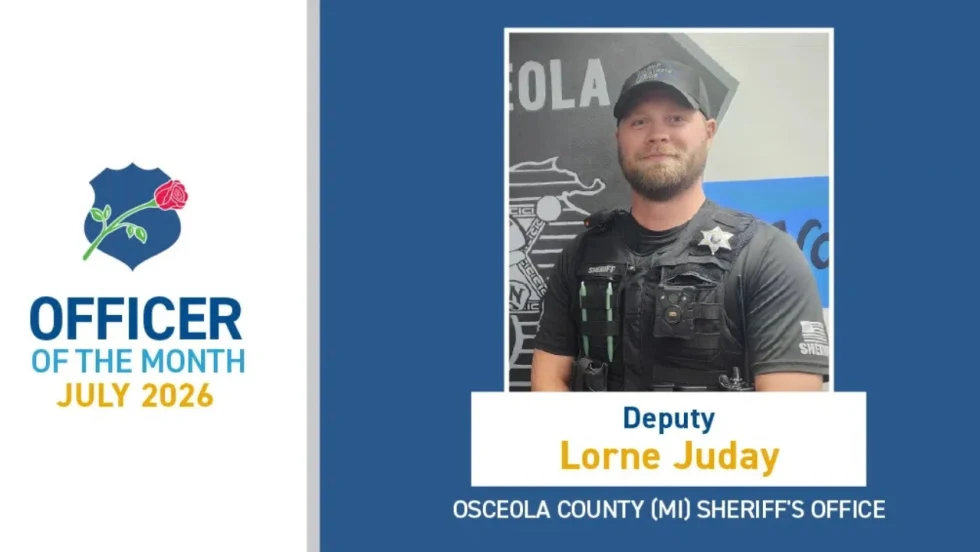
NLEOMF Announces July 2026 Officer of the Month
NLEOMF honored a Michigan deputy sheriff as the July 2026 Officer of the Month for rescuing a trapped driver from a burning vehicle following a Fourth of July crash.
Read More →
Streamlight to Showcase Newest Lighting Products at National Safety Council’s Safety Congress & Expo 2026
Streamlight will showcase its latest lights, including the Portable Scene Light III and the LiteBox 1Million, at the 2026 National Safety Council (NSC) Safety Congress & Expo.
Read More →
The 2027 World Police & Fire Games Set for Perth, Australia
The 2027 World Police & Fire Games (WPFG) will take place in Perth, Western Australia, from Friday, March 12 through Sunday, March 21, 2027.
Read More →
5.11 Partners with National Fallen Firefighters Foundation to Support #ForThe343
5.11 has joined the nationwide movement honoring the 343 New York City Fire Department firefighters lost on Sept. 11, 2001.
Read More →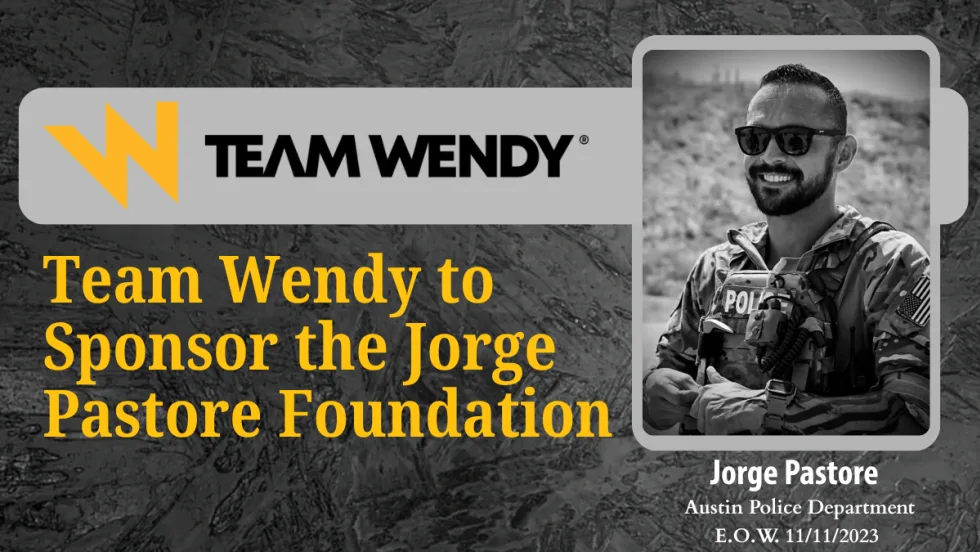
Team Wendy Announces Title Sponsorship of the Jorge Pastore Foundation
Team Wendy’s 3-year partnership with the Jorge Pastore Foundation expands access to programs that strengthen those who serve.
Read More →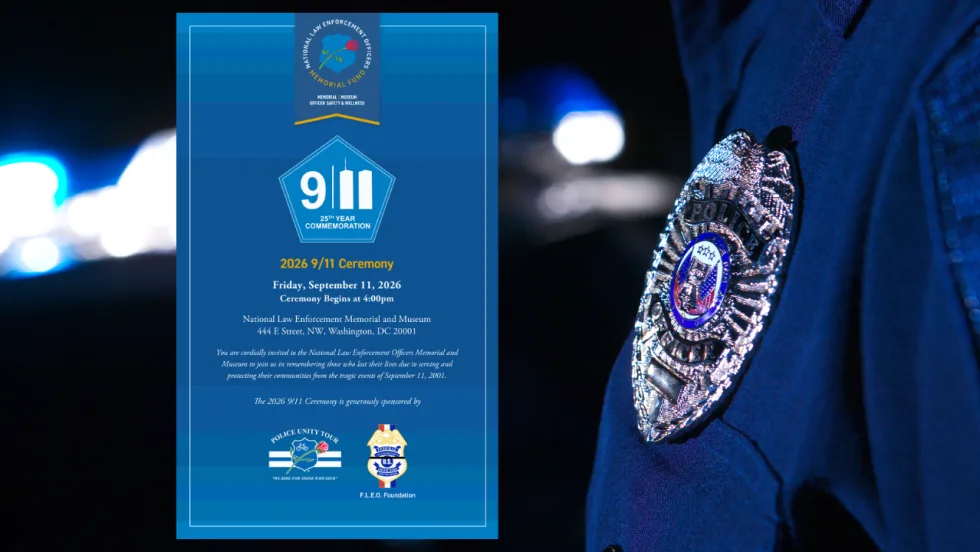
National Law Enforcement Memorial and Museum Hosting 9/11 25th-Year Commemoration Ceremony
The National Law Enforcement Memorial and Museum is hosting a 9/11 25th Year Commemoration Ceremony on Sept. 11 at 4 p.m.
Read More →
National Law Enforcement Officers Memorial Fund Announces June 2026 Officers of the Month
The National Law Enforcement Officers Memorial Fund (NLEOMF) named 15 officers of the Chico Police Department (California) as the Officers of the Month for June 2026 for their roles in responding to an active-shooter incident at a public library.
Read More →