



It's Not About the Dogs
The point here is that when a police officer shoots and kills a dog, the reaction of the community is not really about the dog. It's about the owner's emotional loss.

The one thing you need to know about the controversy surrounding law enforcement killings of pet canines is it's not about the dogs; it’s about the people.
There can be no doubt that Americans—law enforcement officers included—love dogs. As much as 50% of American homes now have dogs. A home, a family, and a loyal pet dog is the American ideal of domestic bliss. It's the way we live. Or at least it's the way we think we live.
American society is in transition. The majority of American adults are now single. Many of these people rely on their pets for companionship. Their dogs are their best friends. They are four-legged loneliness insulators that no longer live out in the yard but inside where they sit on the couch and sleep in the bed right beside their owners who are now only halfway jokingly referred to as "pet parents."
And pity the officer who shoots and kills one of these dog-children, even if the animal in question is attacking that officer.
Time was if an officer killed a man's dog, one of two things would happen. Nothing. Or perhaps the owner would seek compensation for the value of the dog.
Today, when an officer kills a dog, even if the officer was justified in doing so, he or she should expect a hell storm. Many dog owners today are going to get very emotional about losing their animals, and soon their grief is going to turn to anger. The officer and the agency that employs the officer will become the target of that anger.
The owner will go to the press. He or she will also post on social media. Then the animal activists and cop haters will rally to the cause. People will protest and demand the officer be fired. Maybe the officer will be prosecuted. And most certainly the officer and the agency will be sued.
The point here is that when a police officer shoots and kills a dog, the reaction of the community is not really about the dog. It's about the owner's emotional loss. And if you treat that owner's loss like no big deal, then his or her rage will come back and bite you much worse than any dog ever could.
All this public outrage is not about preventing dog death. If it was there would be much better causes for people to rally around. The most liberal estimate of annual dog fatalities from police bullets is about 11,000 (30 per day multiplied by 365). Each year millions of dogs are gassed and injected out of existence in the nation's animal shelters. So why aren't there marches in front of animal shelters every time a dog is euthanized?
The answer is clear. The only difference between the dogs in the shelter and the dogs curled up on the average American's couch is human interaction.
In other words: It's not about the dogs; it's about the people.
Which includes officers. Despite their characterization on the Internet and on Facebook as enjoying "puppycide," officers don't want to shoot pets. Most officers love dogs. And even those officers who have no affection for canines don't want to face discipline or litigation for unnecessarily using deadly force on an animal.
So why do officers keep shooting dogs at such an alarming rate? One factor is that dog owners fail to properly control their dogs when officers make contact. But perhaps the biggest factor is officers just don't know what else to do when dealing with a hostile canine.
Few academies or in-service training programs teach officers how to react when they come face to face, and often unexpectedly so, with a growling dog that's showing its teeth and communicating bad intent.
Such training is now mandated in several states because of dog shooting incidents that have led to political action. But it's probably better for an agency to just implement the training on its own rather than wait for the lawsuit.
Fortunately, free training is available. The National Canine Research Council, Safe Humane Chicago, and the Department of Justice Community Oriented Policing Services office have teamed up to produce five short videos that teach officers key points they need to know about approaching dogs and their options for less-lethal force. They can be viewed at http://cops.igpa.uillinois.edu/resources/police-dog-encounters.
Can these videos end lethal police vs. dog shootings? Not a chance. But if officers watch them, they might learn how to reduce the body count. And that could make a lot of people happy.
More Patrol

Team Wendy Introduces the EXFIL Endurance Ballistic Helmet, Engineered to Reduce the Burden of Extended Wear
Team Wendy has launched its EXFIL Endurance, a new lightweight ballistic helmet engineered to deliver protection, comfort, and fit during demanding, extended operations.
Read More →
The First Responders Children’s Foundation National First Responders Day Roll Call of Heroes Ceremony Returns to Times Square, NYC
First Responders Children’s Foundation (FRCF), in collaboration with T-Mobile, will host the Roll Call of Heroes ceremony in Times Square to commemorate National First Responders Day on Wednesday, Oct. 28. During the event, FRCF will present 18 Hero Awards.
Read More →
Streamlight to Showcase Newest Lighting Products for Law Enforcement Professionals at IACP 2026
Streamlight will showcase its newest lights for law enforcement at the International Association of Chiefs of Police Annual Conference & Expo. Featured lights will include the TLR-3 X, the PolyTac 1X, and more.
Read More →
Streamlight Portable Scene Light III Wins 2026 OH&S New Product of the Year Award
Streamlight’s Portable Scene Light III has won the 2026 Occupational Health & Safety (OH&S) New Product of the Year Award in the Lighting category.
Read More →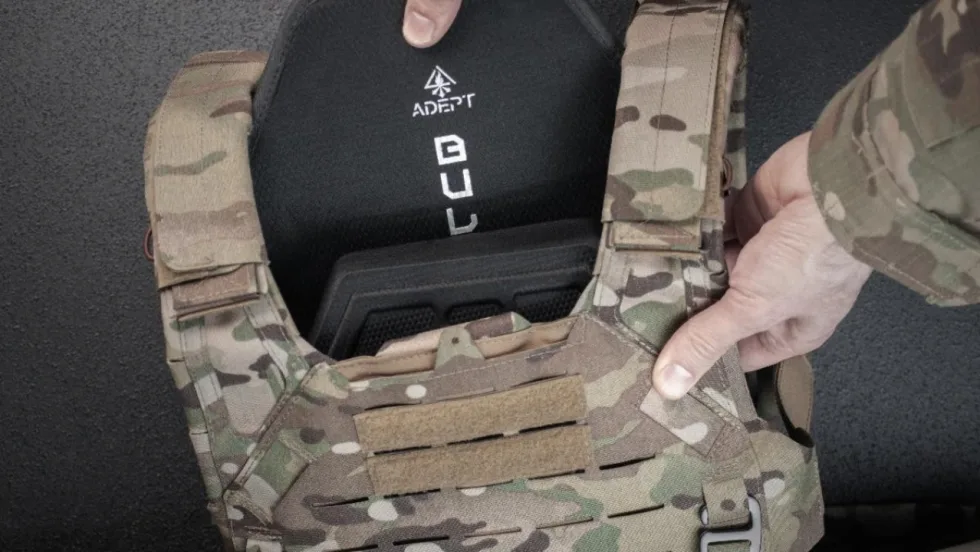
Adept Armor Introduces Two New Rifle Plates
Adept Armor has launched two new Level IV ballistic plates, the Emperor and the Archon Mark 2, which brings Adept Armor’s new Quatroid ceramic to the high-threat, performance-value center of the range at 5.2 pounds.
Read More →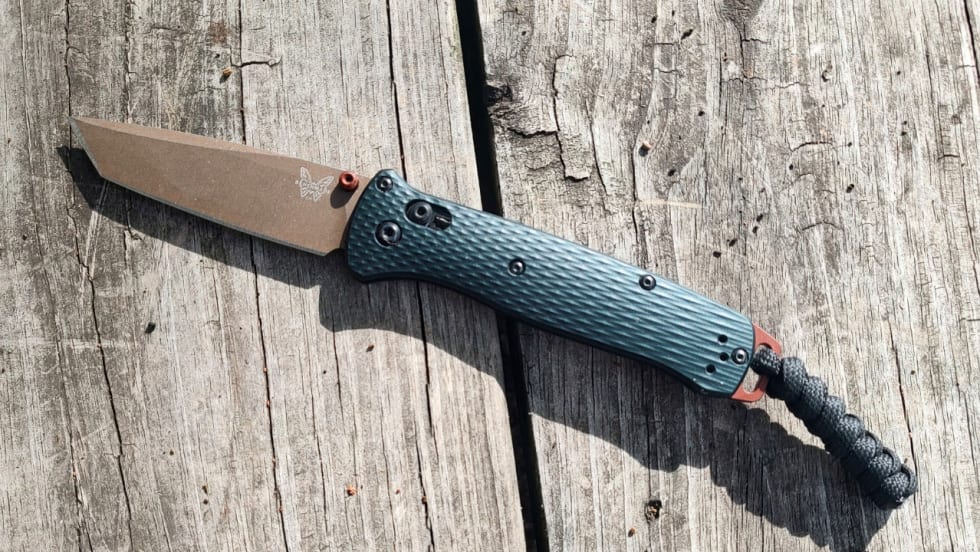
POLICE Product Test: Benchmade Bailout
The Benchmade Bailout is a slim, lightweight carry knife with a deep-ride pocket clip and comes in a variety of blade steels and scales. Here is a detailed review of the Taiga Green Bailout, released earlier this year.
Read More →
NLEOMF Announces July 2026 Officer of the Month
NLEOMF honored a Michigan deputy sheriff as the July 2026 Officer of the Month for rescuing a trapped driver from a burning vehicle following a Fourth of July crash.
Read More →
Streamlight to Showcase Newest Lighting Products at National Safety Council’s Safety Congress & Expo 2026
Streamlight will showcase its latest lights, including the Portable Scene Light III and the LiteBox 1Million, at the 2026 National Safety Council (NSC) Safety Congress & Expo.
Read More →
The 2027 World Police & Fire Games Set for Perth, Australia
The 2027 World Police & Fire Games (WPFG) will take place in Perth, Western Australia, from Friday, March 12 through Sunday, March 21, 2027.
Read More →
5.11 Partners with National Fallen Firefighters Foundation to Support #ForThe343
5.11 has joined the nationwide movement honoring the 343 New York City Fire Department firefighters lost on Sept. 11, 2001.
Read More →