



Police are Less Safe Under Obama
As an increasing number of officers are assassinated for the law and order symbolism of their uniforms, the White House contemplates the need for officer implicit bias training.

While the White House peddles fatal falsehoods that fewer officers have been killed under the Obama administration, the statistics prove otherwise. After a homicidal racist assassinated five officers in Dallas, the White House released a July 9 email with the subject line: "WP Wonkblog: Police are safer under Obama than they have been in decades." I'm not sure what "Police" the White House and blog author Christopher Ingraham were referring to, but their assertion certainly doesn't apply to law enforcement officers serving in the United States.
The blog referenced statistics regarding all causes of police fatalities to reach its false conclusion that officers are safer under Obama. It included statistics reflecting a reduction in vehicular related deaths. Nonetheless, Ingraham wrote, "Intentional attacks on police officers are at historically low levels under President Obama." Ingraham references ambush attacks against officers and contends the "numbers are a little murkier." He goes on to state, "These (ambushes) are generally rare, with the number of officers dying in these attacks each year in the single or double digits." And his next sentence is the grand contradiction of his blog's false title: "But they (ambushes) have become slightly more common."
Slightly? Here's a slice of historical truth. According to the National Law Enforcement Officers Memorial Fund (NLEOMF), 64 law enforcement officers were fatally ambushed in the eight years of President George W. Bush's administration. As of July 17, 94 officers have been fatally ambushed under President Obama's ongoing eight years of office.
Delving further into the NLEOMF statistics, we learn that seven officers were fatally ambushed by what is described as "pre-meditated entrapment," aka "assassination," from 2006 to 2010. From 2011 to July 17, 38 officers were killed by pre-meditated entrapment. The statistics make fatally clear that assassination attacks against law enforcement officers are on the rise under the Obama administration.
Undeterred by statistical evidence, the White House released another email on August 16 which stated, in part, "Since 2009, President Obama has made it a priority to provide local law enforcement with the tools necessary to protect the public while ensuring their own safety and wellness." Does the White House define "tools" as implicit bias training and naloxone?
So far 94 officers have been fatally ambushed during his administration, and the best Obama can do is direct officers to look at themselves in the mirror and assess their propensity for implicit bias.
While the White House peddles a puzzling proclamation that officers are safer under President Obama, I wonder if they think the same is true for those living in low-income areas in his hometown of Chicago. According to statistics released by the Chicago Police Department that compare crime data from 2015 to 2016, homicides are up 43%, shootings are up 48%, and sexual assaults are up 20%. On a broader scale, crime data shows that shootings and homicides are on the rise in several major cities. This doesn't strike me as a boasting point for the White House. Who exactly is safer under the Obama administration?
As an increasing number of officers are assassinated for the law and order symbolism of their uniforms and violent crime spirals out of control in big-city, low-income neighborhoods, the White House contemplates the need for officer implicit bias training. If we raised a magic wand and eliminated all traces of implicit or overt racism from law enforcement, it wouldn't reduce the rising level of violence or the escalating body count.
The sad truth is that neither cops nor citizens, especially those in low-income neighborhoods, are safer under the Obama administration. The administration has not put forth any action plan to aggressively deal with these issues. Furthermore, the sale and trafficking of drugs continue to destroy all hope in low-income neighborhoods, yet the Obama administration continues to fixate almost exclusively on banning firearms. Sadly, the White House remains baffled as to why education is abandoned in low-income neighborhoods. Children from broken homes, forced into gangs, and getting high on drugs, are not going to seek out higher education.
In law enforcement, we live by the mantra of officer safety first. Perhaps the White House might remember that mantra, instead of making false claims that officers are safer under the Obama administration.
More Patrol
Why Tennessee’s New Deadly Force Law Matters Beyond Tennessee
Tennessee’s new deadly force law is more limited than many may realize. Effective July 1, 2026, the law applies to a person who is not engaged in conduct that would constitute a felony or a Class A misdemeanor and who is in a place where the person lawfully resides. But it could have far-reaching influence.
Read More →
When Do You Transport a Wounded Officer by Police Vehicle?
Time-sensitive injuries like penetrating trauma mean a wounded officer needs to reach a trauma center as soon as possible, and in some cases, that means transporting by police vehicle rather than waiting for EMS. What are the factors to consider in making that transport decision?
Read More →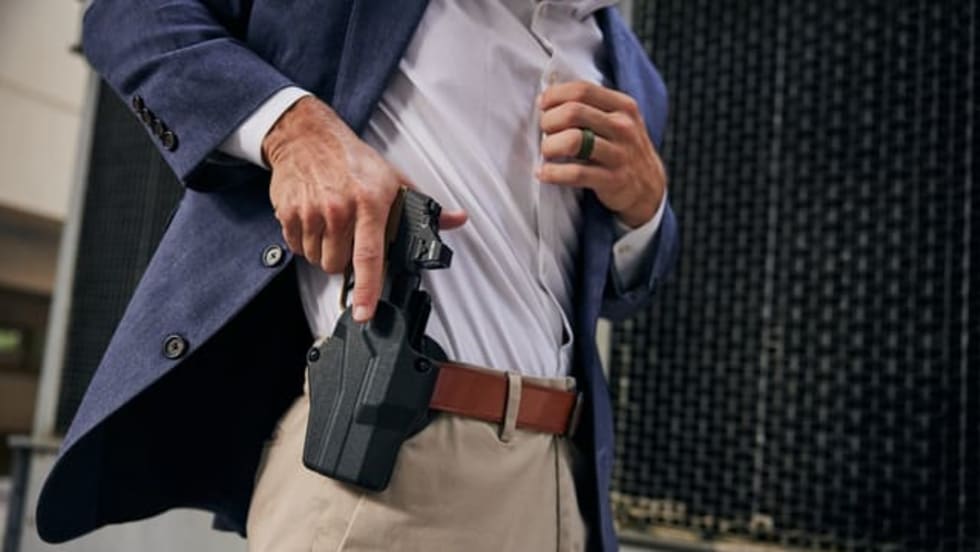
Safariland Solis Rethinks Concealable Duty
What if Level I retention didn’t require a full duty rig? Safariland’s Solis delivers trusted ALS security in a streamlined OWB platform built for administrative and plainclothes professionals who need protection without the bulk.
Read More →
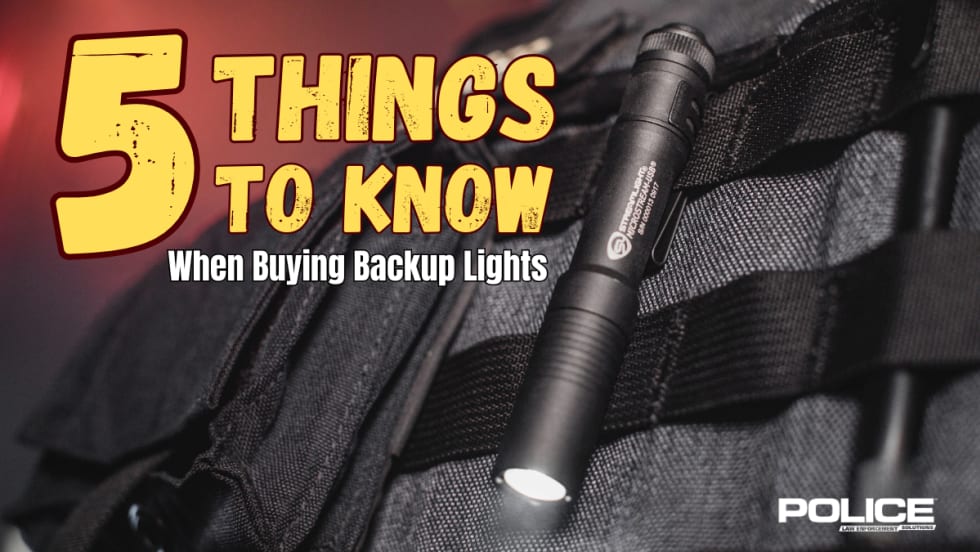
5 Things to Know When Buying Backup Lights for Patrol Use
What is the value of a backup light, and what do you need to consider when selecting one? These smaller lights are invaluable as a secondary or special-purpose light and can be easily carried in a pocket or clipped to MOLLE gear, a key chain, shirt, or a vest.
Read More →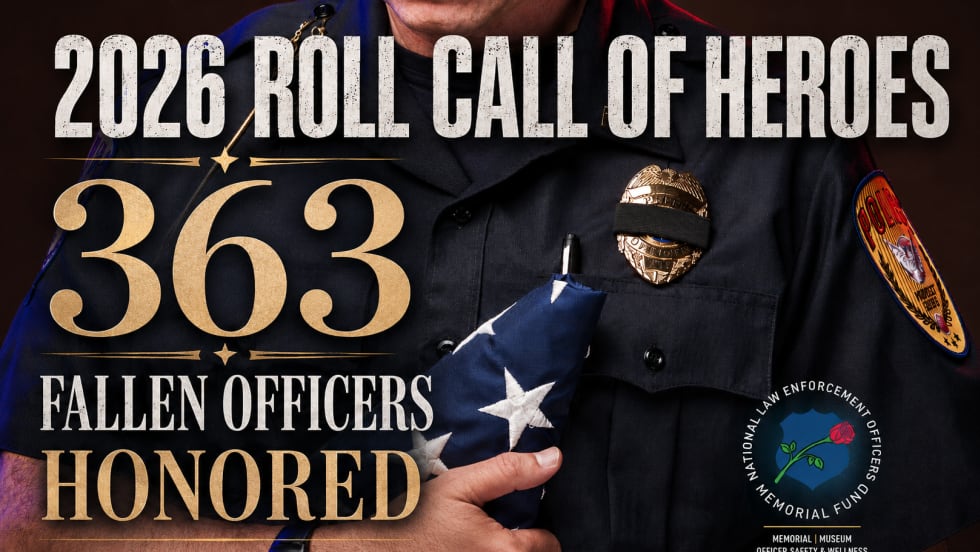
363 Fallen Officers Honored During National Police Week
In case you missed NELOMF’s annual Candlelight Vigil, here are all 363 names of the fallen officers whose names were added to the National Law Enforcement Officers Memorial this year.
Read More →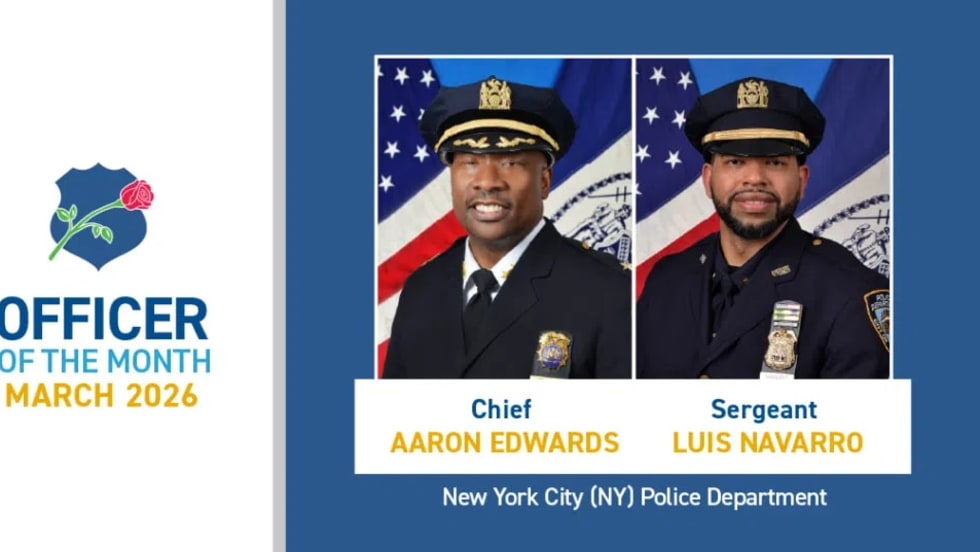
NYPD Officers Who Responded Quickly During IED Incident Recognized as NLEOMF Officers of the Month
Chief Aaron Edwards and Sgt. Luis Navarro were recognized by NLEOMF as Officers of the Month for their response during an IED incident and their actions that helped prevent harm to the public.
Read More →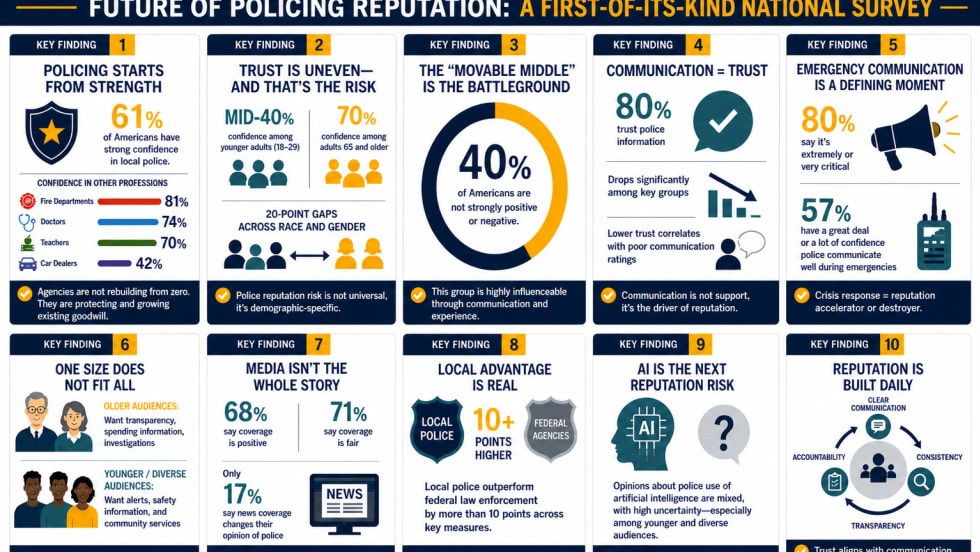
National Police Survey Reveals How Americans View Policing Today
A new national survey offers a comprehensive look at how Americans view policing. The study uncovers public sentiment toward local vs. federal police, communications, crisis response, the use of AI in policing, and more.
Read More →
Streamlight TLR-7 X Selected as Standard Issue Pistol Light by Canadian Federal Police
The Canadian Federal Police will be adding a new duty pistol system, which will include Streamlight’s TLR-7 X and a Glock 45 MOS 7 pistol with a red dot sight.
Read More →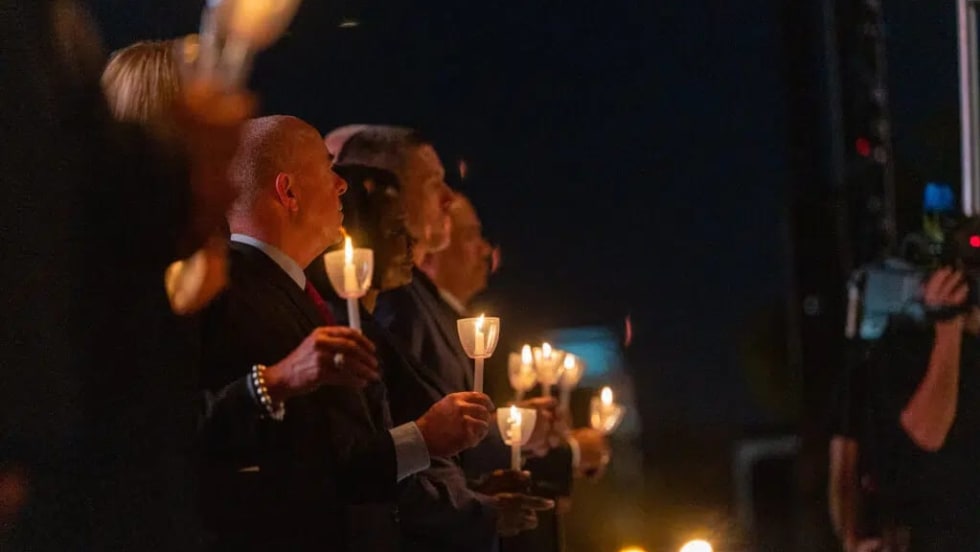
Fallen Law Enforcement Officers from Across the Country to be Honored During 38th Annual Candlelight Vigil on May 13th in Washington, D.C.
The National Law Enforcement Officers Memorial Fund (NLEOMF) will honor 363 fallen officers who have died in the line of duty as their names are added to the National Law Enforcement Officers Memorial during the annual Candlelight Vigil on May 13.
Read More →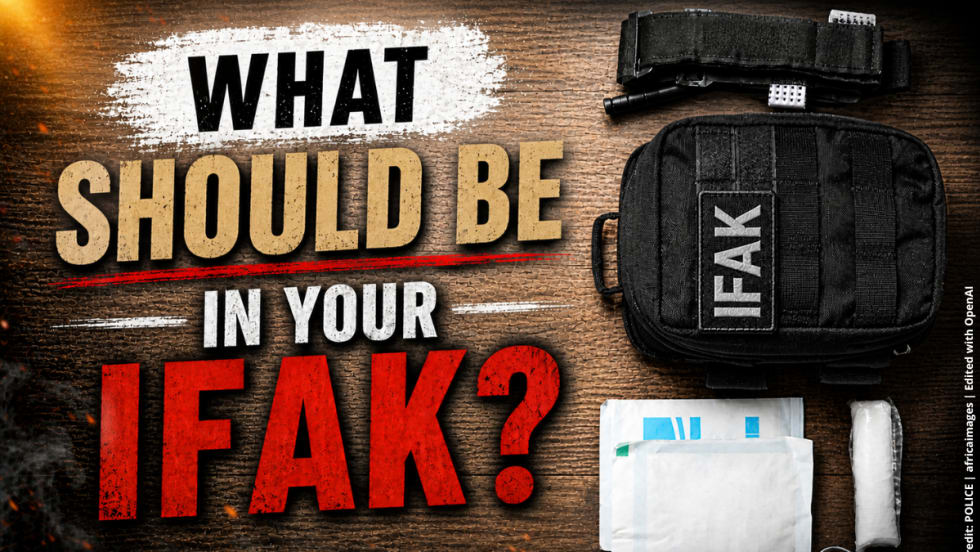
What Should Be in Your IFAK?
What should every officer include in an IFAK? Sydney Vail, M.D., a veteran trauma surgeon and former SWAT surgeon, explains which components are needed and which are not, and stresses training.
Read More →