



Finding Witnesses & Asking the Right Questions
The success or failure of your investigation will depend on how you deal with witness information.

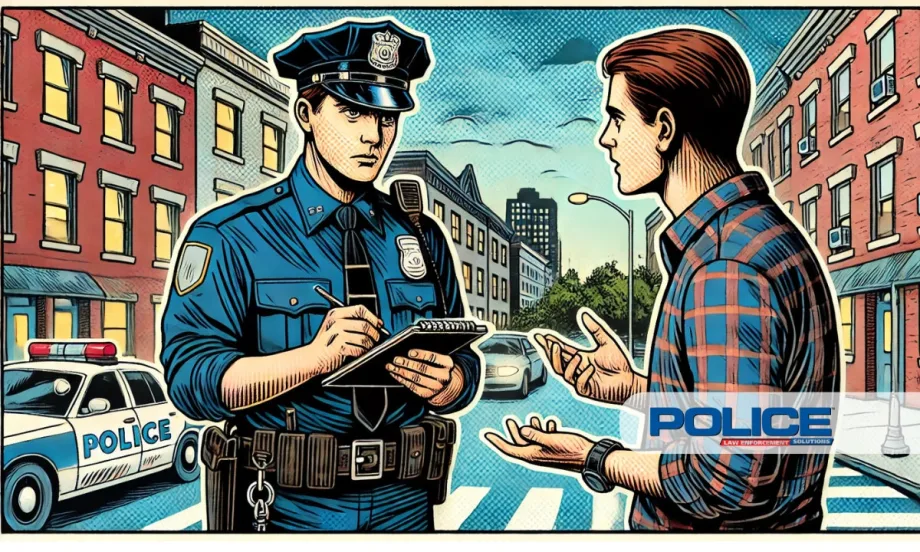
It is important to know how to locate witnesses, build their trust, and then ask key questions.
This is an AI-generated image. Refer to our Terms of Use.
As first responders, we seldom get to see everything that happens related to an incident. This creates gaps in the story. The only way to fill in these gaps is with help from those who were there. That means that identifying, finding, and interviewing witnesses becomes a factor in any investigation. The success or failure of your investigation will depend on how you deal with witness information.
It might seem like a relatively simple task, but being simple doesn't necessarily translate into being easy. In general, dealing with witness information consists of three parts:
Finding them.
Earning their trust.
Asking the right questions.
Identifying & Finding Witnesses
In most cases, finding your first witness is simple because it will be the victim. But after that initial contact, you have to work at finding more. In general, there are three ways to find witnesses:
You can ask the victim or the other officers who responded who else was there.
You can canvass the immediate area.
You can search for some type of technology that uses surveillance footage or other electronic signatures.
Sometimes we forget to ask the victim if they know of any other witnesses. This is especially true if the victim has left the scene for a safer place or went home to call the police. This is also true if the victim has been hurt and can't respond. If they can't talk to you when you first arrive, you have to note that in your report and be specific as to why. You also have to pass that information on to the detective if one is called out.
You need to ask fellow officers as well, or you risk losing the information they have.
For example, maybe they saw something while driving to the scene. Something that didn't seem important at the time might end up being the one clue you need to track down the suspect. You also need to ask your backup officers if they heard or saw anything while on scene. For example, spontaneous statements are very useful under the right circumstances.
Another thing primary reporting officers often forget to do is take some type of statement from anyone present at the scene when they arrive. Even if all they write is they didn't see anything, it puts them there at the scene. At a minimum, try to get their names and contact information. You'd be surprised what an investigation turns up once you check on the validity of those who say they weren't involved. Another point to remember is if you develop a suspect from those who say they didn't see anything, they can no longer successfully claim they weren't there.
Another usual tool to find witnesses is to canvass the area.
A good rule of thumb is to do a 360-degree check starting from the crime scene. If they live or work close enough to the crime scene, someone might have heard or seen something. If you are in a residential neighborhood, check with the neighbors in front, behind, and on either side of the victim's house.
It's not only important to ask if they've seen anything suspicious but equally important to ask if they've heard anything. For example, if they heard their dogs barking at three in the morning, that might be a clue as to someone going through their yard. It doesn't seem like much, but as you start putting the puzzle pieces together, the picture becomes clearer.
The last way of finding witnesses is through technology.
See if the area has any surveillance video available. We look for it in a business setting but don't discount this possibility in a residential area. Many in-home security systems offer video as an option, or homeowners have been known to use their own. In the past, I have obtained suspect vehicle information that way, and one time I recovered a video of an entire shoot-out when a home invasion failed.
Something else you can check for are roadway or red light cameras. These two areas also produce usable videos, though with red light cameras it may take a few days to cue up and recover the information.
Last but not least are video captures from smartphones. More and more people have this available to them. It's gotten so bad that it seems people are more interested in videoing you than helping you. Don't rule out this possibility and always ask to see if any is available.
Earning Witnesses’ Trust
Once you find a witness, you have to establish a dialogue.
We have all heard advice such as establish rapport, use empathy, treat with respect, and listen first, write second. This is all great stuff but it's a tall order for the road officer. First responders are not detectives who can take all day to interview someone if need be.
So how do we earn witnesses' trust? It's really simple; apply The Golden Rule. Treat them how you would want to be treated.
Let me give you an example. Your mother just died before your eyes. You're in shock, you're heartbroken, and you are very confused as to what to do next. All of a sudden a well-intentioned uniformed officer shows up, introduces themselves, and starts drilling you with questions. How cooperative are you going to be?
The focus here is to take care of the witness first. Make sure they are okay, ask them if you can contact anyone for them, and assure them you will help them get through this. As you make them feel you are there to help, they in turn will start helping you. You make your connection by being sincere. Anything less will give you questionable results.
Asking Witnesses the Right Questions
Once a witness starts opening up to you, you can start your questioning. You need to hit them with versions of who, what, when, why, where, and how, if at all possible.
Unfortunately, people forget that the question is more important than the answer. Officers often ask the wrong question or ask it in the wrong way. When they do so, they inevitably get the wrong answer.
So make sure you give your questions some thought before you ask them. And try to avoid sounding robotic and uncaring. Two questions in particular should be saved for the end. The first is, "Can you think of anything else that might help us with the investigation?" and the other is, "What else can I do to help you before I leave?"
Final Thoughts on Dealing with Witnesses
It is said that time waits for no one. So, when we are shorthanded or have high call volumes, we feel the pressure from our supervisors to hurry up and get to the next call. This creates an atmosphere that encourages shortcuts. Shortcuts can be a good thing if they are based on working smarter, but a bad thing if you are just trying to cut time off the call.
Finding and dealing with witnesses is not something you should shortcut because you will miss finding the very information you are searching for. You should be doing the exact opposite:
Slow down.
Listen more.
Ask better questions.
Amaury Murgado retired as a senior lieutenant from the Osceola County (FL) Sheriff's Office with over 29 years of experience. He also retired from the Army Reserve as a master sergeant. He holds a Master of Political Science degree from the University of Central Florida.
More Patrol

Streamlight Portable Scene Light III Wins 2026 OH&S New Product of the Year Award
Streamlight’s Portable Scene Light III has won the 2026 Occupational Health & Safety (OH&S) New Product of the Year Award in the Lighting category.
Read More →
Adept Armor Introduces Two New Rifle Plates
Adept Armor has launched two new Level IV ballistic plates, the Emperor and the Archon Mark 2, which brings Adept Armor’s new Quatroid ceramic to the high-threat, performance-value center of the range at 5.2 pounds.
Read More →
POLICE Product Test: Benchmade Bailout
The Benchmade Bailout is a slim, lightweight carry knife with a deep-ride pocket clip and comes in a variety of blade steels and scales. Here is a detailed review of the Taiga Green Bailout, released earlier this year.
Read More →
NLEOMF Announces July 2026 Officer of the Month
NLEOMF honored a Michigan deputy sheriff as the July 2026 Officer of the Month for rescuing a trapped driver from a burning vehicle following a Fourth of July crash.
Read More →
Streamlight to Showcase Newest Lighting Products at National Safety Council’s Safety Congress & Expo 2026
Streamlight will showcase its latest lights, including the Portable Scene Light III and the LiteBox 1Million, at the 2026 National Safety Council (NSC) Safety Congress & Expo.
Read More →
The 2027 World Police & Fire Games Set for Perth, Australia
The 2027 World Police & Fire Games (WPFG) will take place in Perth, Western Australia, from Friday, March 12 through Sunday, March 21, 2027.
Read More →
5.11 Partners with National Fallen Firefighters Foundation to Support #ForThe343
5.11 has joined the nationwide movement honoring the 343 New York City Fire Department firefighters lost on Sept. 11, 2001.
Read More →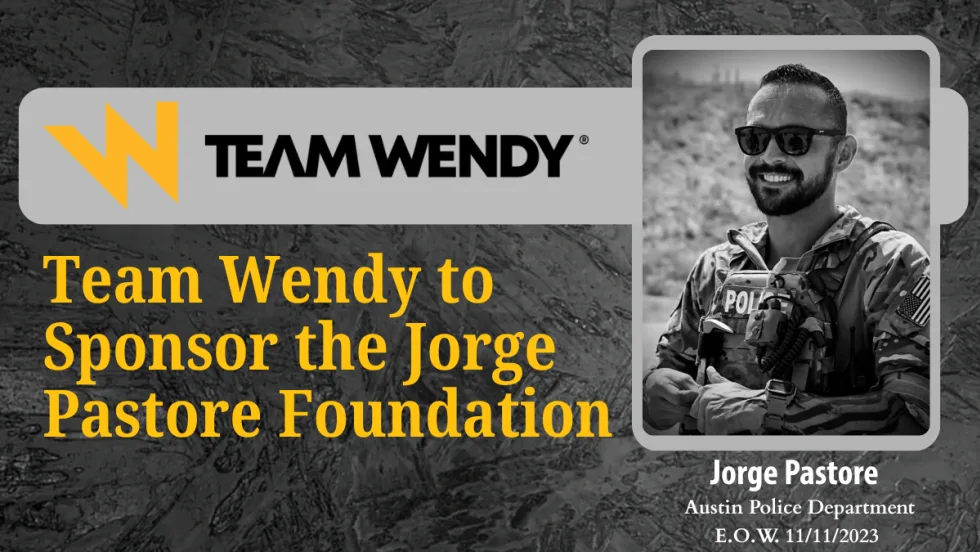
Team Wendy Announces Title Sponsorship of the Jorge Pastore Foundation
Team Wendy’s 3-year partnership with the Jorge Pastore Foundation expands access to programs that strengthen those who serve.
Read More →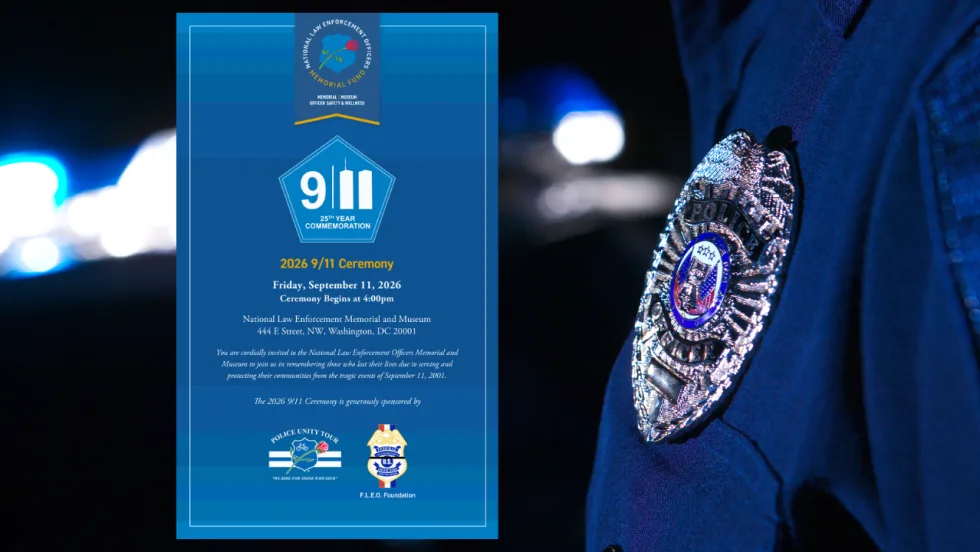
National Law Enforcement Memorial and Museum Hosting 9/11 25th-Year Commemoration Ceremony
The National Law Enforcement Memorial and Museum is hosting a 9/11 25th Year Commemoration Ceremony on Sept. 11 at 4 p.m.
Read More →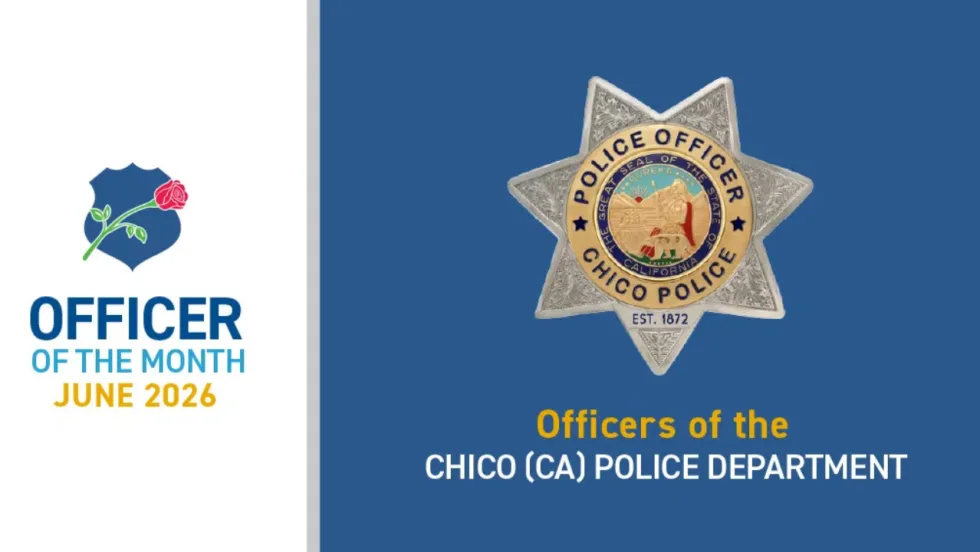
National Law Enforcement Officers Memorial Fund Announces June 2026 Officers of the Month
The National Law Enforcement Officers Memorial Fund (NLEOMF) named 15 officers of the Chico Police Department (California) as the Officers of the Month for June 2026 for their roles in responding to an active-shooter incident at a public library.
Read More →