



VirTra and Force Science Institute Announce Law Enforcement Training
The goal of the program is to encourage law enforcement professionals to apply the important concepts revealed in this research when investigating, reconstructing, recalling or otherwise analyzing use of force. The courses will run for two days and take place at various cities around the United States in 2018.

VirTra, Inc., a global provider of training simulators for the law enforcement, military, educational and commercial markets, and Force Science Institute today announced a four-part series of law enforcement training courses based on the research, science, and applications that Force Science has developed over the past 40 years.
Each course will explore Force Science, the application of unbiased scientific principles and processes in repetitive physical experiments designed to determine the true nature of suspect provocation and officer response (action-reaction dynamics). The goal of the program is to encourage law enforcement professionals to apply the important concepts revealed in this research when investigating, reconstructing, recalling or otherwise analyzing use of force. The courses will run for two days and take place at various cities around the United States in 2018.
The schedule for classes and host agencies are as follows:
* Los Angeles Police Department | June 7-8 | Los Angeles, CA
* St. Louis County Police Department | July 19-20 | St. Louis, MO
* Dallas Police Department | August 23-24 | Dallas, TX
* Orange County Sheriff's Office | October 4-5 | Orlando, FL
“Force Science courses are vital to the education of law enforcement officers,” said Jason Mulcahy, general manager at VirTra. “We have integrated Force Science research and training into our simulations as well as the newly developed training curriculum VirTra now offers our customers. We look forward to working closely with Force Science on future projects.”
Additionally, as part of the learning experience, participants have the opportunity to experience VirTra’s new Human Factors in Force Encounters training events in VirTra’s immersive V-300 training simulator, which is based on the science and teachings of Force Science.
VirTra’s newly developed Human Factors in Force Encounters curriculum program examines the science behind human performance under stress. The course includes a lesson plan, simulation exercises, course evaluation, testing and more. The complete coursework and simulator events and scenarios will be on site for review by the students.
“Force Science Institute is impressed with the efforts that VirTra has made in trying to accurately capture the science behind some of our research on the speed and time dynamics and often rapidly unfolding nature of a possible assault. These VirTra Human Factor scenarios take what we did in the lab setting and turned them into a demonstrative format that users can experience on their own.” said Scott Buhrmaster, Chief Operating Officer of Force Science Institute out of Chicago, IL.
The seating is limited. Register online now at VirTra’s Force Science Events page.
More Training
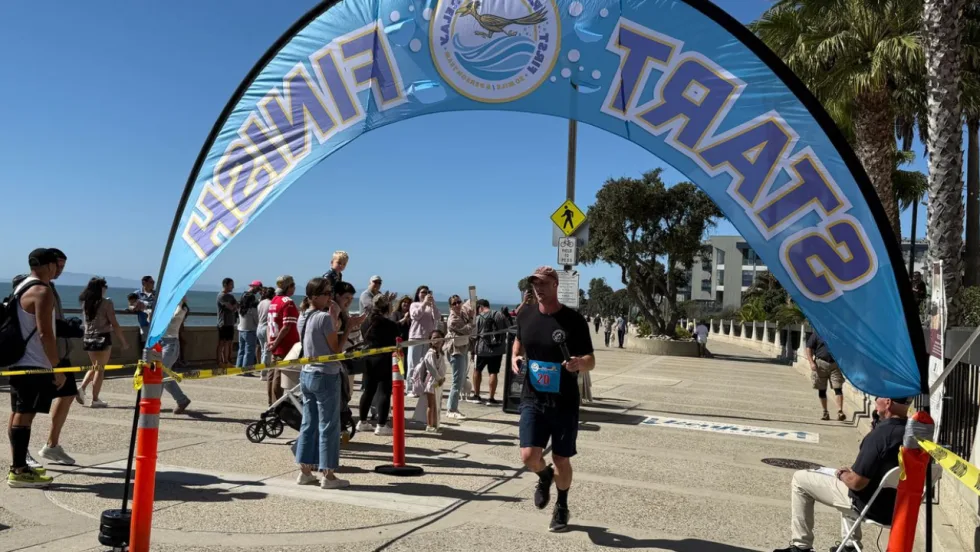
Registration Underway for Sixth Annual First Responders Relay
The California Police Athletic Federation’s annual First Responder Relay will welcome first responder teams from across the globe to compete along Ventura's scenic coastline on Oct. 11. Registration is underway.
Read More →
Vector Solutions Launches Comprehensive Online Dispatch Training Catalog for Emergency Communications Professionals
Vector Solutions’ new catalog of 35 expert-developed online courses can help emergency communication centers strengthen training, meet certification requirements, and simplify continuing education.
Read More →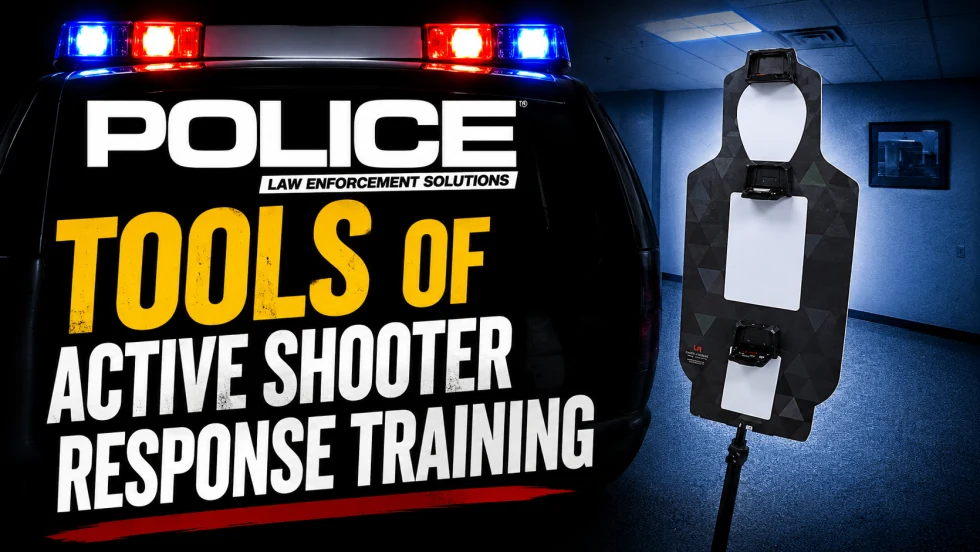
Tools for Active Shooter Response Training
What technologies help prepare officers for active shooter response situations? This behind-the-scenes look at law enforcement training explores shot simulators, smart firearms, laser target systems, and the tools used to build safer, more effective training environments.
Read More →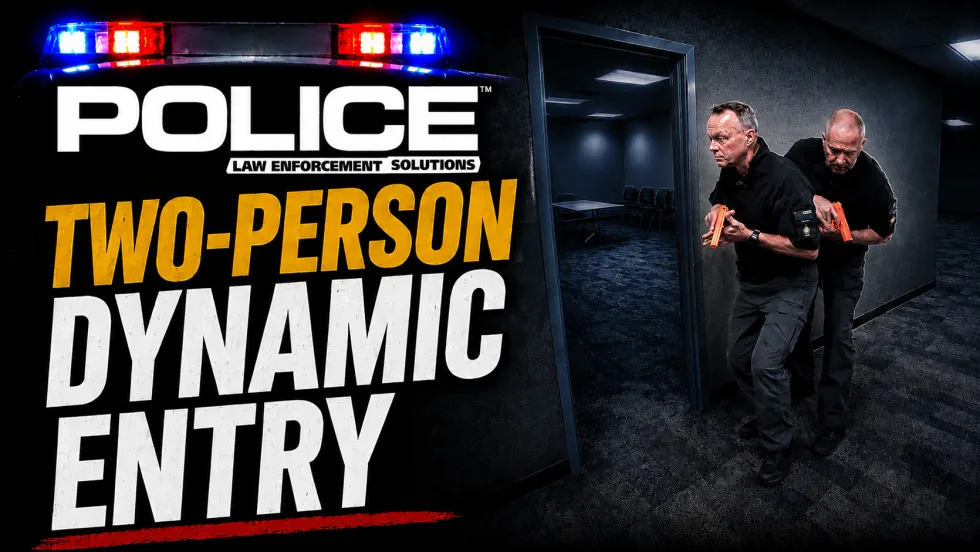
Two-Officer Tactical Doorway Entry Techniques
Entering a room during active-threat situations requires communication, coordination, and disciplined tactical movement. In this video, trainers from the United States Deputy Sheriff’s Association demonstrate critical room entry concepts, including fatal funnel awareness, team coordination, and safe tactical movement.
Read More →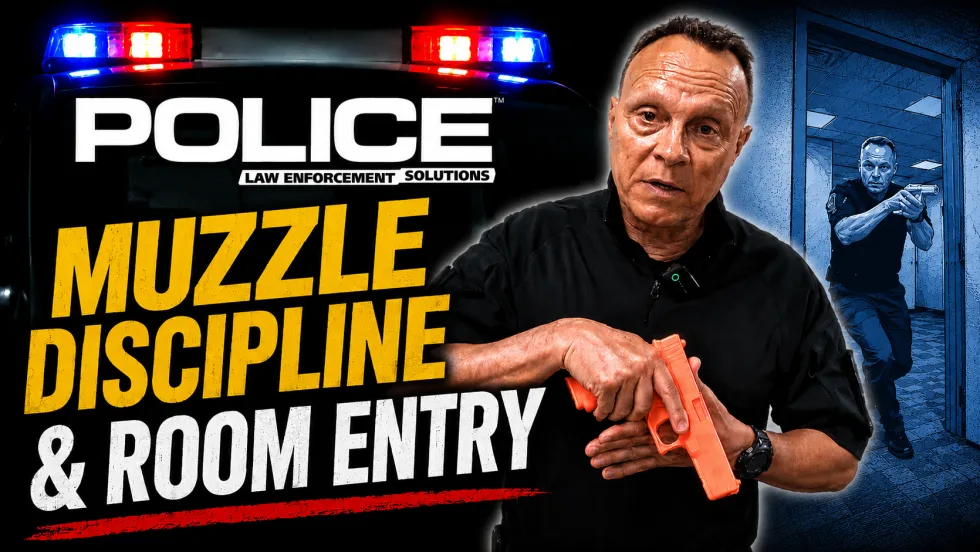
High Compressed Ready Explained | Muzzle Control For Room Entry
In this video, Mike Willis, law enforcement national training and program director for the United States Deputy Sheriffs’ Association, demonstrates the high compressed ready position and discusses muzzle control during room entry.
Read More →
Why Attend the DroneSense Innovation Summit by Versaterm?
Let’s hear from Ryan Bracken, head of product, about why your agency should send someone to the first annual DroneSense Innovation Summit by Versaterm in April.
Read More →
Caswell Live Fire Spins Off from InVeris
Caswell Live Fire has spun off from parent company InVeris, coinciding with the 100th anniversary of Caswell’s founding. Over the past 100 years, Caswell has developed pioneering solutions that support military, law enforcement, and commercial clients worldwide.
Read More →
When Do You Transport a Wounded Officer Instead of Waiting for EMS?
Thumbnail for video series POLICE Topics, Tactics & Tips with a yellow headline that reads When Do You Transport a Wounded Officer Instead of Waiting for EMS?
Read More →
How to Pick Your High-Risk Stop Location for Tactical Advantage
Hear veteran trainer Mike Willis, of the United States Deputy Sheriff’s Association, explain several considerations that can help you wisely pick your best spot to initiate high-risk or felony traffic stops.
Read More →
Coffee Break with Police Experts: Using Your Patrol Vehicle for Cover
In this video, hear from Dustin Mowery, a product specialist at Team Wendy, as he discusses how to best use a patrol vehicle for cover.
Read More →