



SHOT Show 2015: Oakley Introduces Tombstone Eyewear for Range Shooting
The Oakley SI Tombstone eyeshield provides a wider, unobstructed field of view, rapid lens exchange, and Oakley’s Prizm lens tint technology to help shooters increase contrasts between targets and surrounding environments.

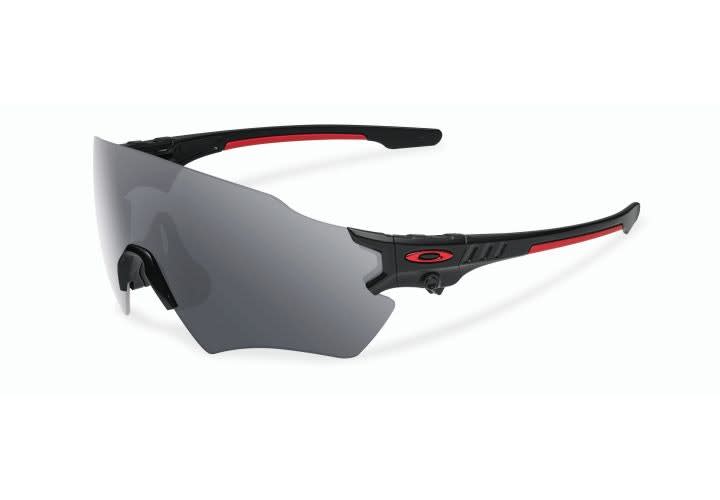
Photo: Oakley
Oakley Standard Issue (SI), a division of Oakley, introduced the Oakley SI Tombstone eyeshield at the SHOT Show, where shooters attending the media day were able to try it out. Developed for the needs of competitive shooters, the eyeshield combines years of development with the Military and advanced optical engineering to solve the shortcomings of traditional shooting glasses. The Oakley SI Tombstone eyeshield provides a wider, unobstructed field of view, rapid lens exchange, and Oakley’s Prizm lens tint technology to help shooters increase contrasts between targets and surrounding environments.
The development of Tombstone started with identifying problems that professional shooters were having with their current eyewear. Oakley worked closely with several professional shooters and began by addressing the field of view challenges. The shooters stated limitations with traditional frame profiles and obstruction of view while acquiring a proper sight picture and poor peripheral vision.
Extensive research was conducted using a 60Hz eye tracking system designed by Sensomotoric Instruments Inc. (SMI). The eye tracker precisely gauges and records eye position and movement in real time scenarios and was developed with more than 100,000 test participants. The data captured allowed Oakley to see that the upper periphery of the lens is critical in providing the visual field shooters need for performance and safety. The Tombstone eyeshield maximizes the lens zone for an expanded field of view. Tombstone expands the zone to a full 120-degree view. It utilizes breakthroughs in Oakley frame design, as well as the patented technologies of High Definition Optics to ensure razor-sharp clarity at every angle of vision.
Another challenge with conventional shooting eyewear is swapping out lenses. Traditional eyewear lens exchange can leave lenses with smudges that compromise sighting. With Tombstone, a single release trigger allows users to quickly change the lens without ever touching the lens front. The new lens locks into place similar to inserting a magazine into a weapon.
Critical to the performance of Tombstone is the Oakley Prizm lens. Prizm technology strategically blocks specific wavelengths of light that interfere with vision while emphasizing the parts of the color spectrum where the eye is most sensitive to detail in specific environments. The end result is a perfectly tuned contrast that makes targets stand out against foliage, dirt and the sky.
Oakley SI Tombstone eyeshields:
Meet or exceed impact and optical requirements per ANSI Z87.1 2003/2010
Lenses block 100% of UVA/UVB & harmful blue light up to 400 nm wavelength
Have advanced anti-fog coating and hard coating for scratch resistance
Are composed of Plutonite, Oakley’s high purity optical-grade polycarbonate
Tombstone lenses come in two cuts: Reap (larger profile) and Spoil (slightly smaller coverage) and a variety of lens tints. Tombstone glasses will be available on OakleySI.com in Spring 2015.
Oakley Standard Issue is a dedicated division within Oakley, Inc. that has partnered with the U.S. Armed Forces for more than 20 years. The alliance was formed to develop new technologies that improve the safety, performance and comfort of tactical eyewear. This initiative in research and development continues to produce combat ready equipment for those whose lives depend on their gear. For more information about Oakley SI products visit www.oakleysi.com.
More Training
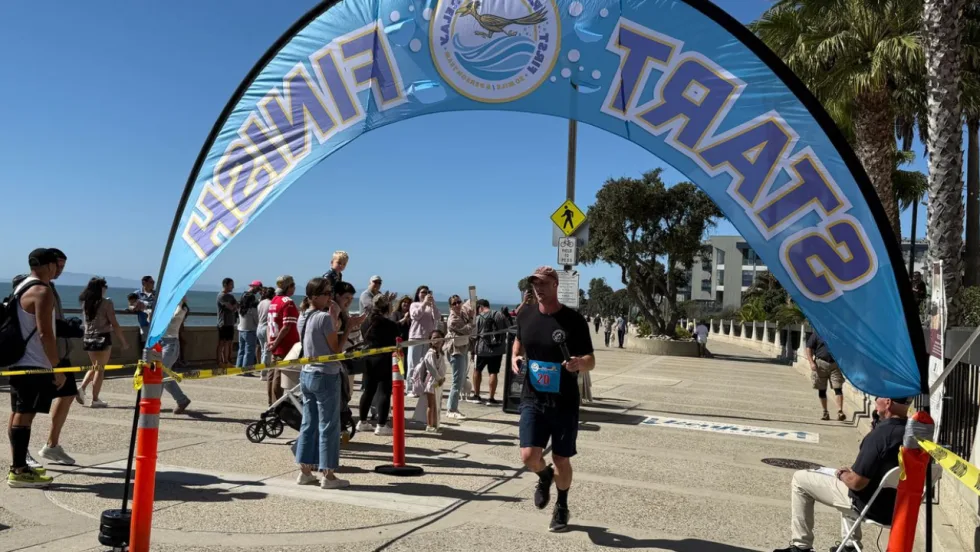
Registration Underway for Sixth Annual First Responders Relay
The California Police Athletic Federation’s annual First Responder Relay will welcome first responder teams from across the globe to compete along Ventura's scenic coastline on Oct. 11. Registration is underway.
Read More →
Vector Solutions Launches Comprehensive Online Dispatch Training Catalog for Emergency Communications Professionals
Vector Solutions’ new catalog of 35 expert-developed online courses can help emergency communication centers strengthen training, meet certification requirements, and simplify continuing education.
Read More →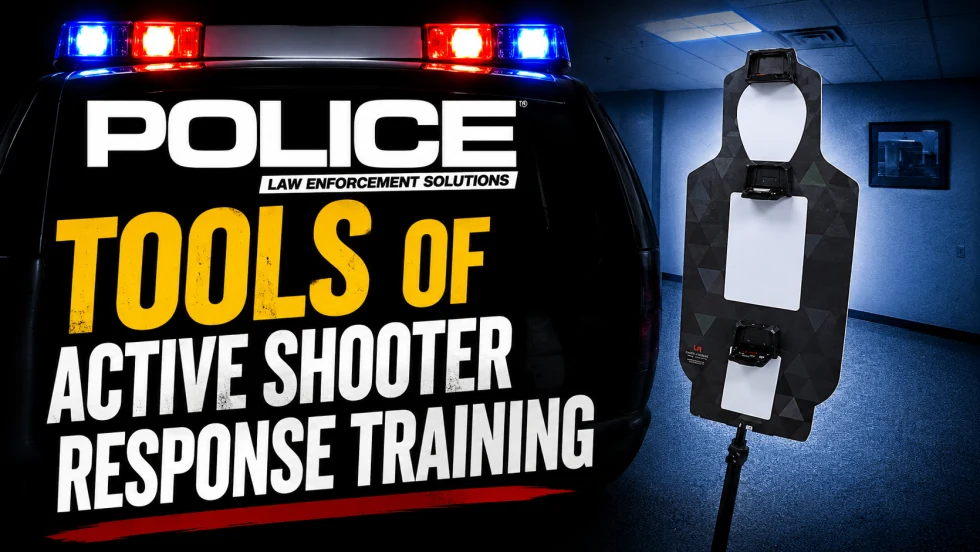
Tools for Active Shooter Response Training
What technologies help prepare officers for active shooter response situations? This behind-the-scenes look at law enforcement training explores shot simulators, smart firearms, laser target systems, and the tools used to build safer, more effective training environments.
Read More →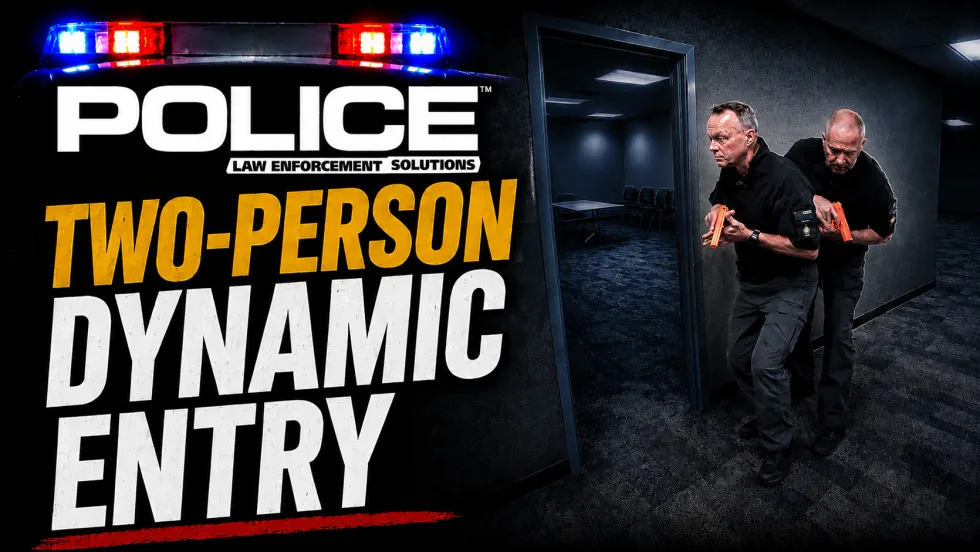
Two-Officer Tactical Doorway Entry Techniques
Entering a room during active-threat situations requires communication, coordination, and disciplined tactical movement. In this video, trainers from the United States Deputy Sheriff’s Association demonstrate critical room entry concepts, including fatal funnel awareness, team coordination, and safe tactical movement.
Read More →
High Compressed Ready Explained | Muzzle Control For Room Entry
In this video, Mike Willis, law enforcement national training and program director for the United States Deputy Sheriffs’ Association, demonstrates the high compressed ready position and discusses muzzle control during room entry.
Read More →
Why Attend the DroneSense Innovation Summit by Versaterm?
Let’s hear from Ryan Bracken, head of product, about why your agency should send someone to the first annual DroneSense Innovation Summit by Versaterm in April.
Read More →
Caswell Live Fire Spins Off from InVeris
Caswell Live Fire has spun off from parent company InVeris, coinciding with the 100th anniversary of Caswell’s founding. Over the past 100 years, Caswell has developed pioneering solutions that support military, law enforcement, and commercial clients worldwide.
Read More →
When Do You Transport a Wounded Officer Instead of Waiting for EMS?
Thumbnail for video series POLICE Topics, Tactics & Tips with a yellow headline that reads When Do You Transport a Wounded Officer Instead of Waiting for EMS?
Read More →
How to Pick Your High-Risk Stop Location for Tactical Advantage
Hear veteran trainer Mike Willis, of the United States Deputy Sheriff’s Association, explain several considerations that can help you wisely pick your best spot to initiate high-risk or felony traffic stops.
Read More →
Coffee Break with Police Experts: Using Your Patrol Vehicle for Cover
In this video, hear from Dustin Mowery, a product specialist at Team Wendy, as he discusses how to best use a patrol vehicle for cover.
Read More →