



President Bush Speaks on Peace Officers Memorial Day
May 15, 2003 marked the fortieth anniversary of the annual police week celebration held in Washington, D.C., where President Bush thanked police officers for their duty and sacrifice.

May 15, 2003 marked the fortieth anniversary of the annual police week celebration held in Washington, D.C., designed to remember the sacrifice of our nation’s law enforcement officers injured or killed in the line of duty. President George W. Bush spoke at a ceremony held there yesterday, where he thanked all police officers for their duty and sacrifice. "Today Americans join in tribute to a great profession and remember good men and women who have fallen in the line of duty," he said. "We recall their stories. We offer our heartfelt sympathy to their families and their colleagues. And we honor their distinguished service to the cause of justice and peace." People gathered in cities across the nation to remember friends and loved ones on May 15, National Peace Officers’ Memorial Day. The National Law Enforcement Officers Memorial Fund (NLEOMF) hosted a week of events in Washington, D.C. to honor the fallen. This year’s schedule included a candle light vigil, where the names of 377 fallen officers were officially added to the National Law Enforcement Officers Memorial, and the FOP/FOPA wreath-laying ceremony, both held at the memorial. Also, various groups held memorial ceremonies and Concerns of Police Survivors (COPS) held seminars to help families and friends cope with deaths in the line of duty.
More Training
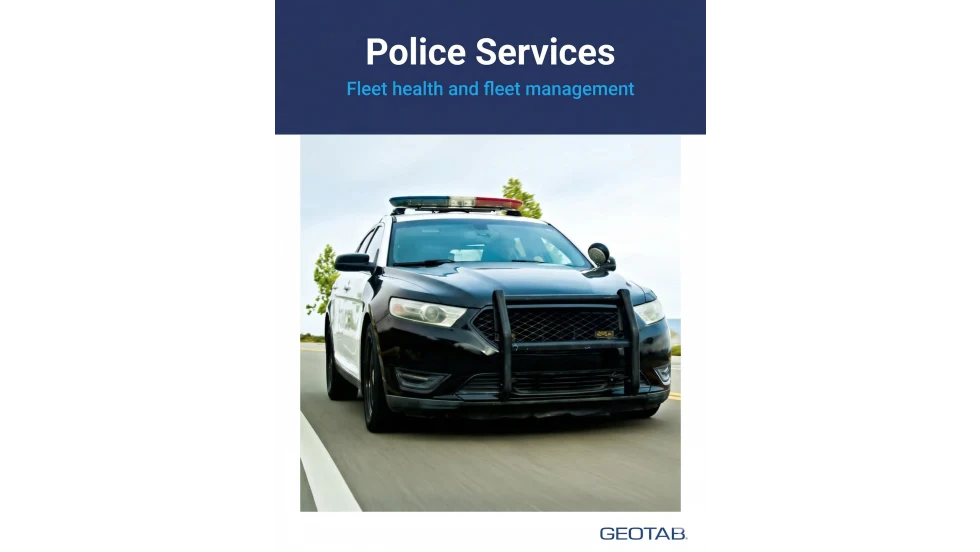
A police agency's guide to data-driven fleet management
Public trust is earned through transparency, and your fleet data can help demonstrate it. This ebook shows how police agencies can use fleet management solutions to strengthen accountability, improve officer safety and responsibly use public funds.
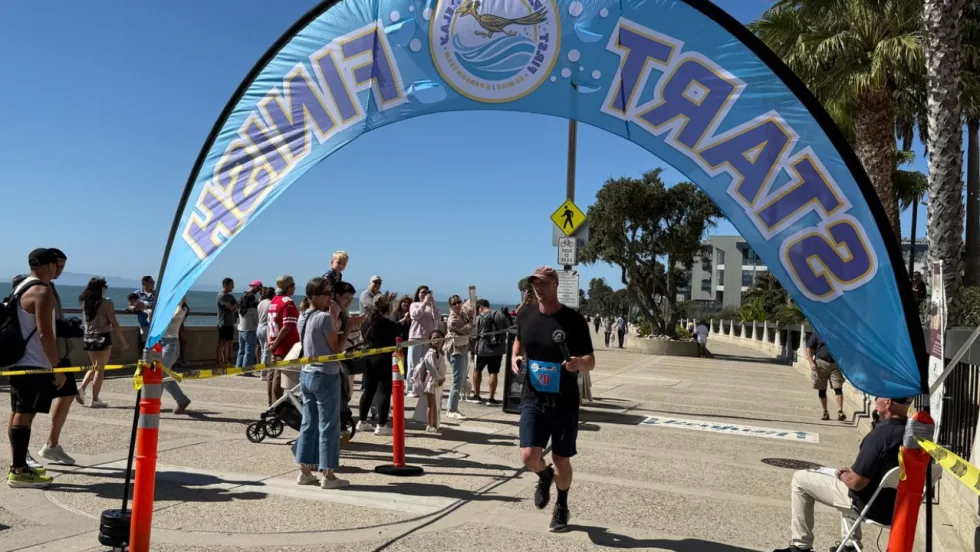
Registration Underway for Sixth Annual First Responders Relay
The California Police Athletic Federation’s annual First Responder Relay will welcome first responder teams from across the globe to compete along Ventura's scenic coastline on Oct. 11. Registration is underway.

Vector Solutions Launches Comprehensive Online Dispatch Training Catalog for Emergency Communications Professionals
Vector Solutions’ new catalog of 35 expert-developed online courses can help emergency communication centers strengthen training, meet certification requirements, and simplify continuing education.
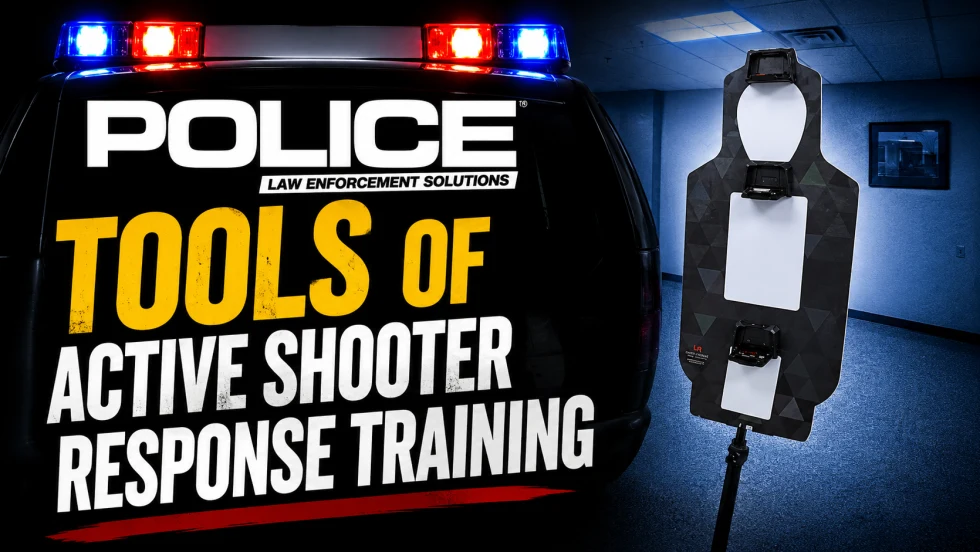
Tools for Active Shooter Response Training
What technologies help prepare officers for active shooter response situations? This behind-the-scenes look at law enforcement training explores shot simulators, smart firearms, laser target systems, and the tools used to build safer, more effective training environments.
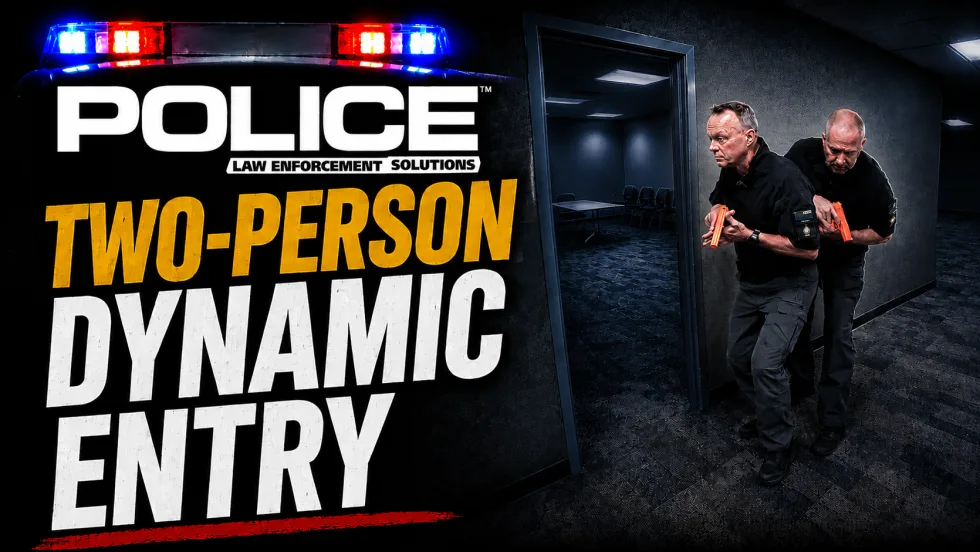
Two-Officer Tactical Doorway Entry Techniques
Entering a room during active-threat situations requires communication, coordination, and disciplined tactical movement. In this video, trainers from the United States Deputy Sheriff’s Association demonstrate critical room entry concepts, including fatal funnel awareness, team coordination, and safe tactical movement.

High Compressed Ready Explained | Muzzle Control For Room Entry
In this video, Mike Willis, law enforcement national training and program director for the United States Deputy Sheriffs’ Association, demonstrates the high compressed ready position and discusses muzzle control during room entry.

Why Attend the DroneSense Innovation Summit by Versaterm?
Let’s hear from Ryan Bracken, head of product, about why your agency should send someone to the first annual DroneSense Innovation Summit by Versaterm in April.

Caswell Live Fire Spins Off from InVeris
Caswell Live Fire has spun off from parent company InVeris, coinciding with the 100th anniversary of Caswell’s founding. Over the past 100 years, Caswell has developed pioneering solutions that support military, law enforcement, and commercial clients worldwide.
When Do You Transport a Wounded Officer Instead of Waiting for EMS?
What factors do you need to consider when making the decision to transport a wounded officer in a patrol vehicle instead of waiting for EMS? Let’s turn to Sydney Vail, M.D., as he provides some insights.
How to Pick Your High-Risk Stop Location for Tactical Advantage
Hear veteran trainer Mike Willis, of the United States Deputy Sheriff’s Association, explain several considerations that can help you wisely pick your best spot to initiate high-risk or felony traffic stops.