



Oregon Training Rules Could Prevent Portland from Hiring More Officers
The state requires that all new officers go to the state Department of Public Safety Standards and Training, and the academies the officers are required to complete are held at certain times with limited enrollment.

Portland's mayor wants to add 200 sworn police officers and 100 non-sworn positions to the police bureau over the next three years, but is it possible to do that?
The first hurdle, of course, is finding 200 qualified candidates who want to be police officers and can pass the background testing and the mental and physical tests. The second hurdle is getting them on the force.
There are three clear options to find new officers: recruit officers already trained in Oregon or another state, bring back retired Portland officers for a limited period, or hire new officers who need to go to the police academy,.
The state requires that all new officers go to the state Department of Public Safety Standards and Training, and the academies the officers are required to complete are held at certain times with limited enrollment, KATU reports.
Every agency in Oregon fights for one of 40 spots in academies held by Oregon’s DPSST. The centralized training ensures that every law enforcement officer in Oregon receives at least the same basic level of training, the state said. It would take some near-perfect logistics to pull off hiring and training 200 officers under the current system within three years.
More Training

A police agency's guide to data-driven fleet management
Public trust is earned through transparency, and your fleet data can help demonstrate it. This ebook shows how police agencies can use fleet management solutions to strengthen accountability, improve officer safety and responsibly use public funds.
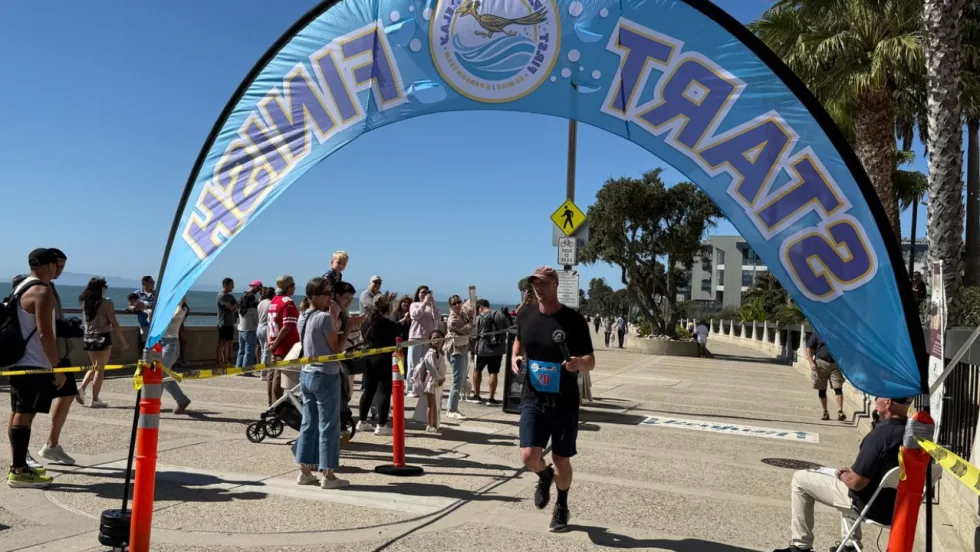
Registration Underway for Sixth Annual First Responders Relay
The California Police Athletic Federation’s annual First Responder Relay will welcome first responder teams from across the globe to compete along Ventura's scenic coastline on Oct. 11. Registration is underway.

Vector Solutions Launches Comprehensive Online Dispatch Training Catalog for Emergency Communications Professionals
Vector Solutions’ new catalog of 35 expert-developed online courses can help emergency communication centers strengthen training, meet certification requirements, and simplify continuing education.
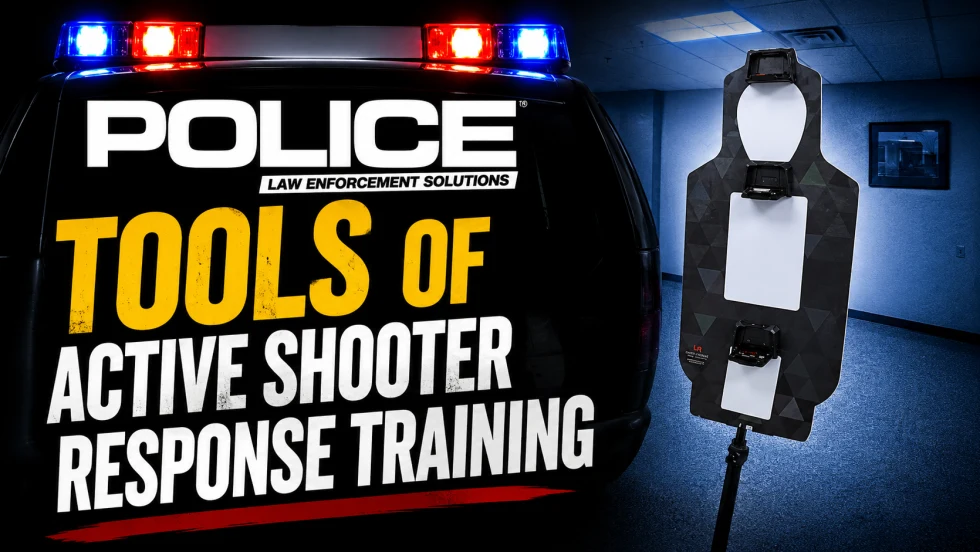
Tools for Active Shooter Response Training
What technologies help prepare officers for active shooter response situations? This behind-the-scenes look at law enforcement training explores shot simulators, smart firearms, laser target systems, and the tools used to build safer, more effective training environments.
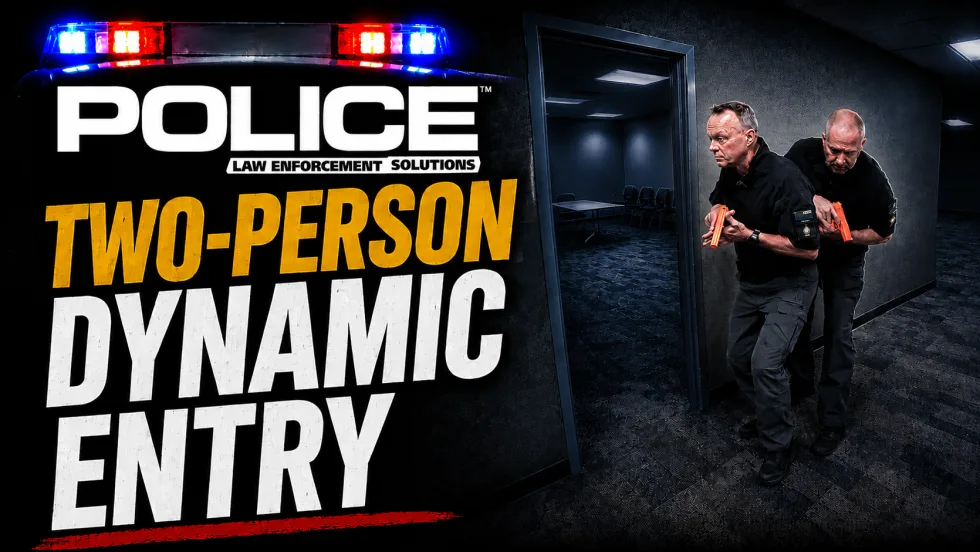
Two-Officer Tactical Doorway Entry Techniques
Entering a room during active-threat situations requires communication, coordination, and disciplined tactical movement. In this video, trainers from the United States Deputy Sheriff’s Association demonstrate critical room entry concepts, including fatal funnel awareness, team coordination, and safe tactical movement.

High Compressed Ready Explained | Muzzle Control For Room Entry
In this video, Mike Willis, law enforcement national training and program director for the United States Deputy Sheriffs’ Association, demonstrates the high compressed ready position and discusses muzzle control during room entry.

Why Attend the DroneSense Innovation Summit by Versaterm?
Let’s hear from Ryan Bracken, head of product, about why your agency should send someone to the first annual DroneSense Innovation Summit by Versaterm in April.

Caswell Live Fire Spins Off from InVeris
Caswell Live Fire has spun off from parent company InVeris, coinciding with the 100th anniversary of Caswell’s founding. Over the past 100 years, Caswell has developed pioneering solutions that support military, law enforcement, and commercial clients worldwide.
When Do You Transport a Wounded Officer Instead of Waiting for EMS?
What factors do you need to consider when making the decision to transport a wounded officer in a patrol vehicle instead of waiting for EMS? Let’s turn to Sydney Vail, M.D., as he provides some insights.
How to Pick Your High-Risk Stop Location for Tactical Advantage
Hear veteran trainer Mike Willis, of the United States Deputy Sheriff’s Association, explain several considerations that can help you wisely pick your best spot to initiate high-risk or felony traffic stops.