



NSA and VirTra Launch Program to Reduce Animal Injury in LE Encounters
The National Law Enforcement Center on Animal Abuse (NLECAA), its parent organization, the National Sheriffs' Association (NSA), and VirTra, Inc., have announced the Law Enforcement Dog Encounters Training (LEDET) focused on police training for dog encounters.

The National Law Enforcement Center on Animal Abuse (NLECAA), its parent organization, the National Sheriffs' Association (NSA), and VirTra, Inc., have announced the Law Enforcement Dog Encounters Training (LEDET) focused on police training for dog encounters.
Being billed as the first of its kind, the LEDET training program includes structured coursework on engaging and deescalating dog encounters, along with simulation training with VirTra's immersive, high-definition video training system. Together, the new training protocols help law enforcement officers learn safe interactions with domestic dogs. The LEDET program is a culmination of two years of collaboration between the National Sheriffs' Association and law enforcement executives, legal consultants, and behavior experts to develop a gold standard for protecting officers, pets, and the public.
The LEDET scenario package was officially rolled out in VirTra's booth at the 2018 National Sheriffs' Association Annual Education and Technology Expo in New Orleans, LA.
Pilot programs are scheduled to occur in Orange County, FL, and Oakland County, MI.
The LEDET program is based on canine behavior science paired with advanced officer safety measures. The combination will enable officers to make compassionate, safe decisions when interacting with pets under stressful circumstances. The course includes interactive scenarios where officers and dogs are placed in common situations. Using VirTra's branched decision-making technology, these interactions will enable officers to experience conflict and make choices in real-time. The course focuses on the use of less- and non-lethal methods of keeping officers, the public, and pets safe during contact.
"LEDET is unique because it is the first dog training course developed by law enforcement officers, for law enforcement officers," said Sheriff Harold Eavenson of Rockwall, TX, and president of the National Sheriffs' Association. "Our subject matter experts are the most experienced consultants in the animal, law enforcement and legal fields when it comes to these kinds of cases and have guided policy and accountability using a combination of extensive canine behavior training and law enforcement experience. This has given us the perspective of working street cops coupled with cutting edge behavioral science and extensive experience with truly dangerous dogs."
"Law enforcement officers want to handle their calls safely and go home at the end of their shift, while not causing any needless harm," said John Thompson, Deputy Executive Director of the NSA. "This course will give them much needed tools to recognize and address possible conflict with dogs instead of simply shooting an animal."
This state-of-the-art program will be complementary to the full Law Enforcement Dog Encounters Training (LEDET) course in development by NLECAA in coordination with the Department of Justice's COPS Office. This is the only canine encounter course endorsed by the National Sheriffs' Association.
"Many conflicts can be defused or even avoided by understanding dog behavior," said James Crosby, Director, Canine Encounters Training, NCLEAA. "Keeping officers and pets safe is the focus of the course. Large liability awards have resulted from officers needlessly using lethal force. We aim to keep the officers safe while reducing those deadly conflicts."
The content package includes five interactive scenarios and an additional training module that covers the basics of canine behavior. All six scenarios/modules are available in VirTra's content library for the V-300 training simulator, and four modules are available for the V-180 and V-100 training simulators. The complementary training program is under final review, with an anticipated release later this year.
For more information about VirTra, visit www.virtra.com.
More Training
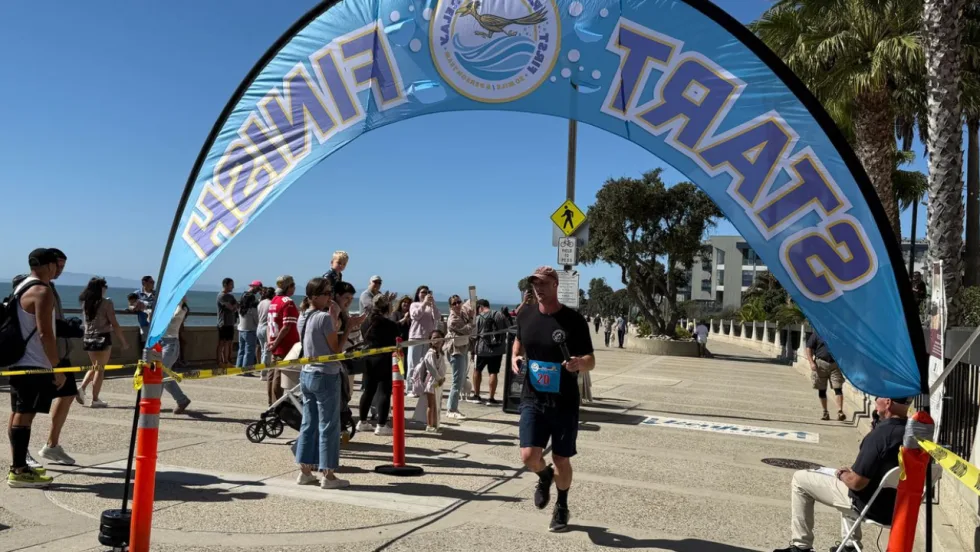
Registration Underway for Sixth Annual First Responders Relay
The California Police Athletic Federation’s annual First Responder Relay will welcome first responder teams from across the globe to compete along Ventura's scenic coastline on Oct. 11. Registration is underway.
Read More →
Vector Solutions Launches Comprehensive Online Dispatch Training Catalog for Emergency Communications Professionals
Vector Solutions’ new catalog of 35 expert-developed online courses can help emergency communication centers strengthen training, meet certification requirements, and simplify continuing education.
Read More →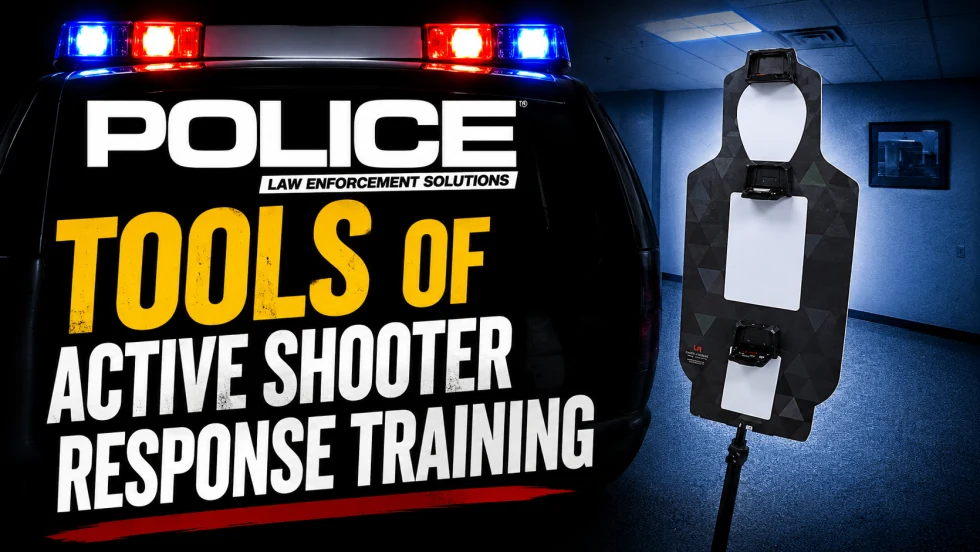
Tools for Active Shooter Response Training
What technologies help prepare officers for active shooter response situations? This behind-the-scenes look at law enforcement training explores shot simulators, smart firearms, laser target systems, and the tools used to build safer, more effective training environments.
Read More →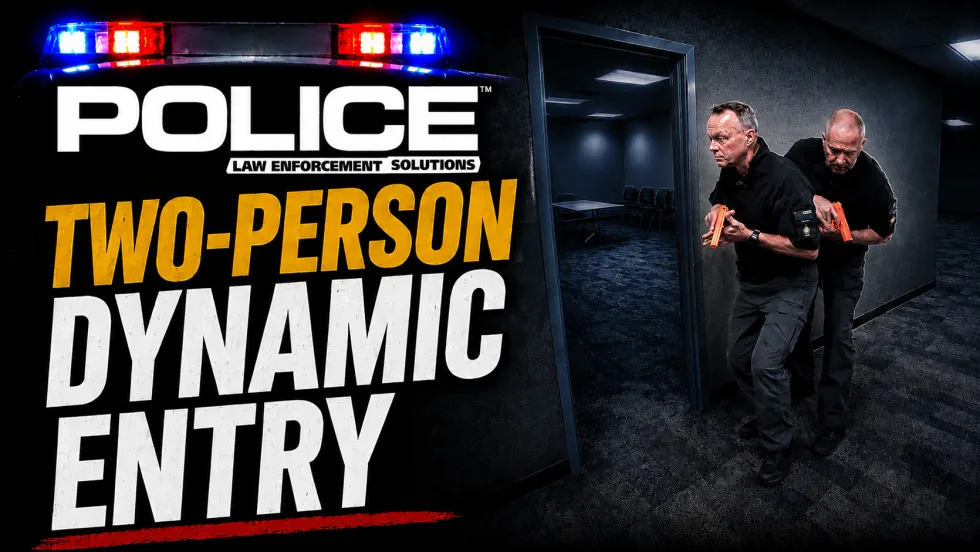
Two-Officer Tactical Doorway Entry Techniques
Entering a room during active-threat situations requires communication, coordination, and disciplined tactical movement. In this video, trainers from the United States Deputy Sheriff’s Association demonstrate critical room entry concepts, including fatal funnel awareness, team coordination, and safe tactical movement.
Read More →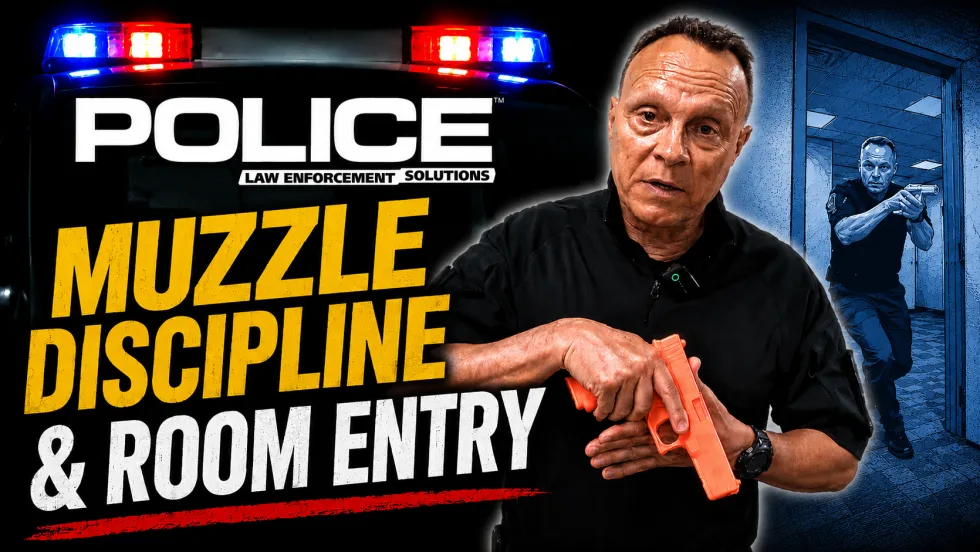
High Compressed Ready Explained | Muzzle Control For Room Entry
In this video, Mike Willis, law enforcement national training and program director for the United States Deputy Sheriffs’ Association, demonstrates the high compressed ready position and discusses muzzle control during room entry.
Read More →
Why Attend the DroneSense Innovation Summit by Versaterm?
Let’s hear from Ryan Bracken, head of product, about why your agency should send someone to the first annual DroneSense Innovation Summit by Versaterm in April.
Read More →
Caswell Live Fire Spins Off from InVeris
Caswell Live Fire has spun off from parent company InVeris, coinciding with the 100th anniversary of Caswell’s founding. Over the past 100 years, Caswell has developed pioneering solutions that support military, law enforcement, and commercial clients worldwide.
Read More →
When Do You Transport a Wounded Officer Instead of Waiting for EMS?
Thumbnail for video series POLICE Topics, Tactics & Tips with a yellow headline that reads When Do You Transport a Wounded Officer Instead of Waiting for EMS?
Read More →
How to Pick Your High-Risk Stop Location for Tactical Advantage
Hear veteran trainer Mike Willis, of the United States Deputy Sheriff’s Association, explain several considerations that can help you wisely pick your best spot to initiate high-risk or felony traffic stops.
Read More →
Coffee Break with Police Experts: Using Your Patrol Vehicle for Cover
In this video, hear from Dustin Mowery, a product specialist at Team Wendy, as he discusses how to best use a patrol vehicle for cover.
Read More →