



New York Police Recruiting Found Lacking
NEW YORK -- New York City police recruits are failing out of academy classes and being disciplined for violating department rules at twice the rate they were four years ago, a city-appointed police oversight panel has found.

NEW YORK -- New York City police recruits are failing out of academy classes and being disciplined for violating department rules at twice the rate they were four years ago, a city-appointed police oversight panel has found.
The findings, in a report released by the Commission to Combat Police Corruption, are a stark indictment of recent recruiting classes in a department that has struggled to find applicants and been criticized for relaxing some hiring standards.
The 49-page report, which was based on a statistical study of six police recruiting classes from 1997 to 2000, also found that the department had not thoroughly checked the backgrounds of some cadets before they joined the force. A handful of applicants were hired even though they were technically disqualified for police service because of such factors as bad driving records, the commission found.
In recent years, the department's recruiting campaigns, some of which have cost as much as $10 million, have largely fallen short of their goals. And the department has been criticized by the police union and other observers for bending its hiring rules to try to meet recruiting goals.
But criminal justice experts said that neither the department's problem nor its efforts to address it were unusual. Police officials across the country are facing shortages of qualified applicants to fill vacancies in their departments. So recruiters in many communities have begun reducing or eliminating previous requirements — city officials, for example, waived a $35 application fee last year — to make it easier to fill positions.
Some have warned that loosening long-held hiring rules may cause the quality of officers in the department to suffer, with new officers not held to as high a standard as their predecessors.
Although the commission declined to say that its report necessarily bolstered that view, it did note that its findings raised questions about the quality of some of the department's recent hires.
"What this says to us is that this is an area of concern," said Richard J. Davis, chairman of the commission, created six years ago by executive order to monitor the department's anticorruption and accountability efforts. "It's not just that we have the right number of officers, but the right kind of officers."
Through a spokesman, Patrick J. Lynch, the president of the Patrolmen's Benevolent Association, the union representing most of the city's 40,000 officers, said that he was not surprised by the commission's findings. Mr. Lynch has repeatedly questioned the department's easing of hiring rules and yesterday said he was concerned that such moves might "damage the quality of future members."
Department officials have defended their efforts to expand the force's pool of applicants, saying that such measures would not necessarily result in less qualified applicants.
"The commission recommends that the department closely monitor future classes to determine whether a negative trend is emerging, and if so, determine what necessary changes in its hiring criteria and background investigations would be appropriate," the commission wrote. The report recommended that the department fully investigate the background of recruits.
Although the commission was not charged with determining the reason for recruiting shortages, it noted that the starting salary for officers may play a role. For years, union officials have complained that city officers are paid far less — sometimes as much as a third less — than their counterparts in neighboring suburbs.
More Training
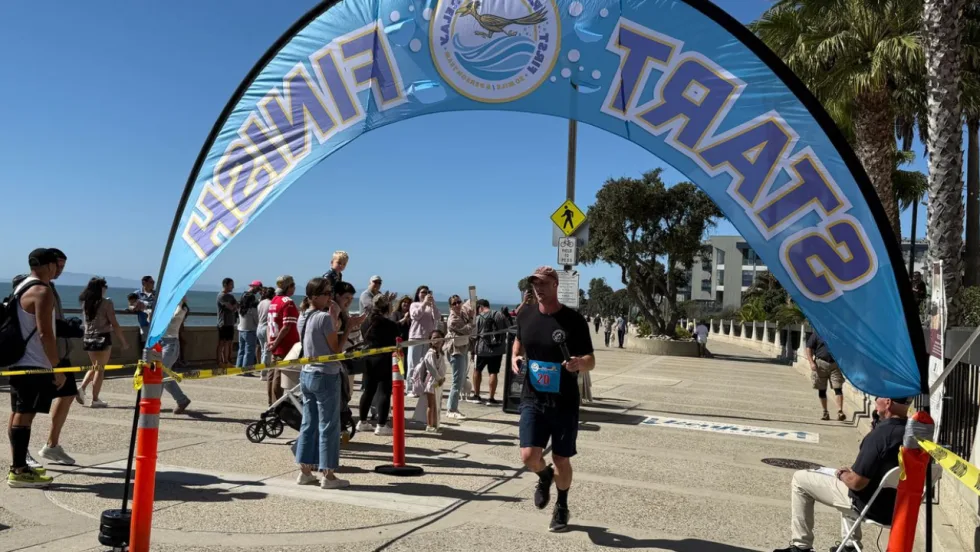
Registration Underway for Sixth Annual First Responders Relay
The California Police Athletic Federation’s annual First Responder Relay will welcome first responder teams from across the globe to compete along Ventura's scenic coastline on Oct. 11. Registration is underway.
Read More →
Vector Solutions Launches Comprehensive Online Dispatch Training Catalog for Emergency Communications Professionals
Vector Solutions’ new catalog of 35 expert-developed online courses can help emergency communication centers strengthen training, meet certification requirements, and simplify continuing education.
Read More →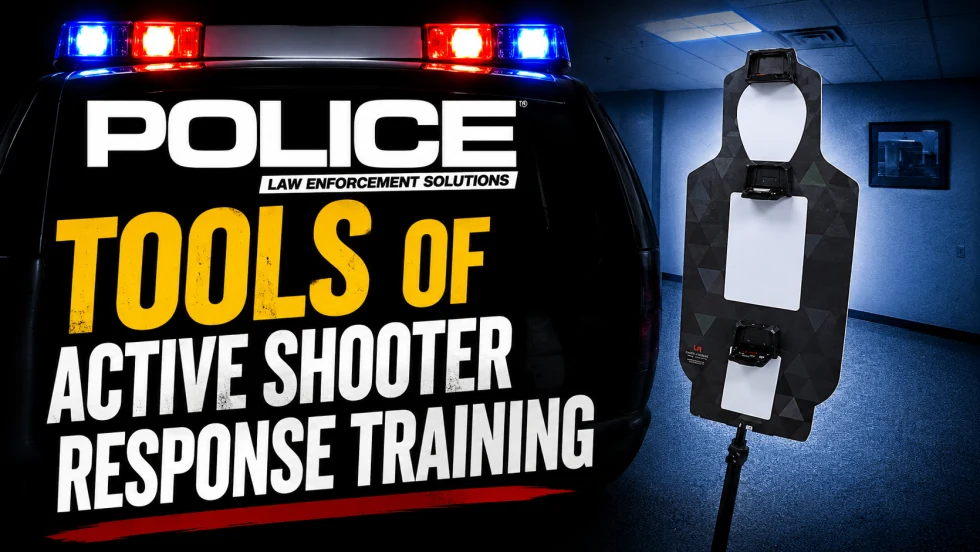
Tools for Active Shooter Response Training
What technologies help prepare officers for active shooter response situations? This behind-the-scenes look at law enforcement training explores shot simulators, smart firearms, laser target systems, and the tools used to build safer, more effective training environments.
Read More →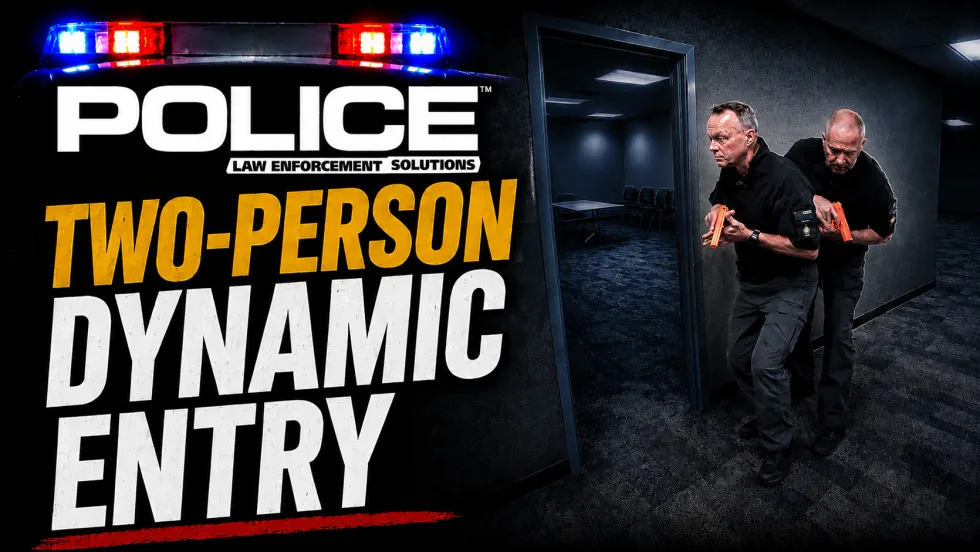
Two-Officer Tactical Doorway Entry Techniques
Entering a room during active-threat situations requires communication, coordination, and disciplined tactical movement. In this video, trainers from the United States Deputy Sheriff’s Association demonstrate critical room entry concepts, including fatal funnel awareness, team coordination, and safe tactical movement.
Read More →
High Compressed Ready Explained | Muzzle Control For Room Entry
In this video, Mike Willis, law enforcement national training and program director for the United States Deputy Sheriffs’ Association, demonstrates the high compressed ready position and discusses muzzle control during room entry.
Read More →
Why Attend the DroneSense Innovation Summit by Versaterm?
Let’s hear from Ryan Bracken, head of product, about why your agency should send someone to the first annual DroneSense Innovation Summit by Versaterm in April.
Read More →
Caswell Live Fire Spins Off from InVeris
Caswell Live Fire has spun off from parent company InVeris, coinciding with the 100th anniversary of Caswell’s founding. Over the past 100 years, Caswell has developed pioneering solutions that support military, law enforcement, and commercial clients worldwide.
Read More →
When Do You Transport a Wounded Officer Instead of Waiting for EMS?
Thumbnail for video series POLICE Topics, Tactics & Tips with a yellow headline that reads When Do You Transport a Wounded Officer Instead of Waiting for EMS?
Read More →
How to Pick Your High-Risk Stop Location for Tactical Advantage
Hear veteran trainer Mike Willis, of the United States Deputy Sheriff’s Association, explain several considerations that can help you wisely pick your best spot to initiate high-risk or felony traffic stops.
Read More →
Coffee Break with Police Experts: Using Your Patrol Vehicle for Cover
In this video, hear from Dustin Mowery, a product specialist at Team Wendy, as he discusses how to best use a patrol vehicle for cover.
Read More →