



MADD Issues Courtroom Tips to Keep Drunk Drivers Off the Road
Mothers Against Drunk Driving (MADD) is partnering with law enforcement nationwide to ensure drunk drivers stay off the roads. To do this, the organization is providing law enforcement with tips for testifying in court to ensure that their roadside arrest is not pled down later and offenders are not allowed to get back behind the wheel too soon.

Mothers Against Drunk Driving (MADD) is partnering with law enforcement nationwide to ensure drunk drivers stay off the roads. To do this, the organization is providing law enforcement with tips for testifying in court to ensure that their roadside arrest is not pled down later and offenders are not allowed to get back behind the wheel too soon.
Institute of Police Technology and Management (IPTM) director and MADD National Board of Directors member L.R. “Bob” Jacob says: “Law enforcement officers must be adequately prepared when one of their cases is called for trial. The role the officer plays is paramount to whether or not the prosecution wins the case.” He went on to explain that officers cannot only impact the outcome of a case but future cases – as well as prevent deaths or injuries caused by drunk drivers. The Florida Department of Transportation’s State Safety Office funds a “DUI Case Preparation and Courtroom Presentation” course that IPTM teaches about three times a year around the state.
MADD understands that the role officers play is crucial, but it is not easy. The organization monitors courts nationwide in an effort to better understand the outcome of drunk driving cases and to recommend improvement where needed that will ultimately improve the DUI prosecution and adjudication process. Some of the challenges for law enforcement in the courtroom include not having adequate notice of when to appear in court and having dozens of cases pending at one time, not allowing officers to appear in multiple courtrooms at the same time. “Oftentimes, when they do make it to court, the case is rescheduled or pled down, creating frustration for the officer who spent much time documenting a DUI case,” said Jacob.
DUI cases are especially challenging because officers deal with many types of evidence (even in misdemeanors); in misdemeanor DUI cases, juries often sympathize with the defendant; and DUI law is complex largely in part because it is seen as an unintentional crime much to the dismay of MADD and other health and safety leaders.
To help with these challenging cases, MADD provides resources to officers through its website and presentations, and offers these courtroom tips:
1) Document. Document. Document. If facts are not recorded, they may be interpreted as never having taken place.
2) Prepare. Know your case facts. Get copies of all reports pertaining to a case. Read and study.
3) Be professional. Always wear your uniform to court.
4) Be honest. If you don’t know the answer to a question or don’t remember something, say so.
5) Be yourself. Testify within your personality. Don’t do something because you saw someone else do it.
6) Keep it simple. Don’t make explanations complicated and technical.
7) Realize everyone makes mistakes. If you make a mistake, be honest and open about it.
8) Be polite to both the defense attorney and the prosecutor.
9) Don’t lose your cool or get emotional. Focus on the case; don’t let the defense distract you from telling the overall circumstances of the case.
10) Train with prosecutors. Learn from one another.
Enhancing criminal justice system efficiency and effectiveness is one way MADD aims to reduce drunk driving deaths by 25 percent by 2008. In New Mexico, MADD’s Court Monitoring program was able to spotlight scheduling problems for police officers’ court appearances. A new policy was instituted thereby helping save officer time and taxpayer money.
By participating in ongoing training programs and following these tips in the courtroom, law enforcement officers can help close the revolving courtroom door on drunk drivers. While many law enforcement officers make drunk driving a priority on the road with highly visible enforcement efforts, such as sobriety checkpoints and saturation patrols, coming to the courtroom prepared to uphold the drunk driving arrest is just as important in order to ensure swift adjudication and maximum sentencing.
For assistance in preventing drunk driving and enforcing drunk driving laws, visit www.madd.org/lawenforcement.
More Training
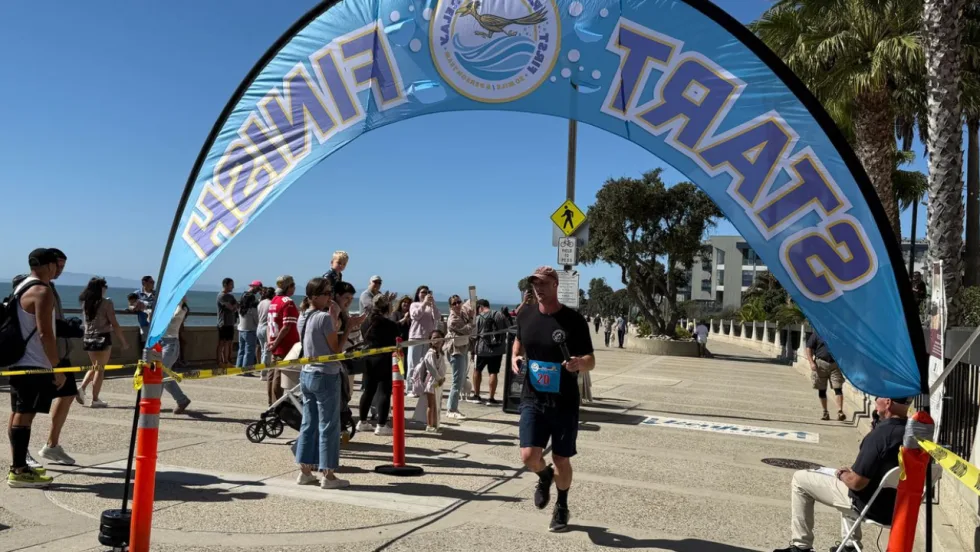
Registration Underway for Sixth Annual First Responders Relay
The California Police Athletic Federation’s annual First Responder Relay will welcome first responder teams from across the globe to compete along Ventura's scenic coastline on Oct. 11. Registration is underway.
Read More →
Vector Solutions Launches Comprehensive Online Dispatch Training Catalog for Emergency Communications Professionals
Vector Solutions’ new catalog of 35 expert-developed online courses can help emergency communication centers strengthen training, meet certification requirements, and simplify continuing education.
Read More →
Tools for Active Shooter Response Training
What technologies help prepare officers for active shooter response situations? This behind-the-scenes look at law enforcement training explores shot simulators, smart firearms, laser target systems, and the tools used to build safer, more effective training environments.
Read More →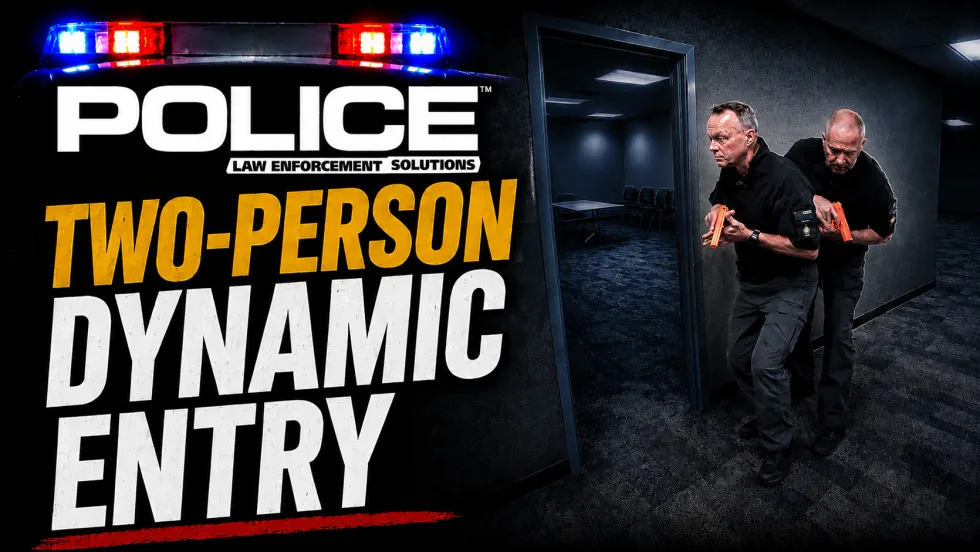
Two-Officer Tactical Doorway Entry Techniques
Entering a room during active-threat situations requires communication, coordination, and disciplined tactical movement. In this video, trainers from the United States Deputy Sheriff’s Association demonstrate critical room entry concepts, including fatal funnel awareness, team coordination, and safe tactical movement.
Read More →
High Compressed Ready Explained | Muzzle Control For Room Entry
In this video, Mike Willis, law enforcement national training and program director for the United States Deputy Sheriffs’ Association, demonstrates the high compressed ready position and discusses muzzle control during room entry.
Read More →
Why Attend the DroneSense Innovation Summit by Versaterm?
Let’s hear from Ryan Bracken, head of product, about why your agency should send someone to the first annual DroneSense Innovation Summit by Versaterm in April.
Read More →
Caswell Live Fire Spins Off from InVeris
Caswell Live Fire has spun off from parent company InVeris, coinciding with the 100th anniversary of Caswell’s founding. Over the past 100 years, Caswell has developed pioneering solutions that support military, law enforcement, and commercial clients worldwide.
Read More →
When Do You Transport a Wounded Officer Instead of Waiting for EMS?
Thumbnail for video series POLICE Topics, Tactics & Tips with a yellow headline that reads When Do You Transport a Wounded Officer Instead of Waiting for EMS?
Read More →
How to Pick Your High-Risk Stop Location for Tactical Advantage
Hear veteran trainer Mike Willis, of the United States Deputy Sheriff’s Association, explain several considerations that can help you wisely pick your best spot to initiate high-risk or felony traffic stops.
Read More →
Coffee Break with Police Experts: Using Your Patrol Vehicle for Cover
In this video, hear from Dustin Mowery, a product specialist at Team Wendy, as he discusses how to best use a patrol vehicle for cover.
Read More →