


GA Agency Training Officers to Shoot to Incapacitate
The chief’s “Shoot to Incapacitate” program has drawn interest from academics who say it merits further study. In the national law enforcement community, however, it has elicited harsh, widespread criticism.

The Police Chief of the LaGrange (GA) Police Department is training his officers to shoot for the legs, pelvis or abdomen in situations where they think it could stop a deadly threat without killing the source of that threat. Doing so, he believes, could make a difference in the more than 200 fatal police shootings nationwide every year that involve individuals armed with something other than a gun.
“Every time we avoid taking a life,” Dekmar says, “we maintain trust.”
The chief’s “Shoot to Incapacitate” program has drawn interest from academics who say it merits further study. In the national law enforcement community, however, it has elicited harsh, widespread criticism.
The department began training its 94 officers in February, the Washington Post reports.
In late September, the town had its first police-involved shooting since the training began. Officer David Horseman, 29, confronted a man wielding a machete downtown, first firing his taser and then, when that proved ineffective, raising his gun in his other hand and firing.
According to the department, the man was hit in the abdomen and legs. Horseman remembers targeting his pelvic area and planning to “walk” the bullets up toward his chest as needed. “He fell to the ground before I got to center mass,” Horseman said, “and that’s essentially what saved his life.”
More Training
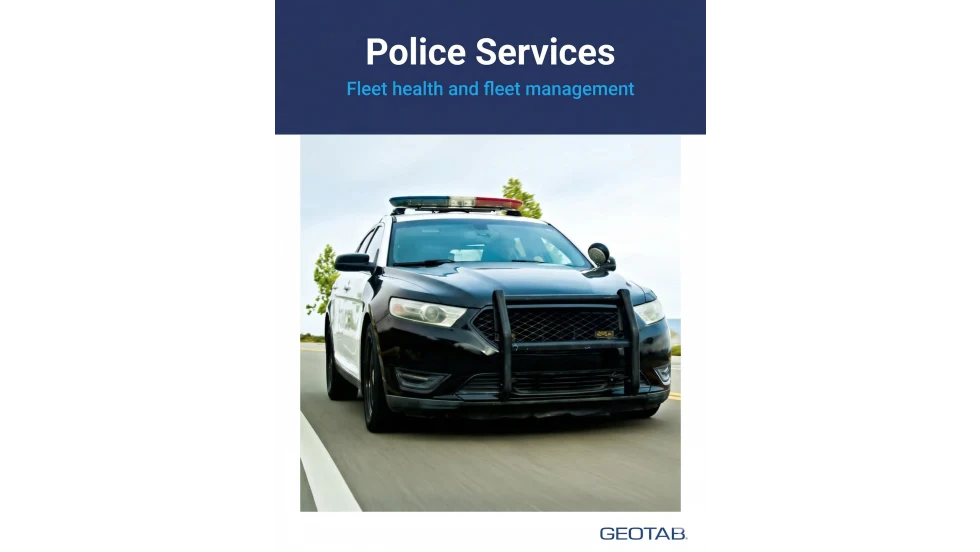
A police agency's guide to data-driven fleet management
Public trust is earned through transparency, and your fleet data can help demonstrate it. This ebook shows how police agencies can use fleet management solutions to strengthen accountability, improve officer safety and responsibly use public funds.
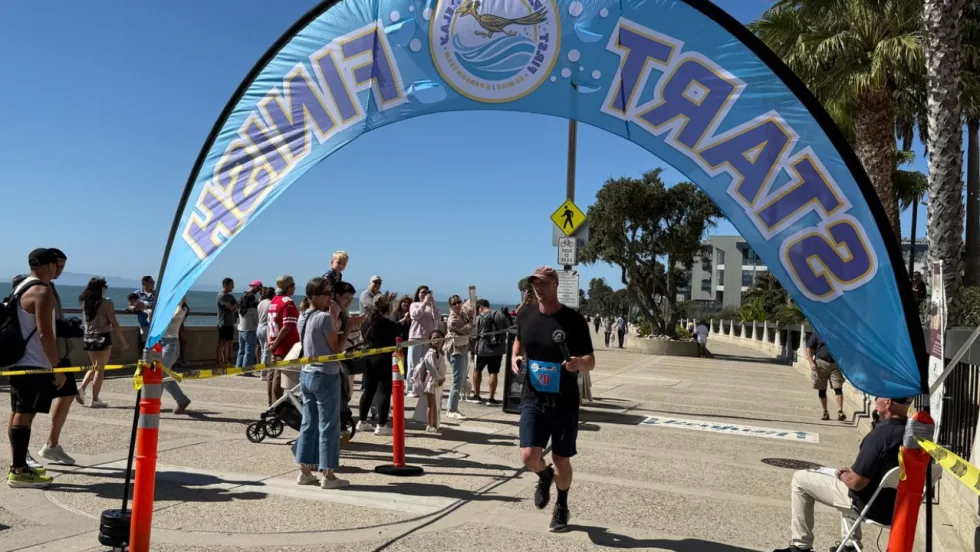
Registration Underway for Sixth Annual First Responders Relay
The California Police Athletic Federation’s annual First Responder Relay will welcome first responder teams from across the globe to compete along Ventura's scenic coastline on Oct. 11. Registration is underway.
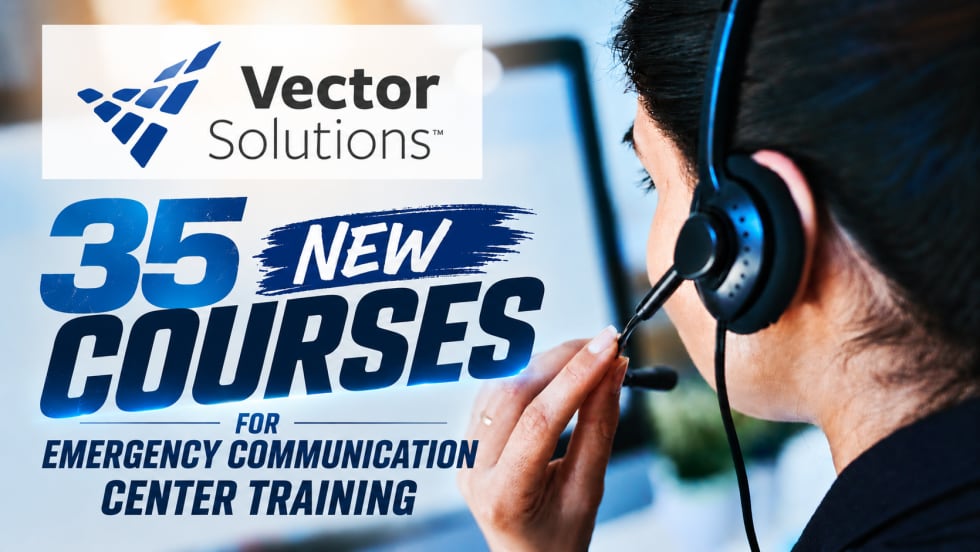
Vector Solutions Launches Comprehensive Online Dispatch Training Catalog for Emergency Communications Professionals
Vector Solutions’ new catalog of 35 expert-developed online courses can help emergency communication centers strengthen training, meet certification requirements, and simplify continuing education.
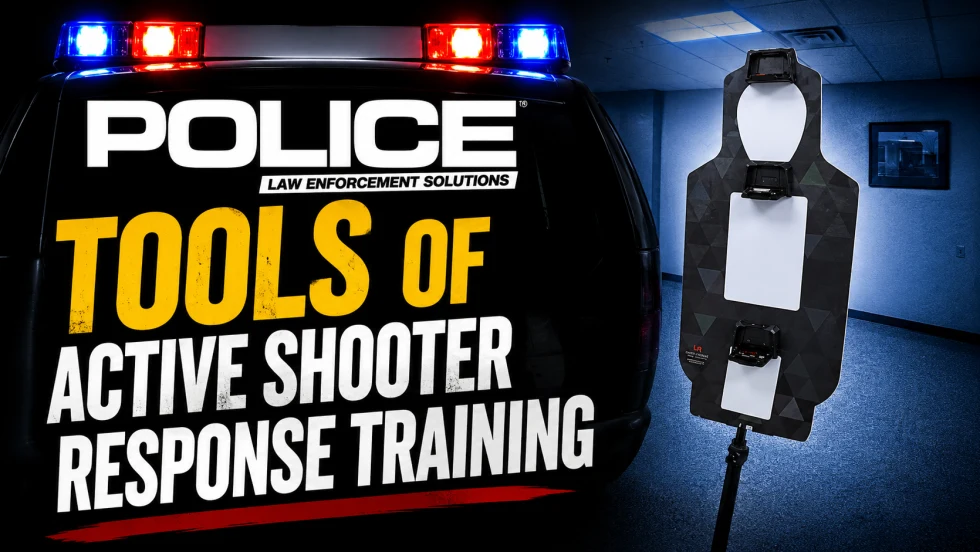
Tools for Active Shooter Response Training
What technologies help prepare officers for active shooter response situations? This behind-the-scenes look at law enforcement training explores shot simulators, smart firearms, laser target systems, and the tools used to build safer, more effective training environments.
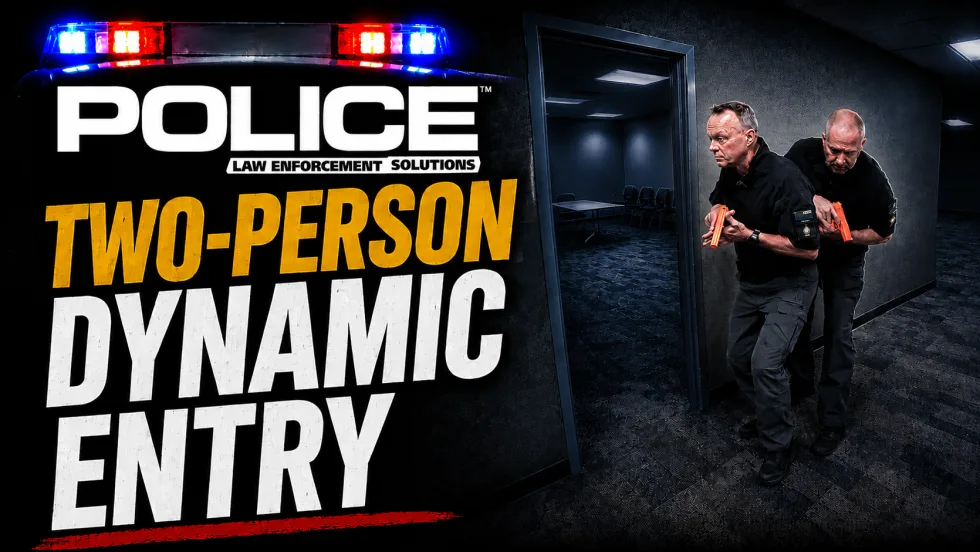
Two-Officer Tactical Doorway Entry Techniques
Entering a room during active-threat situations requires communication, coordination, and disciplined tactical movement. In this video, trainers from the United States Deputy Sheriff’s Association demonstrate critical room entry concepts, including fatal funnel awareness, team coordination, and safe tactical movement.

High Compressed Ready Explained | Muzzle Control For Room Entry
In this video, Mike Willis, law enforcement national training and program director for the United States Deputy Sheriffs’ Association, demonstrates the high compressed ready position and discusses muzzle control during room entry.

Why Attend the DroneSense Innovation Summit by Versaterm?
Let’s hear from Ryan Bracken, head of product, about why your agency should send someone to the first annual DroneSense Innovation Summit by Versaterm in April.

Caswell Live Fire Spins Off from InVeris
Caswell Live Fire has spun off from parent company InVeris, coinciding with the 100th anniversary of Caswell’s founding. Over the past 100 years, Caswell has developed pioneering solutions that support military, law enforcement, and commercial clients worldwide.
When Do You Transport a Wounded Officer Instead of Waiting for EMS?
What factors do you need to consider when making the decision to transport a wounded officer in a patrol vehicle instead of waiting for EMS? Let’s turn to Sydney Vail, M.D., as he provides some insights.
How to Pick Your High-Risk Stop Location for Tactical Advantage
Hear veteran trainer Mike Willis, of the United States Deputy Sheriff’s Association, explain several considerations that can help you wisely pick your best spot to initiate high-risk or felony traffic stops.