



Former Long Beach, Calif., Police Officer Sentenced for Civil Rights Violations
Former Long Beach police officer Joseph Ferguson was sentenced this week in federal court in Los Angeles, Calif., for his role in a series of home invasion robberies over a two-year period, the Justice Department announced today. Ferguson was sentenced to 97 months in prison and four years of supervised release.

Former Long Beach police officer Joseph Ferguson was sentenced this week in federal court in Los Angeles, Calif., for his role in a series of home invasion robberies over a two-year period, the Justice Department announced today. Ferguson was sentenced to 97 months in prison and four years of supervised release.
On Jan. 30, 2008, a Los Angeles jury convicted the defendant of conspiring to violate civil rights, conspiring to possess narcotics with intent to distribute, and possession of narcotics with intent to distribute. The defendant's brother and co-defendant, former Los Angeles police officer William Ferguson, was also convicted of deprivation of rights under color of law and several firearms offenses and is scheduled to be sentenced on May 19, 2008.
The evidence at trial showed that the defendant and his co-defendants were members of a wide-ranging criminal conspiracy, led by former Los Angeles police officer Ruben Palomares and including other law enforcement officers and drug dealers. Together, they committed more than 40 burglaries and robberies throughout the Los Angeles area between early 1999 and June of 2001. The robberies generally were committed after the group received information that a particular location was involved in illegal drug-trafficking. The robbery teams usually consisted of multiple sworn police officers in uniform or displaying a badge, who would gain access to the residence by falsely telling any occupants that they were conducting a legitimate search for drugs or drug dealers. Victims often were restrained, threatened or assaulted during the search. These assaults included firing a stun gun at a victim, striking victims with police batons and putting a gun in the mouth of a victim. When the group stole drugs, they would use co-conspirators to sell the drugs and they would split the profits among the group.
In all, 17 defendants, including law enforcement officers from the Los Angeles Police Department, the Long Beach Police Department, the Los Angeles County Sheriff's Department, and the California Department of Corrections have been convicted of federal crimes in connection with the conspiracy.
"This former police officer violated his oath as a public servant when he, along with his co-defendants, began engaging in violent criminal conduct," said Grace Chung Becker, Acting Assistant Attorney General for the Civil Rights Division. "While the vast majority of law enforcement officers carry out their difficult duties in a professional manner, the Department of Justice will not hesitate to prosecute those who cross that line."
This case was investigated by Special Agent Phil Carson of the Federal Bureau of Investigation, with the assistance of Steve Sambar, Roger Mora and Mark Bigel of the Los Angeles and Long Beach Police Departments. This case was prosecuted by Department of Justice Special Litigation Counsel Jeffrey S. Blumberg, Department of Justice Trial Attorney Josh Mahan, and Assistant U.S. Attorney Douglas M. Miller.
The Civil Rights Division is committed to the vigorous enforcement of every federal criminal civil rights statute, such as the laws that prohibit the willful use of excessive force or other acts of misconduct by law enforcement officials. The Division has compiled a significant record on criminal civil rights law enforcement prosecutions. In Fiscal Year 2007, the Criminal Section convicted the highest number of defendants in its history, surpassing the record previously set in Fiscal Year 2006. During the last seven years, the Criminal Section obtained convictions of 53 percent more defendants (391 v. 256) in law enforcement prosecutions than the previous seven years.
More Training
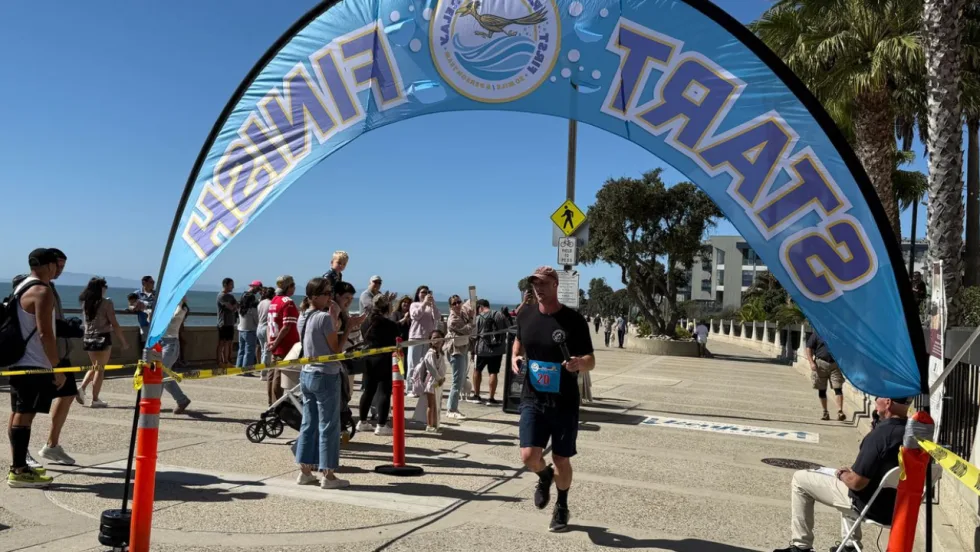
Registration Underway for Sixth Annual First Responders Relay
The California Police Athletic Federation’s annual First Responder Relay will welcome first responder teams from across the globe to compete along Ventura's scenic coastline on Oct. 11. Registration is underway.
Read More →
Vector Solutions Launches Comprehensive Online Dispatch Training Catalog for Emergency Communications Professionals
Vector Solutions’ new catalog of 35 expert-developed online courses can help emergency communication centers strengthen training, meet certification requirements, and simplify continuing education.
Read More →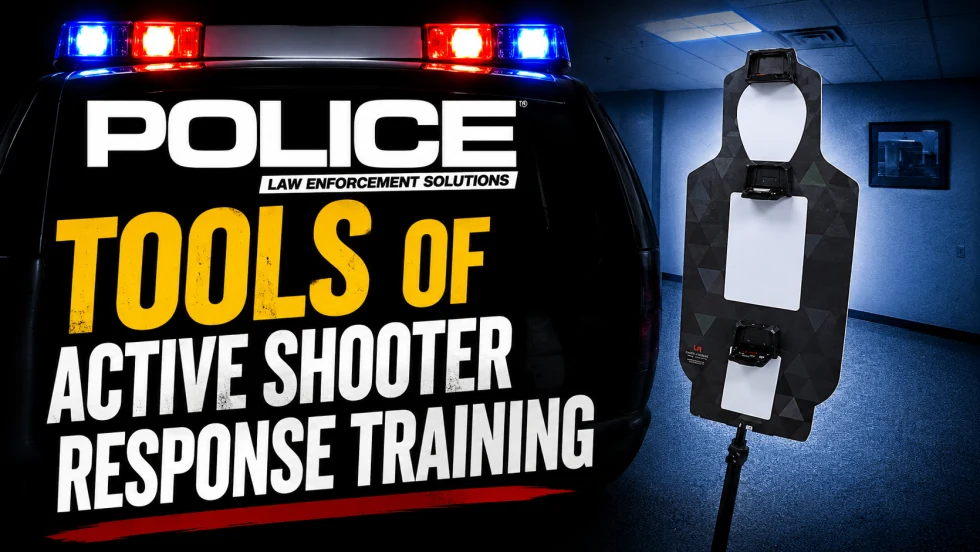
Tools for Active Shooter Response Training
What technologies help prepare officers for active shooter response situations? This behind-the-scenes look at law enforcement training explores shot simulators, smart firearms, laser target systems, and the tools used to build safer, more effective training environments.
Read More →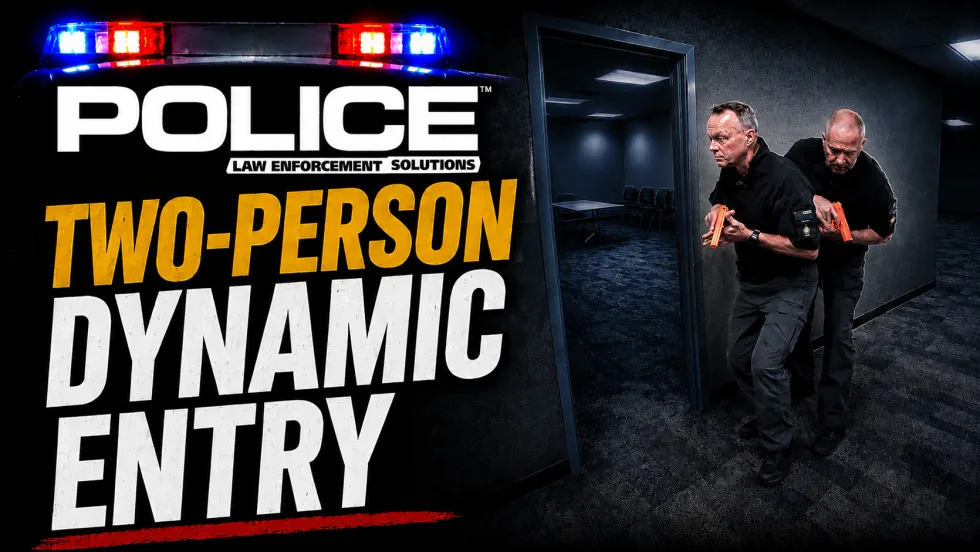
Two-Officer Tactical Doorway Entry Techniques
Entering a room during active-threat situations requires communication, coordination, and disciplined tactical movement. In this video, trainers from the United States Deputy Sheriff’s Association demonstrate critical room entry concepts, including fatal funnel awareness, team coordination, and safe tactical movement.
Read More →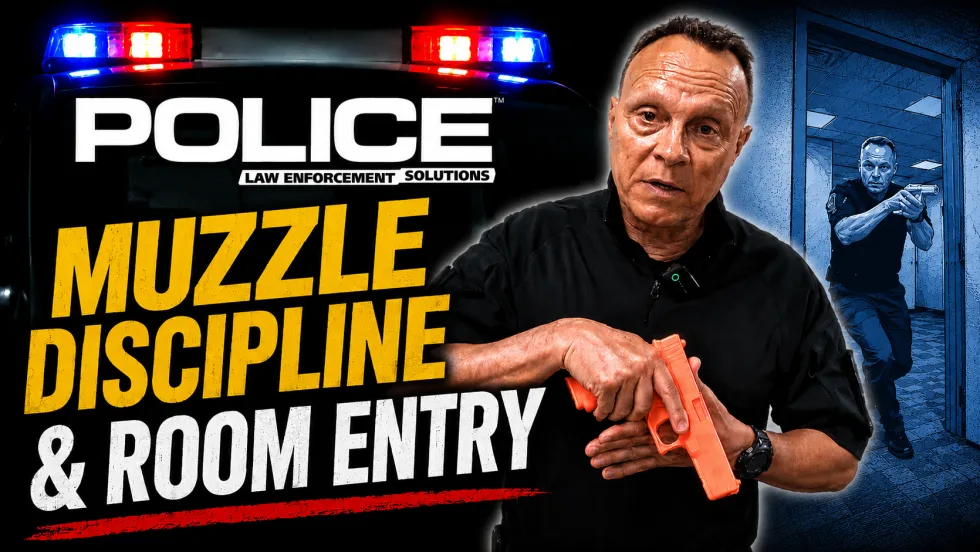
High Compressed Ready Explained | Muzzle Control For Room Entry
In this video, Mike Willis, law enforcement national training and program director for the United States Deputy Sheriffs’ Association, demonstrates the high compressed ready position and discusses muzzle control during room entry.
Read More →
Why Attend the DroneSense Innovation Summit by Versaterm?
Let’s hear from Ryan Bracken, head of product, about why your agency should send someone to the first annual DroneSense Innovation Summit by Versaterm in April.
Read More →
Caswell Live Fire Spins Off from InVeris
Caswell Live Fire has spun off from parent company InVeris, coinciding with the 100th anniversary of Caswell’s founding. Over the past 100 years, Caswell has developed pioneering solutions that support military, law enforcement, and commercial clients worldwide.
Read More →
When Do You Transport a Wounded Officer Instead of Waiting for EMS?
Thumbnail for video series POLICE Topics, Tactics & Tips with a yellow headline that reads When Do You Transport a Wounded Officer Instead of Waiting for EMS?
Read More →
How to Pick Your High-Risk Stop Location for Tactical Advantage
Hear veteran trainer Mike Willis, of the United States Deputy Sheriff’s Association, explain several considerations that can help you wisely pick your best spot to initiate high-risk or felony traffic stops.
Read More →
Coffee Break with Police Experts: Using Your Patrol Vehicle for Cover
In this video, hear from Dustin Mowery, a product specialist at Team Wendy, as he discusses how to best use a patrol vehicle for cover.
Read More →