



Former LAPD Officer Sues, Says Fired for Exposing Ticket Quotas
A former Los Angeles police officer who sued the LAPD, alleging he was denied promotions for complaining about an alleged ticket-writing quota, filed a second lawsuit, alleging he was fired in retaliation.

A former Los Angeles police officer who sued the LAPD, alleging he was denied promotions for complaining about an alleged ticket-writing quota, filed a second lawsuit, alleging he was fired in retaliation, reports the Venice-Mar Vista Patch.
In his original lawsuit, Dan Gregg, a motorcycle officer formerly assigned to the West Traffic Division, alleged his commanding officer ordered him to deny overtime-pay assignments to officers who did not cite enough motorists for traffic violations.
Gregg insists he was punished for refusing to go along with his superior and for testifying on behalf of two motorcycle officers who sued the department over the alleged quotas and collectively were awarded more than $2 million.
In his new suit, Gregg maintains he found out last September that an internal complaint was filed against him alleging he was illegally obtaining overtime pay. Gregg maintains the allegation was false.
Gregg was put on involuntary leave this spring and fired after a Board of Rights hearing, the new complaint alleges. He maintains he lost his job for exposing the alleged ticket quotas, which the LAPD denies ever existed.
More Training
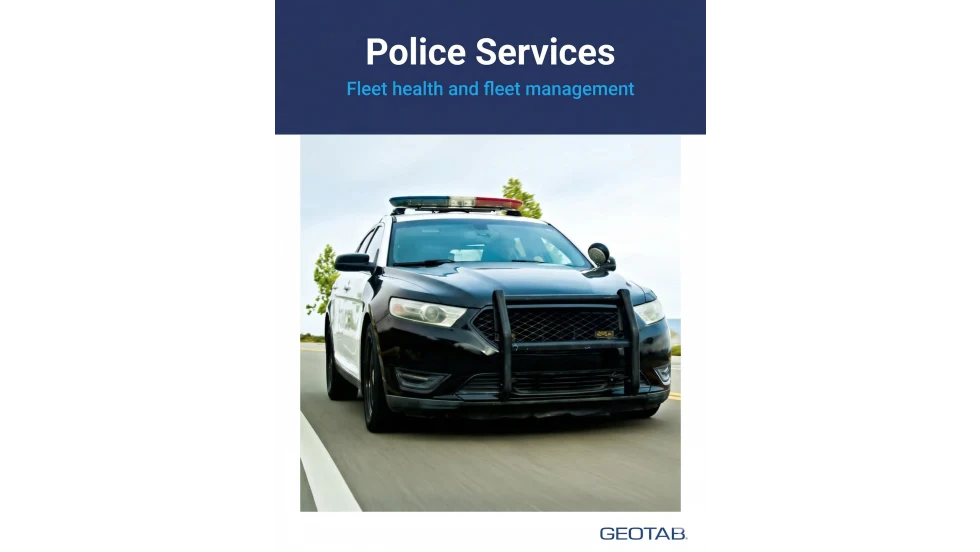
A police agency's guide to data-driven fleet management
Public trust is earned through transparency, and your fleet data can help demonstrate it. This ebook shows how police agencies can use fleet management solutions to strengthen accountability, improve officer safety and responsibly use public funds.
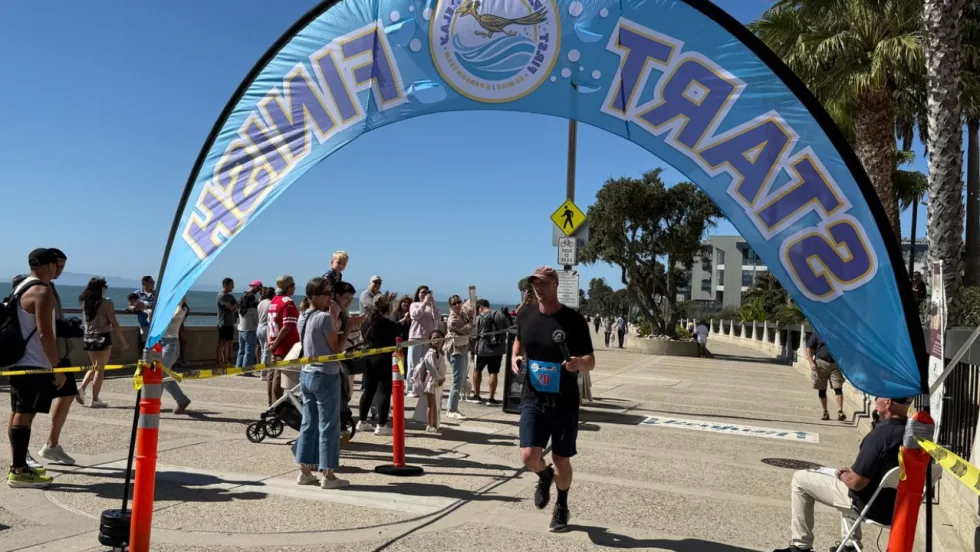
Registration Underway for Sixth Annual First Responders Relay
The California Police Athletic Federation’s annual First Responder Relay will welcome first responder teams from across the globe to compete along Ventura's scenic coastline on Oct. 11. Registration is underway.

Vector Solutions Launches Comprehensive Online Dispatch Training Catalog for Emergency Communications Professionals
Vector Solutions’ new catalog of 35 expert-developed online courses can help emergency communication centers strengthen training, meet certification requirements, and simplify continuing education.
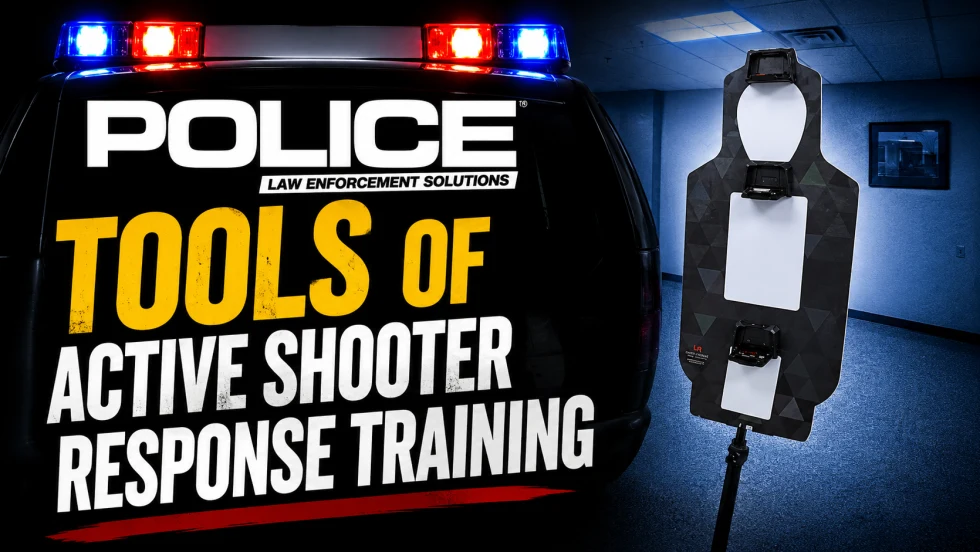
Tools for Active Shooter Response Training
What technologies help prepare officers for active shooter response situations? This behind-the-scenes look at law enforcement training explores shot simulators, smart firearms, laser target systems, and the tools used to build safer, more effective training environments.
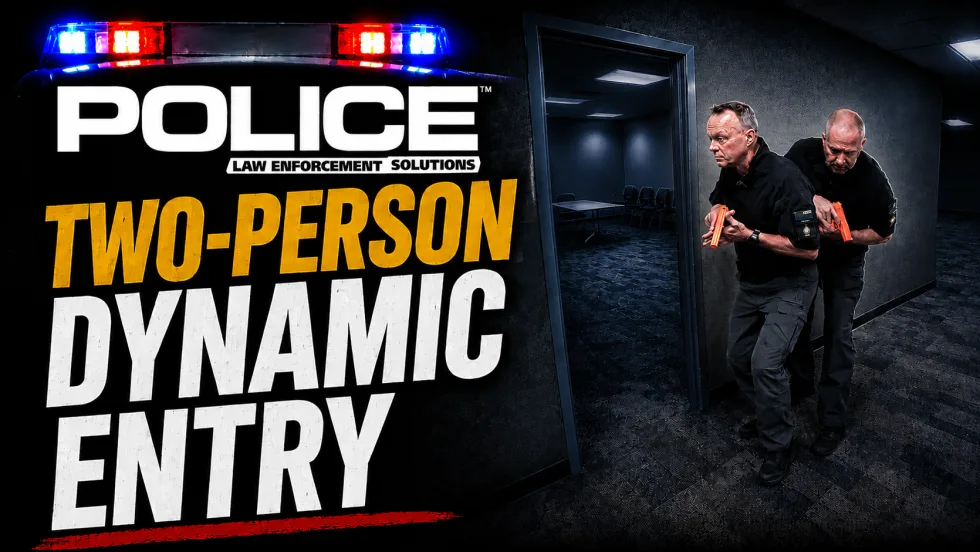
Two-Officer Tactical Doorway Entry Techniques
Entering a room during active-threat situations requires communication, coordination, and disciplined tactical movement. In this video, trainers from the United States Deputy Sheriff’s Association demonstrate critical room entry concepts, including fatal funnel awareness, team coordination, and safe tactical movement.
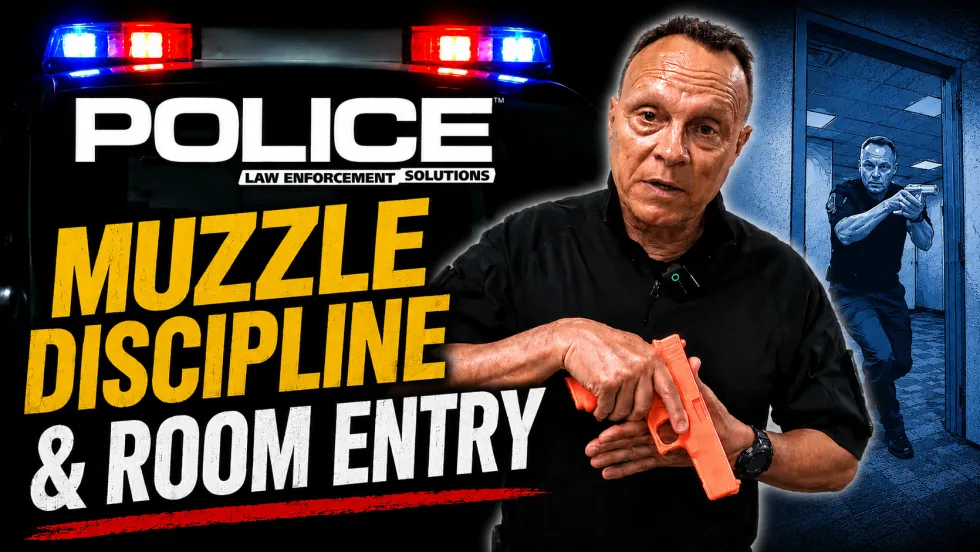
High Compressed Ready Explained | Muzzle Control For Room Entry
In this video, Mike Willis, law enforcement national training and program director for the United States Deputy Sheriffs’ Association, demonstrates the high compressed ready position and discusses muzzle control during room entry.

Why Attend the DroneSense Innovation Summit by Versaterm?
Let’s hear from Ryan Bracken, head of product, about why your agency should send someone to the first annual DroneSense Innovation Summit by Versaterm in April.

Caswell Live Fire Spins Off from InVeris
Caswell Live Fire has spun off from parent company InVeris, coinciding with the 100th anniversary of Caswell’s founding. Over the past 100 years, Caswell has developed pioneering solutions that support military, law enforcement, and commercial clients worldwide.
When Do You Transport a Wounded Officer Instead of Waiting for EMS?
What factors do you need to consider when making the decision to transport a wounded officer in a patrol vehicle instead of waiting for EMS? Let’s turn to Sydney Vail, M.D., as he provides some insights.
How to Pick Your High-Risk Stop Location for Tactical Advantage
Hear veteran trainer Mike Willis, of the United States Deputy Sheriff’s Association, explain several considerations that can help you wisely pick your best spot to initiate high-risk or felony traffic stops.