



Ford Says Carbon Monoxide Exposure in Police Utility the Result of Improper Upfitting
Responding to concerns about carbon monoxide exposure to officers using Ford Police Interceptor Utility patrol SUVs, Ford said today the issues experienced by some law enforcement agencies are a result of improperly sealed holes in the body of the vehicles that were created during the process of upfitting them for police duty.

Responding to concerns about carbon monoxide exposure to officers using Ford Police Interceptor Utility patrol SUVs, Ford said today the issues experienced by some law enforcement agencies are a result of improperly sealed holes in the body of the vehicles that were created during the process of upfitting them for police duty.
Bill Gubing, chief engineer for the Ford Explorer program, said the company has sent task forces out to investigate the carbon monoxide incidents, and the company's specialists have found open holes and uncovered spaces in the rear of the vehicles. Gubing explained that the aerodynamics of the Ford Explorer design causes air to swirl at the back of the SUV, which pushes the gas into the openings. He added the carbon monoxide problem does not occur in police sedans because the gas is captured by the trunk and does not enter the cabin.
Ford produces a modifiers guide to be used by the upfitters, but Gubing said some are not following the instructions. "It's safe to say [the modifications] were not done as good as they could have been," he said.
During a Web briefing, Gubing showed numerous photos of open holes at the rear of the vehicles, including their undersides, where upfitters had run control and power wires for lights and other police systems and had not sealed them properly. He said the problems can be remedied by sealing the holes with mastic and special foam gaskets.
Ford is covering the cost for these repairs, regardless of the age of the vehicle, its mileage, or who is responsible for the body leaks. He said Ford teams are working closely with agencies getting their affected vehicles back on the road.
Gubing said Ford is also working with the National Highway Traffic Safety Administration (NHTSA) regarding concerns that exhaust manifolds have been cracking on Explorers. He said no evidence has been found of cracks in the manifolds, and there have been no reports of carbon monoxide issues with consumer Explorers.
Law enforcement agencies concerned about carbon monoxide leaks in their Ford Police Interceptor Utility SUVs can contact their local Ford dealers for repairs. Ford has also set up a hotline at (888) 260-5575 to answer questions about the issue.
Gubing said that even though some reports of carbon monoxide issues with the Ford Police Interceptor Utility SUVs have been reported, the problem is not common. "The vast majority of vehicles out there do not have this issue," he said. —David Griffith
More Vehicle Ops
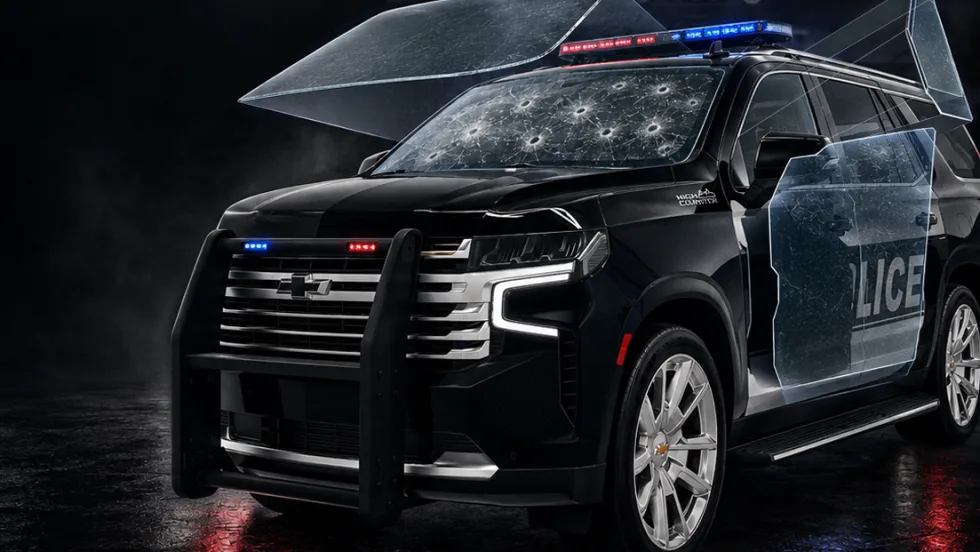
It’s an Ambush: How Ballistic Glass Redefines Patrol Vehicle Safety
Dana Safety Supply is setting a new standard for officer safety with windshields capable of withstanding multiple rounds and saving lives — and one Texas deputy is living proof.
Read More →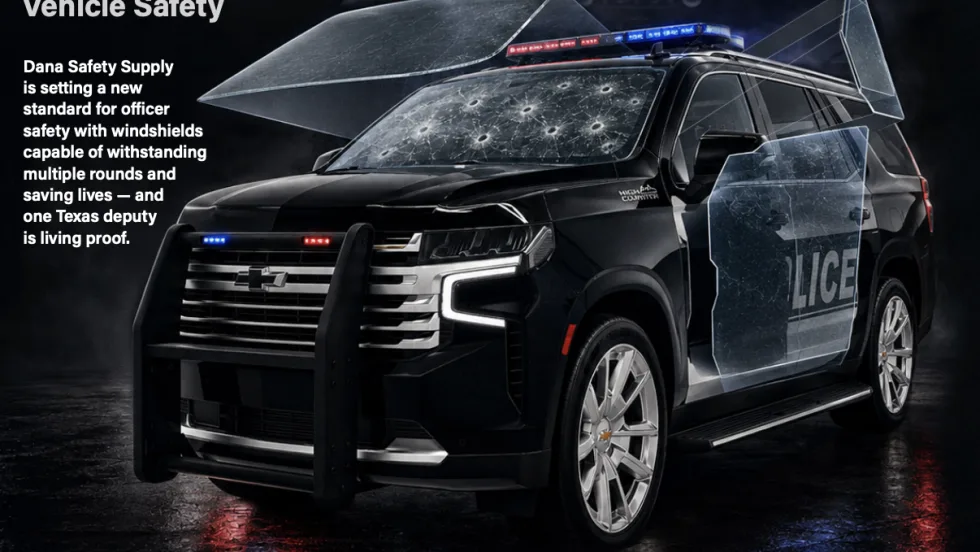
Dana Safety Supply’s BallisTech Vehicle Armoring Solutions
Dana Safety Supply is setting a new standard for officer safety with windshields capable of withstanding multiple rounds and saving lives.
Read More →
Ford Showcases 2028 Ford Expedition Police Responder
Ford showcased its 2028 Ford Expedition Police Responder, a full-size, pursuit-rated utility vehicle, at Police Fleet Expo this week. It comes standard with 4x4 and a 3.5-liter EcoBoost V6 producing 400 horsepower and 480 lb.-ft. of torque.
Read More →
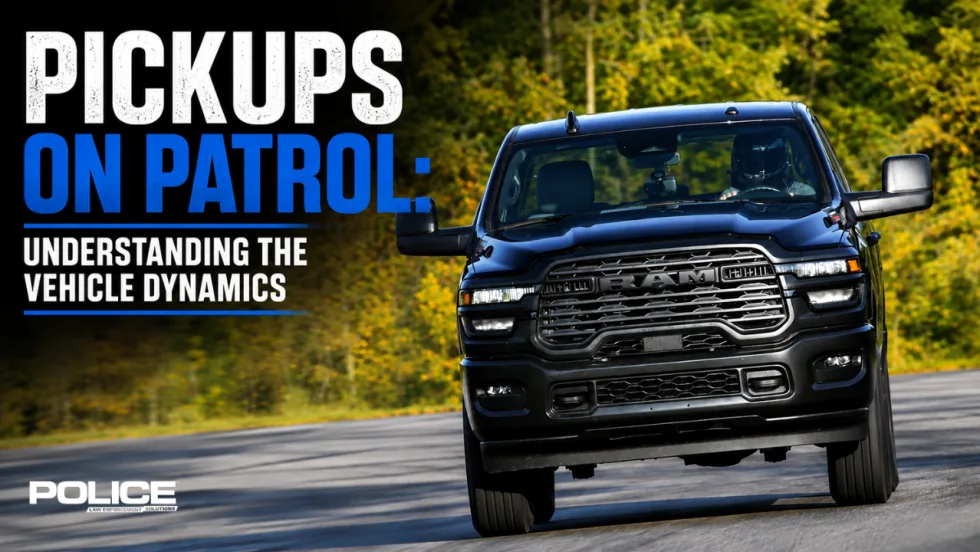
Pickups on Patrol: Understanding the Vehicle Dynamics
Pickup trucks are not new to patrol duties, but with the debut of the 2027 Ram 2500 Emergency Response Vehicle, they are getting larger and heavier. POLICE reached out to the Michigan State Police Precision Driving Unit to learn more about pickup truck handling, vehicle dynamics, and what officers need to know.
Read More →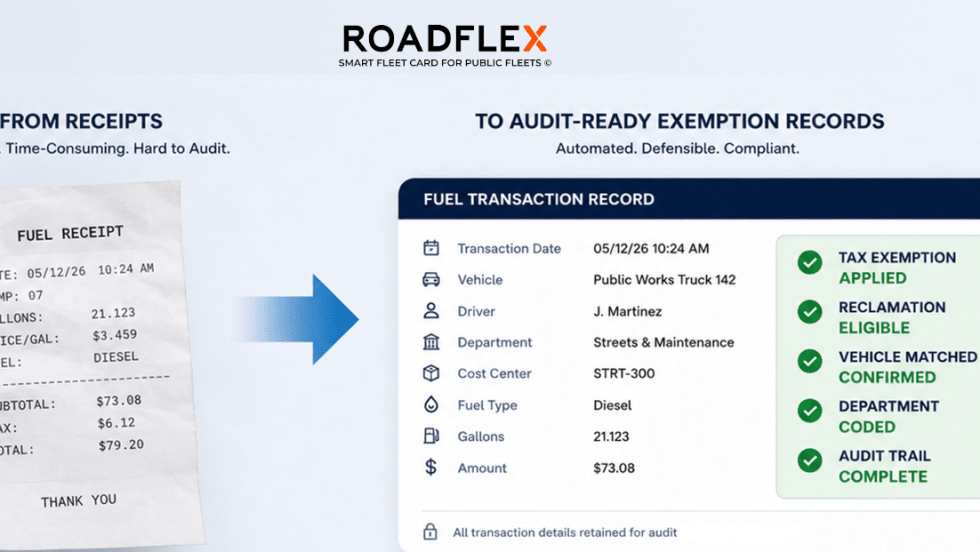
RoadFlex Brings Fuel Tax Compliance & Audit-Ready Reporting to Government Fleets
RoadFlex now offers its capabilities to help public-sector fleets streamline fuel tax exemptions, reclamation, reconciliation, and audit-ready reporting.
Read More →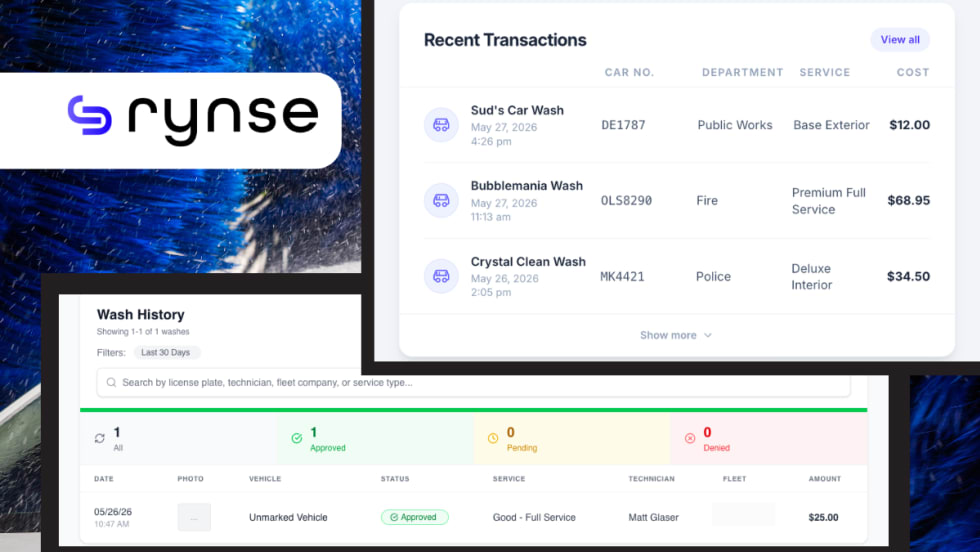
Rynse Awarded Cooperative Purchasing Contract, Expanding Nationwide Fleet Wash Access for Law Enforcement
Rynse has secured a 2026-2027 NCSA contract, giving law enforcement agencies nationwide fast-track access to its fleet wash network and management platform, which streamlines procurement, reduces administrative burdens, and helps fleets stay road-ready with greater oversight.
Read More →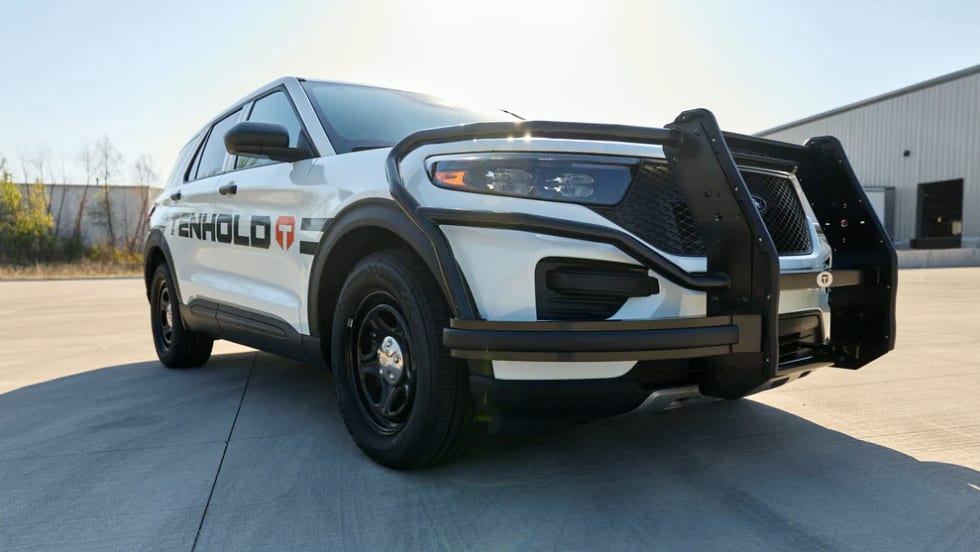
Tenhold Introduces Suppressor Gun Rack System
Tenhold, formerly Jotto Desk, provides next-generation vehicle systems for law enforcement and public safety and recently debuted its Suppressor Lock Head for its Weapon Mounting system.
Read More →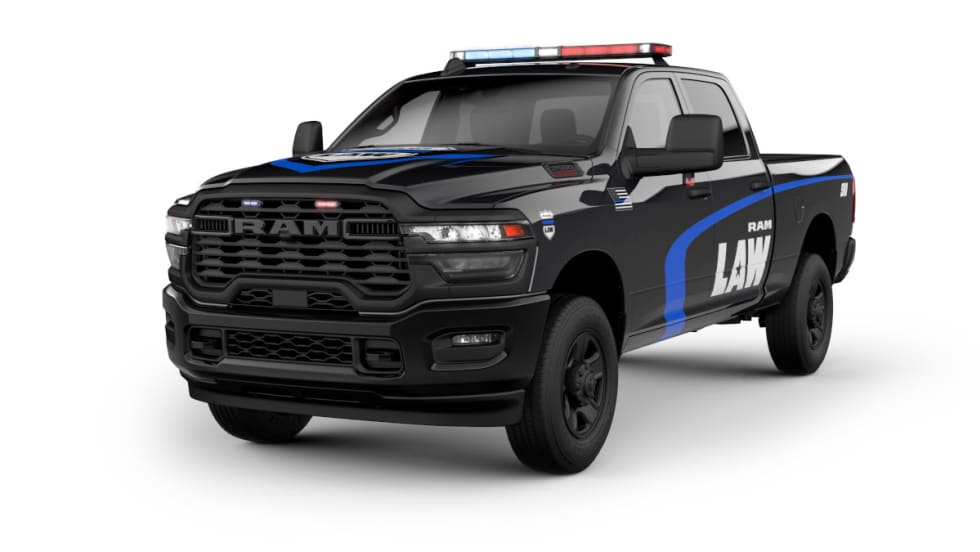
Ram Debuts Pursuit-Capable 2500 Emergency Response Vehicle
The 2027 Ram 2500 Emergency Response Vehicle is the first and only ¾-ton truck to complete the Michigan State Police vehicle trials, and Ram said it delivered outstanding performance in testing scenarios designed to replicate extreme real-world duty.
Read More →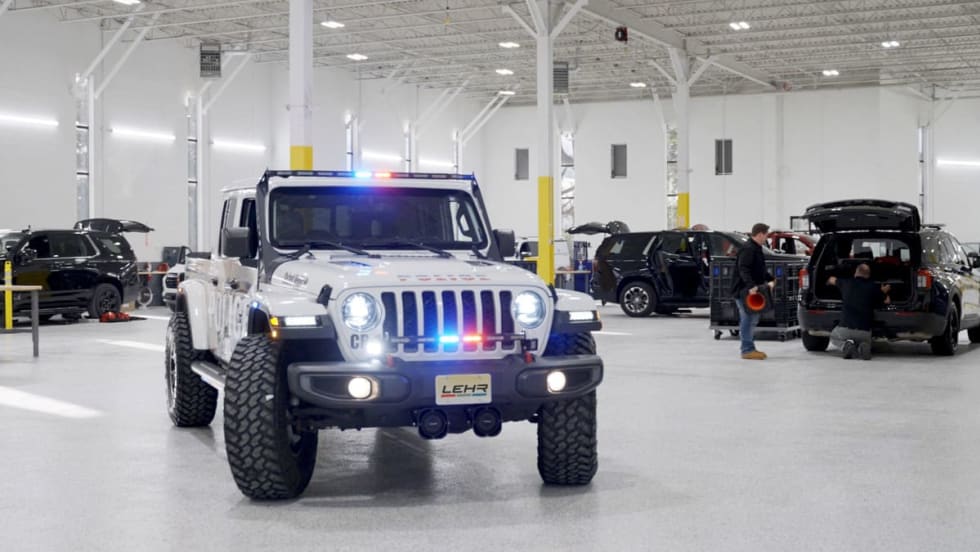
Emergency Vehicle Upfitter LEHR Opens New Facility in New Jersey
LEHR’s new centralized upfitting facility in New Jersey consolidates operations to deliver faster turnaround times and enhanced fleet capacity for law enforcement agencies across the Northeast.
Read More →
North Carolina Sheriff’s Office Improves Fueling Reliability & Operational Control
The Madison County Sheriff’s Office overcame fuel management and accounting challenges by turning to RoadFlex to improve fueling reliability, visibility, and administrative control.
Read More →