



eCycle Introduces Low Voltage A/C For Police Vehicles
eCycle Inc. has a low-voltage air-conditioning module for police and other municipal vehicles. The affordable, efficient DC air-conditioning solution produces up to 16,000 BTU per hour and can be easily installed in virtually any vehicle, according to the company.

eCycle Inc. has a low-voltage air-conditioning module for police and other municipal vehicles. The affordable, efficient DC air-conditioning solution produces up to 16,000 BTU per hour and can be easily installed in most vehicles, according to the company.
A typical police car idles as much as 7 hours during a 10-hour patrol shift, according to the company. Unnecessary idling increases fuel and maintenance costs, as well as harmful emissions.
By removing the air-conditioning load from the engine, utility is expanded and efficiency is significantly improved, according to eCycle. The climate control system functions independently of the engine and utilizes battery power to provide high levels of rapid cooling, even under extreme conditions.
Operating the vehicle's air-conditioning directly from batteries enables the operator to turn off the engine without sacrificing cabin climate. Installing eCycle compressor drives can help reduce costs by 25% or more, and pay for themselves within the first few month's of use, according to the company.
"eCycle has been selling electrically driven compressor drives for many years to a wide variety of markets," said Michael Sharer, eCycle's vice president of marketing. "We believe police cars, emergency vehicles and other municipal vehicles, such as trucks and maintenance equipment, will benefit the most by saving local governments thousands of dollars annually per vehicle."
The Tallahassee (Fla.) Police Department has been installing eCycle's compressor drive system in its police cars with excellent results. The city intends to eventually outfit all police cars with idle-reduction technologies, according to Energy.gov. Officials have calculated per vehicle fuel savings of $2,000 annually, as well as a 30% increase in vehicle lifespan.
Features:
• Greatly improves fuel economy, saves money
• Direct drive
• Operates independent of engine
• "Hybridize" standard A/C systems
• 12-volt DC - 8,000 BTU @ 90A
• 24-volt DC - 16,000 BTU @ 90A
• Low Voltage (99.9% of vehicles)
• Integrated with standard A/C components and systems: condensers, evaporators, refrigerant lines, fans and controls.
More Vehicle Ops
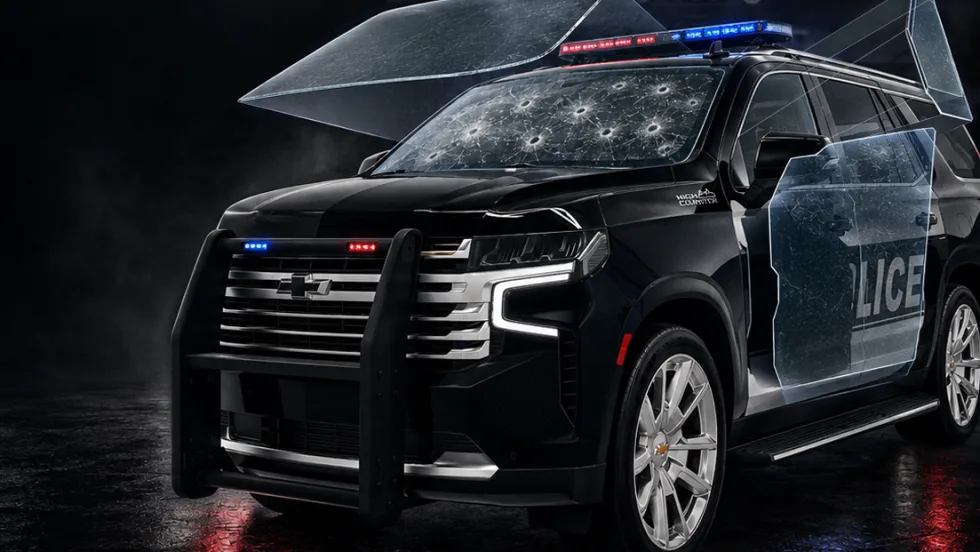
It’s an Ambush: How Ballistic Glass Redefines Patrol Vehicle Safety
Dana Safety Supply is setting a new standard for officer safety with windshields capable of withstanding multiple rounds and saving lives — and one Texas deputy is living proof.
Read More →
Dana Safety Supply’s BallisTech Vehicle Armoring Solutions
Dana Safety Supply is setting a new standard for officer safety with windshields capable of withstanding multiple rounds and saving lives.
Read More →
Ford Showcases 2028 Ford Expedition Police Responder
Ford showcased its 2028 Ford Expedition Police Responder, a full-size, pursuit-rated utility vehicle, at Police Fleet Expo this week. It comes standard with 4x4 and a 3.5-liter EcoBoost V6 producing 400 horsepower and 480 lb.-ft. of torque.
Read More →

Pickups on Patrol: Understanding the Vehicle Dynamics
Pickup trucks are not new to patrol duties, but with the debut of the 2027 Ram 2500 Emergency Response Vehicle, they are getting larger and heavier. POLICE reached out to the Michigan State Police Precision Driving Unit to learn more about pickup truck handling, vehicle dynamics, and what officers need to know.
Read More →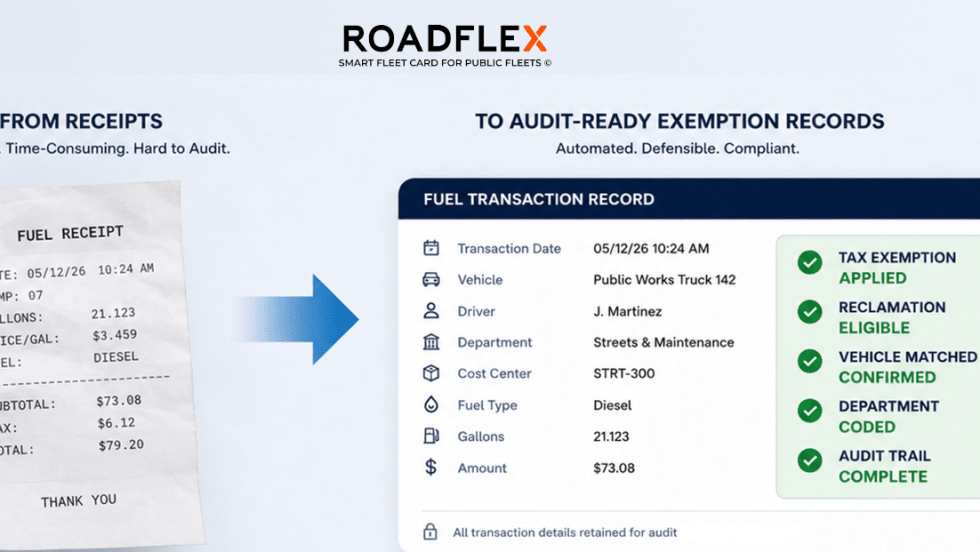
RoadFlex Brings Fuel Tax Compliance & Audit-Ready Reporting to Government Fleets
RoadFlex now offers its capabilities to help public-sector fleets streamline fuel tax exemptions, reclamation, reconciliation, and audit-ready reporting.
Read More →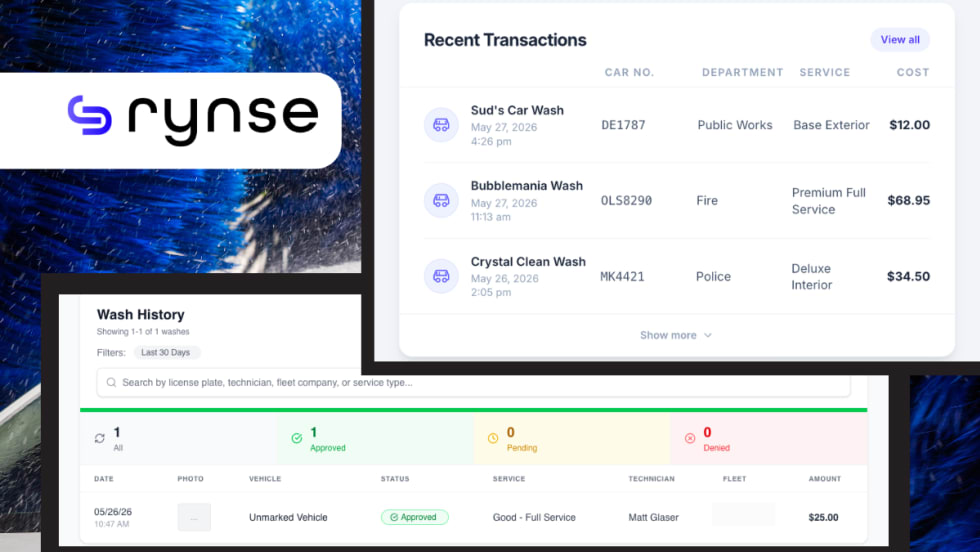
Rynse Awarded Cooperative Purchasing Contract, Expanding Nationwide Fleet Wash Access for Law Enforcement
Rynse has secured a 2026-2027 NCSA contract, giving law enforcement agencies nationwide fast-track access to its fleet wash network and management platform, which streamlines procurement, reduces administrative burdens, and helps fleets stay road-ready with greater oversight.
Read More →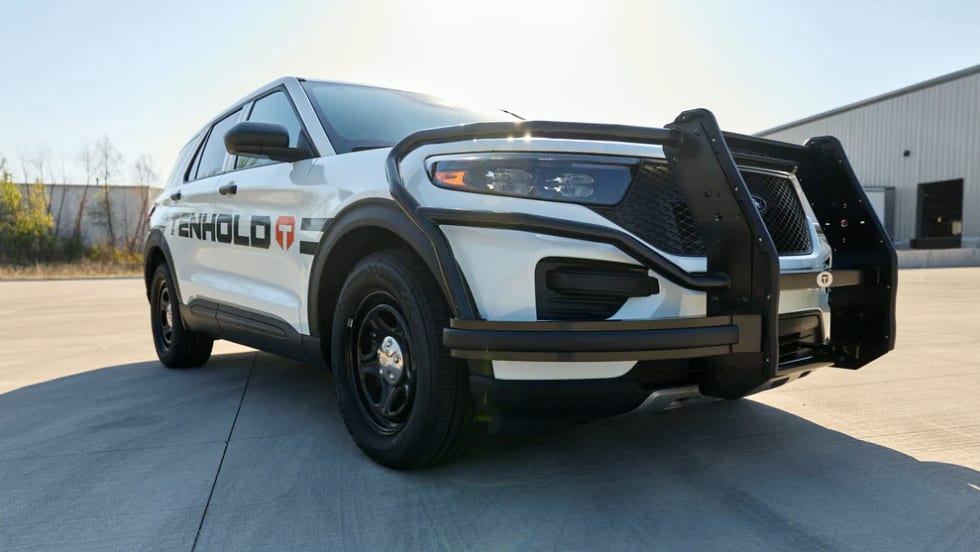
Tenhold Introduces Suppressor Gun Rack System
Tenhold, formerly Jotto Desk, provides next-generation vehicle systems for law enforcement and public safety and recently debuted its Suppressor Lock Head for its Weapon Mounting system.
Read More →
Ram Debuts Pursuit-Capable 2500 Emergency Response Vehicle
The 2027 Ram 2500 Emergency Response Vehicle is the first and only ¾-ton truck to complete the Michigan State Police vehicle trials, and Ram said it delivered outstanding performance in testing scenarios designed to replicate extreme real-world duty.
Read More →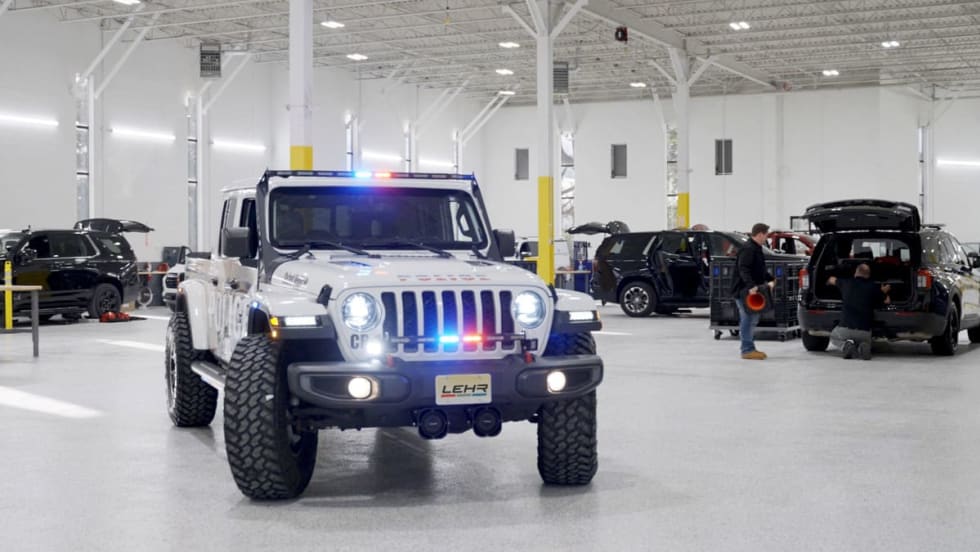
Emergency Vehicle Upfitter LEHR Opens New Facility in New Jersey
LEHR’s new centralized upfitting facility in New Jersey consolidates operations to deliver faster turnaround times and enhanced fleet capacity for law enforcement agencies across the Northeast.
Read More →
North Carolina Sheriff’s Office Improves Fueling Reliability & Operational Control
The Madison County Sheriff’s Office overcame fuel management and accounting challenges by turning to RoadFlex to improve fueling reliability, visibility, and administrative control.
Read More →