



DHS Unveils Major Expansion of ICE Cyber Crimes Center
The expanded ICE Cyber Crimes Center in Fairfax, Va., will provide ICE's Homeland Security Investigations (HSI) with enhanced operational and training capabilities in order to meet the growing cyber mission of the agency and increasing workload of criminal cases with a cyber-nexus.


The entrance to the ICE Cyber Crimes Center. (Photo: ICE)
Deputy Secretary of Homeland Security Alejandro Mayorkas and U.S. Immigration and Customs Enforcement (ICE) Director Sarah R. Saldaña today presided over the unveiling of a major expansion of the ICE Cyber Crimes Center in Fairfax, Va.
The expanded center will provide ICE's Homeland Security Investigations (HSI) with enhanced operational and training capabilities in order to meet the growing cyber mission of the agency and increasing workload of criminal cases with a cyber-nexus.
"The men and women of Homeland Security Investigations perform critical work in combating criminals that use the computer as their weapon, perpetrating crimes ranging from child exploitation to the theft of intellectual property," said Deputy Secretary Mayorkas. "The development of this expanded Cyber Crimes Center provides this great workforce with the facility and tools they deserve to accomplish their mission."
In 1997, the U.S. Customs Service created the Cyber Crimes Center – which became known as "C3" – in response to changing technologies and its effect on criminal trends. While C3's mission has evolved dramatically since its creation, little renovation has been made since then to update the physical space.
The expansion unveiled July 22 includes the build-out of a 5,000-square-foot forensic laboratory, space for coordinating large cyber operations, an evidence vault, and multiple training and conference rooms.
According to ICE Director Saldaña, today's C3 is better equipped for combating cybercrime in today's age: ICE's cybercrime strategy focuses on network intrusion and online theft of intellectual property and online theft of export controlled data; cyber economic crimes to include the sale and conversion of stolen credit card data and personally identifiable information into criminal proceeds; and cyber enabled crimes like child exploitation, illicit underground marketplaces, document fraud, and other crimes that have transitioned from the physical to virtual world.
C3's current mission involves keeping pace with emerging computer technology and Internet processes; proactively using these new technologies to combat criminal activity and address vulnerabilities created by the Internet; disseminating investigative leads and intelligence to field offices and international law enforcement partners; and supporting field investigations.
The Cyber Crimes Center has also developed a cybercrime curriculum to train HSI special agents and law enforcement partners in conducting cyber investigations. Classes on subjects including cyber smuggling, undercover and network intrusion investigations will take place at the new C3 beginning in early 2016. C3 is already using the new space to provide training in advanced software applications for victim identification in support of child sexual exploitation investigations.
C3 delivers computer and cyber-based technical services in support of HSI cases – including investigations into underground online marketplaces selling illegal drugs, weapons and other contraband; the trading of images of child pornography; and the theft of intellectual property.
Recent examples of the types of cases investigated and supported by C3 include the takedown of underground online marketplaces like Silk Road and Black Market Reloaded, cyber theft and piracy of the Hollywood movie The Expendables 3 and the dismantling of one of the largest child pornography websites on the dark net with more than 27,000 subscribers, as part of Operation Round Table.
More Training

Registration Underway for Sixth Annual First Responders Relay
The California Police Athletic Federation’s annual First Responder Relay will welcome first responder teams from across the globe to compete along Ventura's scenic coastline on Oct. 11. Registration is underway.
Read More →
Vector Solutions Launches Comprehensive Online Dispatch Training Catalog for Emergency Communications Professionals
Vector Solutions’ new catalog of 35 expert-developed online courses can help emergency communication centers strengthen training, meet certification requirements, and simplify continuing education.
Read More →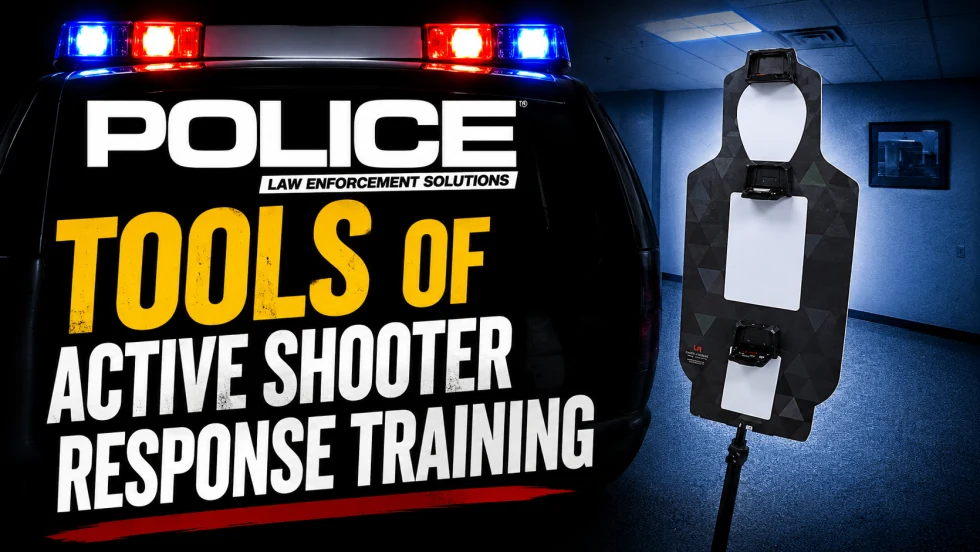
Tools for Active Shooter Response Training
What technologies help prepare officers for active shooter response situations? This behind-the-scenes look at law enforcement training explores shot simulators, smart firearms, laser target systems, and the tools used to build safer, more effective training environments.
Read More →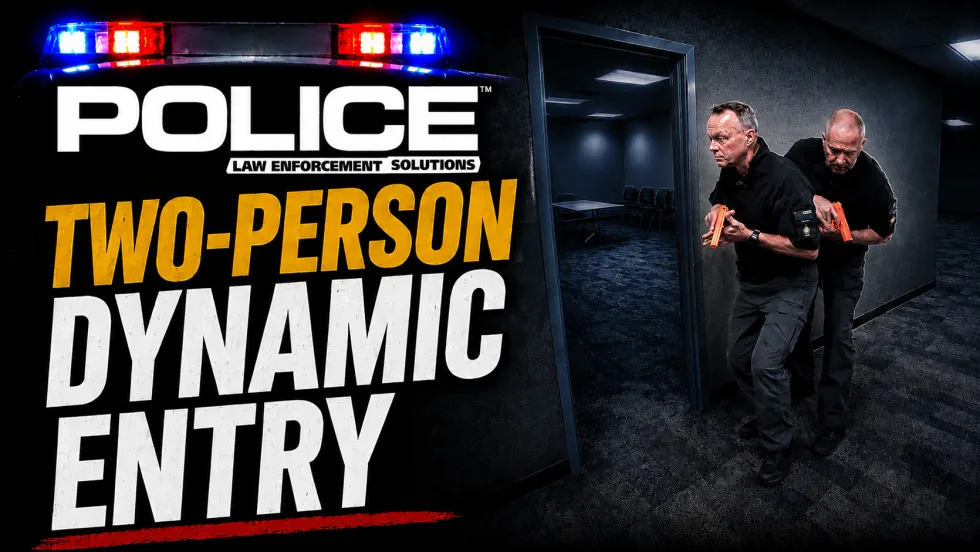
Two-Officer Tactical Doorway Entry Techniques
Entering a room during active-threat situations requires communication, coordination, and disciplined tactical movement. In this video, trainers from the United States Deputy Sheriff’s Association demonstrate critical room entry concepts, including fatal funnel awareness, team coordination, and safe tactical movement.
Read More →
High Compressed Ready Explained | Muzzle Control For Room Entry
In this video, Mike Willis, law enforcement national training and program director for the United States Deputy Sheriffs’ Association, demonstrates the high compressed ready position and discusses muzzle control during room entry.
Read More →
Why Attend the DroneSense Innovation Summit by Versaterm?
Let’s hear from Ryan Bracken, head of product, about why your agency should send someone to the first annual DroneSense Innovation Summit by Versaterm in April.
Read More →
Caswell Live Fire Spins Off from InVeris
Caswell Live Fire has spun off from parent company InVeris, coinciding with the 100th anniversary of Caswell’s founding. Over the past 100 years, Caswell has developed pioneering solutions that support military, law enforcement, and commercial clients worldwide.
Read More →
When Do You Transport a Wounded Officer Instead of Waiting for EMS?
Thumbnail for video series POLICE Topics, Tactics & Tips with a yellow headline that reads When Do You Transport a Wounded Officer Instead of Waiting for EMS?
Read More →
How to Pick Your High-Risk Stop Location for Tactical Advantage
Hear veteran trainer Mike Willis, of the United States Deputy Sheriff’s Association, explain several considerations that can help you wisely pick your best spot to initiate high-risk or felony traffic stops.
Read More →
Coffee Break with Police Experts: Using Your Patrol Vehicle for Cover
In this video, hear from Dustin Mowery, a product specialist at Team Wendy, as he discusses how to best use a patrol vehicle for cover.
Read More →