



Columbia Southern Lets Potential Students Compare College Costs With Online Cost Calculator
“Information is power,” said CSU Chief Marketing Officer Dale Leatherwood, who led the calculator development team.
Columbia Southern University (CSU), which celebrates 30 years in online education this year, is inviting degree-seekers to try its do-it-yourself online college cost comparison calculator. The university developed the calculator to provide transparency to those seeking an affordable online degree and to empower degree-seekers to compare the tuition and fees of various institutions’ online degree programs to CSU’s. The college cost comparison calculator is the first of its kind in the higher education space.
“Information is power,” said CSU Chief Marketing Officer Dale Leatherwood, who led the calculator development team. “By equipping Americans with the information they need to compare the true course costs of two colleges, we are empowering them to pursue their higher education goals on their terms.”
In today’s economy, the true cost of earning a degree has become increasingly relevant. EducationDynamics’ 2023 Online College Students Report found the most important factor in enrollment decisions by far was the cost of tuition and fees. Additionally, respondents stated the most sought-after information (58.8%) on a college’s website is the tuition cost. The second most sought-after information (54.8%) is available programs and the third most sought-after information (53%) is the cost of fees.
“Fees can add anywhere from a few dollars to several hundred dollars to the cost of a course, and these costs are usually not easy to find when researching a degree,” said Leatherwood. “In just a few seconds, CSU’s calculator provides accurate, up-to-date information on both tuition and fees for online degree courses. By including required course fees and tuition in every result, the true cost is available to anyone.”
Boasting more than 60 colleges and more than 1,100 online degree programs in its database to date, the cost calculator allows the user to input their degree level of interest, online program of interest, college/university and the number of courses for comparison. The data can be verified through direct links noted within the findings. Leatherwood pointed out that the database used for the calculator was created by visiting each college’s website individually.
“CSU’s calculator was developed using standard part-time, per-credit pricing to ensure all of the comparisons are apples to apples. We included colleges with large online student populations, as well as those with online programs that are in high demand or match programs similar to CSU’s. We will continue adding schools and programs to the calculator on a regular basis.”
To try the CSU cost comparison calculator, visit SaveWithCSU.com. For questions about the calculator or CSU, email CSU-Communications@ColumbiaSouthern.edu.
About Columbia Southern University
As an innovator in online education for 30 years, CSU was established to provide an alternative to the traditional university experience. CSU offers online associate, bachelor’s, master’s and doctoral degrees such as business administration, criminal justice, fire administration and occupational safety and health. Visit ColumbiaSouthern.edu or call (877) 347-6050 to learn more.
More Training

A police agency's guide to data-driven fleet management
Public trust is earned through transparency, and your fleet data can help demonstrate it. This ebook shows how police agencies can use fleet management solutions to strengthen accountability, improve officer safety and responsibly use public funds.

Registration Underway for Sixth Annual First Responders Relay
The California Police Athletic Federation’s annual First Responder Relay will welcome first responder teams from across the globe to compete along Ventura's scenic coastline on Oct. 11. Registration is underway.

Vector Solutions Launches Comprehensive Online Dispatch Training Catalog for Emergency Communications Professionals
Vector Solutions’ new catalog of 35 expert-developed online courses can help emergency communication centers strengthen training, meet certification requirements, and simplify continuing education.
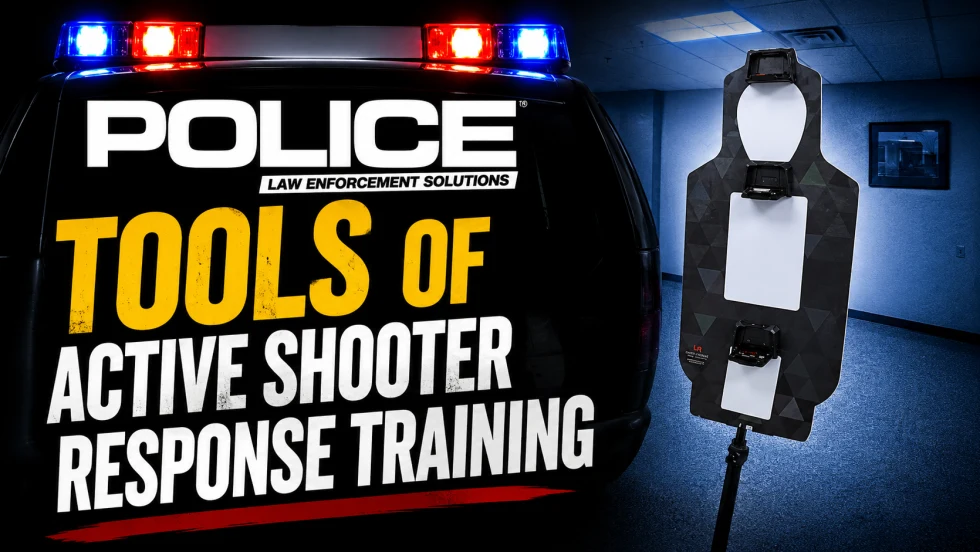
Tools for Active Shooter Response Training
What technologies help prepare officers for active shooter response situations? This behind-the-scenes look at law enforcement training explores shot simulators, smart firearms, laser target systems, and the tools used to build safer, more effective training environments.
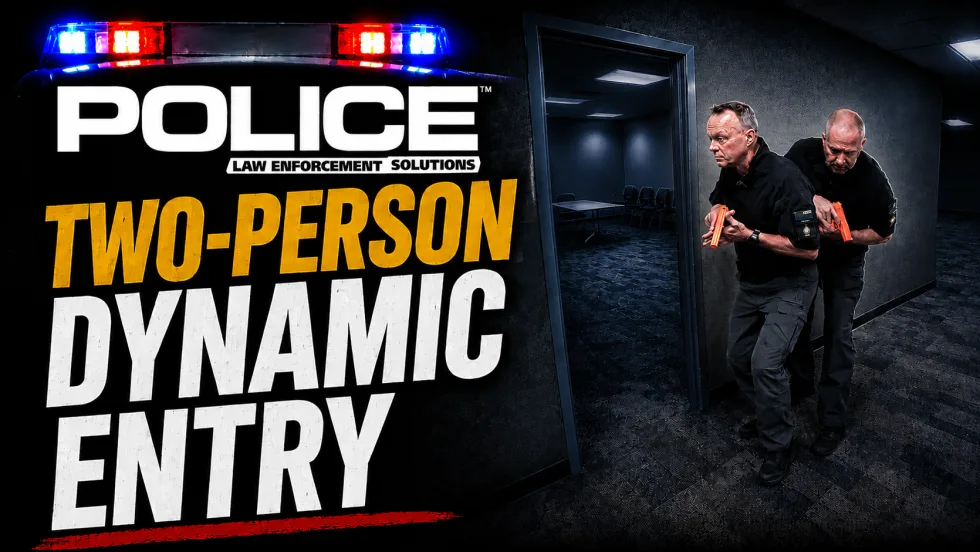
Two-Officer Tactical Doorway Entry Techniques
Entering a room during active-threat situations requires communication, coordination, and disciplined tactical movement. In this video, trainers from the United States Deputy Sheriff’s Association demonstrate critical room entry concepts, including fatal funnel awareness, team coordination, and safe tactical movement.

High Compressed Ready Explained | Muzzle Control For Room Entry
In this video, Mike Willis, law enforcement national training and program director for the United States Deputy Sheriffs’ Association, demonstrates the high compressed ready position and discusses muzzle control during room entry.

Why Attend the DroneSense Innovation Summit by Versaterm?
Let’s hear from Ryan Bracken, head of product, about why your agency should send someone to the first annual DroneSense Innovation Summit by Versaterm in April.

Caswell Live Fire Spins Off from InVeris
Caswell Live Fire has spun off from parent company InVeris, coinciding with the 100th anniversary of Caswell’s founding. Over the past 100 years, Caswell has developed pioneering solutions that support military, law enforcement, and commercial clients worldwide.

When Do You Transport a Wounded Officer Instead of Waiting for EMS?
What factors do you need to consider when making the decision to transport a wounded officer in a patrol vehicle instead of waiting for EMS? Let’s turn to Sydney Vail, M.D., as he provides some insights.

How to Pick Your High-Risk Stop Location for Tactical Advantage
Hear veteran trainer Mike Willis, of the United States Deputy Sheriff’s Association, explain several considerations that can help you wisely pick your best spot to initiate high-risk or felony traffic stops.