



Austin to Pull 400 Ford Explorers and PIUs Out of Service
The City of Austin has begun pulling all 446 of its Ford Explorers and Ford Police Interceptor Utility vehicles from service after finding traces of carbon monoxide in a significant amount of vehicles.

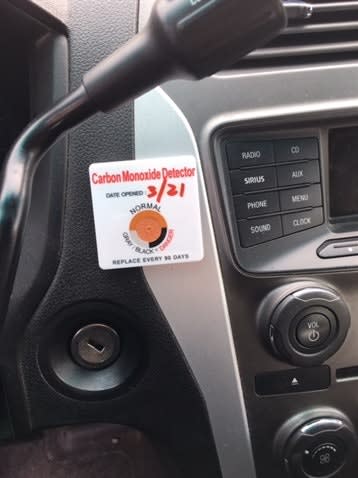
The Austin (TX) Police Department first installed carbon monoxide detectors in March. (Photo courtesy of Austin PD)
The City of Austin has begun pulling all 446 of its Ford Explorers and Ford Police Interceptor Utility vehicles from service after finding traces of carbon monoxide in a significant amount of vehicles. Of the total, 397 of the vehicles are assigned to the Austin Police Department and 237 are marked patrol cars, representing 61% of the police department's frontline fleet.
In response to concerns about carbon monoxide, Ford announced that it would cover the costs of specific repairs in every Police Interceptor Utility that may have carbon monoxide concern, regardless of age, mileage, or aftermarket modifications made after purchase.
At a press conference Friday morning, Austin Police Chief Brian Manley said the vehicles will be kept in storage as the National Highway Traffic Safety Administration (NHTSA) and Ford continue to investigate the cause.
For now, officers will use Ford Crown Victoria Police Interceptors already in use by other divisions of the agency, including the highway enforcement and tactics teams. Manley said the agency has the necessary vehicles to accommodate officers; however, the agency will switch from one officer per vehicle to two officers per vehicle.
Additional vehicles within the agency will be moved to patrol, but will need upfitting. The city's IT department and Make Ready shop are expected to upfit and deploy five patrol vehicles per week, with the aim of returning to single-officer patrol. The divisions that previously used these vehicles will have a motor pool that they can use as needed.
"All frontline police vehicles will be pursuit-rated and equipped with the necessary equipment to do their job," Manley said.
Austin PD first learned of the problem in February, and installed carbon monoxide detectors in March. Over the past five months, Manley said 73 vehicles have been pulled out of service based on alarms going off or confirmed reports of carbon monoxide present.
Earlier this week, CBS News reported that NHTSA is expanding its probe of 2011-2015 Ford Explorers and Police Interceptor Utility vehicles to include 2016 and 2017 models. Similar problems with carbon monoxide were found in police vehicles in Henderson, La.; Newport Beach, Calif.; and the Kansas Highway Patrol. Forty-one people have reported injuries, and although NHTSA emphasized that it does not have proof the injuries reported were caused by carbon monoxide, it did say levels of that gas may be elevated during certain driving scenarios.
Park City, Kan., also dealt with traces of carbon monoxide, but KSN reported that city officials worked with Ford and traced the source to its upfitted lights, where exhaust entered the vehicle through unsealed holes.
Despite these cases, many agencies have reported that their vehicles are fine.
The City of San Diego, Calif., tested 295 of its PIUs and found no traces of carbon monoxide. 10News contacted six other agencies near San Diego, including Border Patrol, and none found problems with carbon monoxide.
According to WNYT, several New York agencies have reported no issues with their vehicles, including the Albany County Sheriff's Office, Troy Police, Albany Police, and the Rensselaer County Sheriff's Office.
The Denver Police Department, Arapahoe County Sheriff's Office, and several other agencies in Colorado told CBS4 they were not experiencing any problems, though the City of Denver has ordered carbon monoxide detectors as a precaution.
UPDATE: As of Monday afternoon, APD is continuing to remove its Explorer and PIUs out of service, said David Green, spokesperson for the city. All frontline vehicles have been removed from service, and the vast majority of support staff vehicles have also been removed.
This article originally appeared on www.government-fleet.com.
More Vehicle Ops
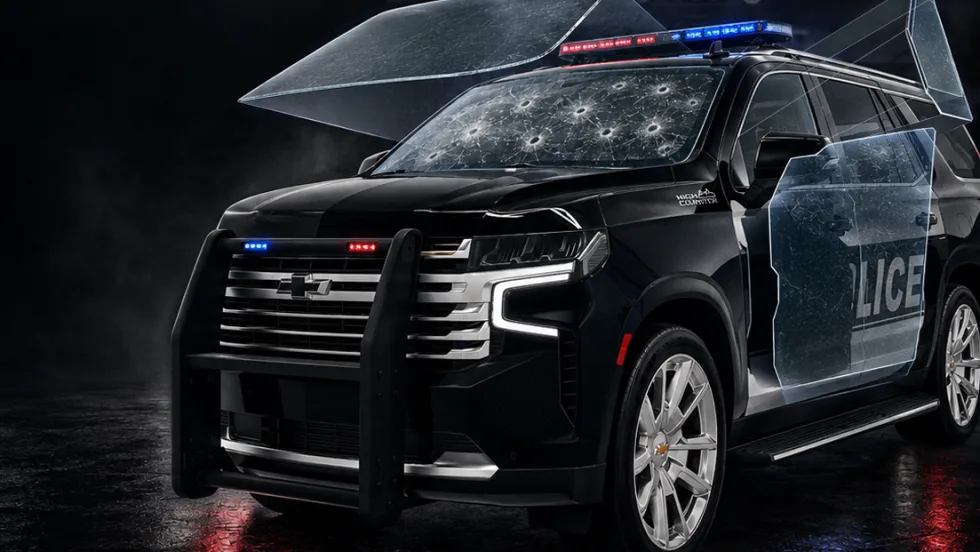
It’s an Ambush: How Ballistic Glass Redefines Patrol Vehicle Safety
Dana Safety Supply is setting a new standard for officer safety with windshields capable of withstanding multiple rounds and saving lives — and one Texas deputy is living proof.
Read More →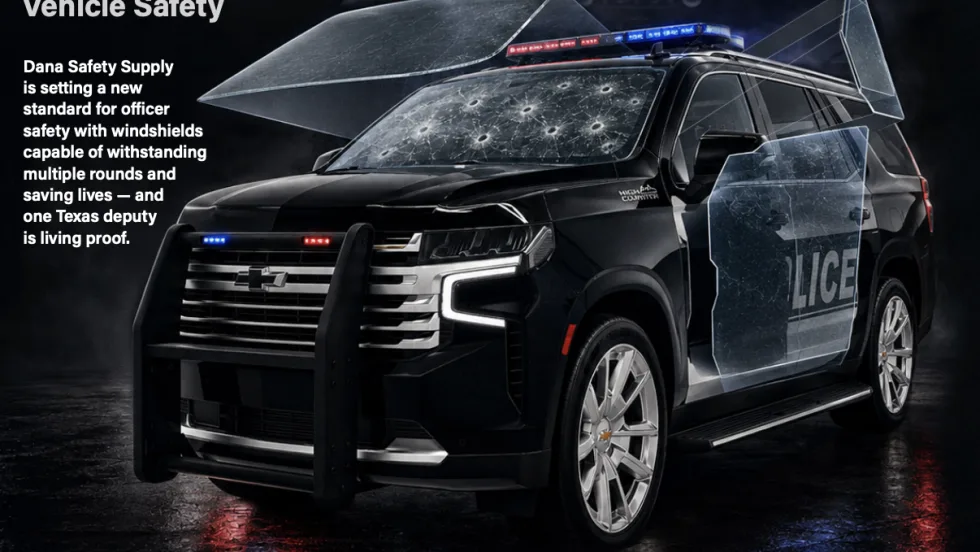
Dana Safety Supply’s BallisTech Vehicle Armoring Solutions
Dana Safety Supply is setting a new standard for officer safety with windshields capable of withstanding multiple rounds and saving lives.
Read More →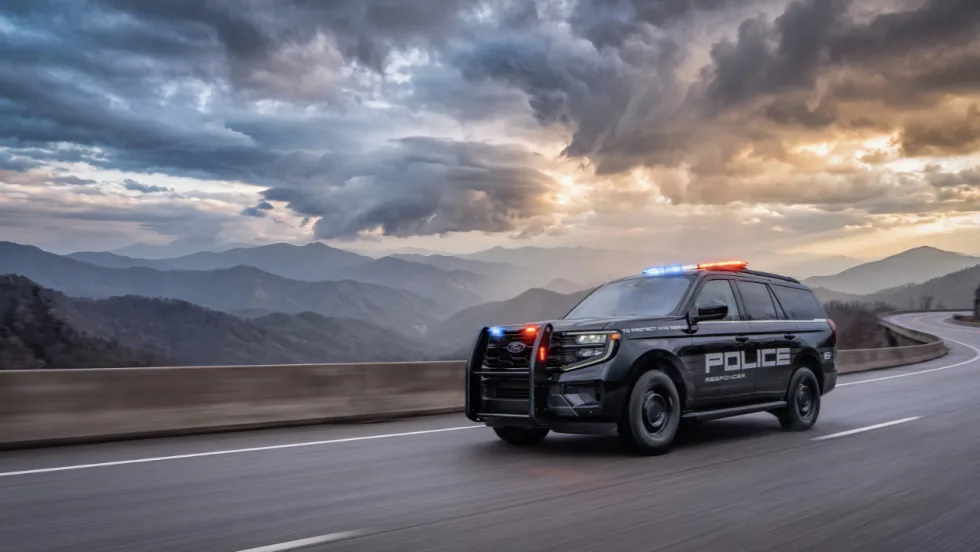
Ford Showcases 2028 Ford Expedition Police Responder
Ford showcased its 2028 Ford Expedition Police Responder, a full-size, pursuit-rated utility vehicle, at Police Fleet Expo this week. It comes standard with 4x4 and a 3.5-liter EcoBoost V6 producing 400 horsepower and 480 lb.-ft. of torque.
Read More →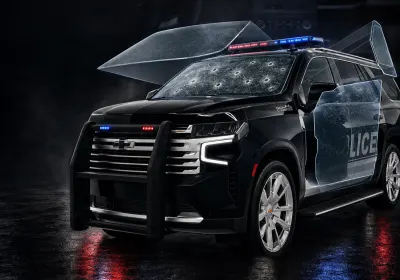
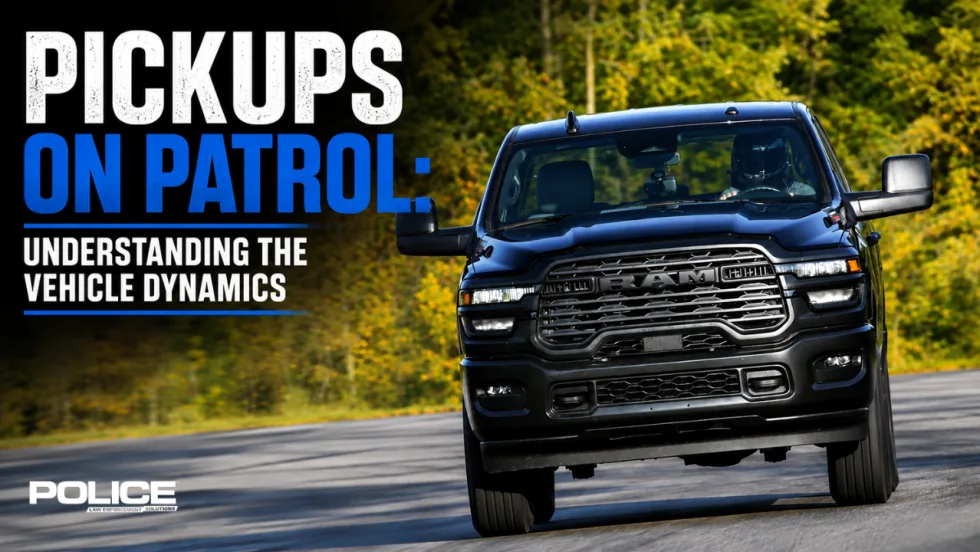
Pickups on Patrol: Understanding the Vehicle Dynamics
Pickup trucks are not new to patrol duties, but with the debut of the 2027 Ram 2500 Emergency Response Vehicle, they are getting larger and heavier. POLICE reached out to the Michigan State Police Precision Driving Unit to learn more about pickup truck handling, vehicle dynamics, and what officers need to know.
Read More →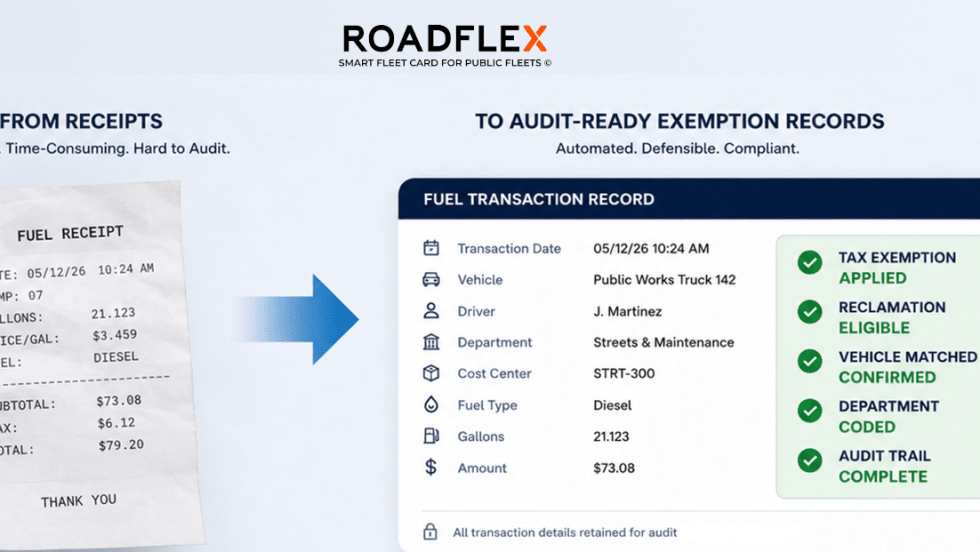
RoadFlex Brings Fuel Tax Compliance & Audit-Ready Reporting to Government Fleets
RoadFlex now offers its capabilities to help public-sector fleets streamline fuel tax exemptions, reclamation, reconciliation, and audit-ready reporting.
Read More →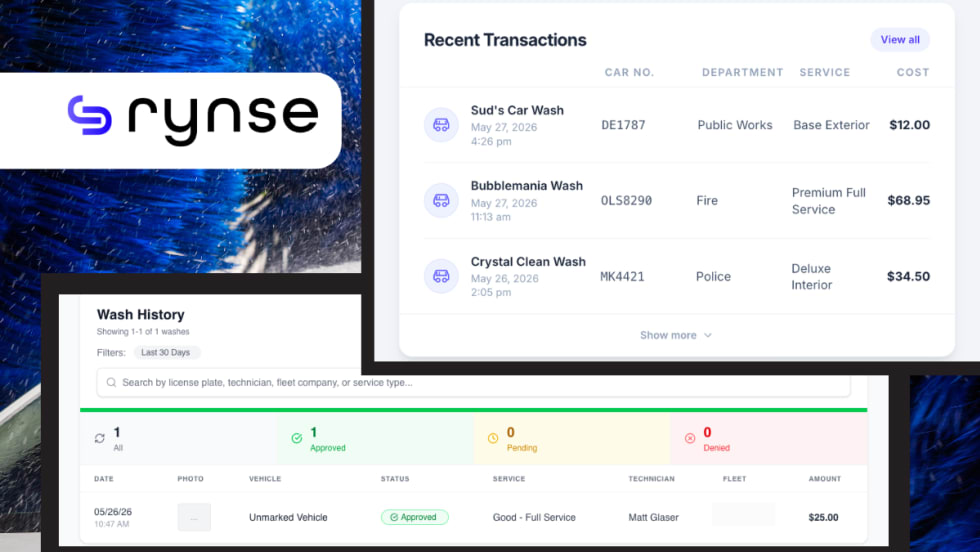
Rynse Awarded Cooperative Purchasing Contract, Expanding Nationwide Fleet Wash Access for Law Enforcement
Rynse has secured a 2026-2027 NCSA contract, giving law enforcement agencies nationwide fast-track access to its fleet wash network and management platform, which streamlines procurement, reduces administrative burdens, and helps fleets stay road-ready with greater oversight.
Read More →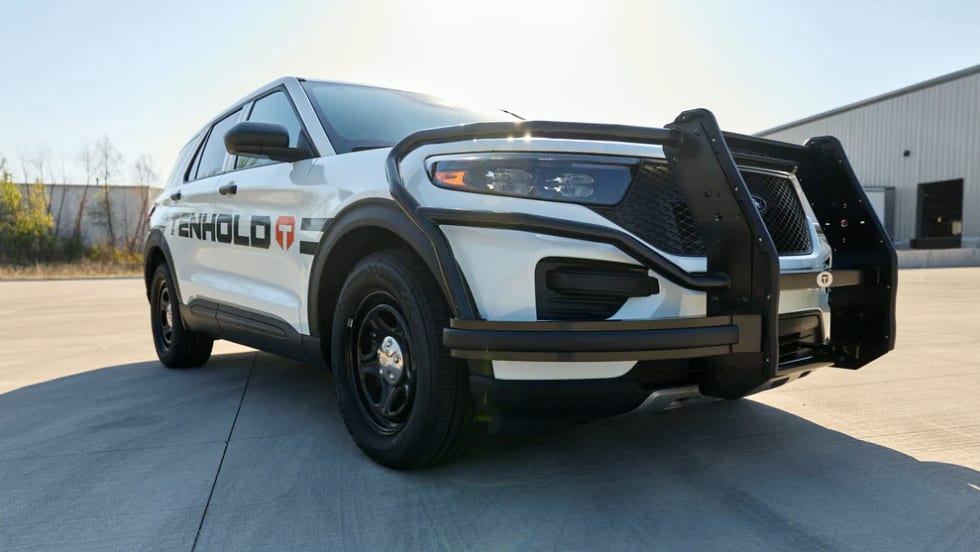
Tenhold Introduces Suppressor Gun Rack System
Tenhold, formerly Jotto Desk, provides next-generation vehicle systems for law enforcement and public safety and recently debuted its Suppressor Lock Head for its Weapon Mounting system.
Read More →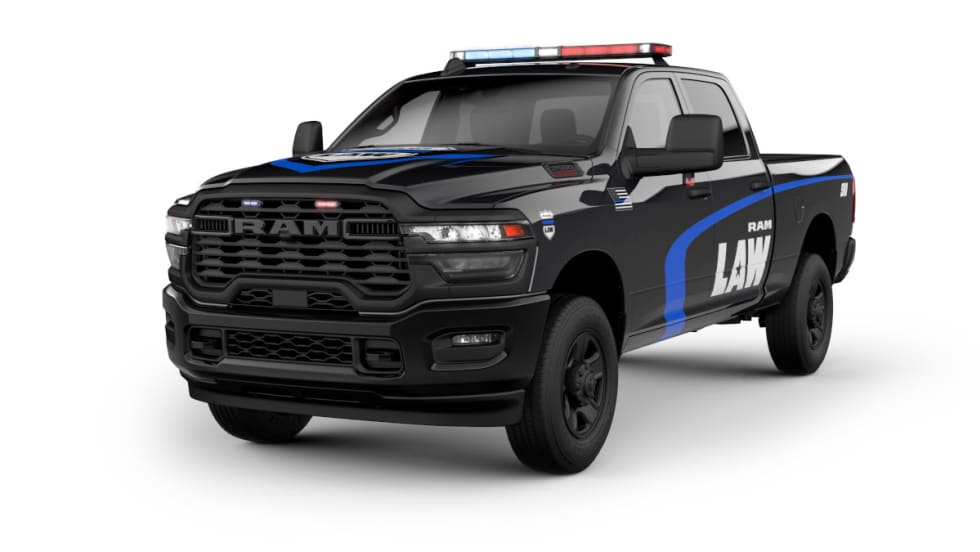
Ram Debuts Pursuit-Capable 2500 Emergency Response Vehicle
The 2027 Ram 2500 Emergency Response Vehicle is the first and only ¾-ton truck to complete the Michigan State Police vehicle trials, and Ram said it delivered outstanding performance in testing scenarios designed to replicate extreme real-world duty.
Read More →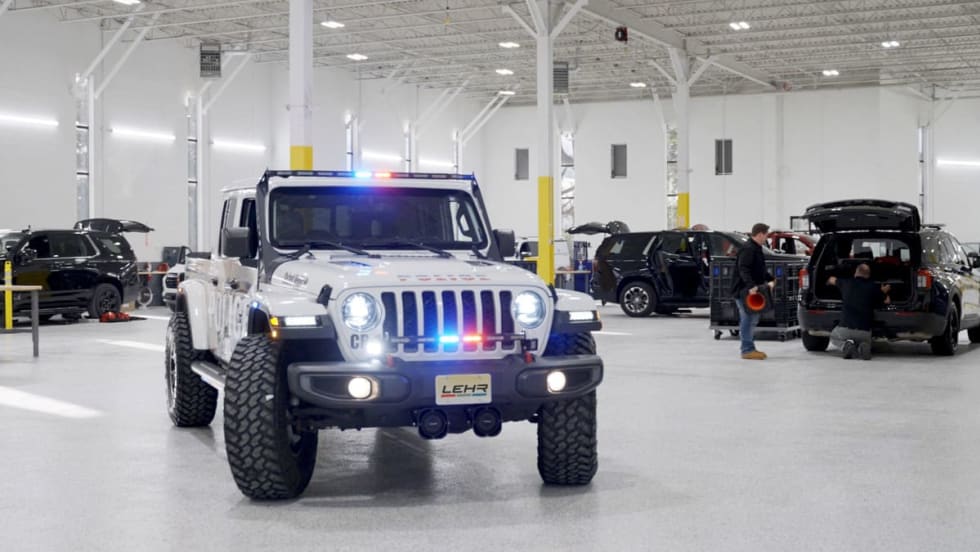
Emergency Vehicle Upfitter LEHR Opens New Facility in New Jersey
LEHR’s new centralized upfitting facility in New Jersey consolidates operations to deliver faster turnaround times and enhanced fleet capacity for law enforcement agencies across the Northeast.
Read More →
North Carolina Sheriff’s Office Improves Fueling Reliability & Operational Control
The Madison County Sheriff’s Office overcame fuel management and accounting challenges by turning to RoadFlex to improve fueling reliability, visibility, and administrative control.
Read More →