



We Don't Need (Certain) Firearms Instructors
What we don't need are firearms instructors—or any other instructors—that aren't interested in staying current, or don't want to be cross-trained in other high-risk disciplines. What we need are Force and Control Instructors.

I once knew a firearms instructor who'd been to "instructor school" about 20 years before, and was perfectly happy to keep teaching what he learned back then. He was not interested in going to more instructor schools, and he wasn't really interested in discussing new training techniques or information. As far as he was concerned, he was already "certified" as an instructor, and that was that.
I also knew a defensive tactics guy who was actually a martial artist of some repute. In his discipline, he excelled at what he did. He had taken a few "moves" and taught them to officers, and as far as he was concerned, that made him a defensive tactics trainer.
Then there was the guy who…well, you get the idea.
So, do we really not need firearms instructors anymore? Of course we do. We need them more than ever. What we don't need are firearms instructors—or any other instructors—that aren't interested in staying current, or don't want to be cross-trained in other high-risk disciplines. What we need are Force and Control Instructors.
Cross Training: Keeping things in Context
There was a time when we could have a firearms instructor and a defensive tactics (DT) instructor, and maybe even a driving instructor, and they could all teach their respective disciplines, and everything would be fine. Stop me if you've ever heard this one: "All the stuff you learn in your other classes is important, but firearms (or DT or driving, or whatever) is the most important class you'll have." I heard that from several different instructors back in the academy, and even though we were training with flintlock pistols back then, that train of thought stuck with many law enforcement instructors for many years.
In this day and age, that just won't fly. High-risk incidents are dynamic, and officers need training that will equip them to flow smoothly and coherently from one activity to the next, maintaining the contextual linkages between events.
So the traffic stop that turns into a pursuit that turns into a felony stop that turns into a cuff and search procedure is really one event, one that occurs in a multi-phased fashion. That's complicated, and it's made more so when the training that officers get is broken up into separate and distinct chunks, each of which fails to segue smoothly into the next activity.
Because many trainers are recognizing this fact, more and more departments are conducting force-on-force role play scenarios, with scripting and desired outcomes. That's a good thing, and we need more of it.
"But that's expensive and slow," goes the argument, "we can't afford to do that. It takes too much time." So some departments stick with the same format for training they have always had, dozens or scores of repetitions of static drills, given to learn one specific move or method, without context. The question is, is that really the learning model that is most beneficial?
Along this same line, it's not enough for instructors to rely on the "legal instructor" to teach the underlying rationale for the use of force and control. Every trainer that teaches a high-risk discipline—be it firearms, driving, or DT—needs a full and accurate understanding of the legal theory behind forcible control by the police. That material must be interwoven into whatever training officers receive, so that it becomes an integral part of their in-depth understanding of the subject.
When a department wants to take the leap into contextual training, it will need cross-trained instructors. Or at least instructors who are sufficiently trained in other disciplines so that they can put together contextually sound training scenarios, and do so safely and efficiently.
It is therefore incumbent upon instructors to get the training they need to fit this new model, so that their officers will get the best, most job-related training they can deliver. There will always be a need for training in the basic skills of policing, and there is no substitute for traditional methods in that regard. But when we move the "slider" along the continuum from "comfortable, static, and easy" toward "job-related, court-defensible, and contextually valid," we're going to need trainers that have grown beyond their individual disciplines. We're going to need Force and Control Instructors.
More Blog Posts
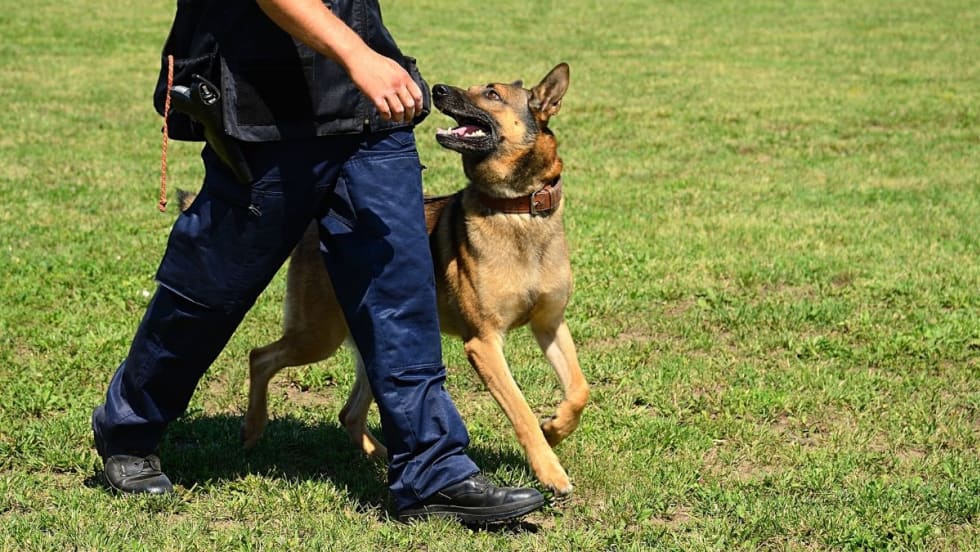
Preventing Heat Injury in Police K-9s
In the relentless heat of summer and even early fall in some parts of the country, officers face the important task of protecting their K-9 partners while working in sweltering temperatures. Recognizing changes in a dog’s behavior is the key.
Read More →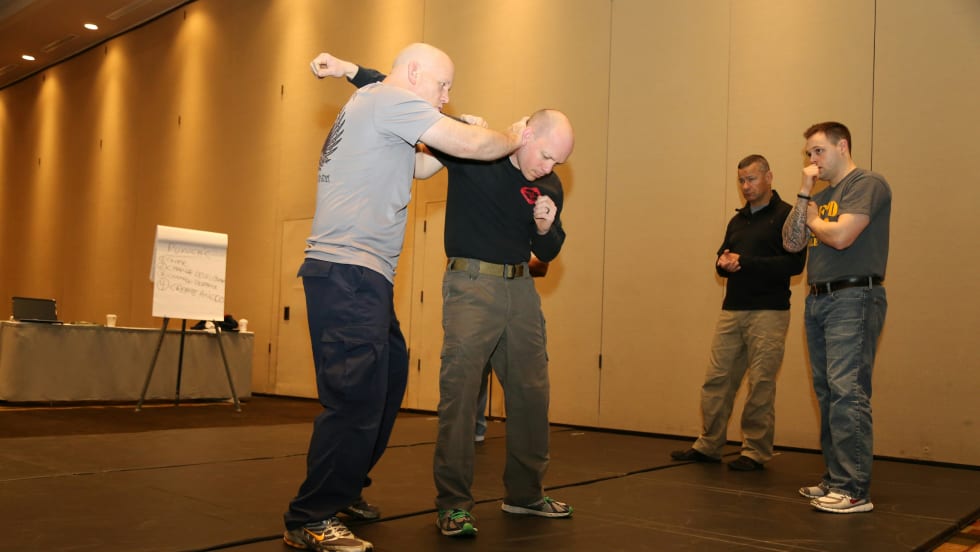
Why Your Agency Needs to Attend the ILEETA Conference
ILEETA is a complete resource for trainers to address trainers' needs. Its mission is to enhance the skills and safety of criminal justice practitioners while fostering stronger and safer communities.
Read More →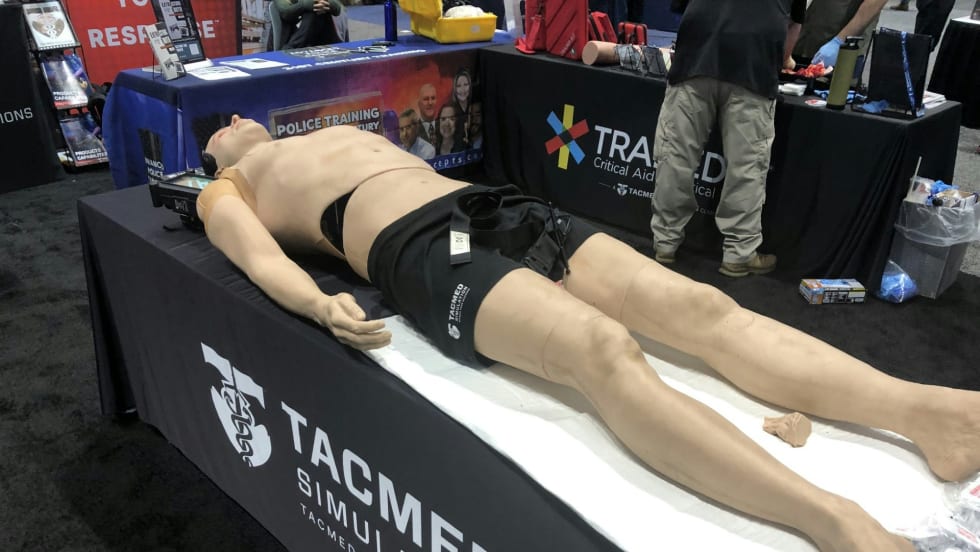
IACP 2023: New Training Products
Technologies for improving law enforcement training and training management were some of the highlights at this year's show.
Read More →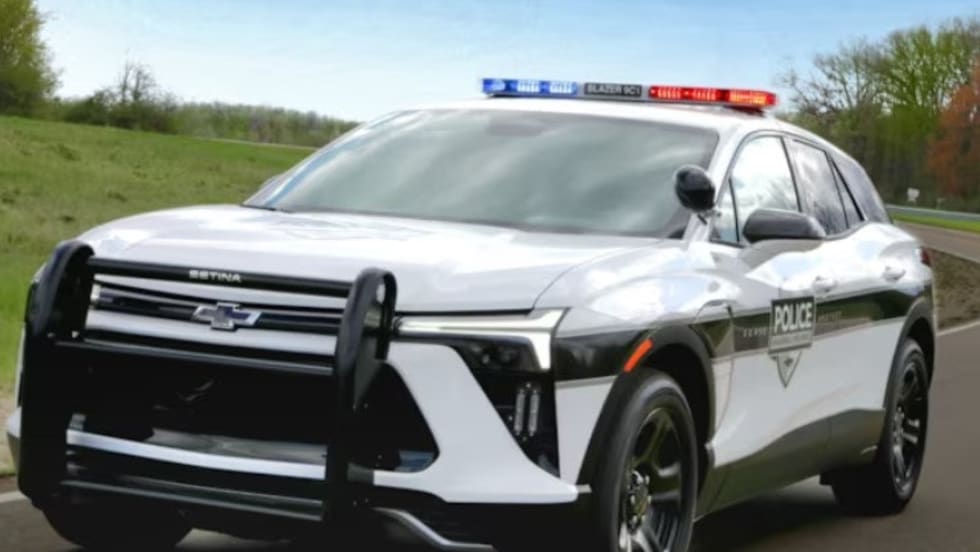
Initial Results Released from MSP 2024 Police Vehicle Testing
The 2024 pursuit-rated vehicles--all pickup trucks or SUVs, including two battery electric models the Chevrolet Blazer EV AWD and Ford Mustang Mach-E--were put through their paces.
Read More →
Officer Safety Considerations Related to Alternative-Fuel Vehicles
As more alternative-fuel and hybrid vehicles hit the road, police and other first responders need to understand that they are no more dangerous than conventional vehicles. However, there are certain safety considerations every cop should know.
Read More →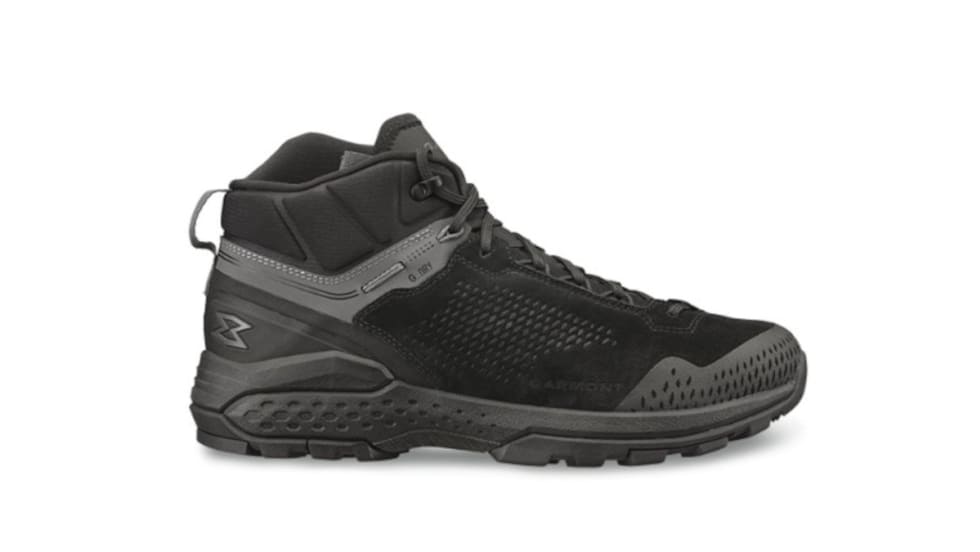
Garmont Working to Grow LE Market Presence
Garmont Tactical has found wide acceptance by military boot buyers, but now the company is trying to better respond to the needs of police officers. Many cops now are not fans of 8-inch boots, so Garmont is adapting.
Read More →
Publisher’s Note: Our Commitment to You
Through our magazine and website and our Police Technology eXchange event, we promise to provide you with information and access to resources to help you do your job safer and better.
Read More →
10 Tips for Responding to Mental Health Crisis Calls
The Harris County Sheriff's Office is a model for other agencies that want to learn about crisis intervention and mental health crisis response. Sgt. Jose Gomez shares the story of their programs and provides 10 tips for mental health crisis call response
Read More →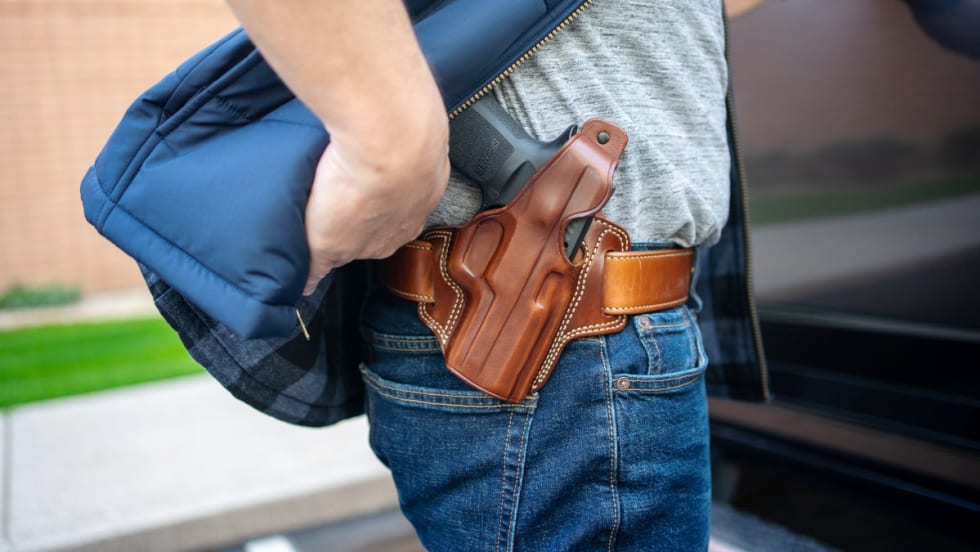
5 Things to Know When Buying Concealed-Carry or Off-Duty Holsters
Mike Barham, of Galco Holsters, shares five important considerations to keep in mind when you buy off-duty concealed or plain-clothes carry holsters.
Read More →
10 Tips for Reviewing Use-of-Force Reports
While the burden of accurately reporting use-of-force situations is on an individual deputy or officer, the person reviewing those reports shares in the responsibility of making sure the reporting is done properly, with clear details included.
Read More →