



FTO: Mentor or Monster
This column is directed to the FTO or the future FTO. You are the most critical link between academy training and education and real world application. So, let's not waste such an opportunity.

This column is directed to the FTO or the future FTO. You are the most critical link between academy training and education and real world application. You alone will have probably the greatest influence on tomorrow's cops. You are the critical link to success and failure. So, let's not waste such an opportunity.
Monstering 101
Young officers are like young puppies; they yip and yap and want to chase cars. They are not our pets and we do not yell at and kick at our puppies, so why do this to recruits? One golden rule I follow that you should also abide by is that if I raise my voice at you, you'd better seek cover. That's because such a reaction is reserved only for a critical life threatening moment. As a rule, you do not yell at recruits as an FTO.
Recruits love praise and do not want to be scolded. Therefore, praise in public and chastise in private. You want the recruit to excel? Then praise him or her in front of fellow recruits. Praise will keep them excelling when most would stop. After all, you like to be appreciated as well. Never, ever chastise a recruit in public unless it is a life critical moment. Some of the worst tail chewings I ever received were at a low voice, and the disappointment of my supervisor was in every word. You do not have to yell to be heard.
Reminders need to be realistic. For example, "If you do this you will lose the case or the evidence will be tossed out in court." Far too many FTOs use the ever familiar "if you do this you will get killed" phrase. This to me is overused and lost its punch years ago. Not everything we do or don't do will get you killed. Back in my academy, everything we did was getting us killed; we did not expect to live to graduation. Give realistic offerings of what could happen, not the same doomsday chronicles.
Mentoring 101
Oftentimes the FTO must be more than a trainer. I recall one recruit I had that was new in town. He did not yet have a bank in the area and didn't know where to find something as simple as the nearest grocery store. I had to be a mentor in this situation and guide him in the right direction. This did not make me his buddy.
Giving good sound advice on real world issues that have great meaning to a recruit goes a long way. Recall, I have said many times, you must offer insights into living the other 16 hours a day, not the mere eight on duty. Additionally, it is a 24/7 plan; if your off time is worrying you, then you will not perform well while working. It's true for you, it's true for recruits.
Be the mentor, the ambassador to success in Copland. You do not have to befriend recruits, but you can be cordial and not their nemesis. Let's go back to the young pup analogy. They want to please you with good performance. Give them a win-win methodology to do so. Good trainers want their students to succeed, not fail. Do not give no-win scenarios; give them a way to challenge themselves and to prove their increased skills. Demand excellence and not the mediocre. Do not forget to praise them and they will make you proud.
Related:
More Blog Posts
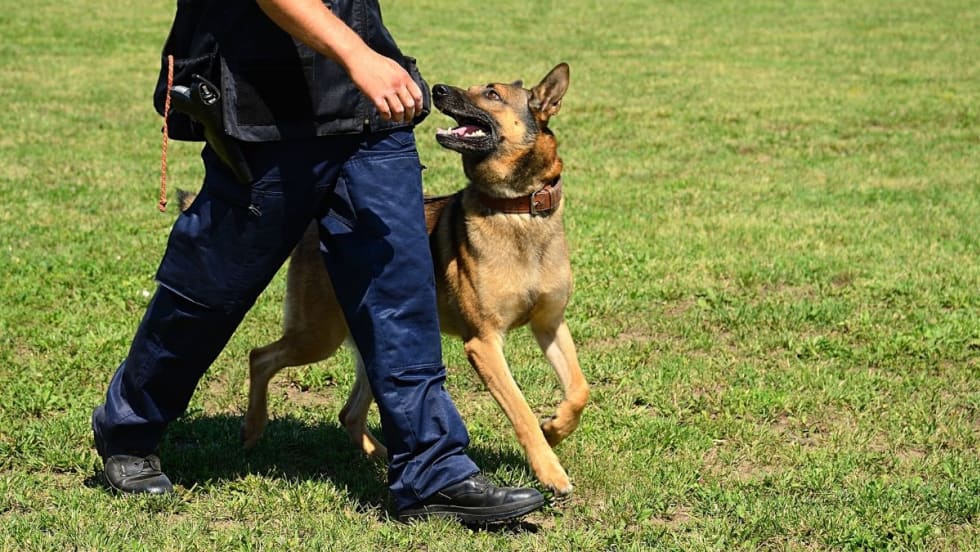
Preventing Heat Injury in Police K-9s
In the relentless heat of summer and even early fall in some parts of the country, officers face the important task of protecting their K-9 partners while working in sweltering temperatures. Recognizing changes in a dog’s behavior is the key.
Read More →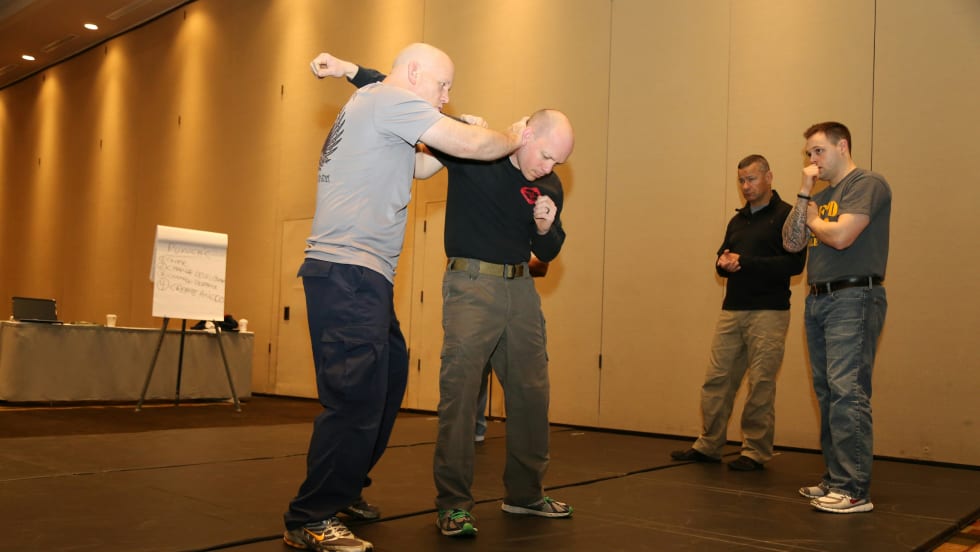
Why Your Agency Needs to Attend the ILEETA Conference
ILEETA is a complete resource for trainers to address trainers' needs. Its mission is to enhance the skills and safety of criminal justice practitioners while fostering stronger and safer communities.
Read More →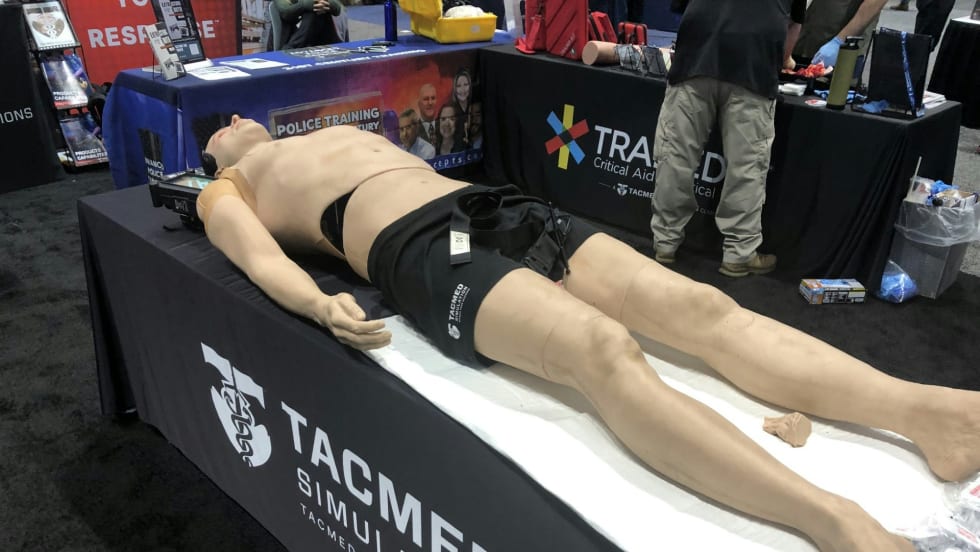
IACP 2023: New Training Products
Technologies for improving law enforcement training and training management were some of the highlights at this year's show.
Read More →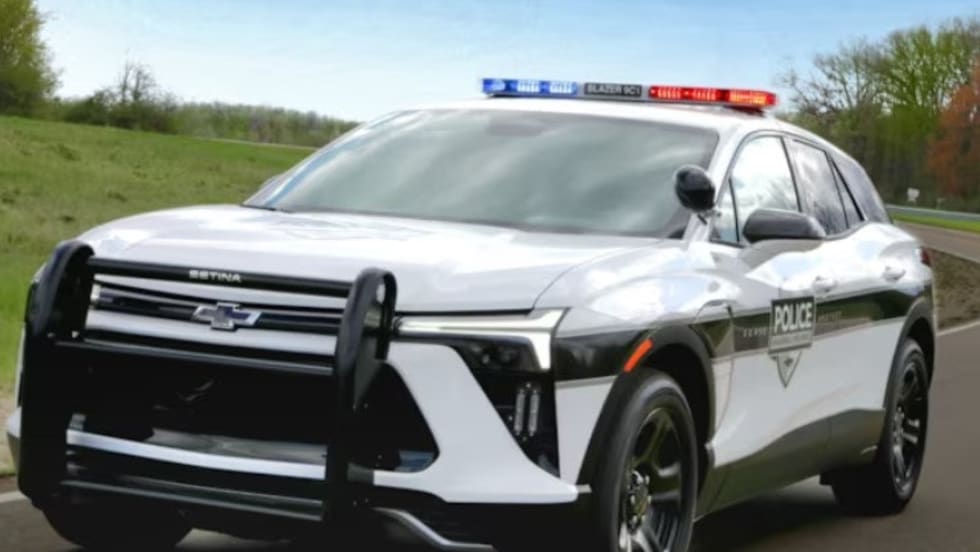
Initial Results Released from MSP 2024 Police Vehicle Testing
The 2024 pursuit-rated vehicles--all pickup trucks or SUVs, including two battery electric models the Chevrolet Blazer EV AWD and Ford Mustang Mach-E--were put through their paces.
Read More →
Officer Safety Considerations Related to Alternative-Fuel Vehicles
As more alternative-fuel and hybrid vehicles hit the road, police and other first responders need to understand that they are no more dangerous than conventional vehicles. However, there are certain safety considerations every cop should know.
Read More →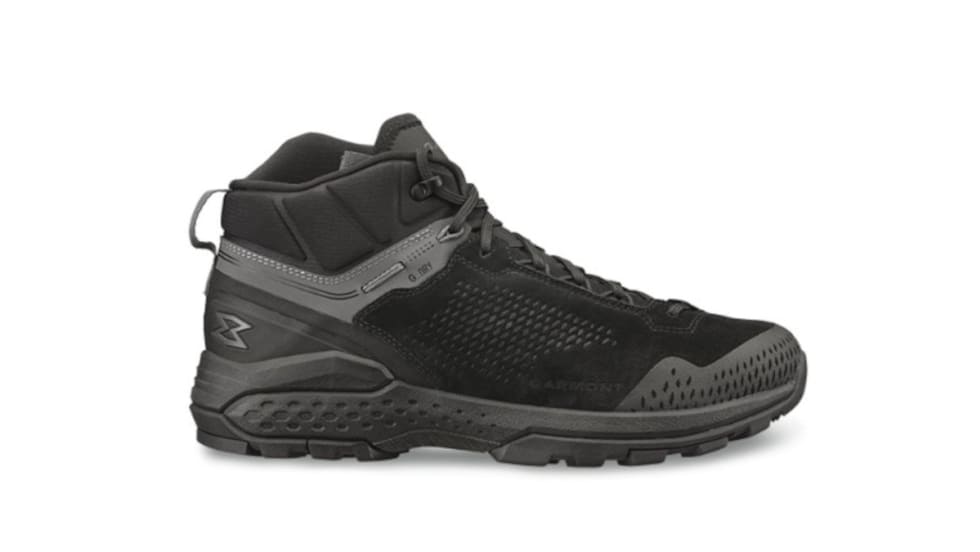
Garmont Working to Grow LE Market Presence
Garmont Tactical has found wide acceptance by military boot buyers, but now the company is trying to better respond to the needs of police officers. Many cops now are not fans of 8-inch boots, so Garmont is adapting.
Read More →
Publisher’s Note: Our Commitment to You
Through our magazine and website and our Police Technology eXchange event, we promise to provide you with information and access to resources to help you do your job safer and better.
Read More →
10 Tips for Responding to Mental Health Crisis Calls
The Harris County Sheriff's Office is a model for other agencies that want to learn about crisis intervention and mental health crisis response. Sgt. Jose Gomez shares the story of their programs and provides 10 tips for mental health crisis call response
Read More →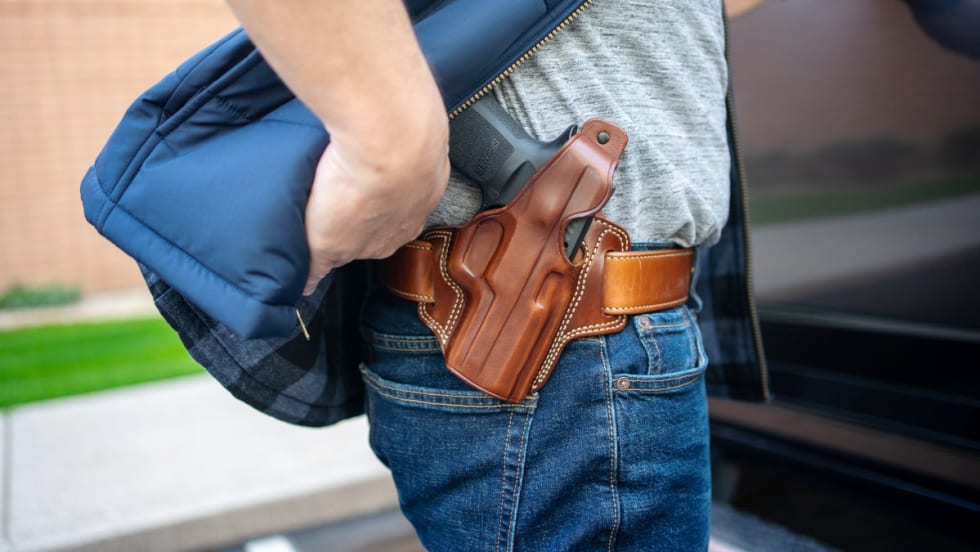
5 Things to Know When Buying Concealed-Carry or Off-Duty Holsters
Mike Barham, of Galco Holsters, shares five important considerations to keep in mind when you buy off-duty concealed or plain-clothes carry holsters.
Read More →
10 Tips for Reviewing Use-of-Force Reports
While the burden of accurately reporting use-of-force situations is on an individual deputy or officer, the person reviewing those reports shares in the responsibility of making sure the reporting is done properly, with clear details included.
Read More →