



Be a Mentor, Not a Monster
Great mentors seem to live for the teaching moments of life. It is easy to scream at someone who makes a mistake. It takes patience to seize a mistake and turn it into a learning experience. The leader who takes you aside for a teaching moment is a real leader.

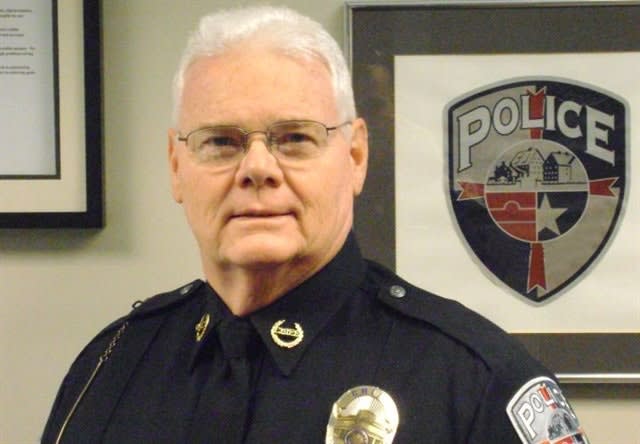
Photo courtesy of William Harvey.
One word that I find overused is mentor. People speak of how they serve as a mentor to their staff. Some wished they had a mentor. School teachers and coaches do it. Trainers and educators do it. Everyone talks about it, but how does one go about being a mentor?
Let's get one thing straight—it's often how you live your daily life that tells the story of you as a mentor. Your actions speak louder than your words. These traits are often caught not taught. I've drawn similarities to leaders in my life—their traits and actions that they lived every day. I've narrowed them down to five areas for your consideration.
When I studied my mentors, they were diligent, insightful, consistent, natural, and personal in their daily actions on and off duty. Each also had traits or skill sets that made them a value to the lives of those around them. These are the basics.
When I stated that they were diligent, they were like clockwork. They did the important things every day—not when someone was watching them but all of the time. I draw a comparison to children and Santa Claus—the closer to the arrival of the old elf, the better their behavior. Here's a reality check. Were you naughty or nice in the summer or just before the holiday? What do you do every day? The little things your recruits or staffers observe about you are really that important.
Leaders provide insight at all times. They seem to live for the teaching moments of life. It is easy to scream at someone who makes a mistake. It takes patience to seize a mistake and turn it into a learning experience. The leader who takes you aside for a teaching moment is a real leader. One of the goals of a leader is to minimize mistakes and maximize performance. If they observe a mistake, they'll correct it to help make you a better performer.
They tend to their squad or students all of the time. They're consistent! This shouldn't be confused with diligence. Great skills come from positive habits. For each task, there's a logical, step-by-step process that ensures accuracy and completeness. They don't take a short cut or settle for "good enough for government work." There's a method and purpose to all they do. They give the same consistent performance to every case, every class, and every moment.
Leadership appears natural to them; they rarely struggle. Some develop into good leaders by working, toiling, and nearly suffering with the mantle of leadership. For most great leaders, it's almost like walking or riding a bike. It's a natural motion for them to take the reins and lead. Everyone struggles from time to time; the mentors will never let you see them sweat. Their natural ability garners confidence in others.
A personable demeanor is one of the great traits of a mentor. They know you well. They speak to you in person, when offering guidance rather than through a memo or group letter. The best mentors lean over; speak with an insightful tone; and then give you the nod. Personal communication creates ownership between the two of you. They will say things like, "I am here to make you successful" or "There are no 'I's' in success."
There are certainly other traits of a great mentor. They all have their own mannerisms from their linage of successful people. If you want to raise the bar to become the best Field Training Officer (FTO), supervisor, or instructor, give these five a try and the success will be yours.
More Blog Posts
Preventing Heat Injury in Police K-9s
In the relentless heat of summer and even early fall in some parts of the country, officers face the important task of protecting their K-9 partners while working in sweltering temperatures. Recognizing changes in a dog’s behavior is the key.
Read More →
Why Your Agency Needs to Attend the ILEETA Conference
ILEETA is a complete resource for trainers to address trainers' needs. Its mission is to enhance the skills and safety of criminal justice practitioners while fostering stronger and safer communities.
Read More →
IACP 2023: New Training Products
Technologies for improving law enforcement training and training management were some of the highlights at this year's show.
Read More →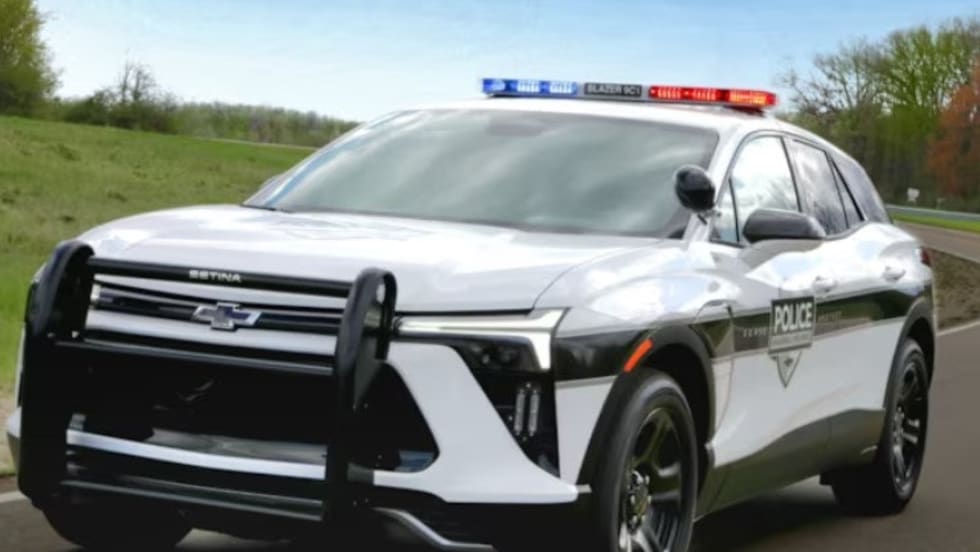
Initial Results Released from MSP 2024 Police Vehicle Testing
The 2024 pursuit-rated vehicles--all pickup trucks or SUVs, including two battery electric models the Chevrolet Blazer EV AWD and Ford Mustang Mach-E--were put through their paces.
Read More →
Officer Safety Considerations Related to Alternative-Fuel Vehicles
As more alternative-fuel and hybrid vehicles hit the road, police and other first responders need to understand that they are no more dangerous than conventional vehicles. However, there are certain safety considerations every cop should know.
Read More →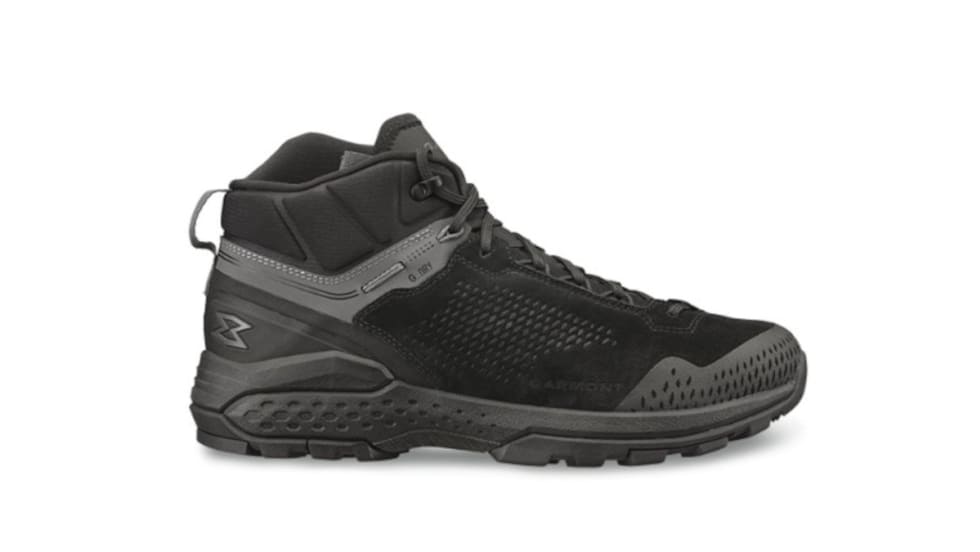
Garmont Working to Grow LE Market Presence
Garmont Tactical has found wide acceptance by military boot buyers, but now the company is trying to better respond to the needs of police officers. Many cops now are not fans of 8-inch boots, so Garmont is adapting.
Read More →
Publisher’s Note: Our Commitment to You
Through our magazine and website and our Police Technology eXchange event, we promise to provide you with information and access to resources to help you do your job safer and better.
Read More →
10 Tips for Responding to Mental Health Crisis Calls
The Harris County Sheriff's Office is a model for other agencies that want to learn about crisis intervention and mental health crisis response. Sgt. Jose Gomez shares the story of their programs and provides 10 tips for mental health crisis call response
Read More →
5 Things to Know When Buying Concealed-Carry or Off-Duty Holsters
Mike Barham, of Galco Holsters, shares five important considerations to keep in mind when you buy off-duty concealed or plain-clothes carry holsters.
Read More →
10 Tips for Reviewing Use-of-Force Reports
While the burden of accurately reporting use-of-force situations is on an individual deputy or officer, the person reviewing those reports shares in the responsibility of making sure the reporting is done properly, with clear details included.
Read More →